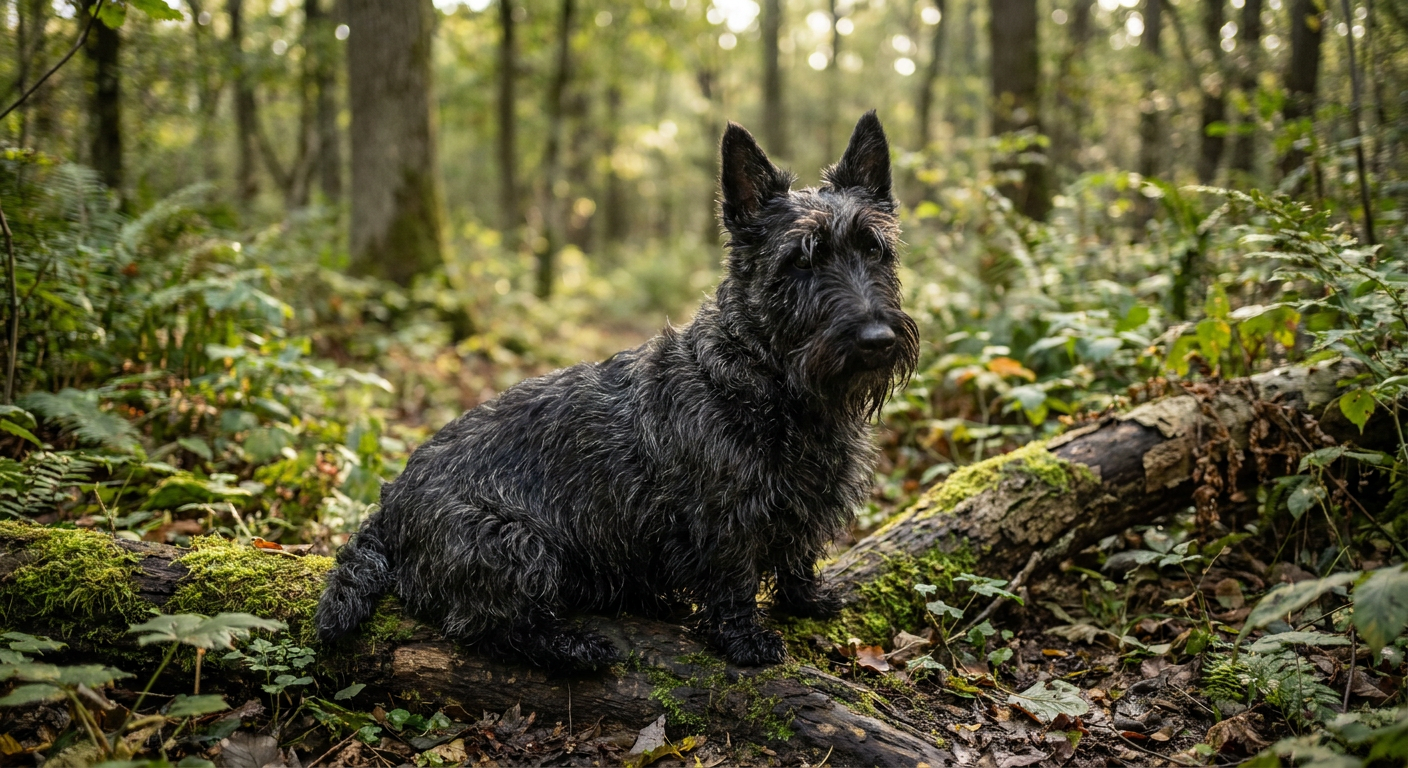
History & Origin
Originating from Scotland, the West Highland White Terrier was bred to hunt fox, badger, and vermin. The breed's distinctive white coat is rumored to have been intentionally selected after Colonel Edward Donald Malcolm of Poltalloch accidentally shot his wheaten-colored terrier, mistaking it for a fox. He then resolved to breed only white dogs that would be easily visible in the field. Initially known as the Poltalloch Terrier, they were first shown in 1896 and officially recognized by the American Kennel Club in 1908, classified within the Terrier Group.
Temperament & Personality
Westies are the embodiment of a big dog in a small body: bold, inquisitive, and self-assured. They are loyal and entertaining companions but possess a stubborn, independent streak typical of terriers. Their alert nature makes them excellent watchdogs, though this can translate to frequent barking. Early and consistent socialization is crucial to moderate their potential for scrappiness with other dogs. They thrive on being part of family activities but are not simple lap dogs.
Health Watchouts
Top conditions reported by AKC parent clubs, OFA, and the Merck Veterinary Manual. Discuss screening with your vet — especially before breeding or insuring.
Atopic Dermatitis
Very Common (>25%)An inherited predisposition to develop allergic symptoms. It typically manifests as chronic itching, skin inflammation, and recurrent infections, often affecting the paws, face, and ears. Management is often lifelong.
Screening: Diagnosis is based on clinical signs and ruling out other causes of itch. Allergy testing (intradermal or blood tests) may identify specific environmental triggers.
Craniomandibular Osteopathy (CMO)
UncommonAn inherited bone disease affecting the skull and jaw of growing puppies (usually 4-8 months old), causing painful swelling and difficulty eating. While many cases resolve after the growth phase, it can be severe.
Screening: A DNA test is available through the OFA to identify carriers. Reputable breeders should screen their breeding stock.
Pulmonary Fibrosis ('Westie Lung Disease')
CommonA progressive, incurable disease where scar tissue forms in the lungs, leading to a chronic cough, exercise intolerance, and eventual respiratory distress. It typically affects middle-aged to older dogs.
Screening: Diagnosis is based on clinical signs, chest X-rays, and often a CT scan. There is no specific screening test for prevention.
Legg-Calvé-Perthes Disease
~4%A developmental disorder where the head of the femur spontaneously degenerates, causing hindlimb lameness, pain, and arthritis. It typically appears in puppies between 4 and 12 months of age.
Screening: OFA or PennHIP evaluations of breeding stock help reduce incidence. Diagnosis in affected dogs is confirmed with X-rays.
Keratoconjunctivitis Sicca (KCS or 'Dry Eye')
CommonAn immune-mediated condition that reduces tear production, leading to dry, painful, and often infected eyes. If untreated, it can lead to pigmentation of the cornea and vision loss.
Screening: A Schirmer Tear Test (STT) performed by a veterinarian measures tear production and provides a definitive diagnosis.
Exercise Needs
Westies have moderate energy levels and require daily exercise to stay physically and mentally fit. A minimum of 45-60 minutes per day is recommended, including brisk walks and opportunities for more vigorous, off-leash play in a securely fenced area. Their strong prey drive and digging instincts mean they should not be trusted off-leash in unsecured spaces.
- Brisk daily walks
- Fetch with durable toys
- Earthdog trials
- Canine agility
- Scent work games
Nutrition
Daily calories: 400-550 kcal/day
Feed a high-quality, balanced commercial diet appropriate for their life stage. Due to the high prevalence of skin allergies, some Westies benefit from prescription hypoallergenic diets or diets rich in omega-3 fatty acids for skin support. Always measure food to prevent obesity.
Common allergens to watch: Chicken, Beef, Dairy.
⚠ Westies are prone to obesity, which puts significant strain on their joints and can exacerbate arthritis or respiratory conditions. A lean body condition is crucial. You should be able to easily feel their ribs without a thick layer of fat.
Entertainment & Enrichment
These are intelligent, busy dogs that become bored without mental stimulation. Channel their terrier instincts for digging and
- Food-dispensing puzzle toys
- Supervised "digging pit" or sandbox
- Scent detection games
- Durable chew toys
- Interactive play sessions
Grooming & Coat Care
Westies have a high-maintenance coat that requires daily brushing to prevent mats and professional grooming every 4-6 weeks. Hand-stripping is needed to maintain the harsh texture of a show coat; most pets are clipped for easier maintenance. Regular ear cleaning is essential to prevent infections, a common issue in the breed.
Training
Westies are intelligent and quick to learn, but their terrier stubbornness calls for a patient, firm, and consistent trainer. Use positive reinforcement techniques. Early and thorough socialization is vital to ensure they are well-behaved around other dogs and people, mitigating their naturally scrappy and bossy tendencies.
Cost of Ownership
Lifetime cost depends on size, lifespan, and health risks. Try our Lifetime Cost Calculator →
Cost band for West Highland White Terrier: medium.
How insurance, vet care & grooming connect for the West Highland White Terrier
These three costs move together. The West Highland White Terrier’s coat, energy, and breed-specific health watchouts shape each one — here’s how they line up.
Insurance band
Common hereditary conditions raise claim odds
Vet service load
High activity raises orthopedic & injury visits
Grooming demand
Professional clipping every 6–8 weeks
Estimated monthly spend (typical adult)
Insurance
$75
Routine vet
$50
Grooming
$60
Combined estimate
~$185/mo(±20%, US averages)
* Estimates derived from breed traits (coat, energy, health watchouts, lifespan). Actual costs vary by location, age, and provider.
Living Situation Fit
A Westie fits well with active owners who appreciate a feisty, independent personality. They can adapt to apartment life if given sufficient daily exercise, but a home with a securely fenced yard is ideal for them to safely patrol and dig. They are not a quiet breed and will announce every visitor.
Choosing a Puppy
Choose a breeder who is transparent about health issues, especially atopic dermatitis. They should provide proof of OFA evaluations for parents (hips, patellas, eyes) and DNA testing for Craniomandibular Osteopathy (CMO). Ask to meet the puppy's parents and observe their temperament and living conditions.
Frequently Asked Questions
Are Westies good for first-time owners?
They can be, but owners must be prepared for the classic terrier personality: stubborn, independent, and vocal. A commitment to consistent training, daily exercise, and significant grooming is essential. Prospective owners should also be financially and emotionally prepared for the high likelihood of managing chronic skin allergies.
Do Westies bark a lot?
Yes, Westies are known for being vocal. Bred as watchdogs, they will alert their owners to visitors, passing strangers, and unfamiliar sounds. While training can help manage nuisance barking, it is an ingrained instinct.
How difficult are their skin problems to manage?
Managing atopic dermatitis, which is very common in Westies, can be a lifelong challenge. It often requires a combination of allergy medications, specialized diets, frequent bathing with medicated shampoos, and consistent veterinary care. It can be both costly and emotionally taxing for owners.
Can Westies live with cats or other small pets?
It is possible if the Westie is raised with them from puppyhood, but caution is always advised. Their strong prey drive, bred for hunting small animals, can trigger chasing behavior. A Westie should never be left unsupervised with smaller pets.