History & Origin
Originating in the Cheviot Hills near the border of England and Scotland in the 18th century, these terriers were bred to hunt foxes alongside hounds. They were specifically developed to be narrow enough to follow a fox into its lair but leggy enough to keep pace with horses. The breed was officially recognized by the Kennel Club in Great Britain in 1920 and the AKC in 1930.
Temperament & Personality
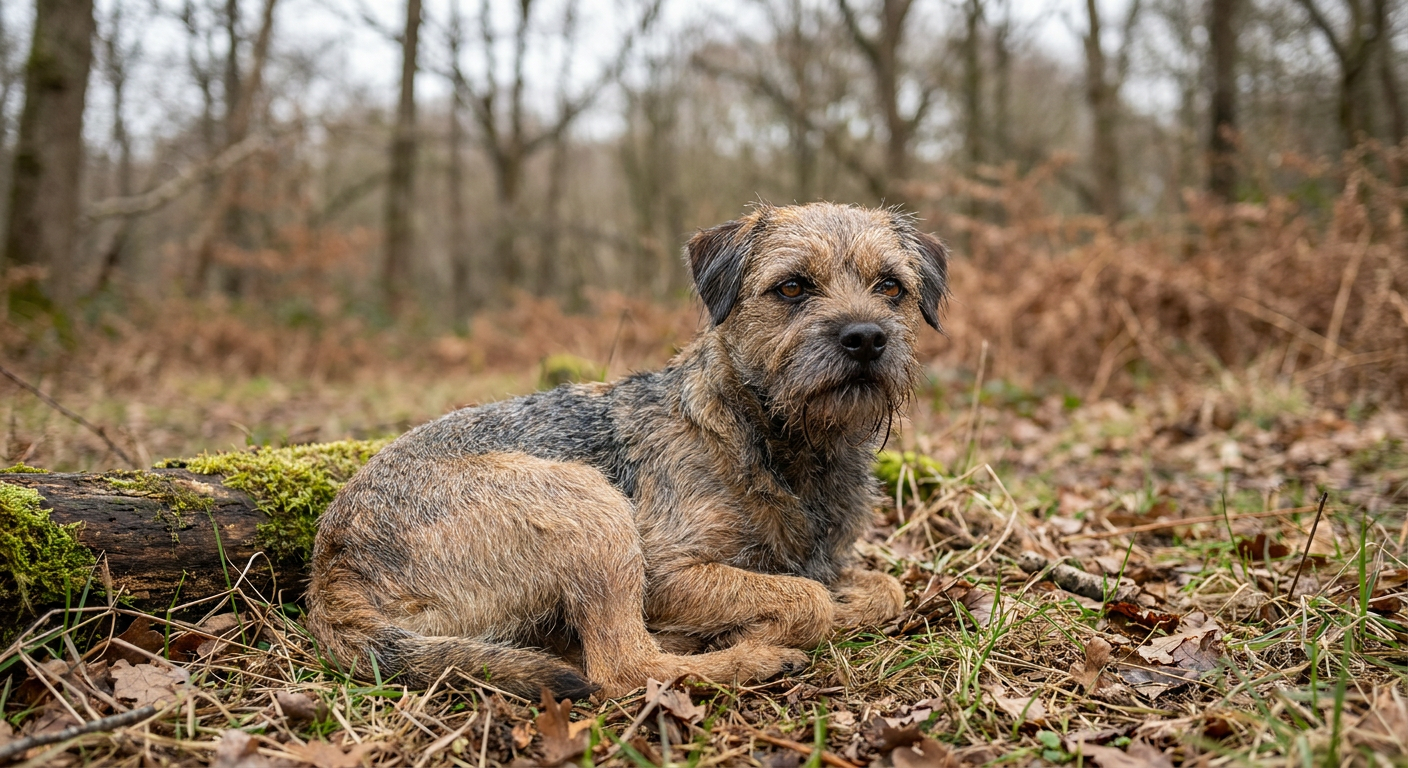
The Border Terrier is characterized by an 'otter' head and a plucky, affectionate nature. Unlike some terriers, they are generally sociable with other dogs and more eager to please, though they retain an independent streak. They are highly alert and vocal, making them excellent watchdogs. Their temperament is balanced between being a rugged working dog and a sensitive family companion.
Health Watchouts
Top conditions reported by AKC parent clubs, OFA, and the Merck Veterinary Manual. Discuss screening with your vet — especially before breeding or insuring.
Spongiform Leukoencephalomyelopathy (CECS/CEPU)
Moderate/Breed-specificA genetic movement disorder causes involuntary muscle contractions and tremors, often triggered by stress or excitement.
Screening: Genetic testing (DNA)
Hip Dysplasia
Low to ModerateA malformation of the hip joint that can lead to arthritis and mobility issues.
Screening: OFA or PennHip X-rays
Patellar Luxation
CommonA condition where the kneecap slips out of its normal groove, causing lameness.
Screening: Veterinary physical exam
Pulmonic Stenosis
LowA narrowing of the heart's pulmonary valve that restricts blood flow.
Screening: Echocardiogram
Exercise Needs
They require significant daily physical exertion and mental stimulation to prevent destructive backyard digging.
- Long brisk walks on a leash
- Controlled off-leash play in a secure, fenced area
- Agility or flyball training
- Hiking on varied terrain
Nutrition
Daily calories: 500-700 kcal/day (adult)
Divide meals into two portions. Border Terriers are prone to obesity, so monitor treat intake carefully.
Common allergens to watch: Beef, Dairy, Wheat.
⚠ This breed is highly food-motivated and can become overweight quickly if free-fed.
Entertainment & Enrichment
This breed has a strong desire to hunt and dig, needing activities that channel their instinctual 'vermin-hunting' drive.
- Earthdog trials or scent work games
- Hide-and-seek with high-value treats
- Digging pits or sandboxes
- Puzzle feeders to slow down eating and stimulate the mind
Grooming & Coat Care
Weekly brushing is required; the coat should be hand-stripped twice a year to maintain its texture and weather resistance. Do not clip the coat, as it ruins the protective texture.
Training
Early socialization and positive reinforcement are vital to manage their prey drive and potential for barking. They are highly intelligent and excel in task-oriented training like Earthdog or Agility, though they may ignore commands if they spot a squirrel.
Cost of Ownership
Lifetime cost depends on size, lifespan, and health risks. Try our Lifetime Cost Calculator →
Cost band for Border Terrier: medium.
How insurance, vet care & grooming connect for the Border Terrier
These three costs move together. The Border Terrier’s coat, energy, and breed-specific health watchouts shape each one — here’s how they line up.
Insurance band
Common hereditary conditions raise claim odds
Vet service load
High activity raises orthopedic & injury visits
Grooming demand
Double coat sheds seasonally — frequent brushing
Estimated monthly spend (typical adult)
Insurance
$75
Routine vet
$50
Grooming
$45
Combined estimate
~$170/mo(±20%, US averages)
* Estimates derived from breed traits (coat, energy, health watchouts, lifespan). Actual costs vary by location, age, and provider.
Living Situation Fit
They thrive in homes with secure yards where they can safely explore. While they adapt to apartments if exercised heavily, their propensity for barking at outdoor stimuli requires training.
Choosing a Puppy
Seek breeders who provide Hip and Elbow clearances and a BAER hearing test. Assessment of the parents' temperament is crucial as this breed should be alert but not overly aggressive.
Frequently Asked Questions
Are they good with cats?
While possible, most have a high prey drive and will instinctively chase smaller pets unless raised together and closely supervised.
Are they different from other terriers?
They are known for being 'tough as nails' and generally more agreeable than many other terrier breeds, though they retain the characteristic independence.
Are they escape artists?
Yes, they are notorious diggers and climbers; fences should be high and reinforced at the base.