How Should You Prepare Your Home for a New Cat?
Cats are territorial animals that need environmental predictability to feel safe. The Cornell Feline Health Center recommends setting up a dedicated "base camp" room — a single quiet space with all essential resources — before your cat arrives. This room becomes your cat's safe zone during the critical first 3–7 days of acclimation.
The base camp strategy works because it limits the territory your cat needs to assess. Instead of being overwhelmed by an entire home, they can establish scent familiarity and predictable routines in a manageable space before exploring further.
Base Camp Room Essentials Checklist
- Litter box — Placed in a quiet corner, away from food and water
- Food and water bowls — Stainless steel or ceramic, separated from litter
- Scratching post — Vertical sisal or horizontal corrugated cardboard
- Hiding spot — A covered bed, box, or carrier with the door open
- Cat-proofing — Secure cords, remove toxic plants (lilies, pothos), block small gaps
📎 For a detailed supply list, see our Complete New Cat Checklist and Kitten-Proofing Guide.
What Are the Most Common Litter Box Mistakes?
Litter box problems are the number-one behavioral reason cats are surrendered to shelters, according to the ASPCA. Most issues stem from setup errors that are entirely preventable.
| Mistake | Why It's a Problem | Fix |
|---|---|---|
| Only one box | Cats may avoid a box that's been used recently | One per cat + one extra |
| Scented litter | Strong fragrances cause litter aversion | Unscented, fine-grain clumping clay |
| Box near food | Cats instinctively avoid eliminating near food | Separate locations entirely |
| Infrequent scooping | Dirty boxes lead to house soiling | Scoop daily, full clean weekly |
| Covered box | Traps odor; some cats feel ambushed | Start with open; test preferences |
Litter Box Systems We Recommend
A reliable litter system with effective odor control makes daily maintenance easier and encourages consistent litter habits from day one.
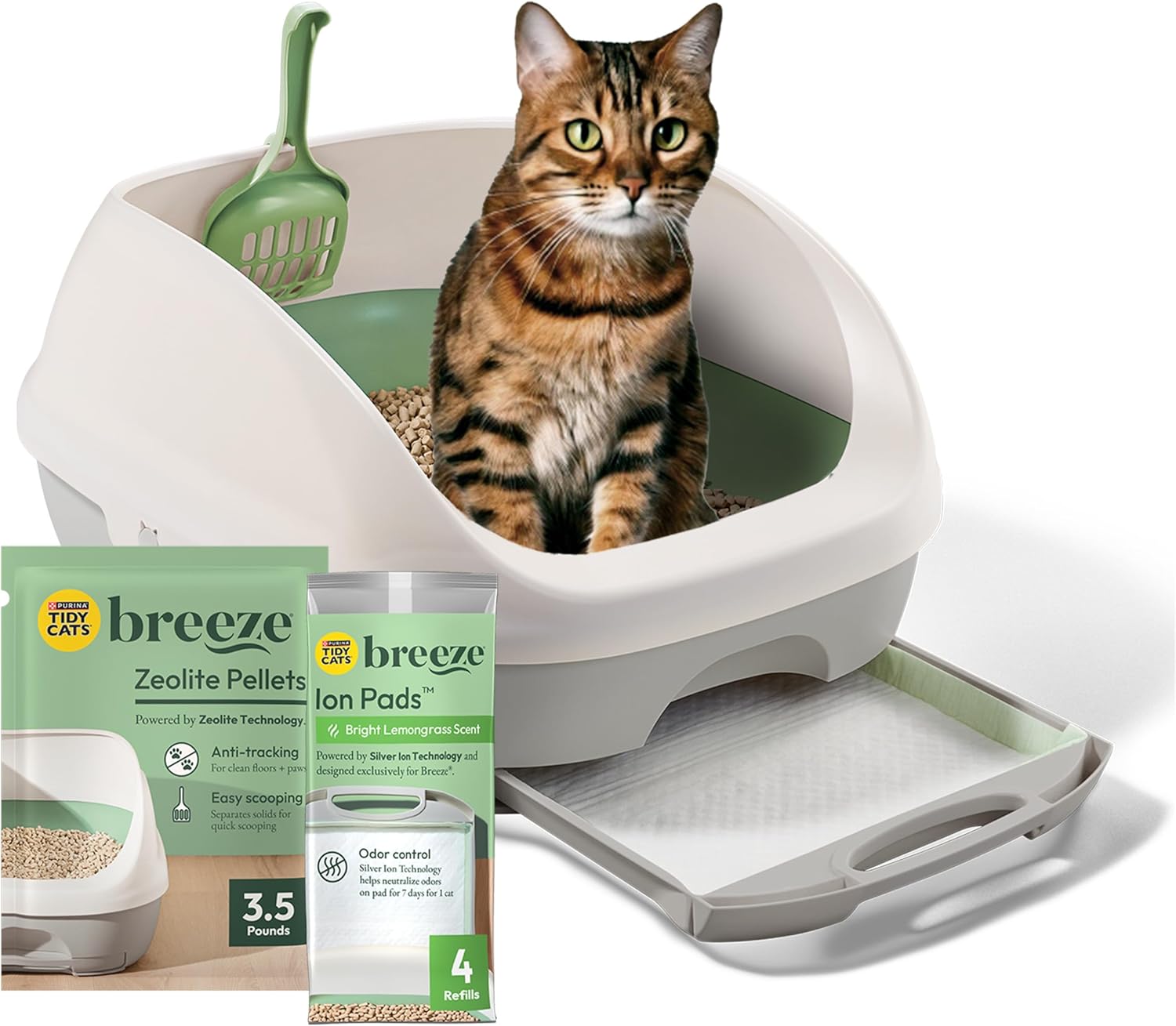
As an Amazon Associate, we may earn from qualifying purchases. Prices and availability are subject to change.
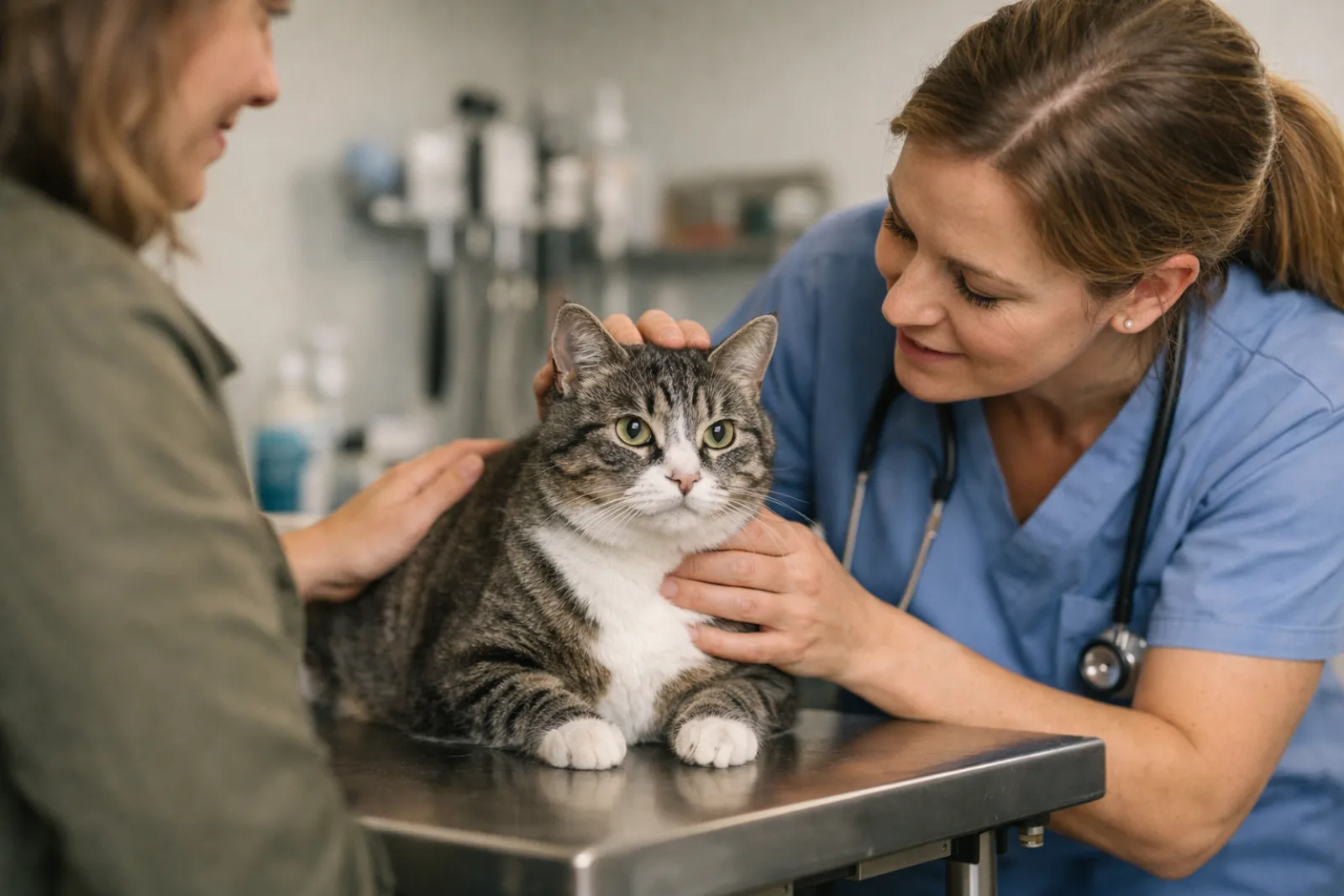
When Should You Schedule the First Vet Visit?
The AAHA recommends a veterinary exam within 48–72 hours of adoption. This baseline visit is essential for:
- Parasite screening — Intestinal worms, fleas, and ear mites are common in adopted cats
- Vaccination assessment — Core vaccines (FVRCP, rabies) and lifestyle-based boosters
- FeLV/FIV testing — Critical for multi-cat households
- VCPR establishment — A legal requirement for ongoing prescription care in most states
- Microchip verification — Confirm registration details are updated to your contact info
| Life Stage | Exam Frequency | Key Focus Areas |
|---|---|---|
| Kitten (0–1 year) | Every 3–4 weeks until 16 weeks | Vaccines, deworming, spay/neuter planning |
| Adult (1–10 years) | Annually | Dental check, weight, bloodwork baseline |
| Senior (10+ years) | Every 6 months | Thyroid, kidney function, blood pressure |
📎 See our guides on Cat Vaccinations 101, What to Expect at the Vet, and Flea & Tick Prevention.
How Do You Provide Mental Stimulation for Indoor Cats?
Indoor cats live longer on average — 12–18 years versus 2–5 years for outdoor cats according to the ASPCA — but they face unique challenges. Without environmental enrichment, indoor cats are at higher risk of obesity, anxiety, destructive behavior, and compulsive disorders.
The AAFP (American Association of Feline Practitioners) identifies five pillars of a healthy feline environment:
| Pillar | What It Means | How to Implement |
|---|---|---|
| Safe space | A private retreat the cat controls | Covered beds, cat caves, elevated perches |
| Multiple resources | No competition for essentials | Separate food, water, litter in different zones |
| Play & predation | Simulating the hunt-catch-kill-eat cycle | Wand toys, puzzle feeders, rotating toys |
| Social interaction | Positive, predictable human contact | Scheduled play sessions, gentle grooming |
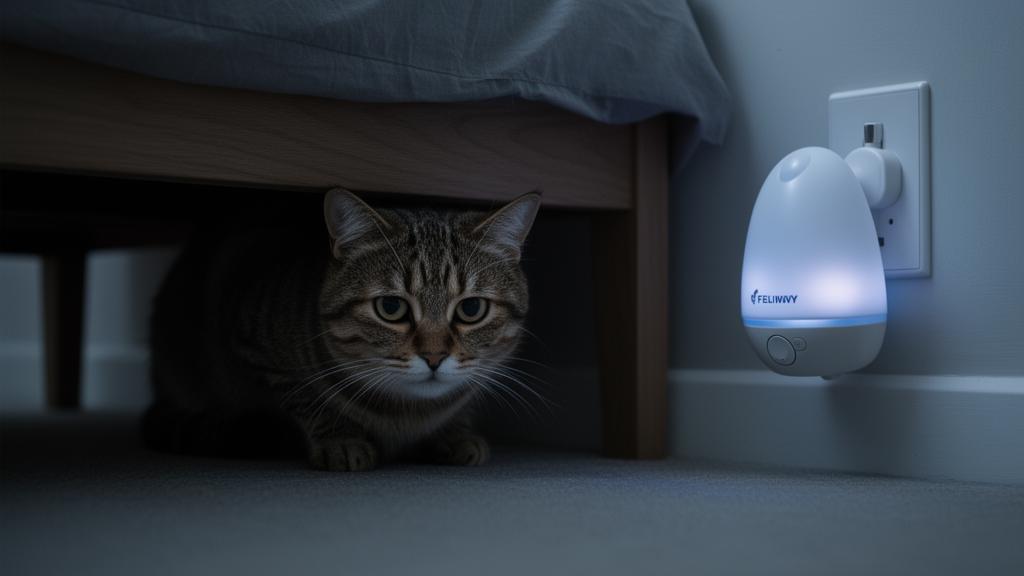
| Scent security | Environmental scent markers for confidence | Scratching posts, Feliway diffusers, chin-rubbing opportunities |
Enrichment Essentials
Vertical territory and interactive feeders are the foundation of indoor cat enrichment.
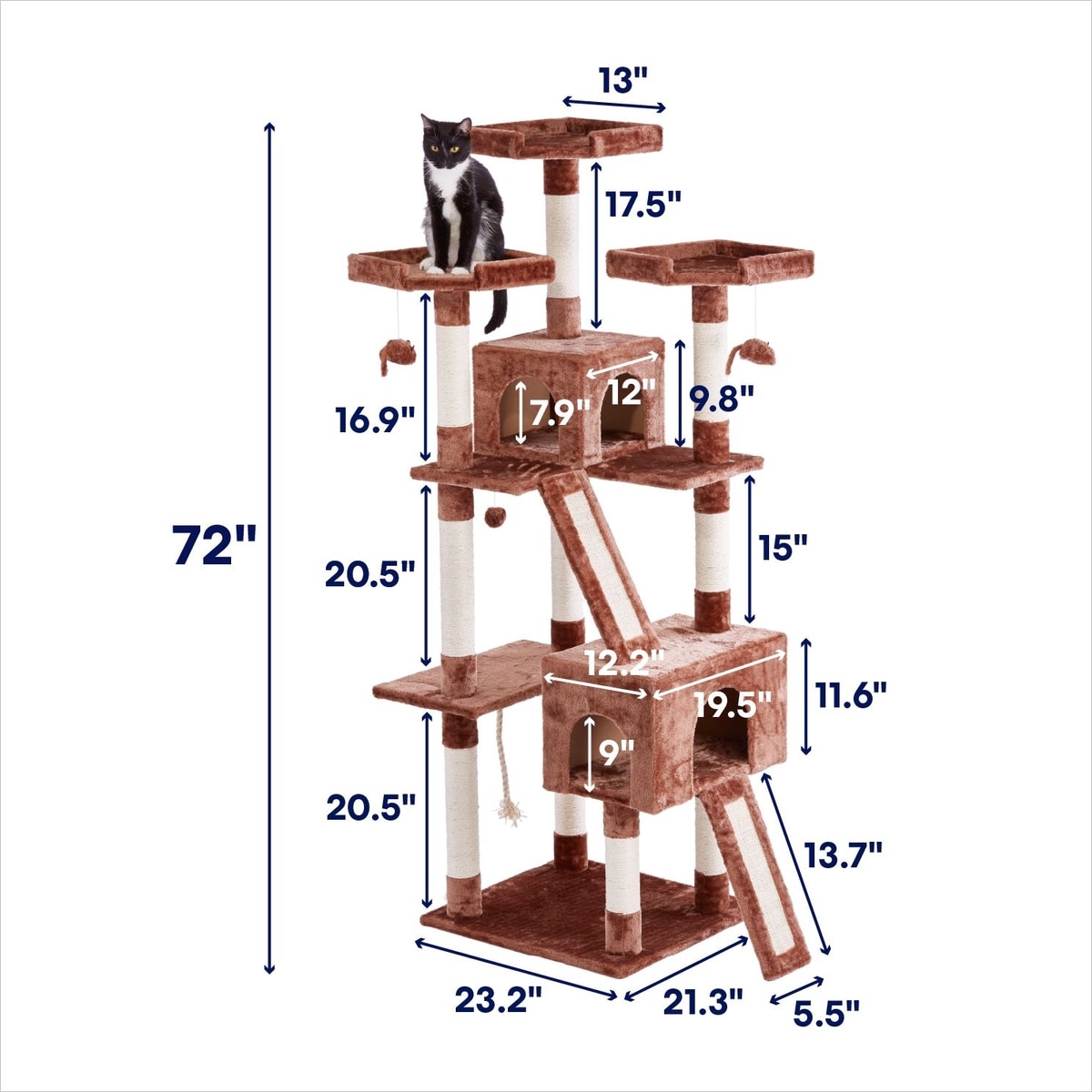
As an Amazon Associate, we may earn from qualifying purchases. Prices and availability are subject to change.
📎 For detailed enrichment strategies, see Indoor vs Outdoor Cats, How to Stop Scratching Furniture, and Stressed & Anxious Cat Guide.
How Much Playtime Does a Cat Need Each Day?
Most cats need 15–30 minutes of interactive play daily, split into 2–3 sessions. The key is quality over quantity — structured play that mimics natural predatory behavior is far more effective than leaving toys scattered around the house.
The AAFP recommends following the hunt-catch-kill-eat cycle: use a wand toy to simulate prey (drag, flutter, pause), let your cat "catch" it after building excitement, then follow playtime with a small meal or treat. This cycle satisfies the predatory instinct and helps prevent nighttime hyperactivity — the classic "3 AM zoomies."
Play Session Best Practices
- Wand toys over laser pointers — Cats need to physically catch something to complete the cycle; lasers cause frustration
- Rotate toys weekly — Novelty drives engagement; store unused toys in a sealed bag with catnip
- Play before meals — Mimics the natural hunt → eat → groom → sleep pattern
- End with a cool-down — Slow the toy movement gradually; never stop abruptly
How Do You Prevent Obesity in a New Cat?
Over 60% of cats in the U.S. are overweight or obese according to the Association for Pet Obesity Prevention (APOP). Excess weight increases the risk of diabetes (4× higher), arthritis, urinary disease, and hepatic lipidosis — a potentially fatal liver condition unique to cats.
| Feeding Method | Pros | Cons | Best For |
|---|---|---|---|
| Free feeding (kibble out all day) | Convenient | Impossible to monitor intake; obesity risk | Underweight cats only |
| Measured meals (2–3×/day) | Portion control, monitors appetite changes | Requires schedule consistency | Most cats (recommended) |
| Puzzle feeder meals | Slows eating, mental stimulation | Learning curve for some cats | Fast eaters, bored indoor cats |
Use a kitchen scale to weigh portions — measuring cups are notoriously inaccurate and can overdeliver by 20–40%. Follow the calorie guidelines on your food's AAFCO label, adjusting for your cat's target weight (not current weight if overweight).
📎 For more, see Cat Weight Management Guide and Wet vs Dry Food.
Why Is Dental Care Critical for Cats?
By age 3, over 70% of cats show signs of dental disease according to the AVMA. Unlike humans, cats don't display obvious pain from dental issues — they simply eat less, groom less, or become withdrawn. This makes dental disease one of the most under-diagnosed conditions in feline medicine.
The VOHC (Veterinary Oral Health Council) recommends:
- Daily brushing — Use cat-specific enzymatic toothpaste (never human toothpaste) with a finger brush or small-head brush
- VOHC-accepted dental treats — Greenies Feline or similar products with proven plaque reduction
- Annual professional cleanings — Under anesthesia for full subgingival evaluation and cleaning
- Watch for warning signs — Bad breath, drooling, pawing at mouth, dropping food, red gums
📎 See our detailed guides: Cat Teeth Cleaning Guide and Pet Dental Care.
The Bottom Line
New cat ownership doesn't require perfection — it requires preparation. By focusing on these six foundational areas — home setup, litter box management, veterinary care, enrichment, play, and weight/dental monitoring — you'll build the habits that determine whether your cat lives 8 years or 18. The investment is small; the return is a healthier, happier cat and fewer emergency vet bills.
References
- ASPCA. "General Cat Care." aspca.org
- Cornell Feline Health Center. "Bringing Your New Cat Home." Cornell University.
- AAHA. "AAHA/AAFP Feline Life Stage Guidelines." Journal of Feline Medicine and Surgery.
- AAFP. "Environmental Needs Guidelines for Cats." American Association of Feline Practitioners.
- Association for Pet Obesity Prevention. "2025 U.S. Pet Obesity Prevalence Survey."
- AVMA. "Pet Dental Care." American Veterinary Medical Association.
- VOHC. "VOHC Accepted Products." Veterinary Oral Health Council.
Disclaimer: This article is for informational purposes only and does not replace professional veterinary advice. Always consult your veterinarian before making changes to your cat's healthcare routine.