The best diet for healthy skin and coat in dogs is an AAFCO-complete food rich in Omega-3 fatty acids (EPA and DHA from fish oil) and Omega-6 (linoleic acid), with a 5:1 to 10:1 Omega-6:Omega-3 ratio, plus zinc, biotin, and Vitamin E. Visible coat improvements typically appear after 4–8 weeks, with full results at 12 weeks.
Up to 30% of a dog's daily protein requirement goes toward skin and coat maintenance, making nutrition the single biggest factor in coat quality. Essential fatty acids — specifically the ratio of Omega-6 to Omega-3 — regulate skin barrier function, inflammation, and hair growth. An optimal ratio of 5:1 to 10:1 (Omega-6:Omega-3) is recommended by veterinary dermatologists.
What's the difference between Omega-3 and Omega-6 for dogs?
Both are essential fatty acids dogs cannot synthesize on their own. The American Animal Hospital Association (AAHA) and American Veterinary Medical Association (AVMA) recognize both as foundational to canine dermatologic health. Omega-6 supports the skin's lipid barrier, while Omega-3 (EPA + DHA) actively reduces inflammation linked to atopic dermatitis.
| Fatty Acid | Function | Sources |
|---|---|---|
| Omega-6 (Linoleic Acid) | Skin barrier integrity, coat texture | Chicken fat, sunflower oil, safflower oil |
| Omega-3 (EPA) | Anti-inflammatory, reduces itching | Fish oil, salmon, sardines |
| Omega-3 (DHA) | Brain development, retinal health | Fish oil, algae oil |
Which nutrients are essential for a healthy dog coat?
Beyond fatty acids, the National Research Council (NRC) and Association of American Feed Control Officials (AAFCO) identify several micronutrients critical to keratin production and skin cell turnover. Deficiencies are especially common in breeds like the Siberian Husky, Alaskan Malamute, and Doberman Pinscher.
- Zinc — Deficiency causes hair loss and crusting. Huskies and Malamutes are genetically predisposed to zinc-responsive dermatosis
- Biotin (Vitamin B7) — Supports keratin production. Found in eggs, liver, and sweet potatoes
- Vitamin E — Antioxidant that protects skin cells from oxidative damage
- Protein quality — High digestibility proteins provide more bioavailable amino acids for coat growth
How do you improve your dog's skin and coat through diet?
Follow this veterinarian-informed 12-week protocol. Total time: ~12 weeks (one full hair growth cycle). Supplies: AAFCO-complete dog food, veterinary fish oil (EPA+DHA), digital kitchen scale, and a camera for weekly progress photos.
- 1Audit current food. Review your dog's current food label for AAFCO compliance, named protein sources, and Omega-6:Omega-3 ratio. Aim for 5:1 to 10:1.
- 2Choose a coat-supportive diet. Select an AAFCO-complete diet with named animal protein first, added fish oil or flaxseed, zinc, biotin, and Vitamin E.
- 3Add an Omega-3 supplement. Dose fish oil at 75–100 mg combined EPA+DHA per kg body weight daily. Use a veterinary-grade product to avoid contaminants.
- 4Transition gradually. Switch foods over 7–10 days (25%/50%/75%/100%) to avoid GI upset and allow the microbiome to adapt.
- 5Track results weekly. Photograph the coat weekly under consistent lighting and note itching, dandruff, and shedding to measure progress objectively.
- 6Reassess at 12 weeks. Evaluate full results after one complete hair growth cycle (~12 weeks). If no improvement, consult your veterinarian to rule out hypothyroidism, allergies, or parasites.
Important Notice
This article is for informational purposes only. Persistent skin and coat issues may indicate underlying medical conditions. Consult your veterinarian or a veterinary dermatologist for diagnosis and treatment.
Best Products for Dog Skin & Coat Health (Vet-Informed System)
The products below map directly to our 6-step system for improving your dog's skin and coat through nutrition. Each recommendation supports a specific stage — from choosing an AAFCO-complete, omega-rich food, to layering in EPA/DHA supplementation, to easing the transition with a probiotic. Used together over a full 12-week hair growth cycle, they give you the best chance at measurable improvement in coat shine, itching, dandruff, and shedding.
Steps 1–2: Coat-Supportive Dog Food (AAFCO Complete + Omega Rich)
Start with a complete-and-balanced diet built around a named fish protein and added omega fatty acids — the foundation for any skin and coat protocol.
Best Dog Food for Itchy Skin & Dull Coats
Salmon-first, AAFCO-complete formulas with built-in omega support. These cover the bulk of your dog's daily fatty-acid needs before any supplementation.

Purina Pro Plan Sensitive Skin & Stomach Salmon & Rice
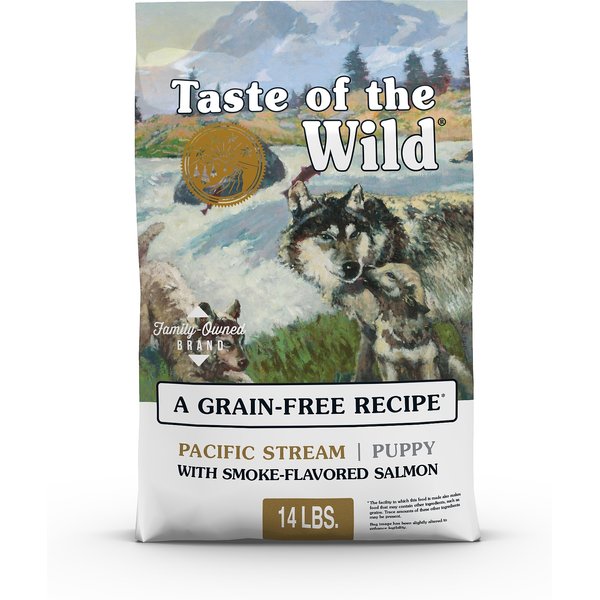
Taste of the Wild Pacific Stream Salmon Recipe

American Journey Salmon & Sweet Potato Recipe
As an Amazon Associate, we may earn from qualifying purchases. Prices and availability are subject to change.
Step 3: Omega-3 Supplements (EPA + DHA Support)
Layer a fish oil supplement on top of food to hit the therapeutic 75–100 mg EPA+DHA per kg of body weight dose for skin conditions. Choose a veterinary-grade product to avoid heavy-metal contamination.
Top Omega-3 Fish Oil for Dogs
Concentrated EPA and DHA from purified marine sources — the single most evidence-backed supplement for canine skin and coat health.
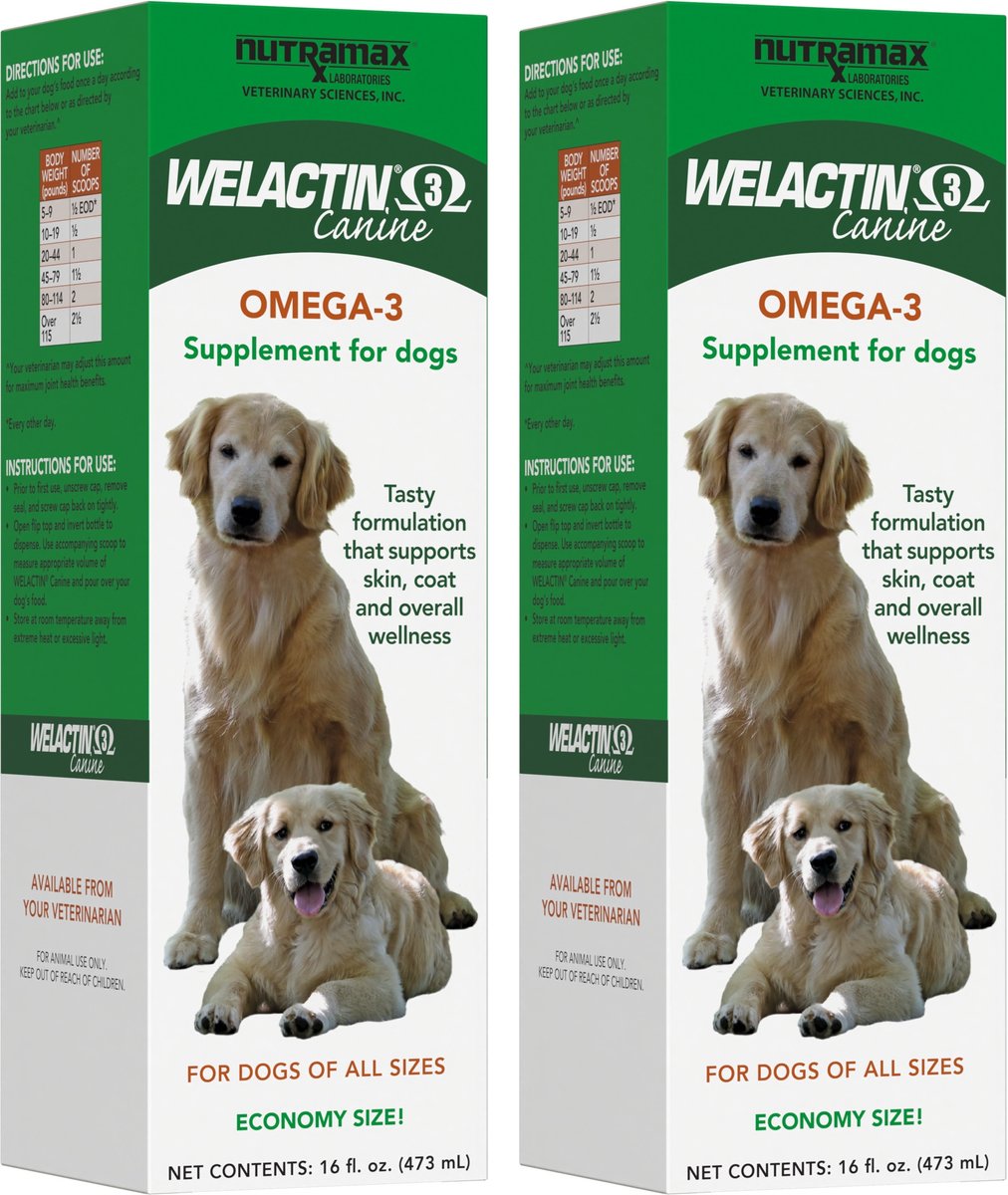
Nutramax Welactin Omega-3 Softgels
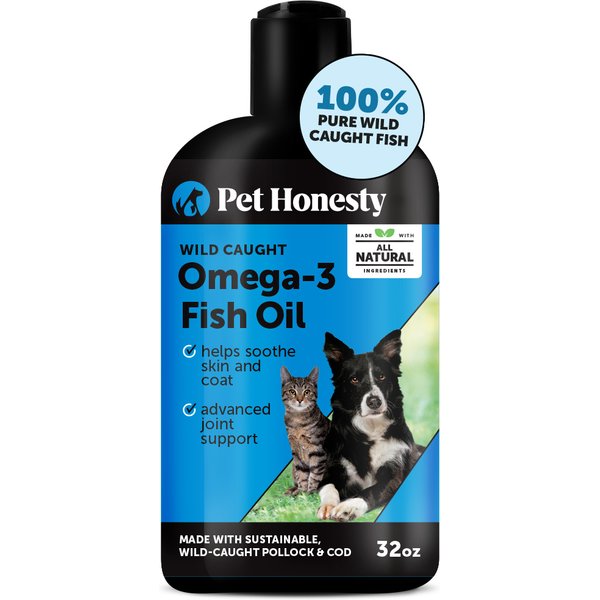
Grizzly Omega Health Fish Oil

Nordic Naturals Omega-3 Pet Liquid
As an Amazon Associate, we may earn from qualifying purchases. Prices and availability are subject to change.
Step 4: Transition Support (Optional Add-On)
Switching foods can trigger short-term GI upset. A veterinary probiotic during the 7–10 day transition keeps the microbiome stable so your dog actually finishes the switch.
Probiotic for Smooth Food Transitions
The probiotic strain most commonly prescribed by veterinarians for diet changes and transient digestive upset.
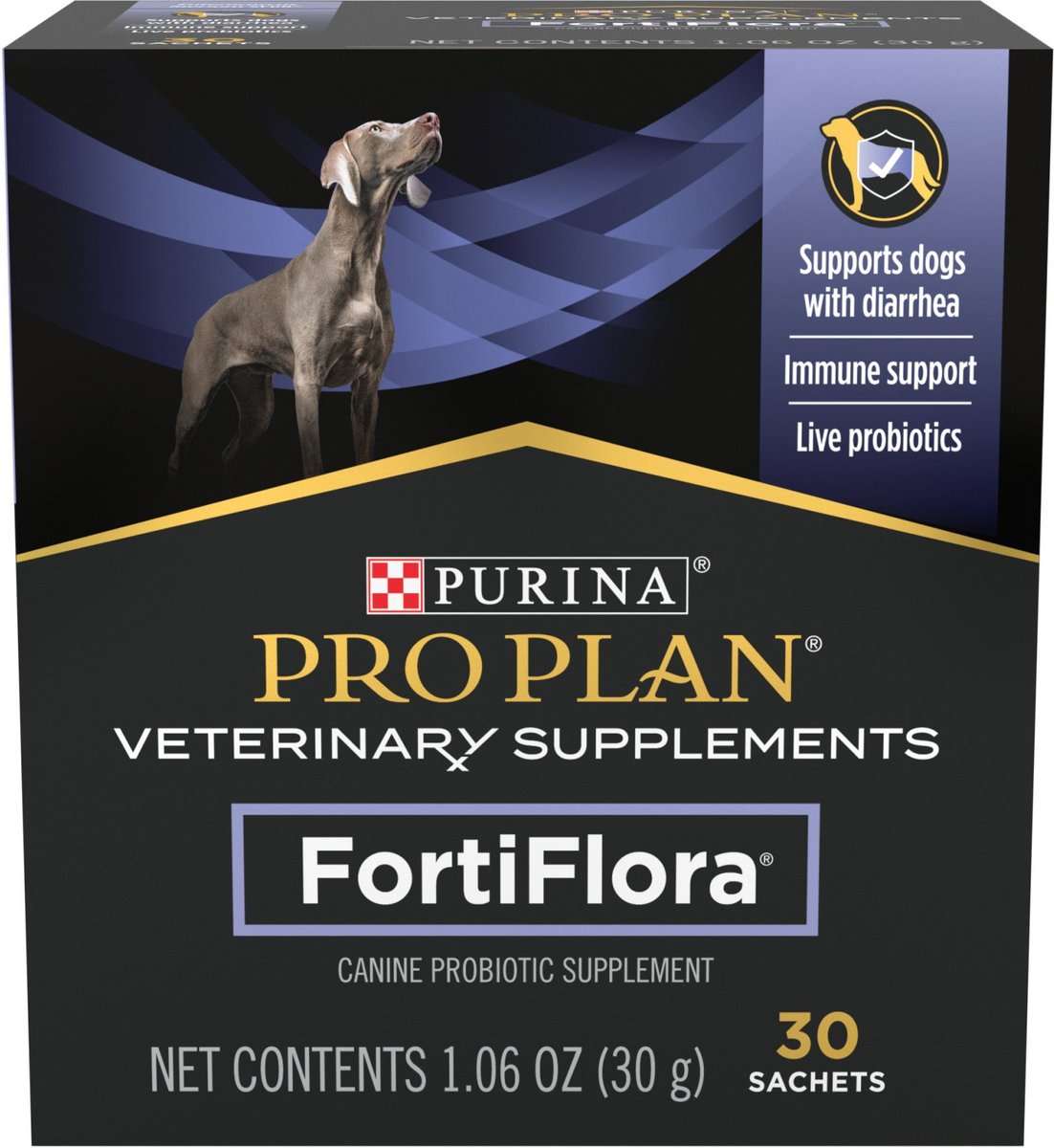
As an Amazon Associate, we may earn from qualifying purchases. Prices and availability are subject to change.
Step 5: Tracking Progress (Weekly Check-In, No Products Needed)
Photograph your dog under consistent lighting once a week and score these four markers on a 1–5 scale. Objective tracking is the only way to know whether the protocol is actually working.
Weekly Skin & Coat Checklist
- Coat shine — gloss and reflectivity under natural light
- Itching — scratching, biting, and rubbing frequency
- Dandruff — visible flaking on coat, bedding, or grooming brush
- Shedding — volume of hair lost during brushing sessions
Step 6: Reassessment at 12 Weeks
No improvement after 12 weeks?
If you've completed one full hair growth cycle on a coat-supportive diet plus omega-3 supplementation with no measurable change, schedule a veterinary exam. Hypothyroidism, environmental allergies, food allergies, and parasitic infections all mimic nutritional coat problems and require diagnostic workup. Explore more dog nutrition guides at our Dog Care hub.
References
- American Veterinary Medical Association (AVMA) — Nutritional Assessment Guidelines for Dogs and Cats.
- American Animal Hospital Association (AAHA) — Nutrition and Weight Management Guidelines.
- National Research Council (NRC) — Nutrient Requirements of Dogs and Cats (2006).
- Bauer, J.E. — "Therapeutic use of fish oils in companion animals." Journal of the American Veterinary Medical Association, 2011.
- World Small Animal Veterinary Association (WSAVA) — Global Nutrition Guidelines.
- AAFCO — Official Publication: Dog Food Nutrient Profiles.