Dog skin problems — including allergies, hot spots, fungal infections, and mange — account for 25% of all veterinary visits. Environmental allergies are the most common cause, followed by food sensitivities and parasites. Treatment depends on the underlying cause and ranges from dietary changes to prescription medications. This guide covers identification, severity assessment, treatment comparisons, and prevention — backed by the AKC, Merck Veterinary Manual, and the American College of Veterinary Dermatology (ACVD).
📚 Part of our Dog Health Issues collection · See also: Common Dog Health Problems overview
What Are the Most Common Dog Skin Problems?
Environmental Allergies (Atopic Dermatitis)
The most common skin condition in dogs, affecting 10–15% of all breeds. Triggered by pollen, dust mites, mold, and grass. Symptoms typically appear between ages 1–3 and worsen seasonally. Common signs include itching of the face, ears, paws, and belly (AKC).
Food Allergies & Sensitivities
True food allergies cause year-round itching, often accompanied by GI symptoms. The most common allergens are beef, dairy, chicken, and wheat. Diagnosis requires an 8–12 week elimination diet trial — blood tests are unreliable for food allergies (ACVD). Our limited ingredient diets guide covers the elimination protocol in detail.
Hot Spots (Acute Moist Dermatitis)
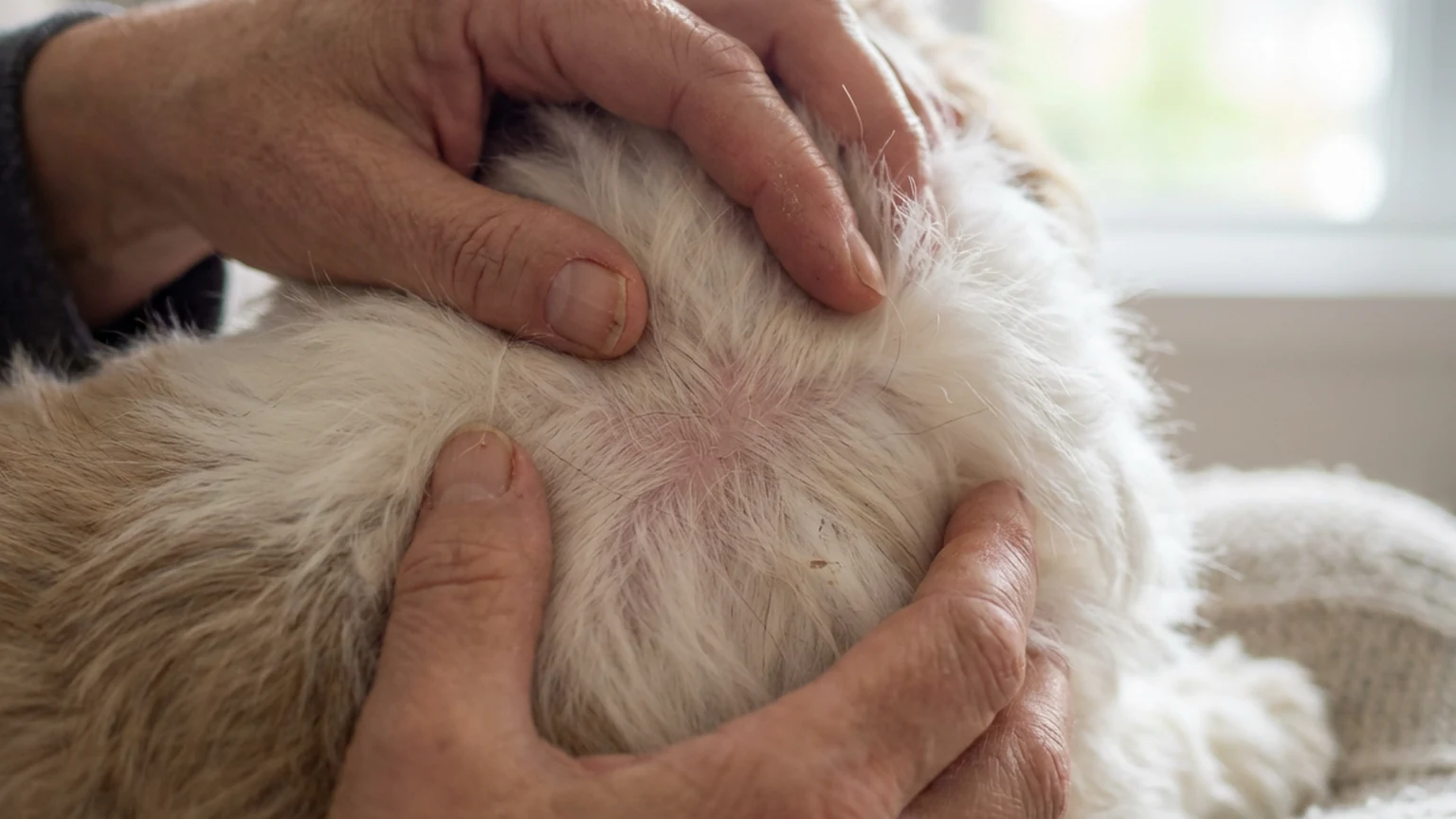
Red, moist, irritated lesions that develop rapidly — often overnight. Common in breeds with thick coats (Golden Retrievers, German Shepherds). Usually triggered by an underlying itch from allergies, insect bites, or matted fur. Without treatment, hot spots can spread quickly.
Flea Allergy Dermatitis (FAD)
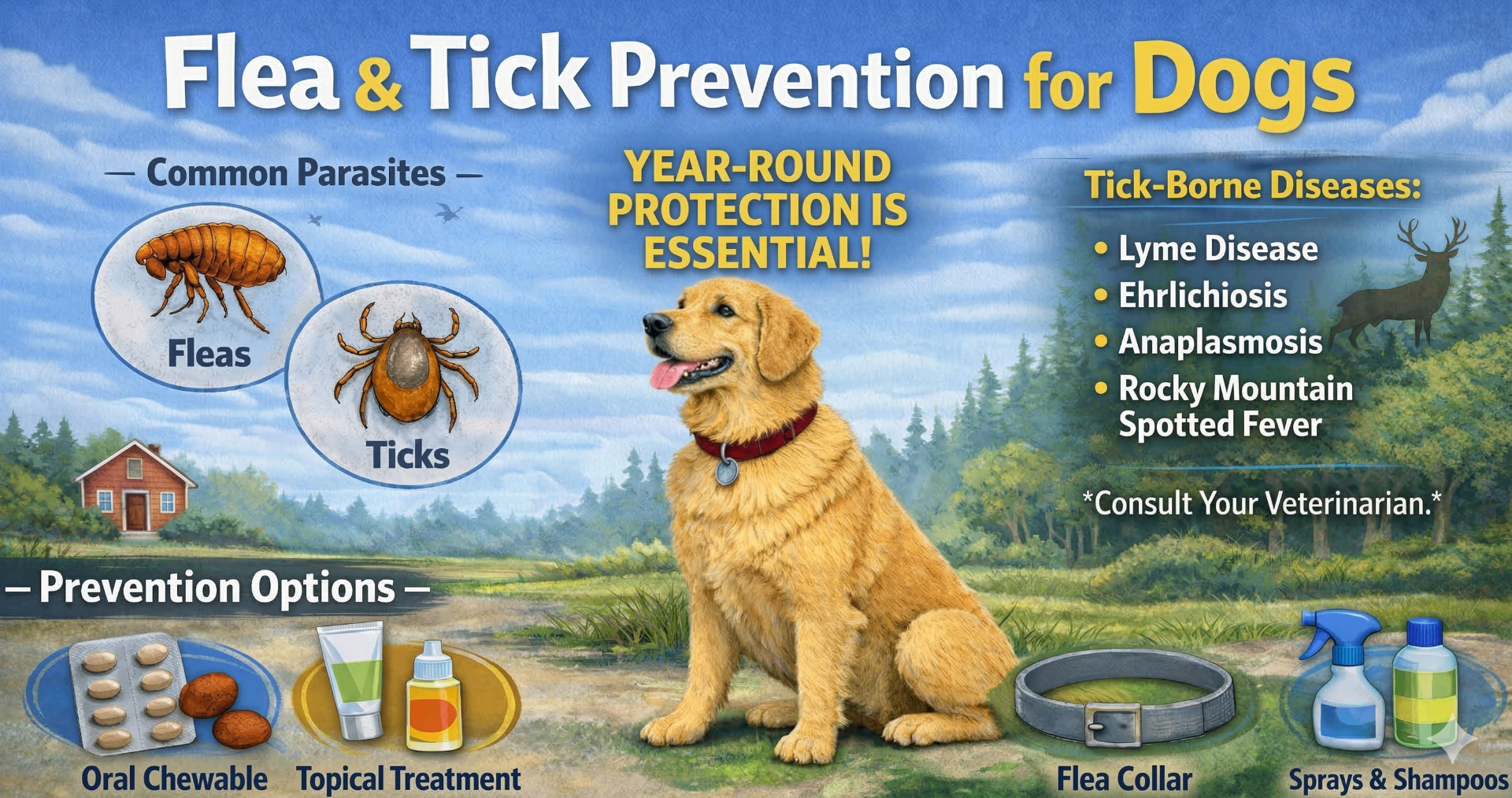
The most common skin disease in dogs worldwide. A single flea bite can trigger intense itching in sensitized dogs, typically concentrated on the lower back, tail base, and inner thighs. Year-round flea prevention is the only effective treatment — see our tick & flea prevention guide.
Fungal Infections (Ringworm & Yeast)
Ringworm causes circular bald patches with scaly edges and is contagious to humans. Yeast infections (Malassezia) cause greasy, smelly skin — especially in skin folds, ears, and between toes. Both require specific antifungal treatment (Merck Veterinary Manual).
Mange (Mites)
Two types: sarcoptic mange (intensely itchy, contagious) and demodectic mange (less itchy, related to immune function). Sarcoptic mange requires aggressive treatment; demodectic mange in puppies often resolves with a maturing immune system (Merck Veterinary Manual).
How Serious Is My Dog's Skin Problem? Severity Guide
| Severity | Signs | Action |
|---|---|---|
| Mild | Occasional scratching, small dry patches, dull coat | Improve diet, add omega-3s, monitor for 1–2 weeks |
| Moderate | Frequent itching, hair loss, recurrent ear infections, hot spots | Schedule vet appointment within 1 week |
| Severe | Open sores, rapid spreading, intense distress, skin lumps | See vet within 24–48 hours |
Treatment Options Compared
| Treatment | Best For | Est. Cost | Timeline |
|---|---|---|---|
| Omega-3 supplements | Dry skin, dull coat, mild allergies | $15–$40/mo | 4–6 weeks |
| Medicated shampoo | Bacterial/yeast infections, hot spots | $15–$30 | 1–2 weeks |
| Antihistamines (OTC) | Mild seasonal allergies | $10–$20/mo | Days |
| Apoquel (Rx) | Moderate–severe allergic itch | $60–$120/mo | 4–24 hours |
| Cytopoint (Rx injection) | Allergic dermatitis, long-term control | $50–$150/dose | 4–8 weeks/dose |
| Elimination diet | Suspected food allergy | $50–$100/mo | 8–12 weeks |
How to Prevent Dog Skin Problems
- Year-round flea prevention — eliminates the #1 cause of skin disease worldwide
- High-quality diet with omega-3s — supports skin barrier function (see our skin & coat nutrition guide)
- Regular grooming — removes allergens, prevents matting, allows early detection
- Wipe paws after walks — reduces environmental allergen exposure
- Regular ear cleaning — especially for floppy-eared breeds
Important Notice
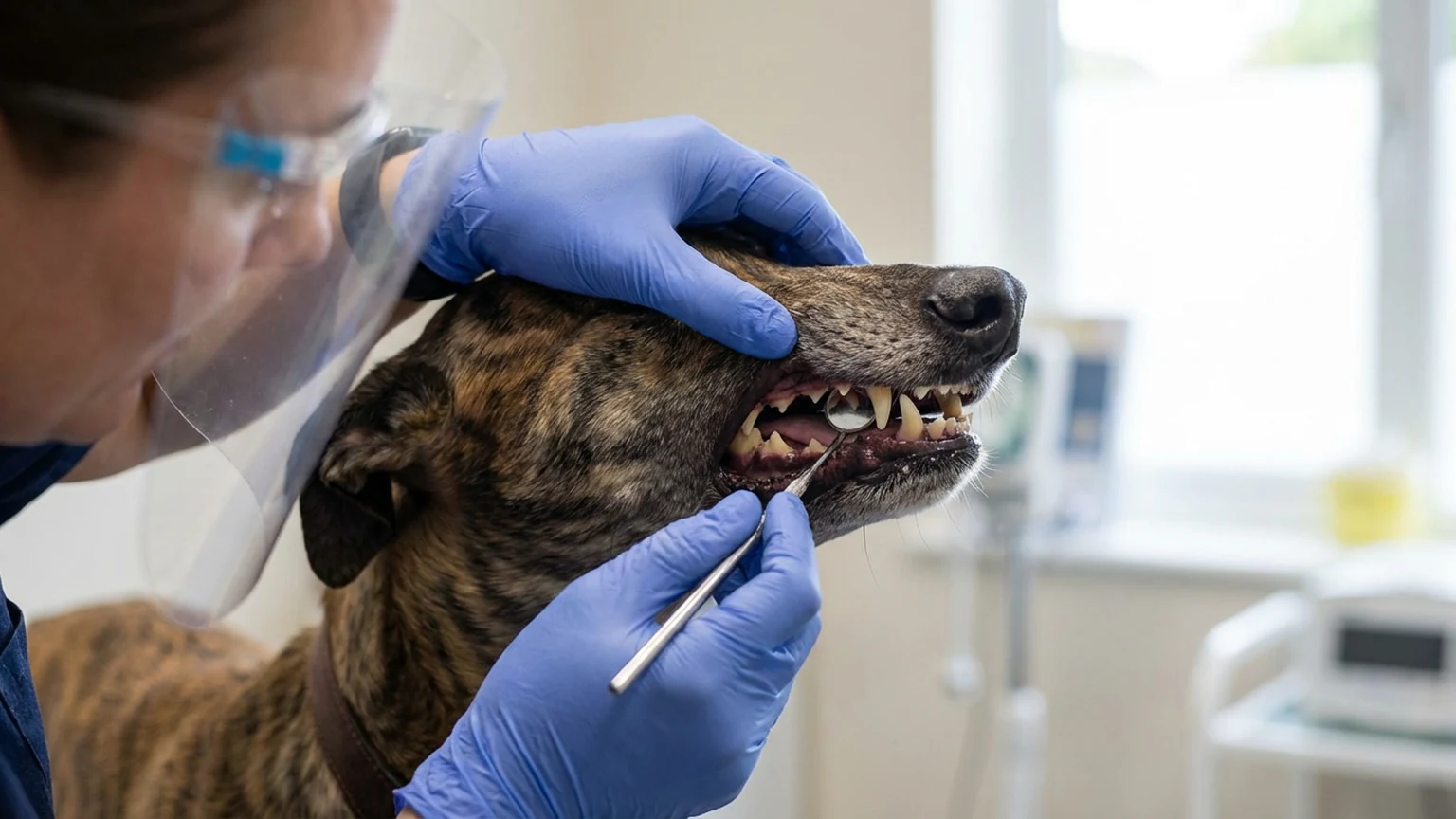
This article is for informational purposes only and should not replace professional veterinary care. Skin conditions can have many overlapping causes — accurate diagnosis requires veterinary examination and sometimes skin scraping, cultures, or allergy testing.
Related Reading
References
- American Kennel Club (AKC). Dog Skin Allergies. akc.org
- Merck Veterinary Manual. Dermatitis in Dogs. merckvetmanual.com
- American College of Veterinary Dermatology (ACVD). Food Allergy Diagnosis in Dogs. acvd.org
- American Veterinary Medical Association (AVMA). Common Pet Skin Conditions. avma.org