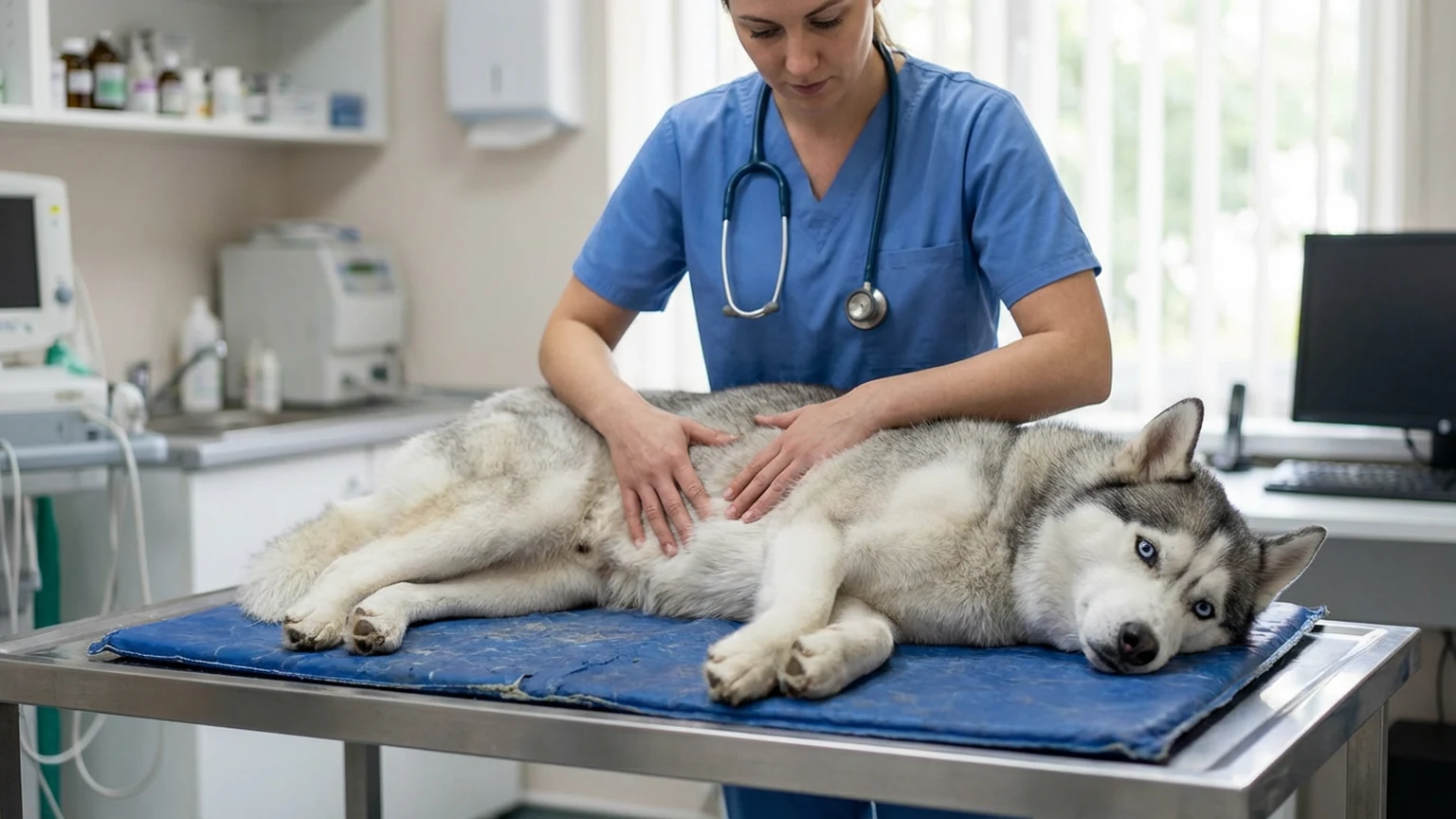
The six most common dog health problems are dental disease (affecting 80% of dogs by age 3), skin conditions, ear infections, joint and mobility issues, digestive problems, and obesity. Regular veterinary checkups and breed-specific screening can prevent most conditions from becoming serious or costly. This pillar guide covers each condition in detail — with symptoms, prevention strategies, and links to our in-depth resources — backed by AVMA, AAHA, AKC, and Merck Veterinary Manual data.
📚 This article is part of our Dog Health Issues collection — your complete hub for understanding and managing canine health conditions.
1. Dental Disease — The #1 Diagnosed Condition
Periodontal disease is the single most commonly diagnosed condition in dogs. By age 3, approximately 80% of dogs show signs of dental disease (AVMA). Left untreated, bacteria from infected gums can enter the bloodstream and damage the heart, liver, and kidneys.
Key Warning Signs
- Bad breath (halitosis) that doesn't improve
- Red, swollen, or bleeding gums
- Difficulty eating or dropping food
- Yellow-brown tartar buildup on teeth
👉 Deep dive: Dog Dental Disease: Signs, Costs & Prevention
2. Skin & Coat Problems — The Most Visible Health Issue
Skin conditions account for approximately 25% of all veterinary visits (Merck Veterinary Manual). Allergies (environmental and food), hot spots, fungal infections, and parasites are the most common culprits. Diet plays a larger role than most owners realize — essential fatty acid deficiencies often manifest as skin problems first.
Key Warning Signs
- Excessive scratching, licking, or chewing
- Hair loss or bald patches
- Red, inflamed, or flaky skin
- Recurrent ear infections (often allergy-related)
👉 Deep dive: Dog Skin Problems: Causes, Symptoms & Treatments
3. Ear Infections — Painful and Often Recurring
Ear infections (otitis externa) affect approximately 20% of dogs, with floppy-eared breeds like Cocker Spaniels, Basset Hounds, and Golden Retrievers at highest risk (AKC). Most ear infections are secondary to allergies, moisture buildup, or anatomical factors.
Key Warning Signs
- Head shaking or tilting
- Scratching at the ear or surrounding area
- Odor or discharge from the ear canal
- Redness or swelling inside the ear flap
Chronic ear infections often signal an underlying allergy. If your dog gets more than 2 ear infections per year, ask your vet about allergy testing (AKC). See also our skin problems guide — ear infections and skin allergies are frequently linked.
4. Joint & Mobility Issues — The Silent Epidemic
Hip dysplasia, cruciate ligament tears, and arthritis affect up to 25% of all dogs (AKC). Large and giant breeds are disproportionately affected, but even small dogs develop age-related joint problems. Dogs instinctively hide pain, so joint issues often go undetected until they're advanced.
Key Warning Signs
- Reluctance to jump, climb stairs, or play
- Stiffness after rest or in cold weather
- "Bunny hopping" gait or lameness in hind legs
- Decreased energy or reluctance to exercise
👉 Deep dive: Joint Problems in Dogs: Arthritis, Hip Dysplasia & Mobility
5. Digestive Problems — The Most Alarming for Owners
Vomiting, diarrhea, and food sensitivities are among the top reasons owners rush to the vet. While most GI episodes resolve on their own, some — like bloat (GDV) in large breeds — are life-threatening emergencies. Dietary indiscretion (eating things they shouldn't) is the most common cause (Merck Veterinary Manual).
Key Warning Signs
- Vomiting more than twice in 24 hours
- Diarrhea lasting more than 48 hours
- Blood in stool or vomit
- Bloated, distended abdomen (emergency)
👉 Deep dive: Dog Digestive Problems: Vomiting, Diarrhea & Food Sensitivities
6. Obesity — The Preventable Epidemic
An estimated 59% of U.S. dogs are overweight or obese (APOP 2024). Excess weight shortens lifespan by up to 2.5 years and dramatically increases the risk of diabetes, joint disease, heart disease, and certain cancers. Unlike other conditions on this list, obesity is almost entirely preventable.
Key Warning Signs
- Can't easily feel ribs under a thin fat layer
- No visible waist when viewed from above
- Belly hangs lower than chest level
- Labored breathing during mild exercise
Learn body condition scoring and safe weight loss protocols in our dog weight management guide.
When to See the Vet: Emergency Reference Table
| Symptom | Urgency | Action |
|---|---|---|
| Difficulty breathing | Emergency | Go to ER vet immediately |
| Bloated abdomen | Emergency | Go to ER vet immediately (possible GDV) |
| Seizures | Emergency | Go to ER vet immediately |
| Vomiting >24 hours | Urgent | Same-day vet appointment |
| Limping >48 hours | Urgent | Vet appointment within 1–2 days |
| Persistent scratching | Schedule | Book routine vet appointment |
| Bad breath / tartar | Schedule | Discuss at next checkup |
How to Prevent Most Common Dog Health Problems
The good news: most common health problems are preventable or manageable with consistent care. Here's your prevention checklist:
- Annual vet checkups (twice yearly for seniors 7+)
- Daily dental brushing — reduces plaque by 76%
- Year-round parasite prevention (flea, tick, heartworm)
- Proper nutrition matched to life stage and breed size
- Weight monitoring with body condition scoring
- Breed-specific screening for genetic conditions
Important Notice
This article is for informational purposes only and should not replace professional veterinary care. If your dog is showing signs of illness, contact your veterinarian. In emergencies, go to your nearest emergency veterinary clinic immediately.
Related Reading
References
- American Veterinary Medical Association (AVMA). Pet Dental Care. avma.org
- American Kennel Club (AKC). Common Dog Health Problems. akc.org
- American Animal Hospital Association (AAHA). Preventive Healthcare Guidelines. aaha.org
- Merck Veterinary Manual. Dermatitis in Dogs. merckvetmanual.com
- Association for Pet Obesity Prevention (APOP). 2024 Pet Obesity Survey Results. petobesityprevention.org