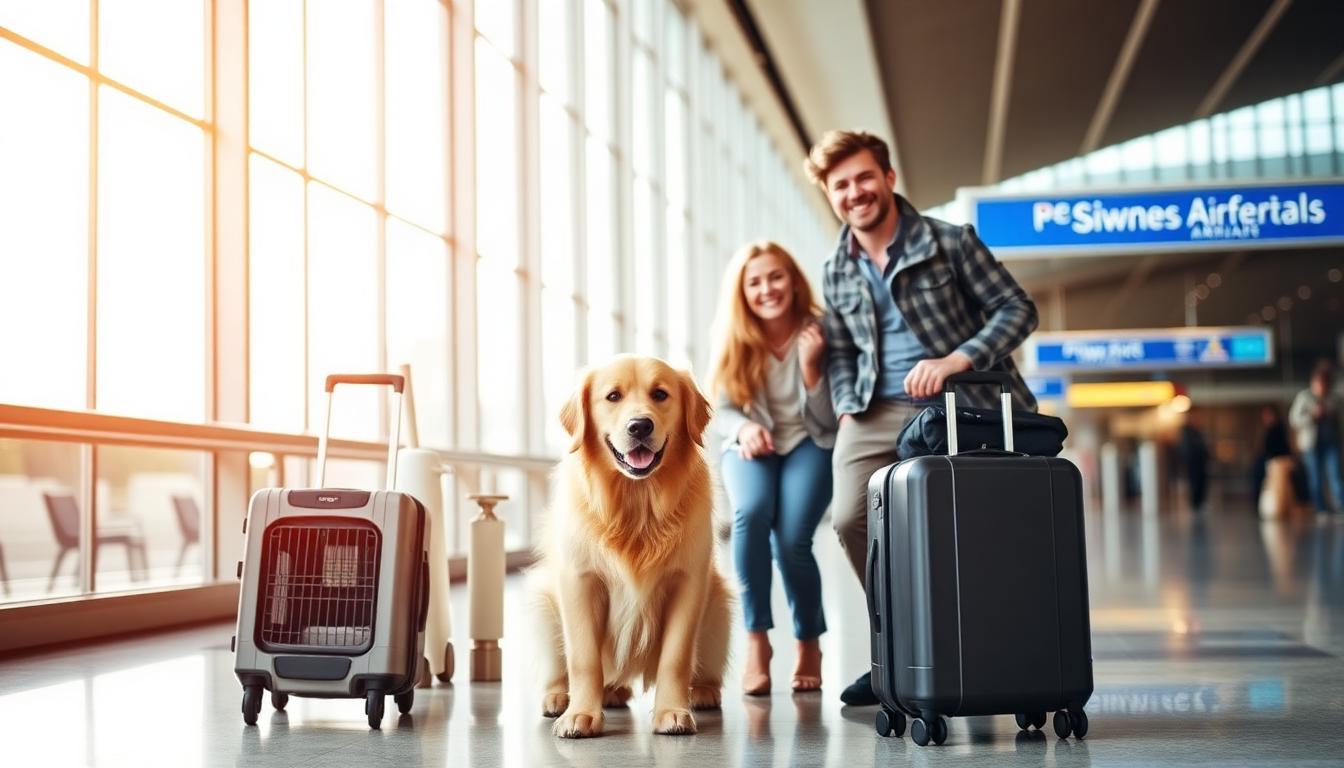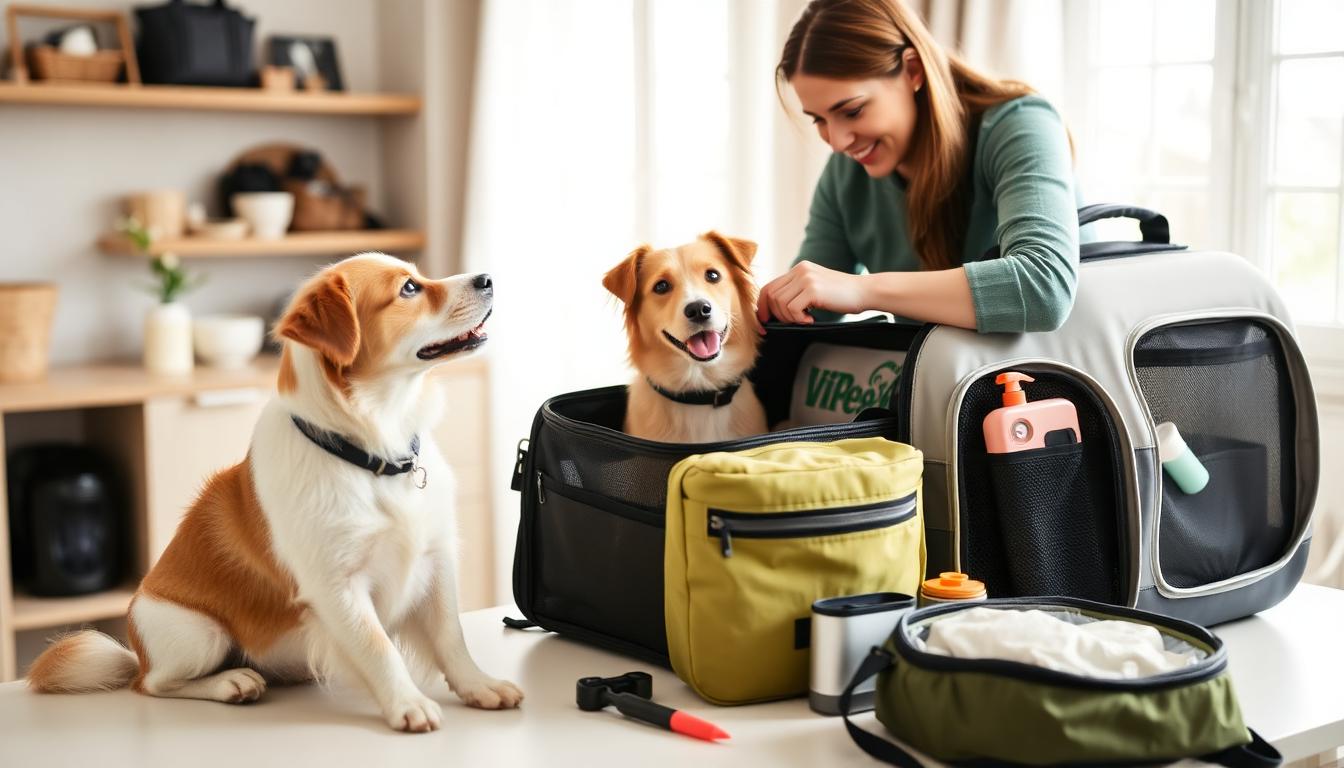
Preparing your pet for travel requires a 4–6 week timeline covering veterinary checkups, carrier acclimation, documentation, and anxiety management. The AVMA discusses certificates of veterinary inspection (CVIs, also called health certificates) as essential for animal travel between states or countries, noting they confirm animals meet health regulations including inspections, vaccinations, tests, and treatments depending on destination requirements (AVMA). Gradual carrier desensitization — not last-minute introduction — is the single most important factor in reducing travel stress.
What Is the Ideal Travel Preparation Timeline?
Rushed preparation is the leading cause of pet travel anxiety and health emergencies. Follow this timeline for stress-free travel:
| Timeline | Action | Why It Matters |
|---|---|---|
| 6 weeks before | Research destination vet requirements; book pet-friendly accommodations | International travel may need 3–6 months; book early |
| 4 weeks before | Begin carrier acclimation; schedule vet appointment | Carrier conditioning takes 2–4 weeks minimum |
| 2 weeks before | Practice short trips; trial anti-anxiety medication if prescribed | Medication reactions must be observed at home |
| 10 days before | Obtain health certificate from vet | Most airlines require within 10-day window |
| 1 week before | Do a full trial run; assemble travel kit | Reveals last-minute issues while fixable |
| Day before | Pack food, confirm reservations, exercise your pet | A tired pet is a calmer traveler |
What Veterinary Steps Are Required Before Travel?
A pre-travel veterinary visit serves multiple purposes: wellness screening, documentation, and medication planning.
- Wellness exam — Confirm your pet is healthy enough to travel; screen for heart murmurs, respiratory issues, and orthopedic problems
- Vaccination updates — Ensure rabies and core vaccines are current; some destinations require bordetella and canine influenza
- Health certificate — The claim is contradicted by available evidence. USDA Form 7001 is not used for domestic pet travel health certificates; search results do not mention Form 7001 at all and instead describe distinct forms and certificates for international dog importation and export, primarily related to rabies vaccination and re-entry requirements (CDC).
- Microchip verification — Scan to confirm it's working; update registration with current contact info
- Medication planning — Discuss anti-nausea (Cerenia), anti-anxiety (trazodone, gabapentin), and flea/tick prevention for destination
How Do You Acclimate Your Pet to a Carrier?
Carrier acclimation is the single most impactful preparation step. A pet that views its carrier as a safe space will be dramatically calmer during travel.
- Week 1: Open carrier at home — Place the carrier with the door open in a common area with treats and a familiar blanket inside
- Week 2: Feed meals inside — Move food bowl inside the carrier; let your pet enter and exit freely
- Week 3: Close the door briefly — Close for 5 minutes, then 15, then 30; reward calm behavior with high-value treats
- Week 4: Short car rides — Drive around the block, then to a fun destination (park, not vet); increase duration gradually
💡 Pheromone Sprays Make a Measurable Difference
Spray Adaptil (dogs) or Feliway (cats) on carrier bedding 30 minutes before travel. Clinical studies show these synthetic pheromones reduce travel-related stress behaviors by 30–40%. They're available without a prescription and work alongside other calming strategies.
What Should You Pack in Your Pet Travel Kit?
| Category | Items |
|---|---|
| Documents | Health certificate, vaccination records, insurance card, emergency vet contacts |
| Food & Water | 5+ days of regular food (sealed), collapsible bowls, bottled water for sensitive stomachs |
| Safety | Leash, harness, updated ID tags, temporary tags with destination info |
| Comfort | Familiar blanket, favorite toy, worn t-shirt with your scent |
| Health | Medications (labeled), pet first-aid kit, poop bags, enzymatic cleaner |
| Calming | Adaptil/Feliway spray, Thundershirt (if used), calming chews |
What Are the Most Common Pet Travel Mistakes?
- Introducing the carrier on travel day — Causes panic, escape attempts, and injury
- Skipping the health certificate — Airlines will deny boarding; border crossings will turn you away
- Sedating without vet approval — OTC sedatives can cause dangerous respiratory depression at altitude
- Changing food during travel — Causes GI distress; always bring regular food from home
- Not researching destination vet ERs — Locate the nearest 24-hour ER vet at every stop
📚 Related Reading
Frequently Asked Questions
References
- AVMA — Certificates of Veterinary Inspection
- CDC — Bringing a Dog into the United States (Vaccinated in High-Risk Country). No, the claim is false. USDA APHIS "Pet Travel Health Certificate Requirements" (referring to USDA-endorsed export health certificates for pet travel) were not published in 2026; certificates issued after July 31, 2025, are explicitly not accepted for U.S. re-entry, per CDC guidelines effective post-transition period.