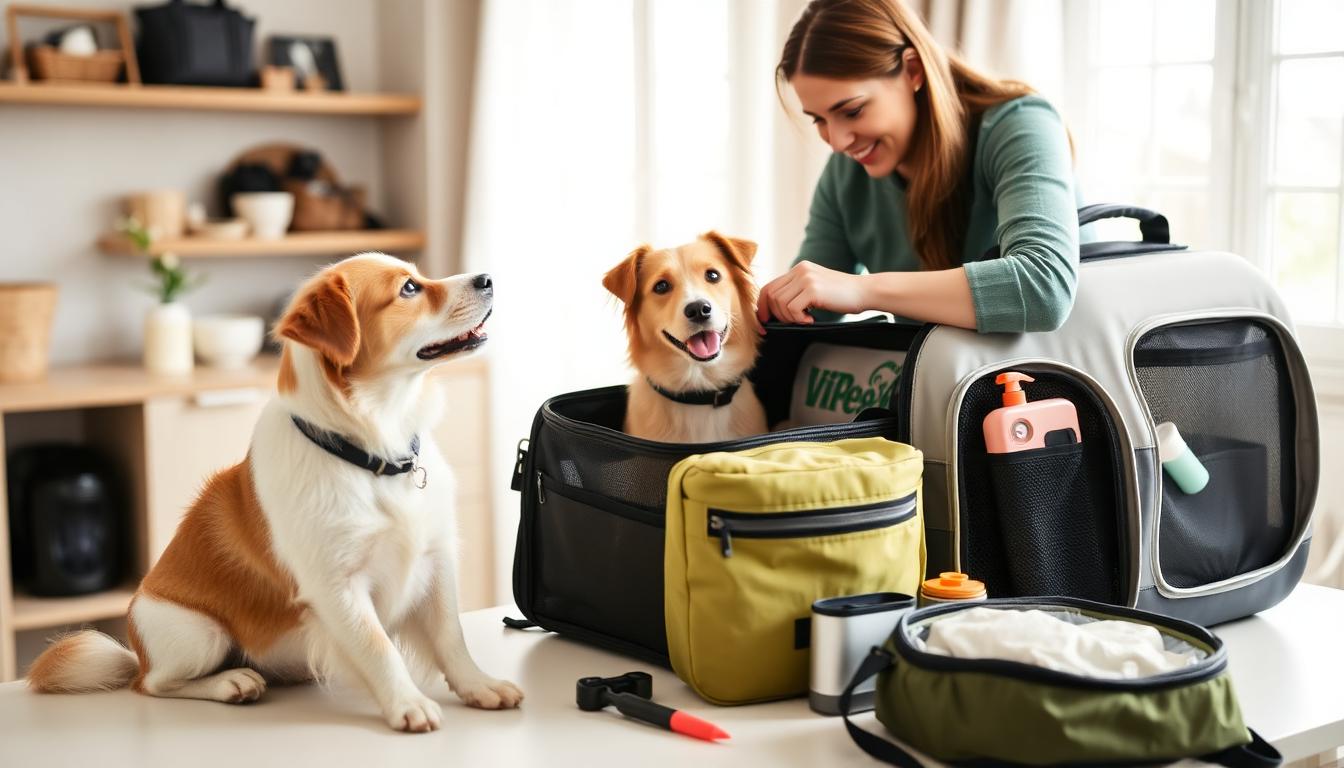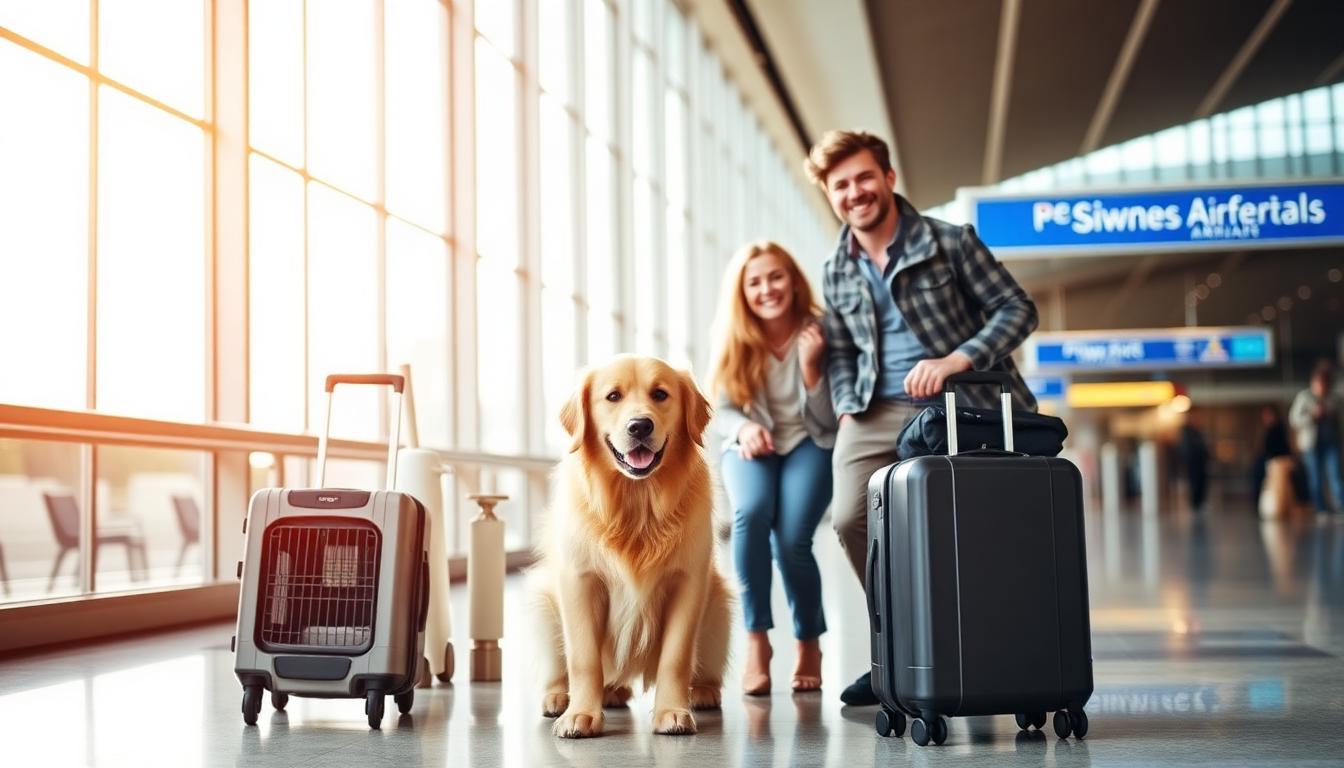
Traveling with pets in 2026 requires advance planning across documentation, transportation mode, and accommodation. The AVMA recommends obtaining a health certificate within 10 days of departure, ensuring microchip registration is current, and acclimating your pet to their carrier at least 2–4 weeks before travel. In-cabin airline fees average $125–$200 each way, while pet-friendly hotel fees range $25–$150 per night.
What Documentation Does Your Pet Need to Travel?
Documentation requirements vary dramatically between domestic and international travel. Missing a single document can result in your pet being denied boarding or quarantined at the destination.
| Document | Domestic (U.S.) | International |
|---|---|---|
| Health certificate | Within 10 days (most airlines) | USDA-endorsed, within 10 days |
| Rabies vaccination | Current; proof required | Current + titer test for some countries |
| Microchip | Recommended | ISO 15-digit required (most countries) |
| Import permit | Hawaii only (120-day protocol) | Required for most destinations |
| Vaccination records | Core vaccines current | Full history; some require specific timing |
💡 Pro Tip: Start Documentation 6 Months Before International Travel
Countries like the UK, Australia, and Japan require rabies titer tests taken 3–6 months before arrival. The USDA endorsement process can take 1–2 weeks. Missing a deadline by even one day can delay your pet's entry by months.
How Have Airline Pet Policies Changed in 2026?
Airline pet policies have undergone significant changes since 2024, with tighter breed restrictions, updated carrier size requirements, and increased fees across most carriers.
| Airline | In-Cabin Fee | Max Weight | Carrier Size |
|---|---|---|---|
| Delta | $150 each way | ~20 lbs (pet + carrier) | 18" × 11" × 11" |
| United | $150 each way | ~20 lbs (pet + carrier) | 17.5" × 12" × 7.5" |
| American | $150 each way | ~20 lbs (pet + carrier) | 19" × 13" × 9" |
| Southwest | $125 each way | ~20 lbs (pet + carrier) | 18.5" × 8.5" × 13.5" |
| JetBlue | $150 each way | ~20 lbs (pet + carrier) | 17" × 12.5" × 8.5" |
For pets too large for in-cabin travel, see our guide on flying with your pet in the cabin for alternatives including pet-specific airlines and ground transport services.
What Are the Essential Road Trip Safety Rules?
The AVMA and the Center for Pet Safety recommend crash-tested restraint systems — not loose pets in the car. Unrestrained pets become projectiles in a collision and are the #1 cause of pet travel injuries.
- Use crash-tested restraints — The Center for Pet Safety certifies harnesses and crates; most pet store harnesses fail crash tests
- Stop every 2–3 hours — Bathroom breaks, water, and short walks prevent stress and motion sickness
- Never leave pets in parked cars — Even at 70°F outside, car interiors reach 104°F in 30 minutes
- Pack a pet first-aid kit — Include medications, vet records, emergency contact info, and 3 extra days of food
- Update ID tags and microchip — Include your cell phone number and destination address on temporary tags
How Does Pet Insurance Handle Travel Emergencies?
A veterinary emergency away from home averages $1,200–$3,500 in 2026. Understanding your pet insurance travel coverage before you leave can save thousands in unexpected costs.
- Most policies cover domestic emergencies — Any licensed vet in the U.S. is typically covered
- International coverage varies — Some plans reimburse international vet bills; check before booking
- Trip cancellation riders exist — Some insurers offer coverage if your pet's illness forces trip cancellation
- Emergency boarding coverage — If you're hospitalized while traveling, some policies cover your pet's emergency boarding
Learn more about coverage options in our complete pet insurance coverage guide.
How Do You Minimize Travel Stress for Your Pet?
Travel stress in pets manifests as excessive panting, drooling, trembling, vocalizing, or refusing food. The key to stress-free travel is gradual desensitization weeks before departure.
- Carrier conditioning (2–4 weeks out) — Leave the carrier open at home with treats and familiar bedding; feed meals inside it
- Practice short car rides — Start with 5-minute trips, gradually increasing to simulate travel day
- Bring familiar items — A worn t-shirt, favorite toy, and regular food reduce anxiety in unfamiliar environments
- Consider calming aids — Adaptil (dogs) or Feliway (cats) pheromone sprays; veterinary-prescribed trazodone for severe anxiety
For pets with severe travel anxiety, see our guide on managing separation anxiety and how to prepare your pet for travel.
What Are the Top Pet Travel Trends in 2026?
The pet travel industry is projected to reach $15.3 billion by 2027, driving innovation across accommodations, transportation, and technology.
| Trend | 2024 | 2026 |
|---|---|---|
| Pet-friendly hotels | ~55% of major chains | ~72% of major chains |
| Airline in-cabin pets | Limited breeds/sizes | Expanded options; pet-only flights emerging |
| GPS pet tracking | Niche market | Standard for traveling pets; cellular + satellite |
| Luxury pet hotels | $50–$100/night average | $75–$250/night; spa services standard |
Explore our guides on pet-friendly hotels, luxury pet hotels, and pet-friendly cities in the U.S.
📚 Related Reading
Frequently Asked Questions
References
- AVMA — Traveling with Your Pet: Safety Tips and Guidelines (2025)
- Center for Pet Safety — Crash-Tested Pet Travel Products Database (2026)
- USDA APHIS — International Pet Travel Requirements (2026)
- Airlines for America — Pet Travel Policy Comparison Report (2026)
- APPA — National Pet Owners Survey: Travel Trends (2025–2026)