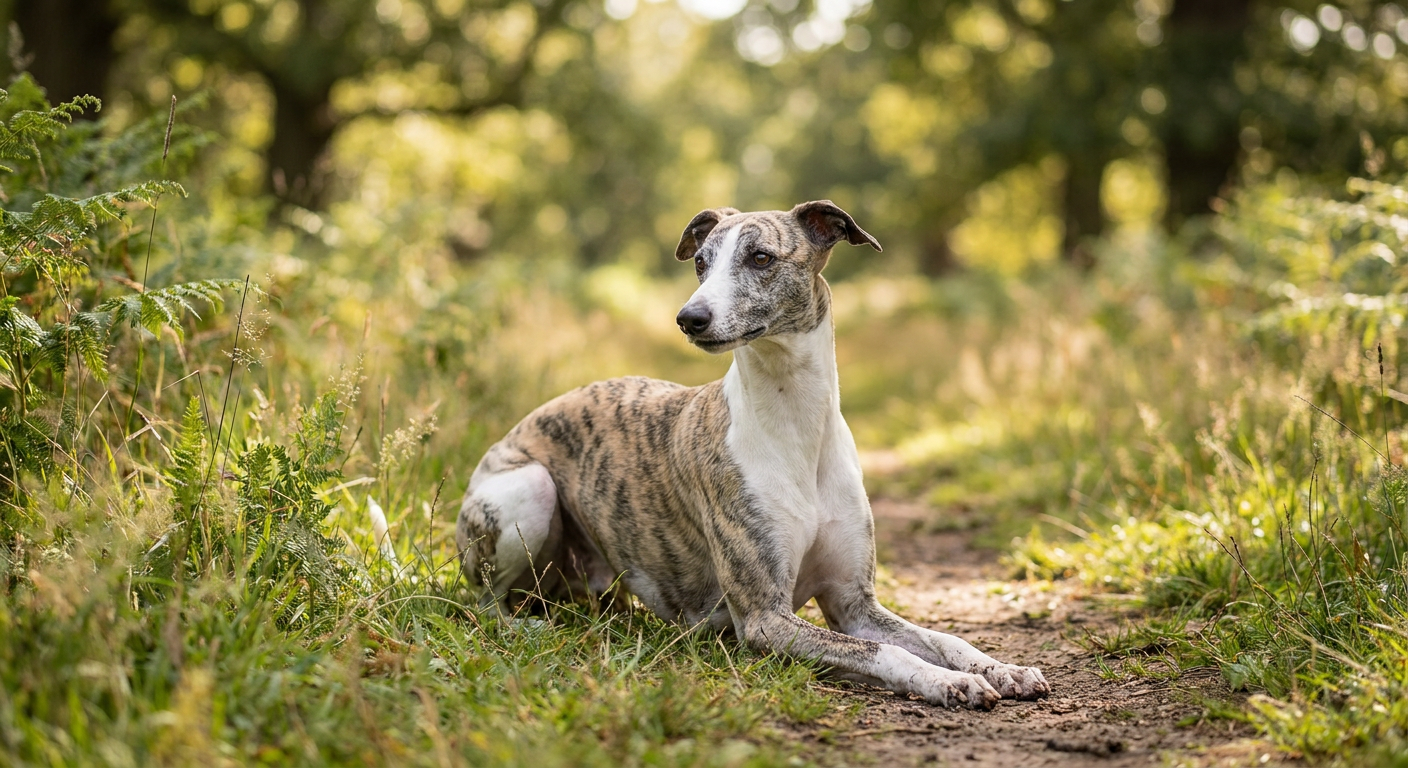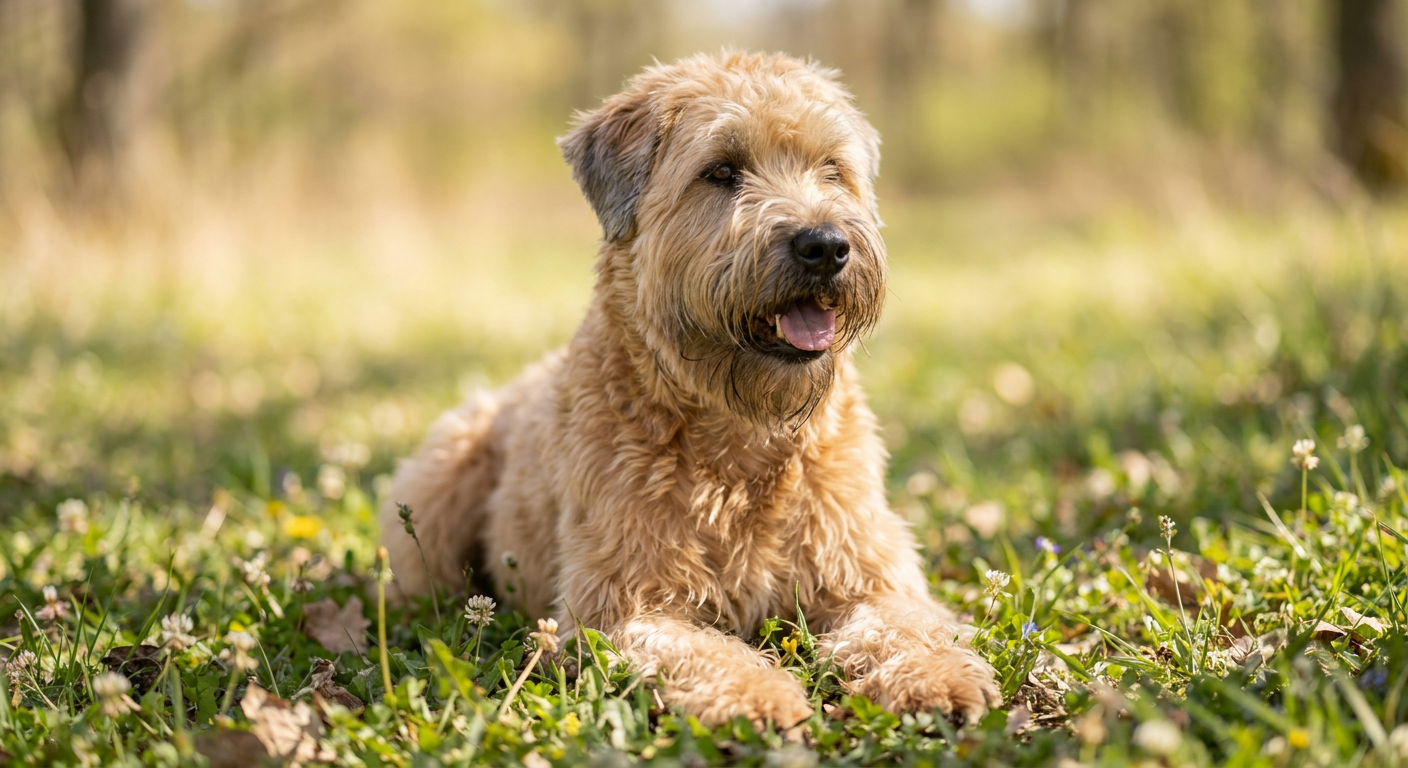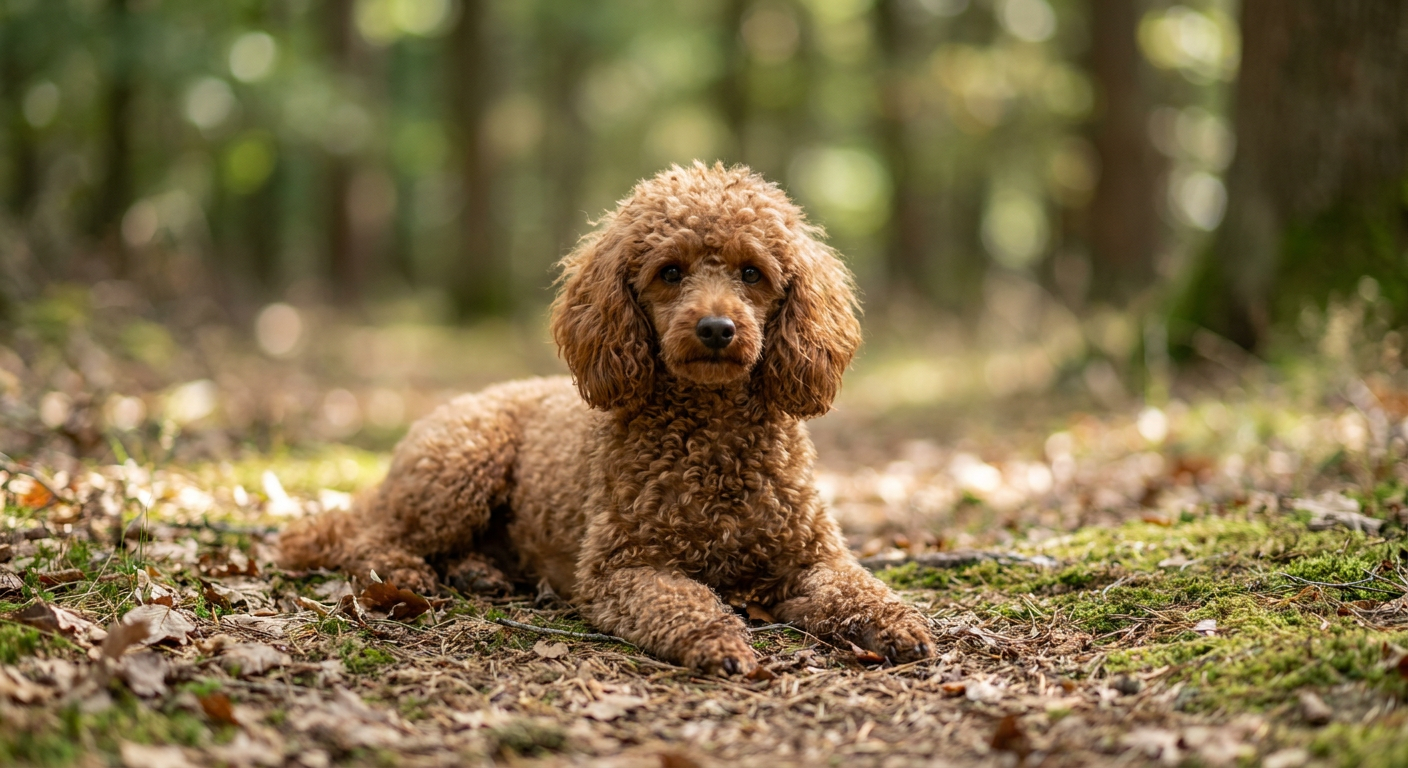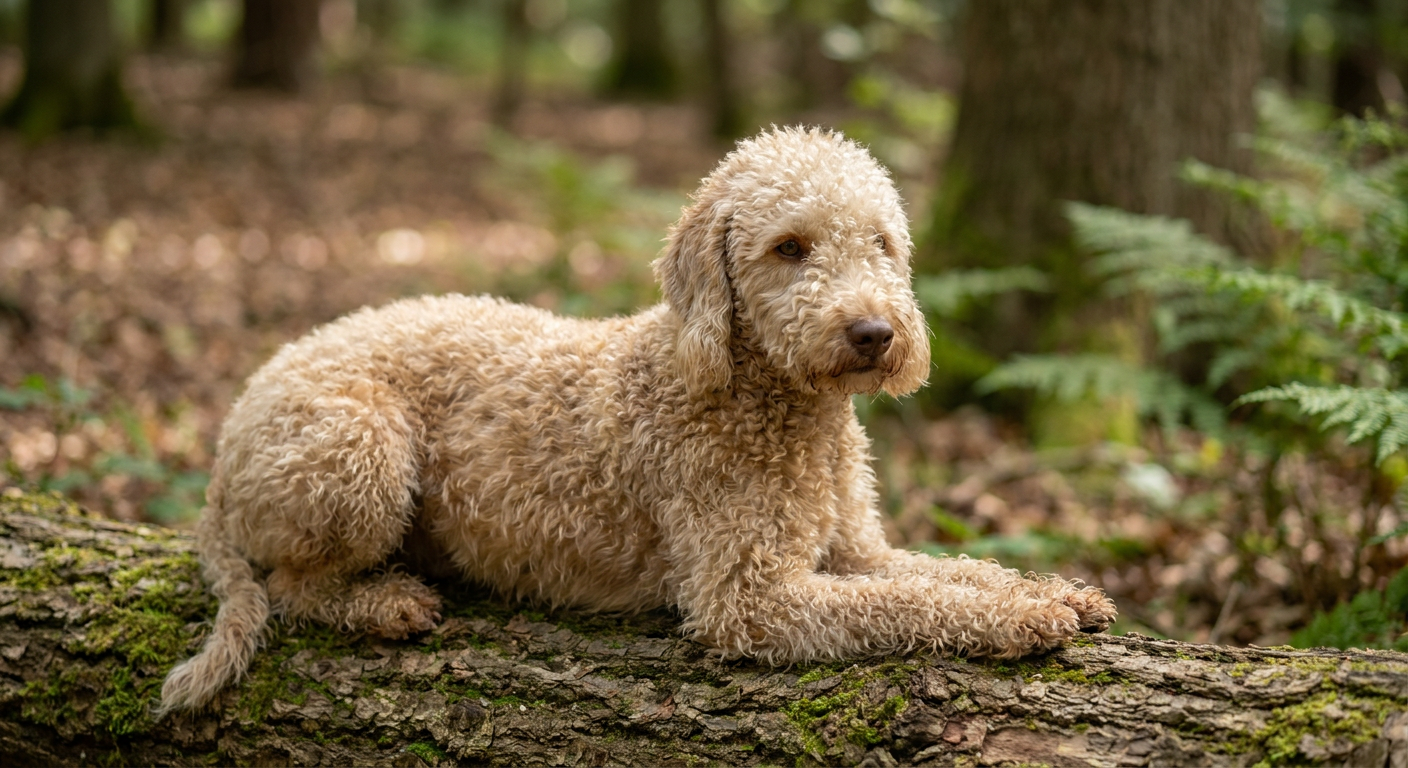
History & Origin
Originating in the Northumberland mining shire of England in the early 19th century, this breed was first known as the Rothbury Terrier. They were developed to hunt vermin in mines and were frequently used by nail makers and miners for coursing and pit fighting. The breed was officially recognized by the AKC in 1886.
Temperament & Personality
Alert, energetic, and intelligent, the Bedlington is often described as having a 'lamb-like' appearance but a 'lion-like' heart. They are more graceful and less scrappy than many other terriers, showing deep loyalty to their families. While generally mild-mannered, they retain a strong chasing instinct and can be formidable if challenged.
Health Watchouts
Top conditions reported by AKC parent clubs, OFA, and the Merck Veterinary Manual. Discuss screening with your vet — especially before breeding or insuring.
Copper Toxicosis
Moderate (historically high, now managed by DNA testing)A hereditary condition where the liver cannot excrete copper, leading to toxic buildup and organ failure.
Screening: DNA Test (COMMD1)
Progressive Retinal Atrophy (PRA)
Low to ModerateA group of eye diseases that involve the gradual deterioration of the retina.
Screening: Ophthalmologist Exam
Patellar Luxation
ModerateThe kneecap slips out of its normal groove, causing lameness or a 'skipping' gait.
Screening: Physical Exam / OFA Cleared
Renal Dysplasia
LowImperfections in the kidney structure present from birth that can lead to early renal failure.
Screening: Ultrasound / Biopsy (if suspected)
Exercise Needs
While they look like lambs, they have the stamina of a sighthound and need moderate to high daily activity.
- Brisk daily walks
- Off-leash running in secure areas
- Fetch or retrieving games
- Agility or Earthdog trials
Nutrition
Daily calories: 700-900 kcal/day depending on activity level.
Avoid high-copper organ meats (like liver) unless the dog is cleared of Copper Toxicosis. Divide meals into two daily servings.
Common allergens to watch: Beef, Dairy, Wheat.
⚠ Moderate; their lean frame should show a visible waist and palpable ribs.
Entertainment & Enrichment
Mental stimulation is vital to prevent the 'terrier tenacity' from turning into destructive digging or barking.
- Scent work games
- Lure coursing or flirt poles
- Digging pits or boxes
- Advanced trick training sessions
Grooming & Coat Care
High maintenance. Requires professional clipping every 6-8 weeks to maintain the traditional silhouette and prevent painful skin mats. Minimal shedding.
Training
Responds best to positive reinforcement and variety; they can be stubborn if bored. Early socialization is critical to manage their prey drive and potential scrappiness with other dogs.
Cost of Ownership
Lifetime cost depends on size, lifespan, and health risks. Try our Lifetime Cost Calculator →
Cost band for Bedlington Terrier: high.
How insurance, vet care & grooming connect for the Bedlington Terrier
These three costs move together. The Bedlington Terrier’s coat, energy, and breed-specific health watchouts shape each one — here’s how they line up.
Insurance band
Common hereditary conditions raise claim odds
Vet service load
High activity raises orthopedic & injury visits
Grooming demand
Professional clipping every 6–8 weeks
Estimated monthly spend (typical adult)
Insurance
$85
Routine vet
$60
Grooming
$45
Combined estimate
~$190/mo(±20%, US averages)
* Estimates derived from breed traits (coat, energy, health watchouts, lifespan). Actual costs vary by location, age, and provider.
Living Situation Fit
They adapt well to apartment life if exercised daily. They are relatively quiet indoors but require a securely fenced yard due to their high prey drive.
Choosing a Puppy
Verify that both parents have DNA clearance for Copper Toxicosis. Look for puppies raised in a home environment to ensure early socialization to household sights and sounds.
Frequently Asked Questions
Is the Bedlington Terrier truly hypoallergenic?
While they don't shed much and are often tolerated by allergy sufferers, no dog is 100% hypoallergenic. Professional grooming is required to maintain the coat.
Are they aggressive?
They are generally milder than many other terriers but still possess a strong prey drive and will defend themselves if provoked.
How often do they need to be groomed?
Professional grooming is recommended every 6–8 weeks, with thorough brushing at home several times a week to prevent matting.