History & Origin
The breed originated in the United States, descending primarily from the Grand Bleu de Gascogne of France and the English Foxhound. Developed by hunters in the American South for stamina and 'cold-nose' tracking ability, they were recognized as a distinct breed from the English Coonhound in 1945. They achieved full AKC recognition in the Hound Group in 2009.
Temperament & Personality
Deeply devoted and intelligent, these hounds are known for their spectacular 'bawl' bark and steady work ethic. They are gentle and sociable with their families but possess a relentless drive when following a scent. While generally well-mannered at home, they can be stubborn and require a patient, consistent handler.
Health Watchouts
Top conditions reported by AKC parent clubs, OFA, and the Merck Veterinary Manual. Discuss screening with your vet — especially before breeding or insuring.
Hip Dysplasia
ModerateMalformation of the hip joint leading to arthritis and lameness.
Screening: OFA or PennHIP evaluation
Gastric Dilatation-Volvulus (Bloat)
High RiskA life-threatening twisting of the stomach common in deep-chested breeds.
Screening: Preventative gastropexy discussed with vet
Otitis Externa (Ear Infections)
HighChronic inflammation of the ear canal due to trapped moisture and debris.
Screening: Regular veterinary canal exams
Coonhound Paralysis (Polyradiculoneuritis)
OccasionalA rare ascending paralysis sometimes triggered by raccoon saliva or immune response.
Screening: Clinical diagnosis based on symptoms
Exercise Needs
High-stamina athletes that require daily vigorous activity. They should remain leashed in unenclosed areas due to their intense prey drive and tendency to follow scents for miles.
- Brisk hiking in wooded areas
- Leashed long-distance walking
- Controlled scent tracking trials
- Social play in securely fenced areas
Nutrition
Daily calories: 1200-1600 kcal/day depending on activity level
Feed two or more smaller meals per day to reduce bloat risk. Avoid vigorous exercise for one hour before and after feeding.
Common allergens to watch: Beef, Dairy, Wheat.
⚠ Excess weight puts significant strain on the joints and worsens hip dysplasia.
Entertainment & Enrichment
Mental stimulation is vital; without a 'job' or scent-based puzzles, they may engage in destructive howling or chewing.
- Scent work or 'find the treat' games
- Long 'sniffari' walks on a long lead
- Cold trail tracking exercises
- High-value food puzzles to occupy the mind
Grooming & Coat Care
Minimal grooming required; weekly brushing with a rubber curry brush removes dead hair. Regular ear cleanings are essential to prevent infections in their long, pendant ears.
Training
Focus on recall from a young age, though it is never 100% reliable once a scent is caught. Use positive reinforcement and high-value rewards to overcome their natural hound stubbornness. Socialization is critical to ensure their prey drive doesn't translate into over-reactivity toward small domestic animals.
Cost of Ownership
Lifetime cost depends on size, lifespan, and health risks. Try our Lifetime Cost Calculator →
Cost band for Bluetick Coonhound: medium.
How insurance, vet care & grooming connect for the Bluetick Coonhound
These three costs move together. The Bluetick Coonhound’s coat, energy, and breed-specific health watchouts shape each one — here’s how they line up.
Insurance band
Common hereditary conditions raise claim odds
Vet service load
High activity raises orthopedic & injury visits
Grooming demand
Low-maintenance coat — monthly bath and brush
Estimated monthly spend (typical adult)
Insurance
$85
Routine vet
$50
Grooming
$45
Combined estimate
~$180/mo(±20%, US averages)
* Estimates derived from breed traits (coat, energy, health watchouts, lifespan). Actual costs vary by location, age, and provider.
Living Situation Fit
Best suited for rural or suburban homes with large, securely fenced yards. These hounds are vocal 'bawlers' and are generally unsuitable for apartment living or noise-sensitive neighborhoods.
Choosing a Puppy
Prioritize breeders who screen for hip dysplasia and BAER hearing tests. Observe the parents' temperament, as excessive shyness or aggression is atypical for this vocally social breed.
Frequently Asked Questions
Are they good house pets?
While generally friendly, their high prey drive and loud 'bawl' bark make them challenging for households with small pets or shared walls.
Can they be trusted off-leash?
Not reliably. They are scent hounds; if they catch a trail, they will follow it regardless of commands, often traveling great distances.
Why are they called 'blue'?
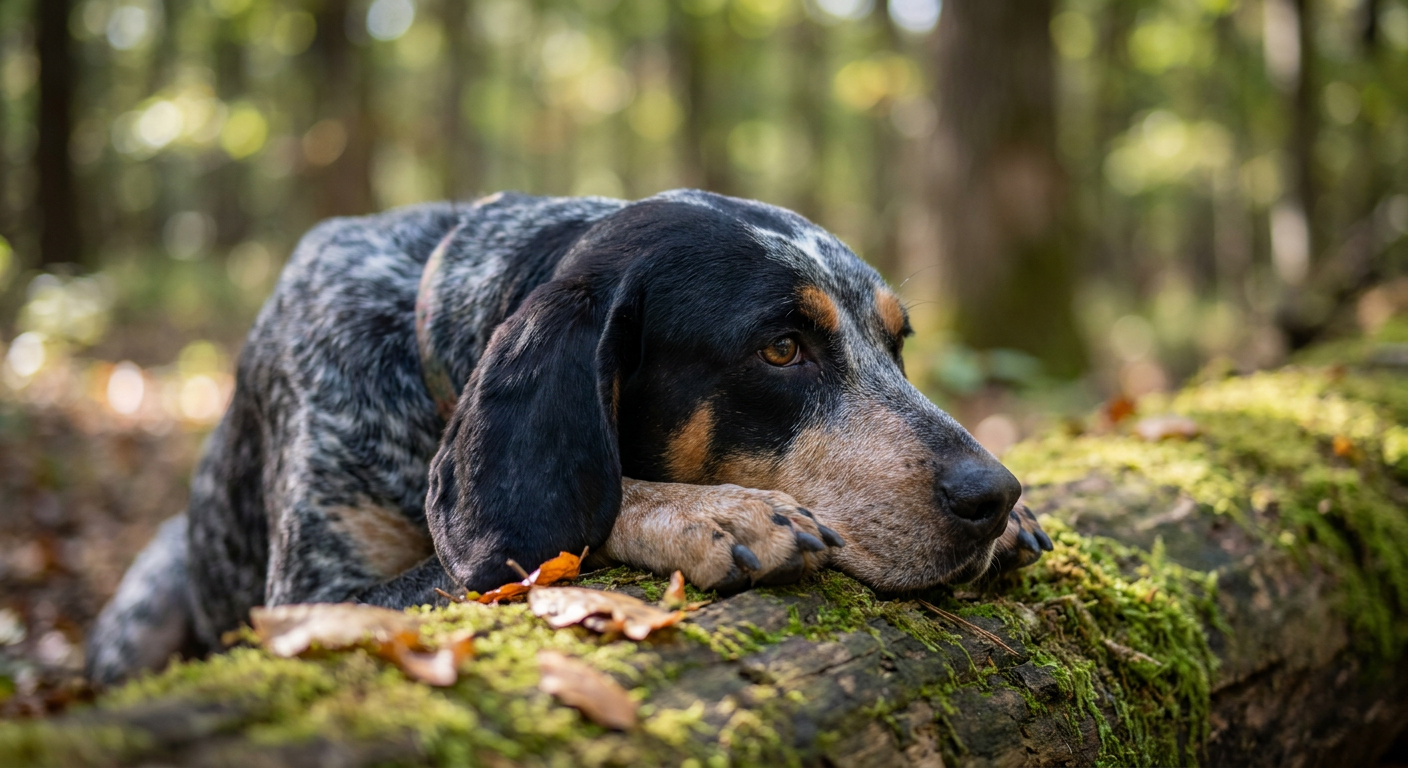
The 'bluing' is actually black mottling or ticking on a white background, creating a navy blue appearance against the black body spots.