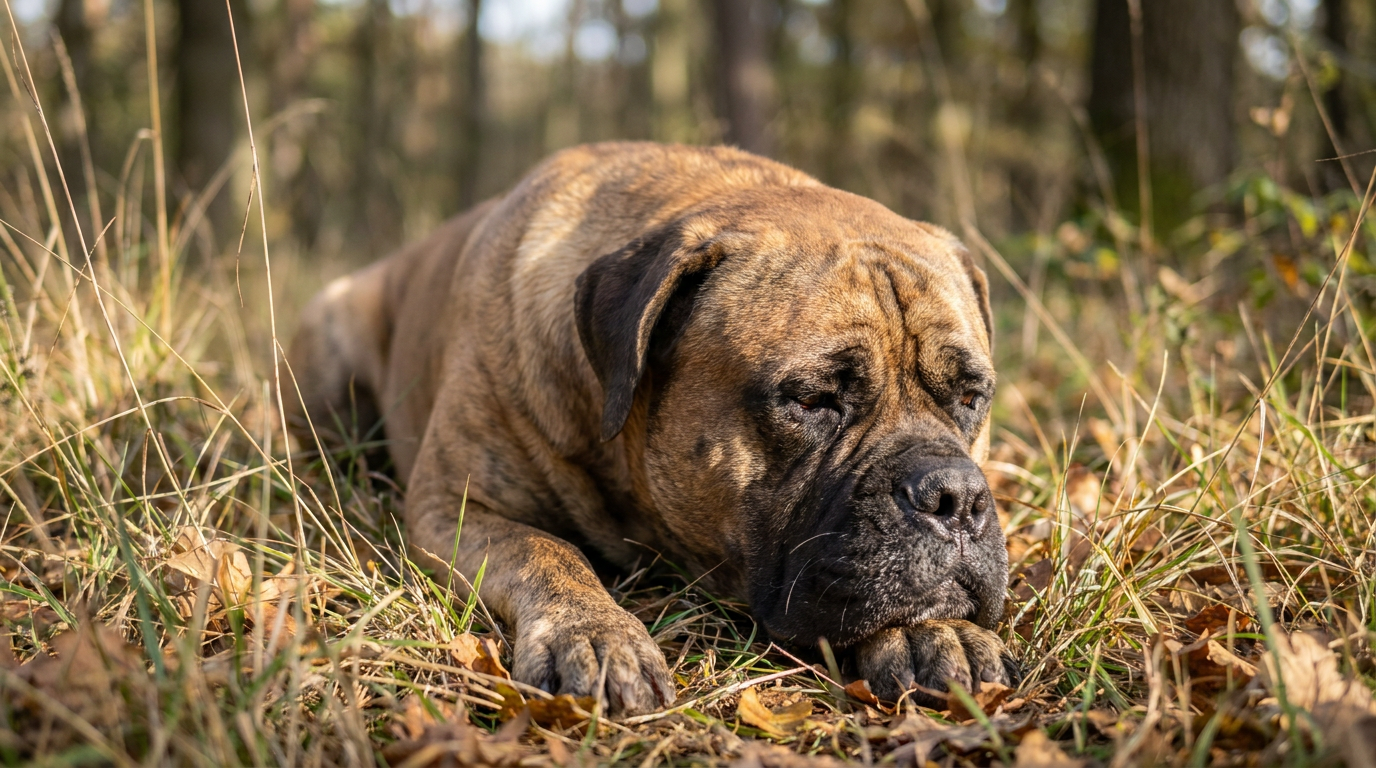
History & Origin
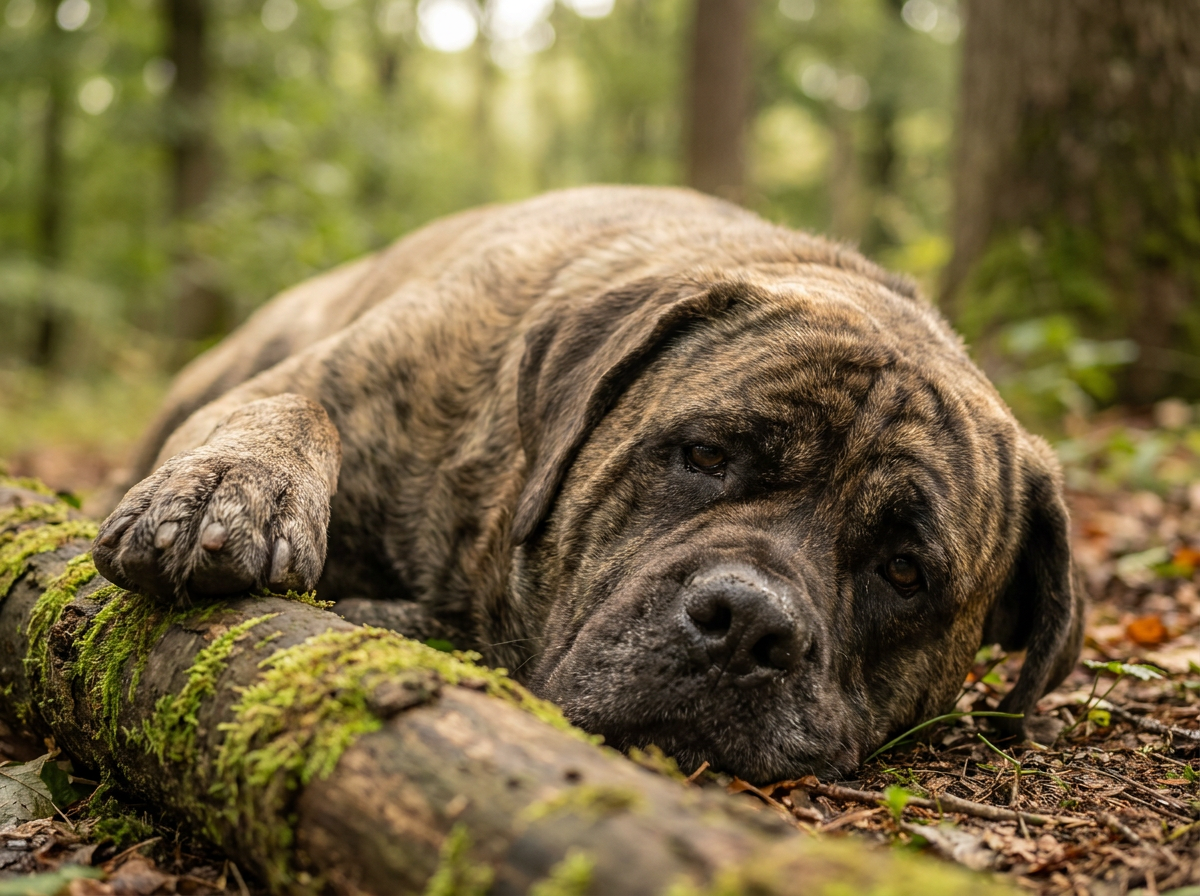
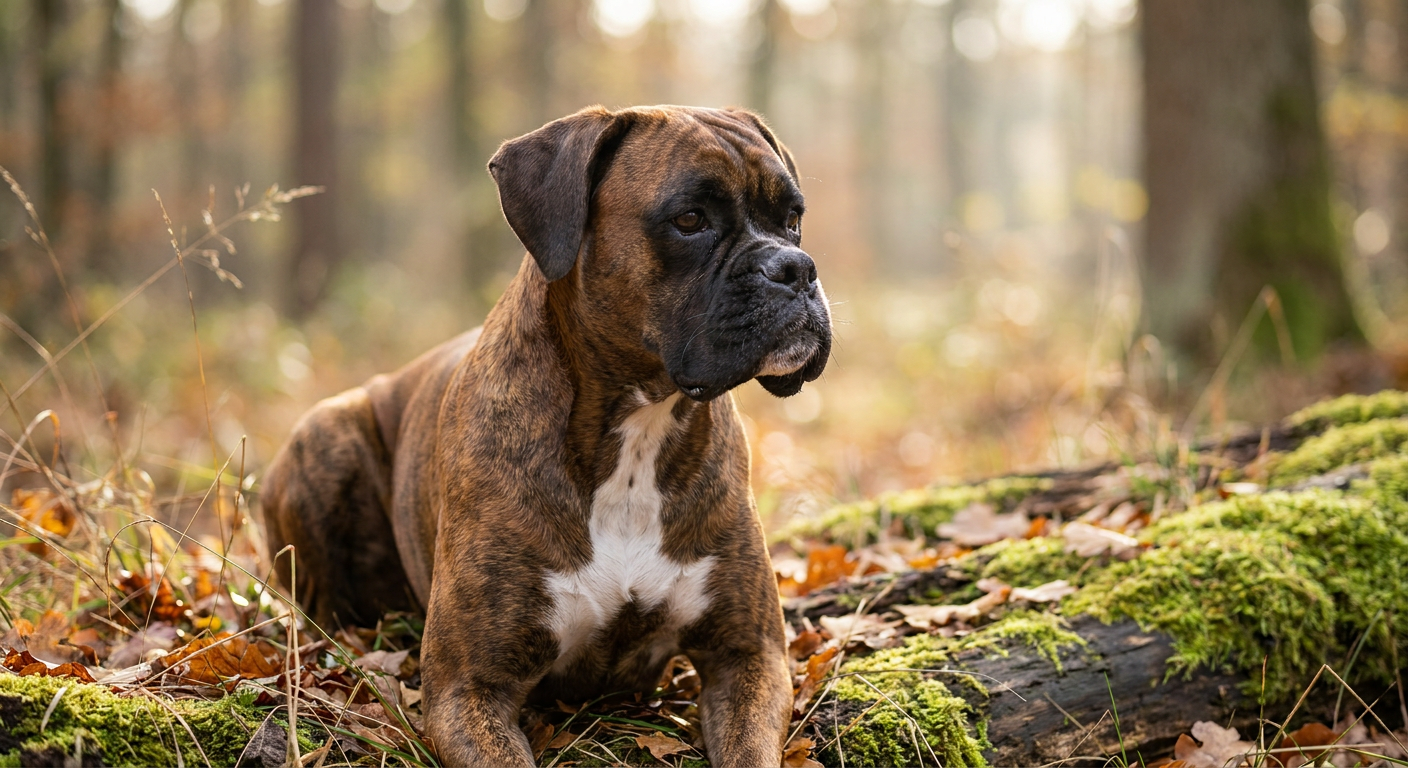
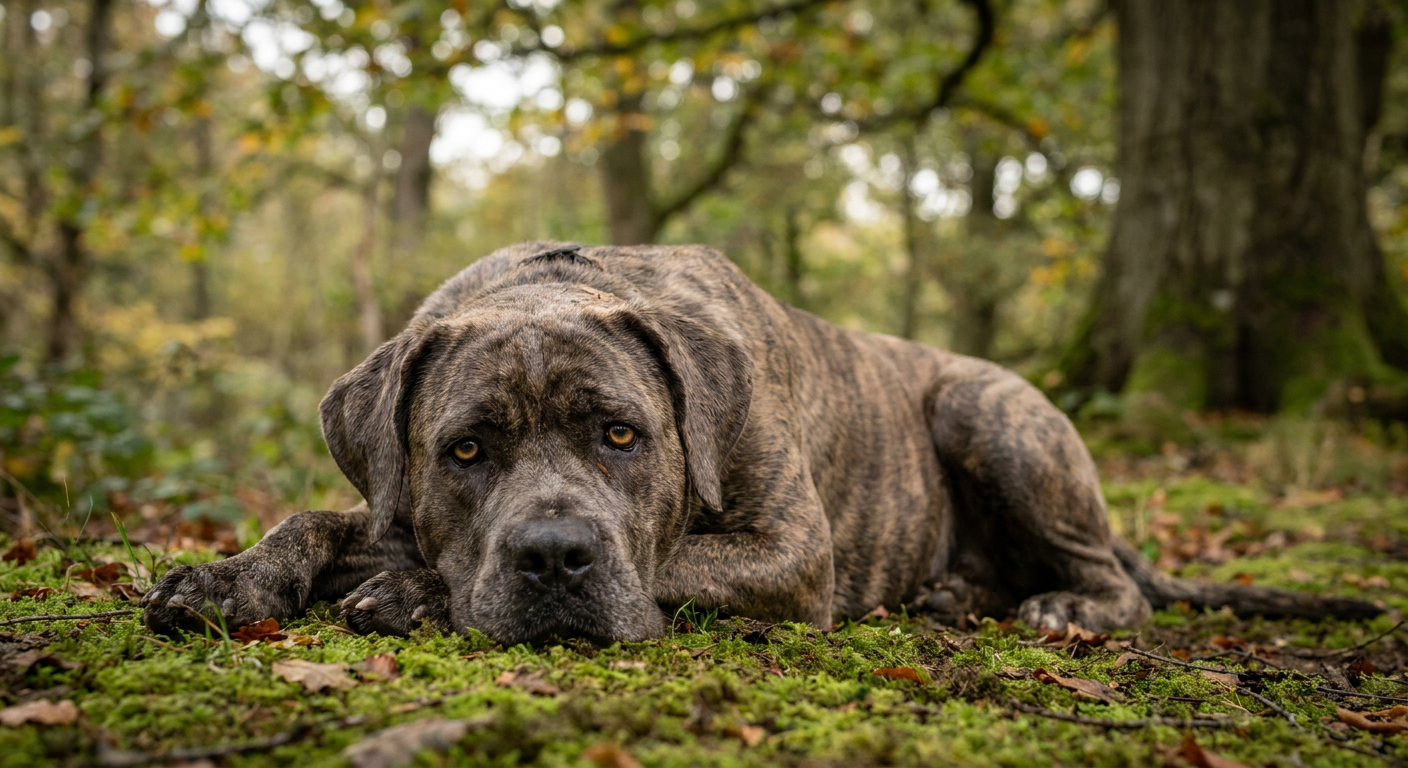
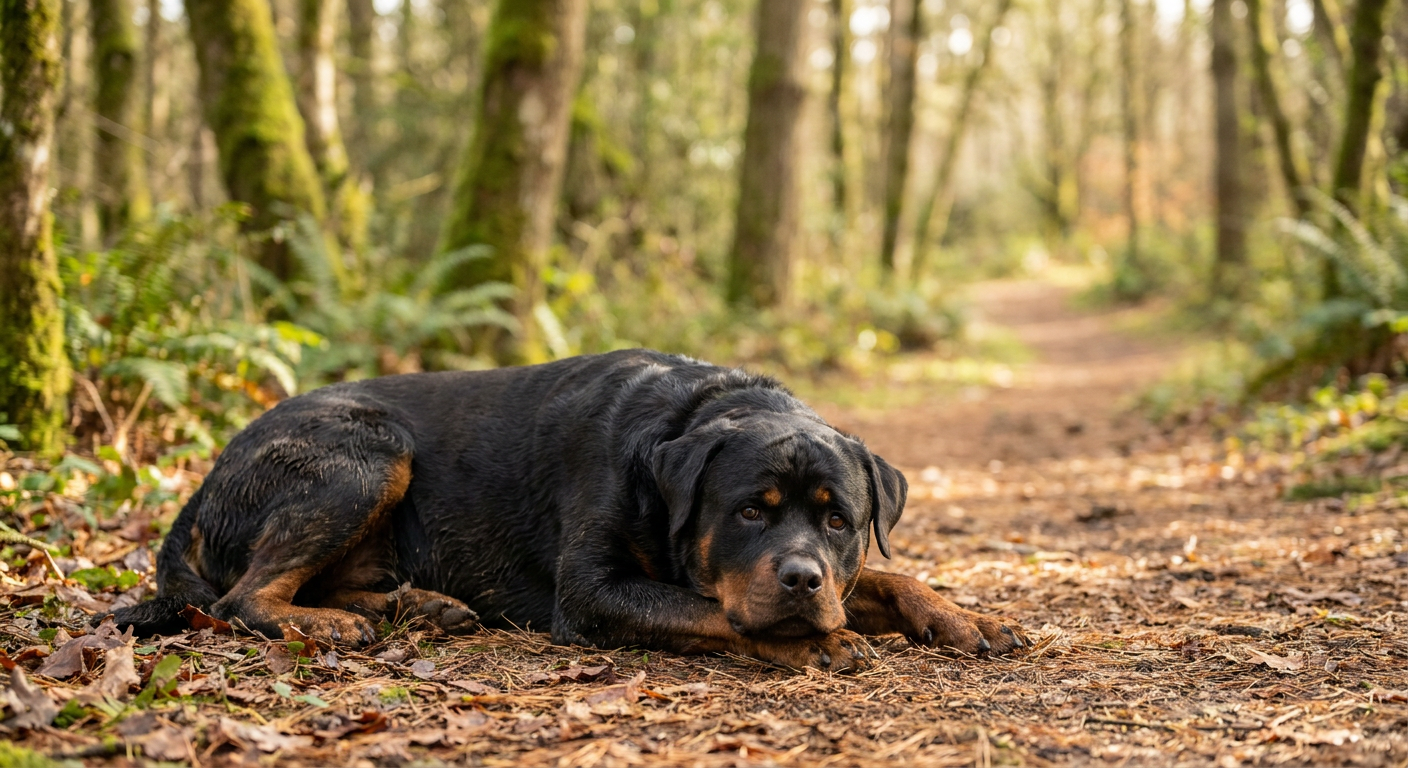
The Bullmastiff was developed in England during the mid-to-late 19th century by gamekeepers to protect estates from poachers. It is a cross of approximately 60% Mastiff and 40% Bulldog, bred to track quietly and pin intruders without mauling them. The breed was officially recognized by the English Kennel Club in 1924 and the AKC in 1933.
Temperament & Personality
The Bullmastiff is a quiet, devoted, and protective companion with a calm demeanor in the home. While affectionate with family, they are naturally wary of strangers and possess a strong guarding instinct. They are independent thinkers and require firm but fair leadership to ensure they remain manageable as they grow.
Health Watchouts
Top conditions reported by AKC parent clubs, OFA, and the Merck Veterinary Manual. Discuss screening with your vet — especially before breeding or insuring.
Gastric Dilatation-Volvulus (Bloat)
HighA life-threatening condition where the stomach fills with gas and twists; requires immediate emergency surgery.
Screening: None (preventative gastropexy recommended)
Hip Dysplasia
CommonMalformation of the hip joints leading to arthritis and lameness.
Screening: OFA or PennHIP radiographs
Subaortic Stenosis
ModerateNarrowing of the aortic valve that forces the heart to work harder.
Screening: Echocardiogram
Osteosarcoma
ModerateA common form of bone cancer in large breeds.
Screening: Physical exam and radiographs if limping occurs
Exercise Needs
Moderate daily exercise is required to prevent obesity, though they have relatively low energy levels indoors compared to other working breeds.
- Daily brisk walks on a leash
- Short play sessions in a fenced yard
- Moderate hiking on flat terrain
- Off-leash time in a secured, private area
Nutrition
Daily calories: 2100-2600 kcal/day for adults
Split meals into at least two daily feedings to reduce bloat risk. Use a slow-feeder bowl.
Common allergens to watch: Beef, Chicken, Dairy.
⚠ Extremely prone to obesity, which puts dangerous stress on joints and the heart.
Entertainment & Enrichment
Mental stimulation should focus on low-impact activities that engage their scenting ability and problem-solving skills without overtaxing their joints.
- Short training sessions to stimulate focus
- Low-impact scent work
- Chewing on durable, breed-appropriate toys
- Puzzle feeders to slow down eating and engage the mind
Grooming & Coat Care
Minimal grooming is required; weekly brushing with a rubber curry comb removes dead hair. They are moderate shedders and only need occasional baths unless particularly dirty.
Training
Early socialization and obedience training are mandatory due to their size and protective nature. They respond best to positive reinforcement but can be stubborn, requiring consistent boundaries from a confident owner.
Cost of Ownership
Lifetime cost depends on size, lifespan, and health risks. Try our Lifetime Cost Calculator →
Cost band for Bullmastiff: high.
How insurance, vet care & grooming connect for the Bullmastiff
These three costs move together. The Bullmastiff’s coat, energy, and breed-specific health watchouts shape each one — here’s how they line up.
Insurance band
Brachycephalic or giant-breed risk profile
Vet service load
Several conditions worth annual screening
Grooming demand
Low-maintenance coat — monthly bath and brush
Estimated monthly spend (typical adult)
Insurance
$85
Routine vet
$50
Grooming
$45
Combined estimate
~$180/mo(±20%, US averages)
* Estimates derived from breed traits (coat, energy, health watchouts, lifespan). Actual costs vary by location, age, and provider.
Living Situation Fit
These dogs thrive in homes with fenced yards and climate control, as they are prone to overheating. They prefer being near their owners and do best in households where they are not left alone for long periods.
Choosing a Puppy
Look for breeders who perform hip and elbow evaluations and can provide OFA clearances for cardiac and thyroid health. Ensure the breeder prioritizes temperament, as early socialization is critical for this large, protective breed.
Frequently Asked Questions
Can Bullmastiffs live in apartments?
While they are generally quiet and calm, they are not ideal for small apartments due to their size and the potential for 'counter surfing.' Elevated heat in small spaces can also be an issue.
Do Bullmastiffs drool a lot?
Yes, they are notorious droolers, especially after drinking water, eating, or when excited or hot. Owners should keep 'slobber cloths' handy.
Are Bullmastiffs aggressive?
They are typically courageous and devoted, serving as excellent natural guardians who are more likely to pin an intruder than bite.