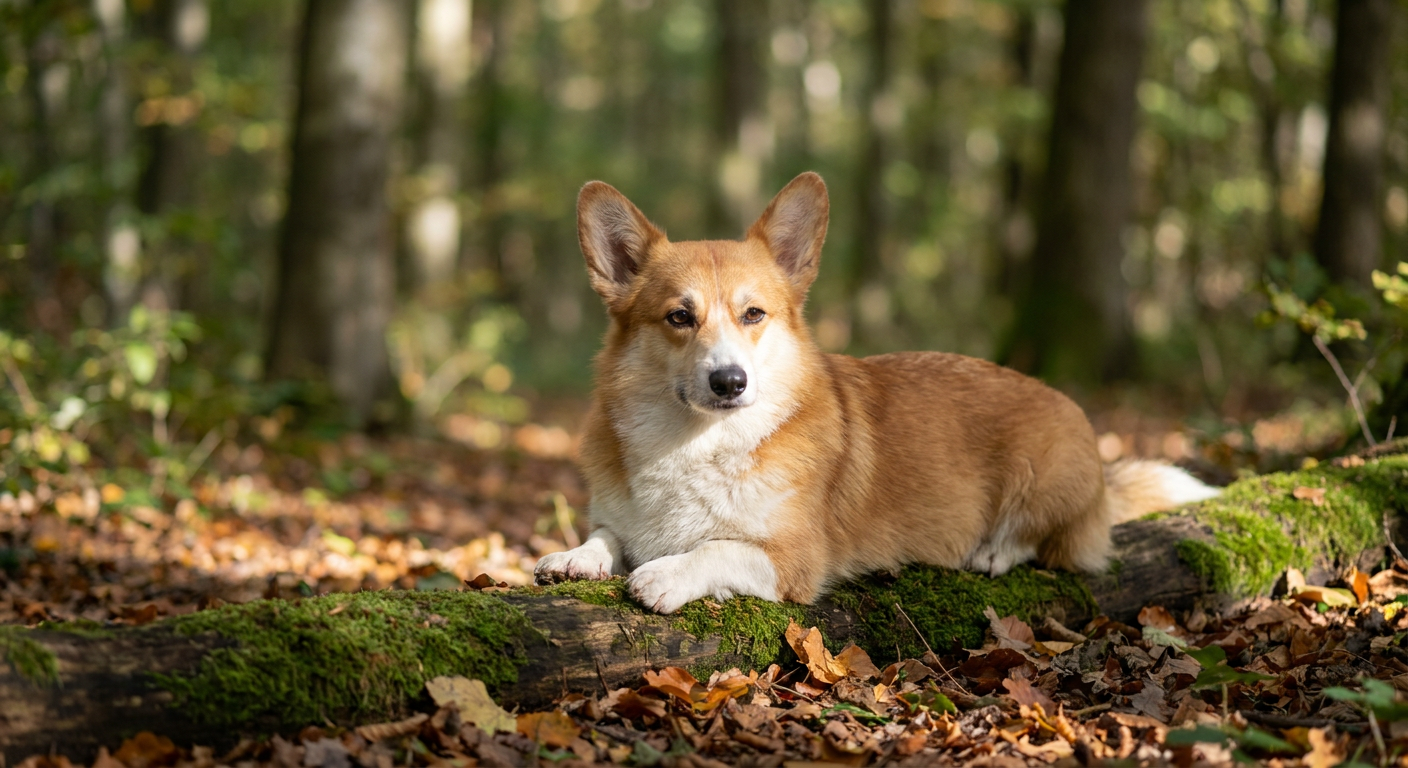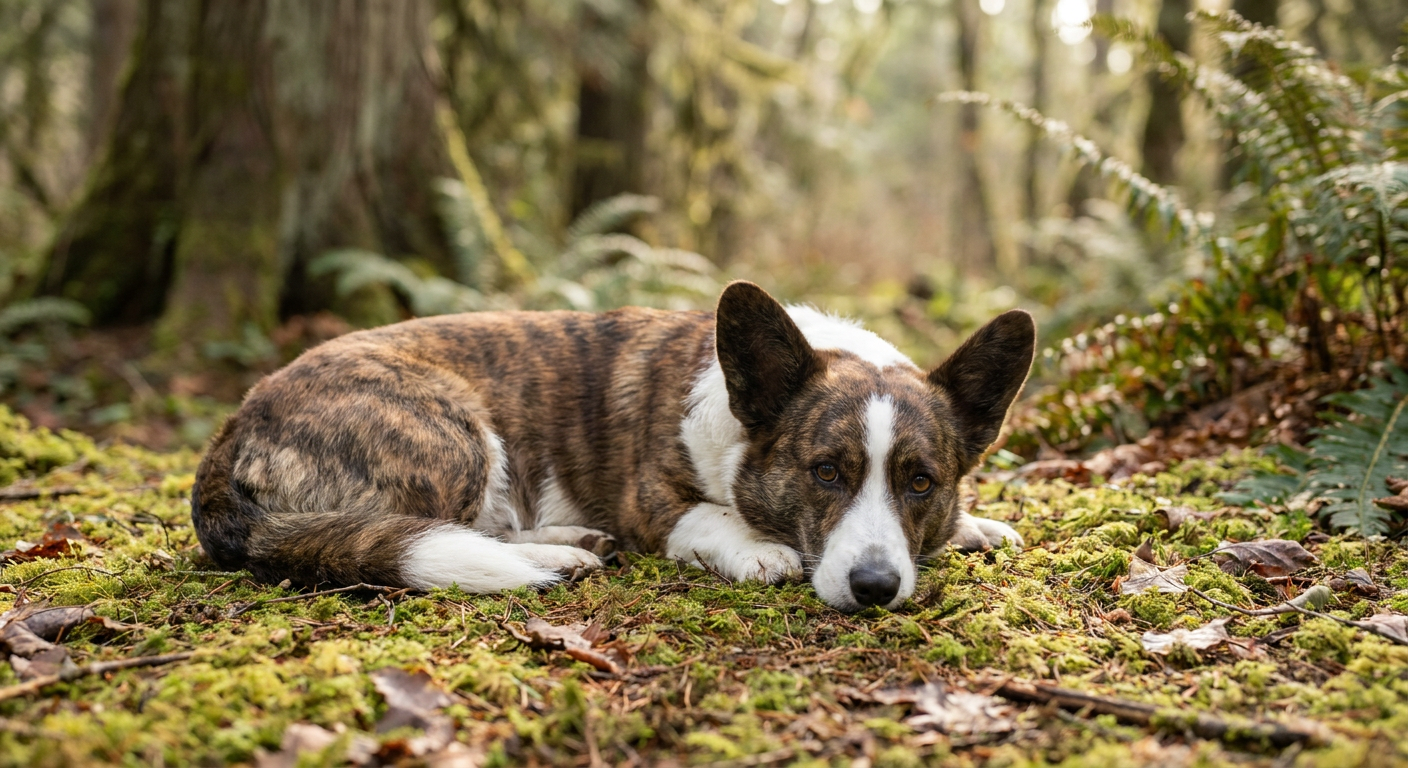
History & Origin
One of Britain's oldest breeds, brought to Wales by Celtic tribes around 1200 BC. Used to drive cattle by nipping at heels and ducking kicks. Recognized as separate from the Pembroke in 1934.
Temperament & Personality
Smart, watchful, affectionate. More reserved with strangers than Pembrokes. Strong herding instinct — may chase children or cars without training.
Health Watchouts
Top conditions reported by AKC parent clubs, OFA, and the Merck Veterinary Manual. Discuss screening with your vet — especially before breeding or insuring.
Intervertebral disc disease (IVDD)
Long-back breed riskDisc rupture causing pain or paralysis.
Screening: Avoid jumping; use ramps; maintain lean weight
Hip dysplasia
~10% (OFA)Joint malformation.
Screening: OFA hips
Progressive retinal atrophy
HereditaryInherited blindness.
Screening: DNA test
Degenerative myelopathy
NotableLate-onset spinal cord disease.
Screening: DNA test (SOD1)
Obesity
Very commonEasy keepers prone to weight gain that worsens IVDD risk.
Screening: Monthly weight check
Exercise Needs
45–60 minutes daily — walks, herding games, and mental work.
- Brisk walks
- Treibball (urban herding)
- Agility (low-impact for back)
- Scent work
- Trick training
Nutrition
Daily calories: Adult: 700–1,000 kcal.
Measured meals only — Cardigans gain weight easily.
Common allergens to watch: Chicken, Wheat.
⚠ BCS 4/9 is essential to protect the long spine.
Entertainment & Enrichment
Herding brain needs daily problem-solving.
- Treibball or herding-ball games
- Puzzle feeders
- Trick training
- Nose work
- Tug games
Grooming & Coat Care
Brush 2–3× weekly; daily during shedding seasons. Bathe every 6–8 weeks.
Training
Highly trainable but independent. Positive reinforcement, short sessions. Channel herding into structured games to prevent nipping.
Cost of Ownership
Lifetime cost depends on size, lifespan, and health risks. Try our Lifetime Cost Calculator →
Cost band for Cardigan Welsh Corgi: low.
How insurance, vet care & grooming connect for the Cardigan Welsh Corgi
These three costs move together. The Cardigan Welsh Corgi’s coat, energy, and breed-specific health watchouts shape each one — here’s how they line up.
Insurance band
Common hereditary conditions raise claim odds
Vet service load
Heavy shedding correlates with skin/derm visits
Grooming demand
Double coat sheds seasonally — frequent brushing
Estimated monthly spend (typical adult)
Insurance
$60
Routine vet
$50
Grooming
$75
Combined estimate
~$185/mo(±20%, US averages)
* Estimates derived from breed traits (coat, energy, health watchouts, lifespan). Actual costs vary by location, age, and provider.
Living Situation Fit
Apartment OK with daily exercise. Avoid homes with many stairs. Bonds closely with family.
Choosing a Puppy
OFA hips, eye CERF, DNA for PRA and DM. Meet parents — temperament should be confident, not shy.
Frequently Asked Questions
What's the difference between Cardigan and Pembroke Welsh Corgi?
Cardigans have a long fox-like tail, larger rounded ears, and are slightly bigger and longer. Pembrokes are docked or born tailless. Cardigans are also generally calmer and more reserved.
Are Cardigan Corgis good apartment dogs?
Yes — they're adaptable to apartment life if given 45–60 minutes of exercise and mental work daily.
Do Cardigan Corgis shed a lot?
Yes — they're heavy seasonal shedders with constant moderate shedding year-round. Plan on twice-weekly brushing minimum.