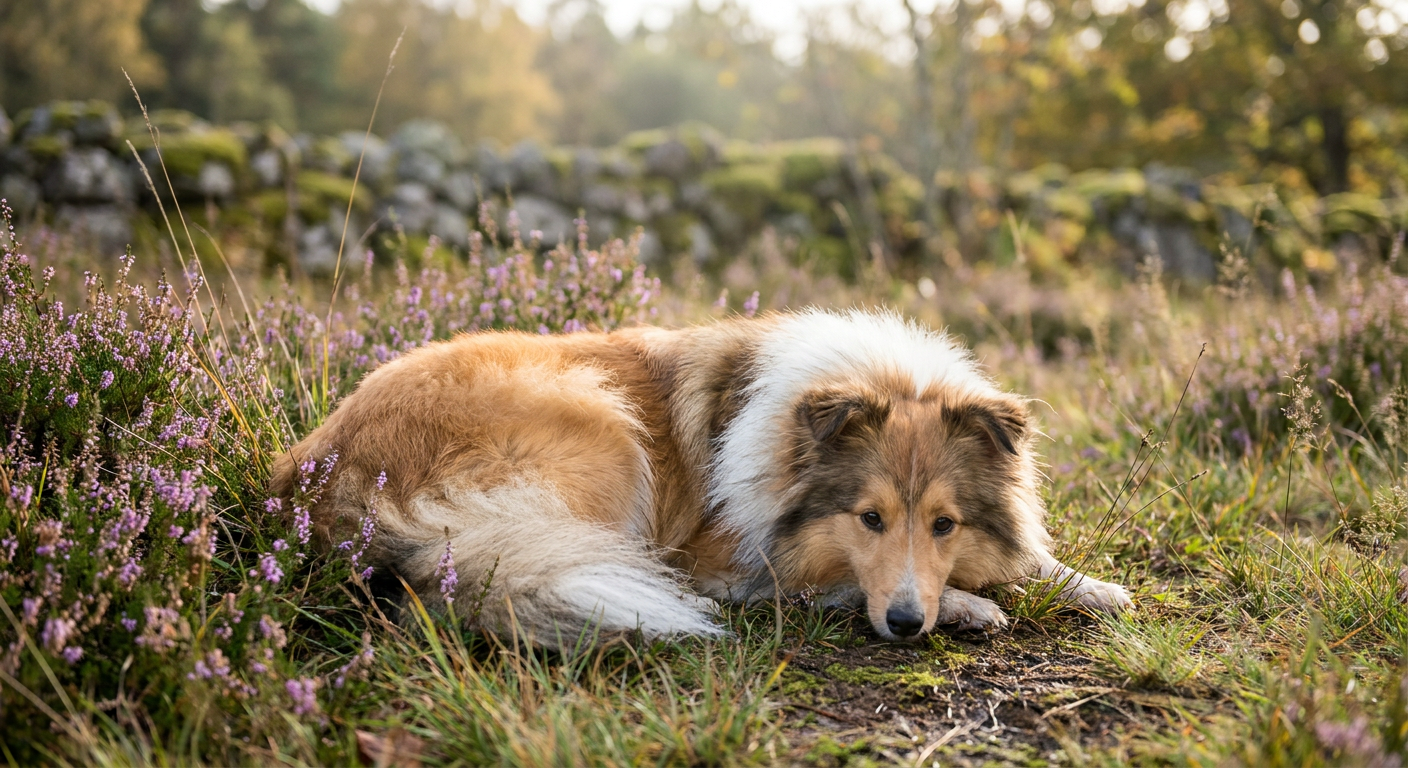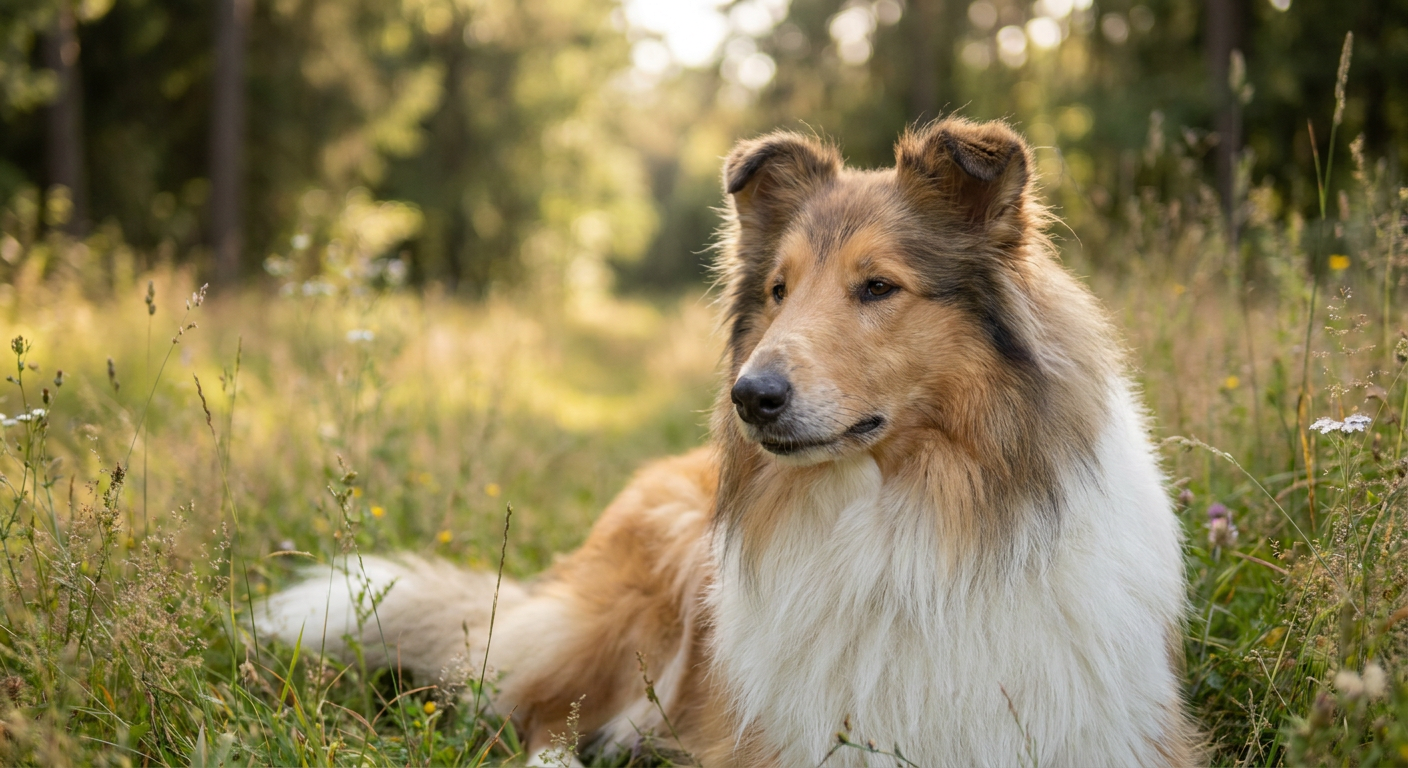
History & Origin
Refined in 19th-century Britain from Scottish farm dogs; popularized by Queen Victoria and later by Albert Payson Terhune's novels and the 'Lassie' films. AKC recognition in 1885.
Temperament & Personality
Gentle, affectionate, alert. Rarely aggressive. Sensitive to harsh handling. Famously protective of children.
Health Watchouts
Top conditions reported by AKC parent clubs, OFA, and the Merck Veterinary Manual. Discuss screening with your vet — especially before breeding or insuring.
Collie Eye Anomaly (CEA)
>50% in some linesInherited eye disease ranging from mild to vision loss.
Screening: DNA test (NHEJ1) and eye exam at 6–8 weeks
MDR1 drug sensitivity
~70% carriersMutation makes common drugs (ivermectin, loperamide) toxic.
Screening: DNA test before any new medication
Hip dysplasia
~3% (OFA)Lower than most large breeds.
Screening: OFA hips
Progressive retinal atrophy
HereditaryInherited blindness.
Screening: DNA test (rcd2)
Dermatomyositis
Breed-overrepresentedSkin and muscle inflammation.
Screening: Pedigree review
Exercise Needs
45–75 minutes daily — walks, play, and herding games.
- Long walks
- Herding lessons
- Agility
- Therapy work
- Fetch
Nutrition
Daily calories: Adult: 1,100–1,600 kcal.
Two meals daily.
Common allergens to watch: Chicken, Wheat, Beef.
⚠ Coat hides weight; check by feel monthly.
Entertainment & Enrichment
Need mental work alongside walks.
- Herding sport
- Trick training
- Therapy-dog visits
- Puzzle feeders
- Obedience classes
Grooming & Coat Care
Brush 1× weekly thoroughly (30+ min); daily during seasonal coat blows. Bathe every 6–8 weeks. Trim feet and behind ears.
Training
Highly trainable, eager to please. Positive reinforcement. Sensitive to corrections.
Cost of Ownership
Lifetime cost depends on size, lifespan, and health risks. Try our Lifetime Cost Calculator →
Cost band for Collie (Rough): medium.
How insurance, vet care & grooming connect for the Collie (Rough)
These three costs move together. The Collie (Rough)’s coat, energy, and breed-specific health watchouts shape each one — here’s how they line up.
Insurance band
Common hereditary conditions raise claim odds
Vet service load
Heavy shedding correlates with skin/derm visits
Grooming demand
Long coat tangles without weekly grooming
Estimated monthly spend (typical adult)
Insurance
$75
Routine vet
$50
Grooming
$75
Combined estimate
~$200/mo(±20%, US averages)
* Estimates derived from breed traits (coat, energy, health watchouts, lifespan). Actual costs vary by location, age, and provider.
Living Situation Fit
Suburban or rural homes with yards. Tolerates apartment life with daily exercise. Bonds intensely — not for absentee owners.
Choosing a Puppy
DNA tests for MDR1, CEA, PRA. Eye CERF on litters at 6–8 weeks. OFA hips. Meet both parents.
Frequently Asked Questions
Are Rough Collies good with children?
Exceptionally — they're patient, gentle and protective. Often considered one of the best breeds for families with kids.
Do Collies bark a lot?
Yes — Collies are vocal alert barkers. Training a 'quiet' cue from puppyhood helps. Bored or under-exercised dogs bark more.
What is MDR1 and why does it matter for Collies?
MDR1 is a gene mutation common in Collies that makes certain drugs (ivermectin, loperamide, some chemo agents) toxic. DNA test your Collie before any new medication and inform every vet.