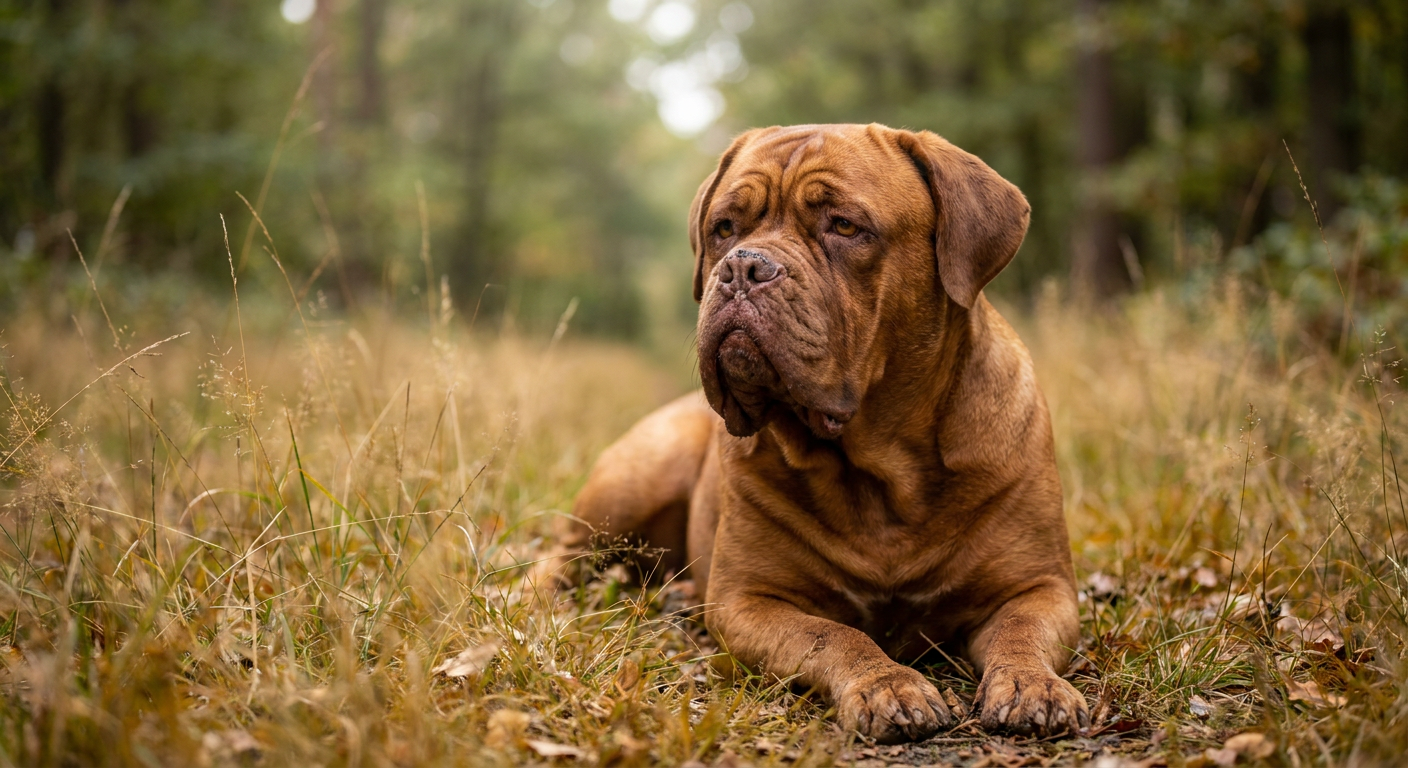
History & Origin
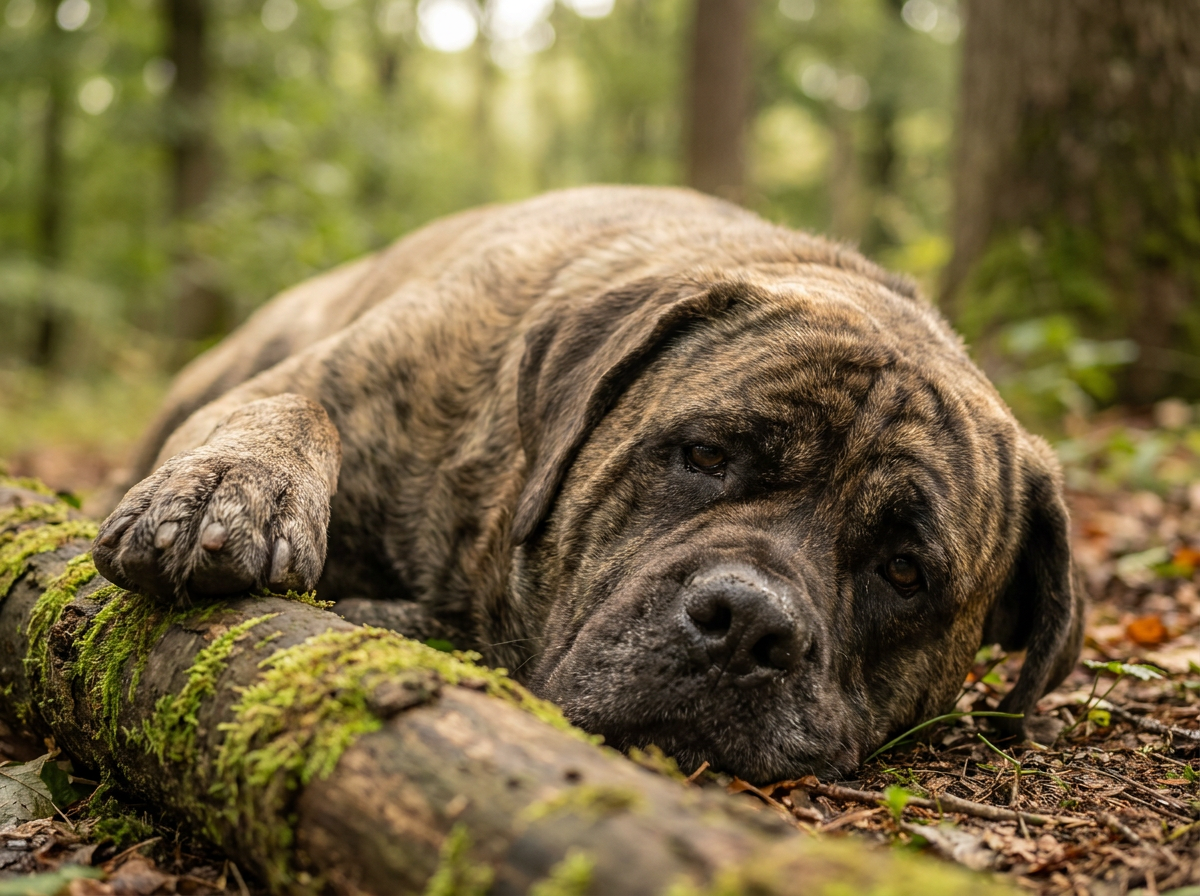
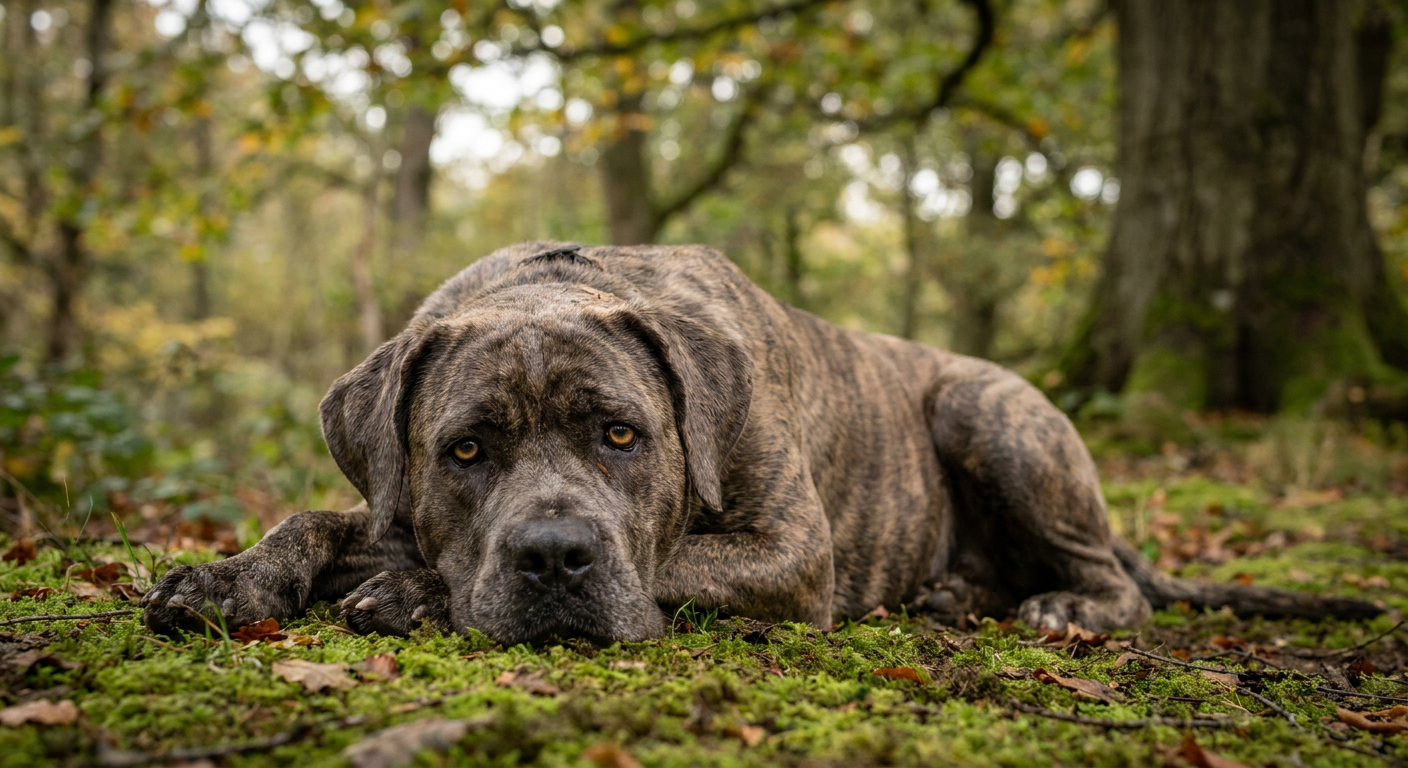
An ancient French breed, likely descending from the Alans and Roman Molosser dogs. Historically, they served as hunters, cattle drivers, and formidable guardians of French estates. The breed gained international recognition after the 1989 film Turner & Hooch and was officially admitted to the AKC Working Group in 2008.
Temperament & Personality
This breed is deeply devoted, affectionate, and protective of its family. They display a calm, courageous demeanor but can be stubborn and may attempt to dominate an assertive owner. While generally patient with children, their sheer size requires constant supervision around small kids.
Health Watchouts
Top conditions reported by AKC parent clubs, OFA, and the Merck Veterinary Manual. Discuss screening with your vet — especially before breeding or insuring.
Hypertrophic Cardiomyopathy (HCM)
HighA serious, often fatal thickening of the heart muscle that can lead to heart failure or sudden death.
Screening: Annual Echocardiogram
Hip Dysplasia
CommonMalformation of the hip joints that can lead to painful arthritis and mobility issues.
Screening: OFA or PennHip Radiographs
Gastric Dilatation-Volvulus (Bloat)
HighA life-threatening condition where the stomach fills with gas and twists on its axis.
Screening: Prophylactic Gastropexy (surgical)
Skin Fold Dermatitis
CommonInflammation and infection of the skin folds, particularly on the face.
Screening: Physical Exam / Regular Cleaning
Exercise Needs
While powerful, they have relatively low endurance and are prone to overheating; exercise should be moderate and performed during cooler times of day.
- Leashed neighborhood walks
- Supervised backyard play
- Very short hiking trails
- Self-paced indoor exploration
Nutrition
Daily calories: 2,500 - 3,500 (highly variable by activity)
Feed multiple small meals daily in slowed-down feeders to reduce bloat risk. Avoid exercise for one hour before and after meals.
Common allergens to watch: Beef, Dairy, Wheat.
⚠ Obesity adds significant strain to their already taxed joints and heart; keep them lean.
Entertainment & Enrichment
Mental engagement for this breed should focus on scent-based games and bonding activities rather than high-intensity physical tasks.
- Nose work or scent games
- Low-impact hide-and-seek
- Chewing on durable, size-appropriate rubber toys
- Short, casual walks in new environments
Grooming & Coat Care
Shedding is moderate. Weekly brushing with a rubber mitt is sufficient, but the deep facial wrinkles must be cleaned daily with a damp cloth and dried thoroughly to prevent skin fold pyoderma.
Training
Early socialization and obedience training are mandatory due to their size and protective instincts. They respond best to positive reinforcement and clear boundaries; harsh corrections can cause the dog to shut down or become reactive.
Cost of Ownership
Lifetime cost depends on size, lifespan, and health risks. Try our Lifetime Cost Calculator →
Cost band for Dogue de Bordeaux: high.
How insurance, vet care & grooming connect for the Dogue de Bordeaux
These three costs move together. The Dogue de Bordeaux’s coat, energy, and breed-specific health watchouts shape each one — here’s how they line up.
Insurance band
Common hereditary conditions raise claim odds
Vet service load
Several conditions worth annual screening
Grooming demand
Low-maintenance coat — monthly bath and brush
Estimated monthly spend (typical adult)
Insurance
$85
Routine vet
$50
Grooming
$45
Combined estimate
~$180/mo(±20%, US averages)
* Estimates derived from breed traits (coat, energy, health watchouts, lifespan). Actual costs vary by location, age, and provider.
Living Situation Fit
Requires a home with ample floor space and air conditioning. They are not suited for outdoor living or high-heat climates due to their brachycephalic tendencies and heavy mass.
Choosing a Puppy
Prospective owners should prioritize breeders who perform echocardiograms on the sire and dam. Due to the breed's short lifespan, inquire about the longevity of the puppy's ancestors.
Frequently Asked Questions
Do they drool a lot?
Yes, the Dogue de Bordeaux is a profuse drooler due to its heavy flews (lips); owners should keep a 'slobber cloth' handy.
What is their typical lifespan?
Unfortunately, the breed has one of the shortest lifespans in the canine world, typically averaging 5 to 8 years.
Are they good for first-time dog owners?
While generally calm, they are vigilant guardians. They can be wary of strangers and should be introduced to new people and dogs carefully.