History & Origin
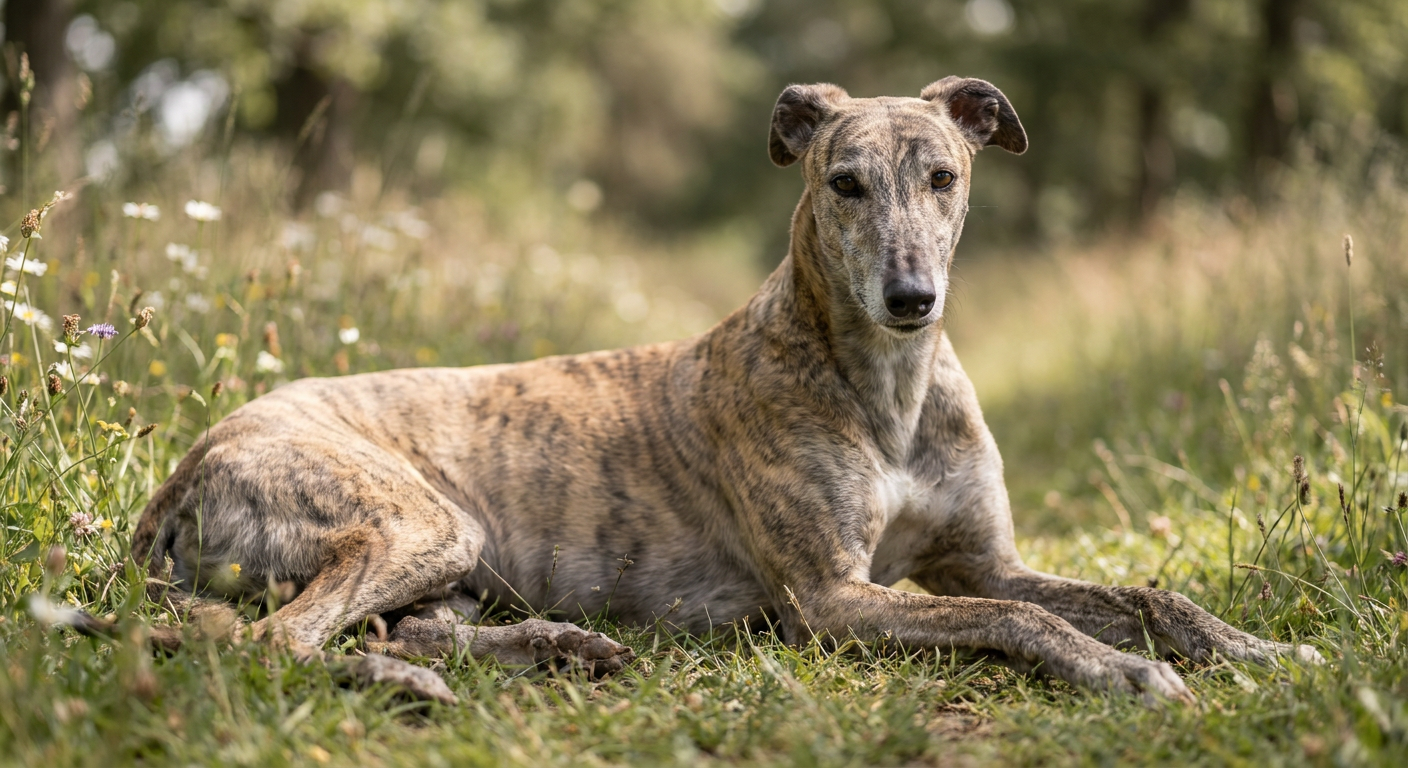
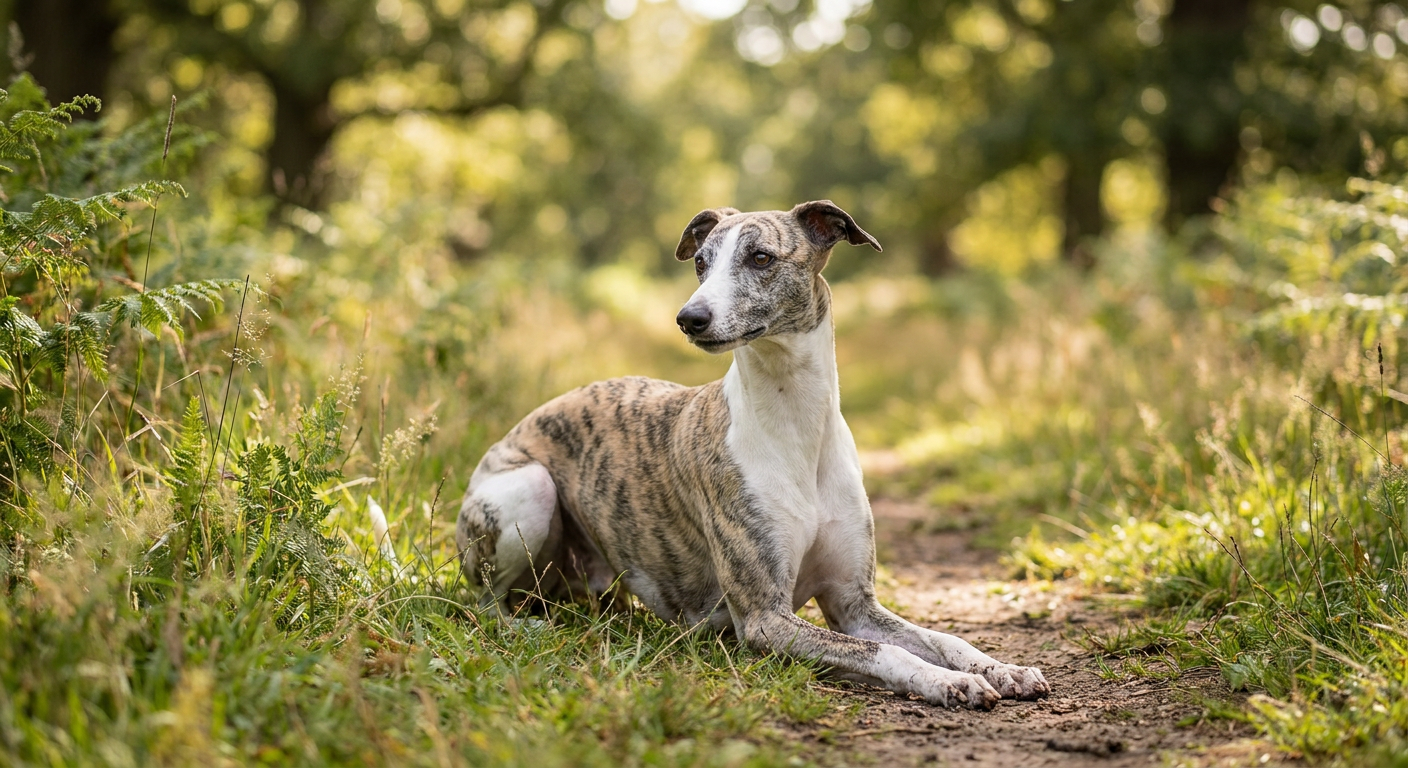
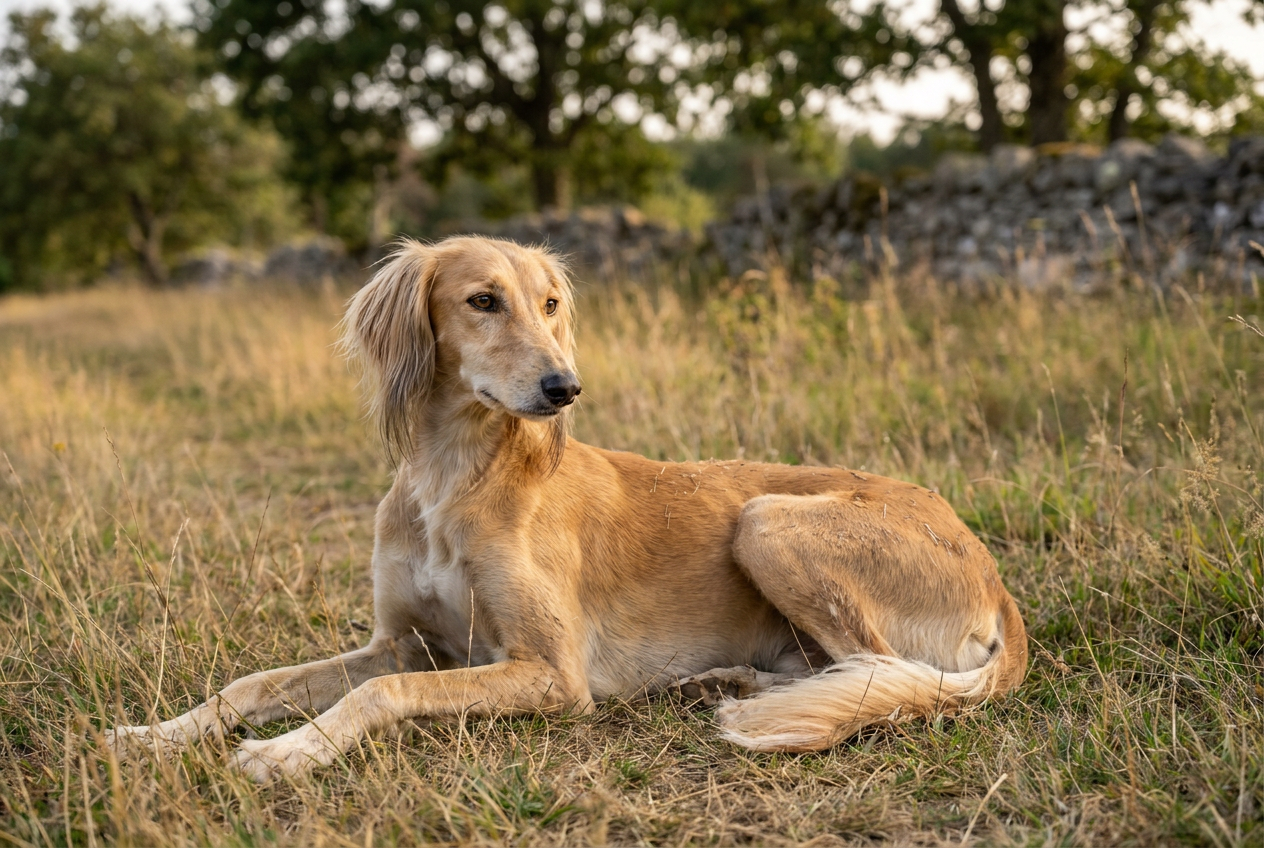
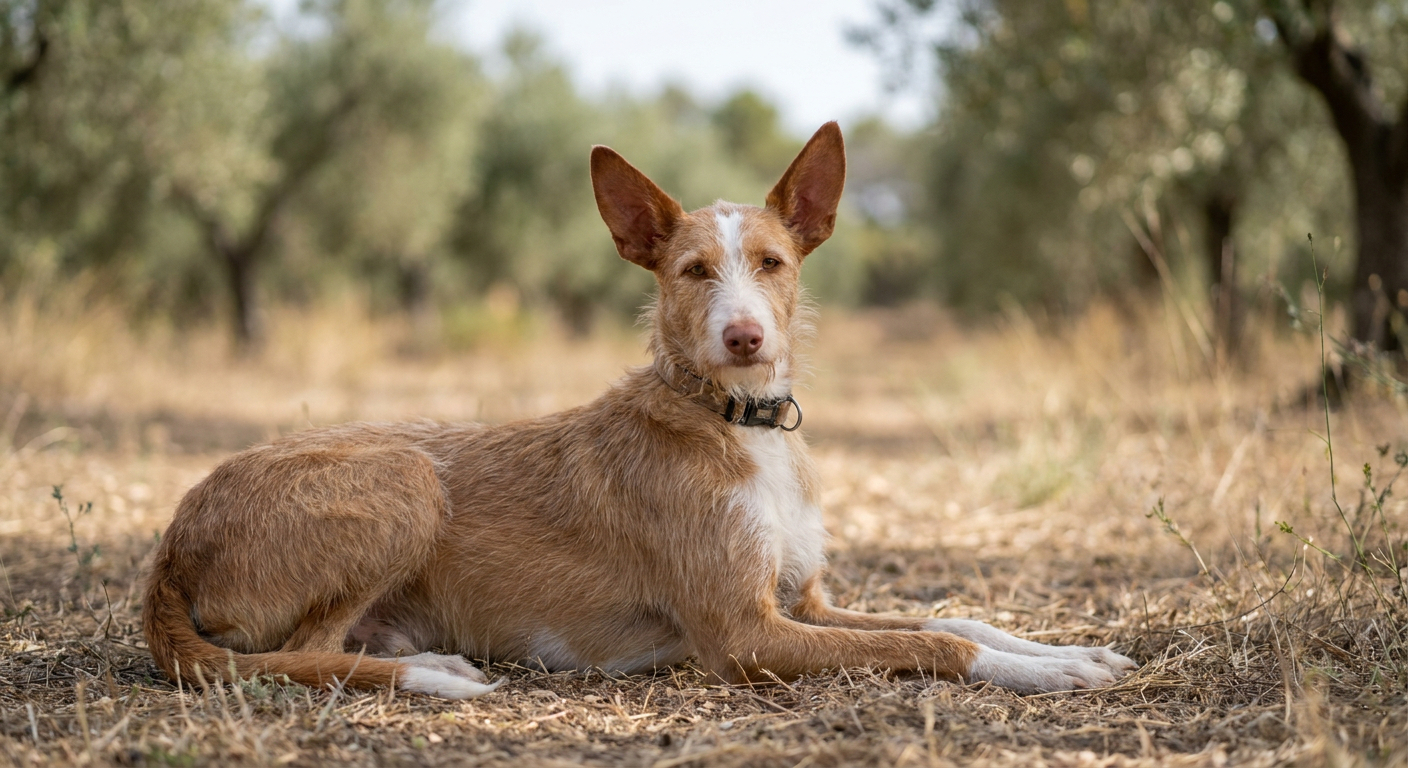
Originating in the Balearic Islands off the coast of Spain, this ancient sighthound descends from Egyptian hunting dogs brought by Phoenician traders. Historically used to hunt rabbits across rugged terrain, the breed was refined over thousands of years for speed and agility. It was officially recognized by the AKC in 1978.
Temperament & Personality
The Ibizan Hound is even-tempered, polite, and sometimes aloof with strangers. They are highly intelligent but possess an independent streak that can make them appear stubborn during training. Within the family, they are affectionate and often exhibit a playful, clownish sense of humor. Unlike many other hounds, they are highly observant and sensitive to their environment.
Health Watchouts
Top conditions reported by AKC parent clubs, OFA, and the Merck Veterinary Manual. Discuss screening with your vet — especially before breeding or insuring.
Congenital Deafness
Low-ModerateHereditary deafness can occur in the breed; BAER testing at a young age is recommended.
Screening: BAER Testing
Progressive Retinal Atrophy (PRA)
Low-ModerateSeveral inherited eye conditions, including PRA and retinal dysplasia, can affect the breed.
Screening: OFA Eye Exam (CAER)
Exercise-Induced Laryngeal Paralysis
Low/EmergingA dynamic collapse of the upper airway during exercise, though less common than in some other breeds, has been noted.
Screening: Clinical Examination
Anesthesia Sensitivity
High (Breed characteristic)Like many sighthounds, they may be sensitive to thiopental and other barbiturate anesthetics.
Screening: Pre-operative consultation with vet
Exercise Needs
This breed requires daily opportunities for vigorous exercise, preferably including high-speed sprinting in a safe, enclosed area. They are high-energy athletes that can become destructive if under-exercised.
- Sprinting in a securely fenced area
- Lure coursing
- Agility training
- Long hikes on-leash
Nutrition
Daily calories: 1000-1400 kcal/day
High-quality, protein-rich diet suitable for active breeds. Many sighthound owners prefer raised bowls, though efficacy in preventing bloat is debated.
Common allergens to watch: Beef, Dairy, Wheat.
⚠ Maintain a lean profile where the last two ribs are slightly visible; excess weight is hard on their joints.
Entertainment & Enrichment
Mental stimulation should tap into their natural prey drive and athletic versatility. These 'vertical' hounds enjoy climbing and surveying their surroundings from high vantage points.
- Lure coursing or CAT (Coursing Ability Test)
- Vertical exploration (safe climbing structures)
- Nose work or scent games
- Interactive food puzzles for meals
Grooming & Coat Care
Low maintenance; occasional brushing. Wire-haired coats may require light stripping.
Training
Use positive reinforcement and high-value rewards; they are sensitive to harsh corrections. Training must be engaging and varied to overcome their independent nature and high distractibility when prey is present.
Cost of Ownership
Lifetime cost depends on size, lifespan, and health risks. Try our Lifetime Cost Calculator →
Cost band for Ibizan Hound: high.
How insurance, vet care & grooming connect for the Ibizan Hound
These three costs move together. The Ibizan Hound’s coat, energy, and breed-specific health watchouts shape each one — here’s how they line up.
Insurance band
Common hereditary conditions raise claim odds
Vet service load
High activity raises orthopedic & injury visits
Grooming demand
Wire coat needs hand-stripping or clipping
Estimated monthly spend (typical adult)
Insurance
$85
Routine vet
$60
Grooming
$45
Combined estimate
~$190/mo(±20%, US averages)
* Estimates derived from breed traits (coat, energy, health watchouts, lifespan). Actual costs vary by location, age, and provider.
Living Situation Fit
They thrive in homes with large, securely fenced yards (6ft+). Indoors, they are calm 'couch potatoes,' but they need an outlet for their high prey drive and sprinting needs.
Choosing a Puppy
Prioritize breeders who participate in the CHIC program and temperament-test their litters. Avoid puppies that appear overly fearful or shy during socialization, as early confidence is critical for this breed.
Frequently Asked Questions
Can they really jump over high fences?
Yes, Ibizans are famous for their 5-6 foot vertical leaping ability. Ensure fences are at least 6 feet tall and secure at the base.
Are they good off-leash?
While they are sighthounds, they also utilize scent and hearing to hunt. However, their high prey drive means they should generally not be trusted off-leash in unfenced areas.
Do they need much grooming?
The wire-coated variety requires more brushing and occasional hand-stripping, while the smooth-coated variety is very low maintenance, needing only a quick wipe-down.