History & Origin
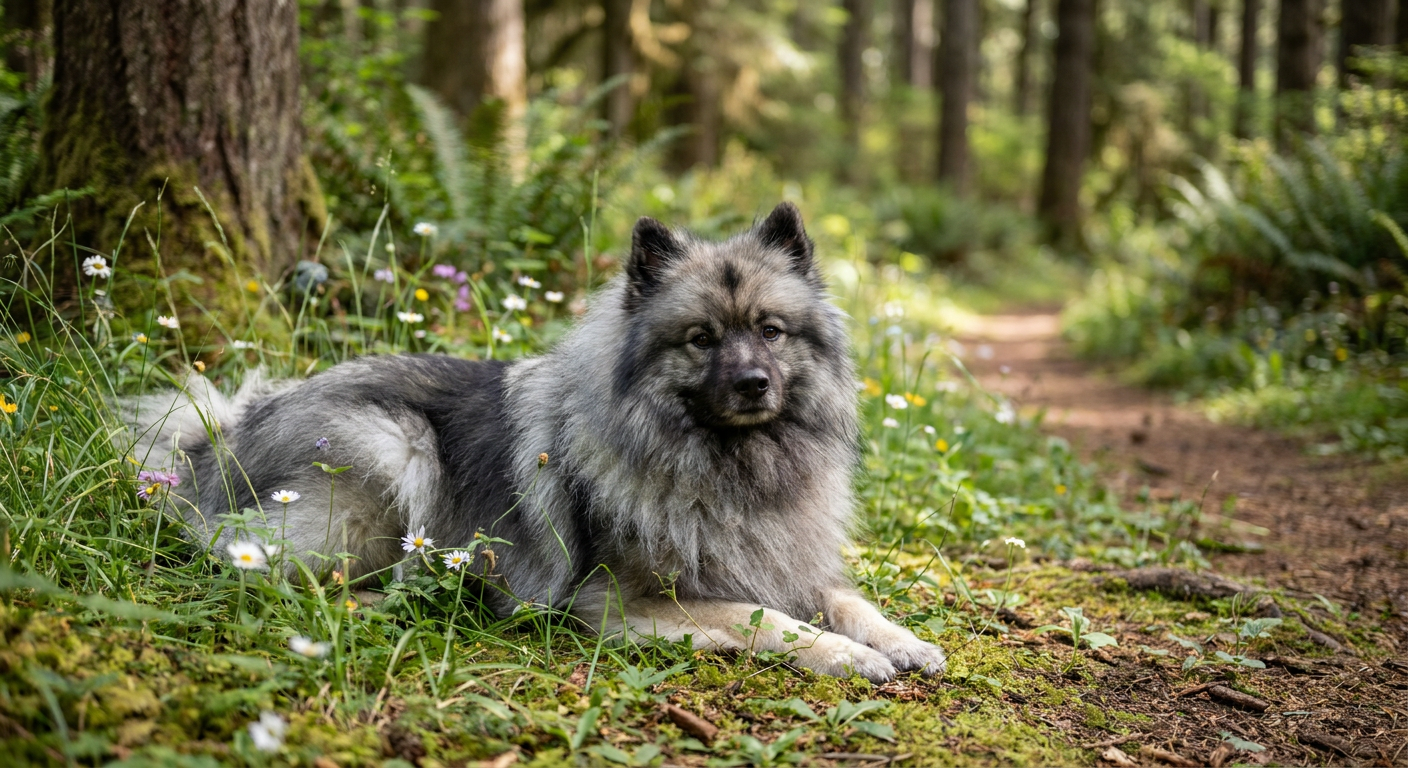
The Dutch barge dog of the 18th century, named after Dutch patriot Cornelis (Kees) de Gyselaer. Symbol of the Patriot political party. Nearly extinct after political shifts; revived in the 20th century. AKC recognition in 1930.
Temperament & Personality
Friendly, outgoing, affectionate. Excellent family dog. Vocal alert barker.
Health Watchouts
Top conditions reported by AKC parent clubs, OFA, and the Merck Veterinary Manual. Discuss screening with your vet — especially before breeding or insuring.
Hip dysplasia
~7% (OFA)Joint malformation.
Screening: OFA hips
Primary hyperparathyroidism
Notable in this breedExcess parathyroid hormone.
Screening: DNA test (Cornell)
Patellar luxation
NotableKneecap dislocation.
Screening: Vet orthopedic exam
Epilepsy
OccasionalInherited seizures.
Screening: Pedigree review
Heart defects (PDA, tetralogy)
ReportedCongenital heart issues.
Screening: Cardiac auscultation at puppy exam
Exercise Needs
45–75 minutes daily — walks, play, and dog sports.
- Daily walks
- Agility
- Trick training
- Therapy work
- Yard play
Nutrition
Daily calories: Adult: 700–1,000 kcal.
Two meals daily.
Common allergens to watch: Chicken, Wheat.
⚠ Coat hides weight; check by feel.
Entertainment & Enrichment
Smart, social, eager to please.
- Agility
- Trick training
- Therapy
- Puzzle feeders
- Doggy play
Grooming & Coat Care
Brush 2–3× weekly; daily during heavy seasonal coat blows. Bathe every 6–8 weeks. Never shave.
Training
Trainable and eager. Positive reinforcement. Address barking early.
Cost of Ownership
Lifetime cost depends on size, lifespan, and health risks. Try our Lifetime Cost Calculator →
Cost band for Keeshond: medium.
How insurance, vet care & grooming connect for the Keeshond
These three costs move together. The Keeshond’s coat, energy, and breed-specific health watchouts shape each one — here’s how they line up.
Insurance band
Multiple breed-specific health watchouts
Vet service load
Heavy shedding correlates with skin/derm visits
Grooming demand
Double coat sheds seasonally — frequent brushing
Estimated monthly spend (typical adult)
Insurance
$60
Routine vet
$50
Grooming
$75
Combined estimate
~$185/mo(±20%, US averages)
* Estimates derived from breed traits (coat, energy, health watchouts, lifespan). Actual costs vary by location, age, and provider.
Living Situation Fit
Apartment-friendly with daily exercise. Adapts well. Cool climates preferred.
Choosing a Puppy
OFA hips and patellas, cardiac, DNA test for primary hyperparathyroidism. Meet both parents.
Frequently Asked Questions
Are Keeshonds good family dogs?
Excellent — they're affectionate, gentle with children and adapt well to family life. They thrive on being included in everything.
Do Keeshonds shed a lot?
Yes — heavy seasonal shedding twice yearly with constant moderate shedding year-round. Daily brushing during 'coat blows.'
Do Keeshonds bark a lot?
They're vocal alert barkers — bred as watchdogs on Dutch canal barges. Training a 'quiet' cue from puppyhood helps.