History & Origin
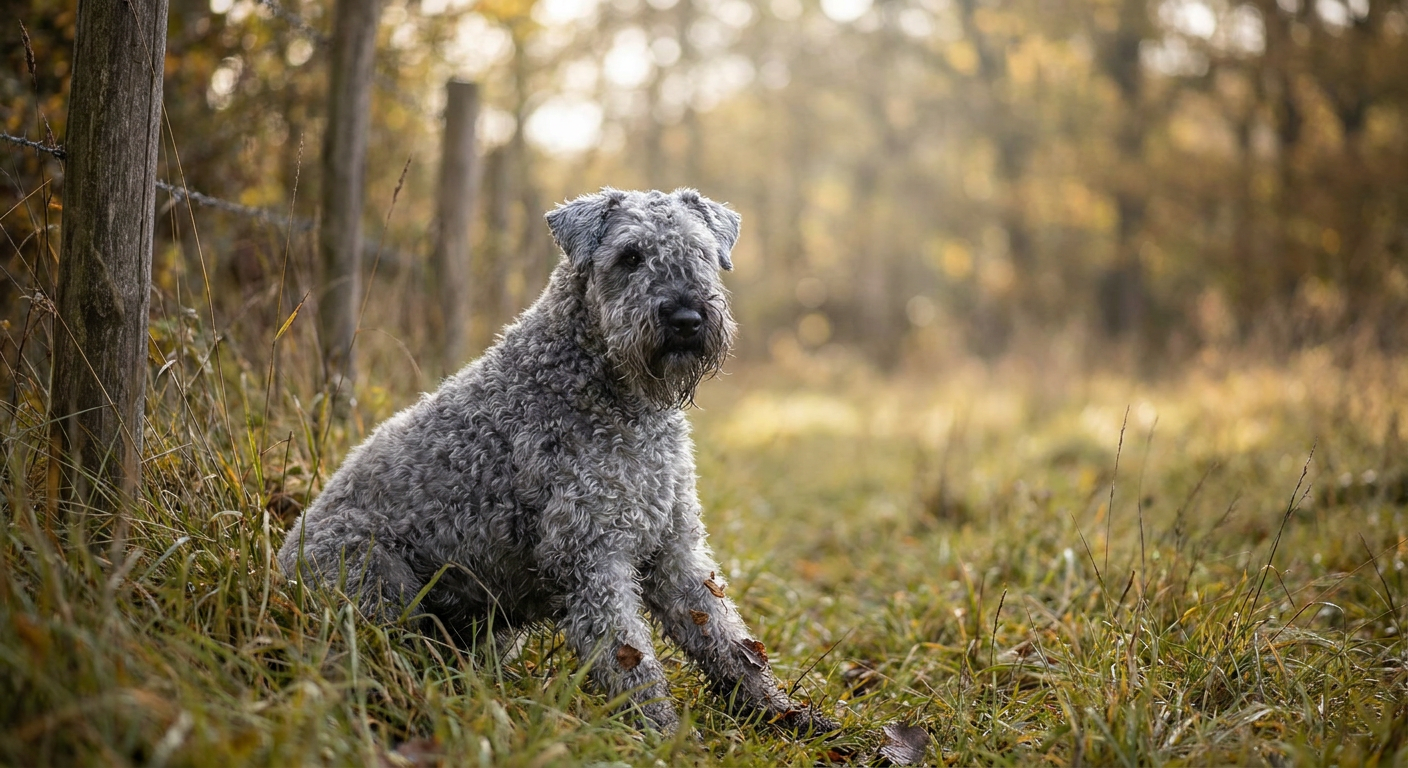
Originating from County Kerry, Ireland, in the late 1700s, this breed served as a versatile farm dog for hunting, herding, and guarding. It was officially recognized by the AKC in 1922 and famously became a symbol of Irish patriots. The breed's unique blue coat was developed through selective breeding for camouflage in the Irish landscape.
Temperament & Personality
The Kerry Blue is a spirited, highly intelligent, and versatile working dog with a classic terrier 'edge.' They are fiercely loyal to their families and can be protective, making them excellent watchdogs. While affectionate with their owners, they can be assertive or confrontational with other dogs. Training requires consistency, as they are independent thinkers who may test boundaries.
Health Watchouts
Top conditions reported by AKC parent clubs, OFA, and the Merck Veterinary Manual. Discuss screening with your vet — especially before breeding or insuring.
Factor XI Deficiency
ModerateAn inherited blood clotting disorder found in the breed; DNA testing is available.
Screening: DNA Test
Hip Dysplasia
Low to ModerateA condition where the hip joint doesn't fit together perfectly, leading to arthritis.
Screening: OFA or PennHIP Radiographs
Progressive Neuronal Abiotrophy (PNA)
Rare but breed-specificA degenerative neurological disease that causes loss of coordination and balance.
Screening: Clinical Eye/Genetic History
Skin Cysts and Tumors
HighBenign or malignant growths that are common in many terrier breeds, requiring regular 'lump checks.'
Screening: Physical Examination
Exercise Needs
A hearty working breed that requires at least an hour of vigorous activity daily to remain calm indoors.
- Brisk daily walks on a leash
- Off-leash play in securely fenced areas
- Agility or lure coursing sessions
- Swimming for low-impact conditioning
Nutrition
Daily calories: 1000-1300 kcal/day (adult)
Monitor calorie intake closely as they can be prone to weight gain if overfed relative to activity levels.
Common allergens to watch: Beef, Dairy, Wheat.
⚠ High
Entertainment & Enrichment
This breed is highly intelligent and requires mental challenges to prevent destructive digging or barking.
- Scent work or barn hunt trials
- Puzzle feeders to satisfy problem-solving needs
- Regular high-intensity fetch in a fenced area
- Advanced obedience or trick training sessions
Grooming & Coat Care
High maintenance; requires daily brushing and professional clipping every 6 weeks. Non-shedding.
Training
Requires a firm, consistent hand and positive reinforcement. They excel in dog sports but may grow bored with repetitive tasks.
Cost of Ownership
Lifetime cost depends on size, lifespan, and health risks. Try our Lifetime Cost Calculator →
Cost band for Kerry Blue Terrier: high.
How insurance, vet care & grooming connect for the Kerry Blue Terrier
These three costs move together. The Kerry Blue Terrier’s coat, energy, and breed-specific health watchouts shape each one — here’s how they line up.
Insurance band
Common hereditary conditions raise claim odds
Vet service load
High activity raises orthopedic & injury visits
Grooming demand
Professional clipping every 6–8 weeks
Estimated monthly spend (typical adult)
Insurance
$85
Routine vet
$60
Grooming
$60
Combined estimate
~$205/mo(±20%, US averages)
* Estimates derived from breed traits (coat, energy, health watchouts, lifespan). Actual costs vary by location, age, and provider.
Living Situation Fit
Thrives in homes with a securely fenced yard; adaptable to apartments if exercised vigorously daily. Not suitable for outdoor living due to strong social needs.
Choosing a Puppy
Look for breeders who provide OFA clearances for hips and Factor XI deficiency. Avoid any puppy that appears overly shy, as Kerry Blues should be bold and confident from a young age.
Frequently Asked Questions
Are Kerry Blue Terriers born with their blue coat?
No, they are born solid black. The signature 'blue' or gray coat color develops gradually, usually completing by 18 to 24 months of age.
Are they good with other pets?
They have a strong prey drive and can be dog-aggressive if not properly socialized. They are generally not recommended for homes with small 'pocket pets' or unsupervised with strange dogs.
How much grooming do they really need?
While they don't shed, their dense, wavy hair grows constantly and requires professional grooming every 6-8 weeks to prevent matting and maintain the breed standard silhouette.