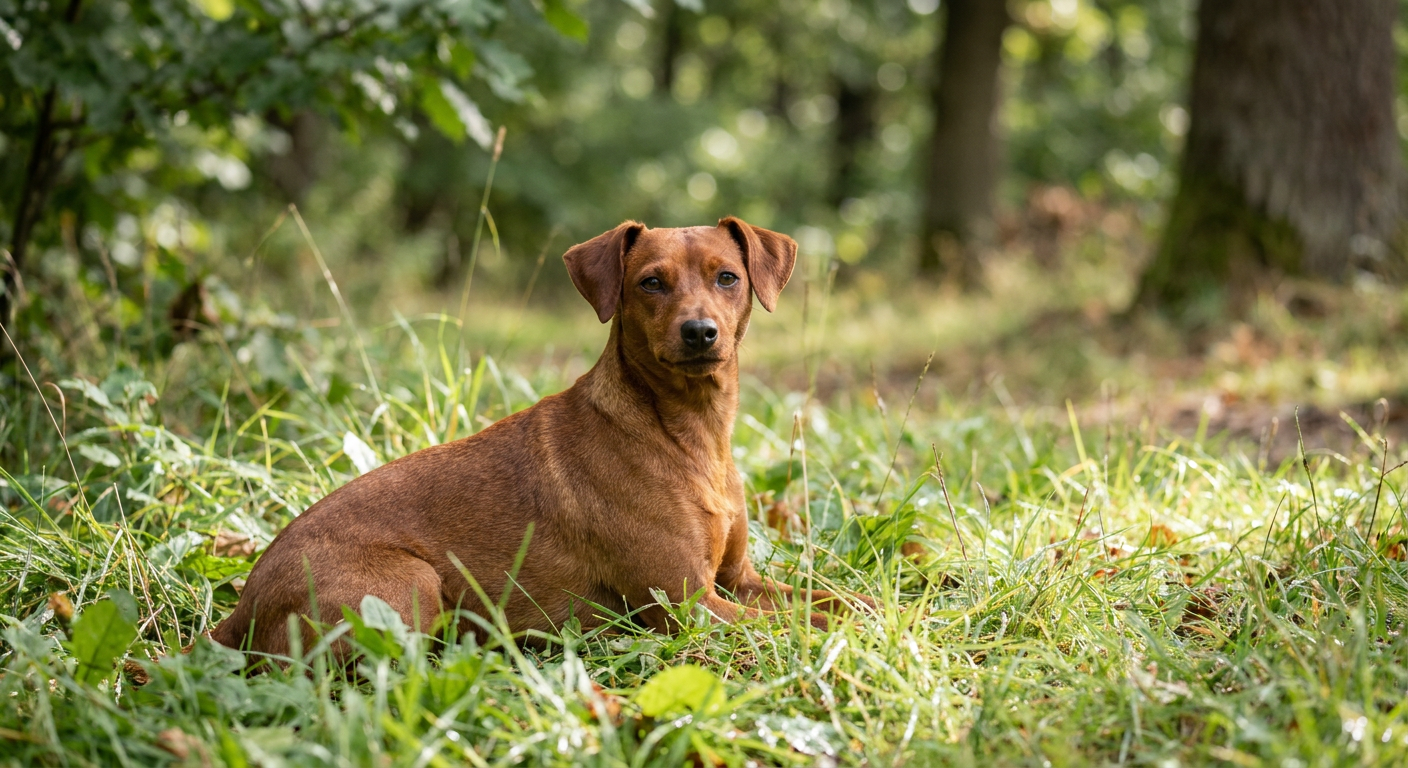
History & Origin
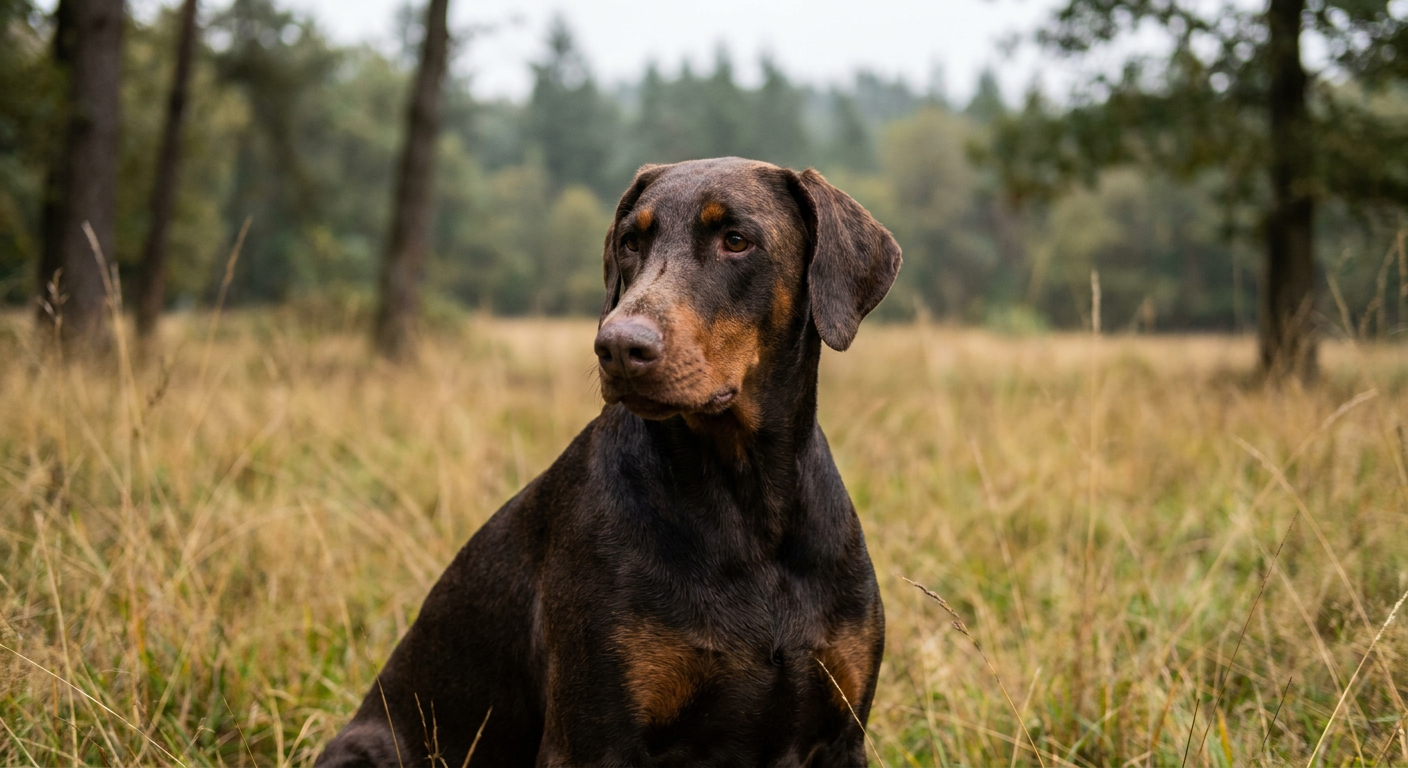
Developed in Germany several centuries ago, this breed was originally used as a ratter in stables and homes. Despite the resemblance, it is not a bred-down Doberman but is likely a cross of the German Pinscher, Italian Greyhound, and Dachshund. The breed gained significant popularity in the early 20th century, with the first US imports arriving around 1919.
Temperament & Personality
Fearless, energetic, and highly alert, this breed is often called the 'King of Toys.' They possess a spirited self-assurance that borders on arrogance and are wary of strangers, making them excellent watchdogs. While affectionate with their families, they are independent thinkers who require consistent, firm leadership.
Health Watchouts
Top conditions reported by AKC parent clubs, OFA, and the Merck Veterinary Manual. Discuss screening with your vet — especially before breeding or insuring.
Patellar Luxation
Common in toy breedsA condition where the kneecap slips out of its normal groove, causing lameness.
Screening: OFA physical evaluation
Legg-Calvé-Perthes Disease
ModerateA hip disorder where the femoral head spontaneously degenerates, leading to arthritis and pain.
Screening: Hip radiographs (X-rays)
Mucopolysaccharidosis Type VI (MPS VI)
Rare but breed-specificA deficiency of an enzyme that leads to the accumulation of molecules in the body, causing dwarfism and skeletal issues.
Screening: DNA testing
Progressive Retinal Atrophy (PRA)
ModerateA group of eye diseases that involve the gradual deterioration of the retina.
Screening: Ophthalmologist exam / DNA testing
Exercise Needs
Despite their small size, these dogs are highly active and athletic. They require at least 45 to 60 minutes of daily activity to prevent restlessness and behavioral issues.
- Brisk neighborhood walks on a secure harness
- Off-leash play in a safely fenced area
- Barn hunt or lure coursing trials
- Indoor fetch and hide-and-seek games
Nutrition
Daily calories: 250-400 kcal/day depending on activity level.
Divide daily portions into two meals to maintain steady blood sugar levels. They are highly food-motivated and can become overweight easily.
Common allergens to watch: Beef, Dairy, Wheat.
⚠ Even one or two extra pounds can strain their joints and exacerbate patellar luxation.
Entertainment & Enrichment
Mental stimulation is vital to prevent the 'King of Toys' from becoming a destructive explorer. They require daily mental challenges to satisfy their high intelligence and curiosity.
- Advanced clicker training for complex tricks
- Nose work or scent games to provide mental stimulation
- Agility courses sized for toy breeds
- Interactive puzzle feeders to slow down eating and engage the brain
Grooming & Coat Care
Minimal grooming is required; a weekly brushing with a soft bristle brush or grooming mitt will remove loose hair. Their fast-growing nails require regular trimming, and dental hygiene is critical due to their small mouths.
Training
Training requires patience and creativity as they can be stubborn and easily distracted. They respond best to positive reinforcement and short, engaging sessions that feel like games. Early socialization is mandatory to manage their natural suspicion of strangers and other dogs.
Cost of Ownership
Lifetime cost depends on size, lifespan, and health risks. Try our Lifetime Cost Calculator →
Cost band for Miniature Pinscher: medium.
How insurance, vet care & grooming connect for the Miniature Pinscher
These three costs move together. The Miniature Pinscher’s coat, energy, and breed-specific health watchouts shape each one — here’s how they line up.
Insurance band
Common hereditary conditions raise claim odds
Vet service load
High activity raises orthopedic & injury visits
Grooming demand
Low-maintenance coat — monthly bath and brush
Estimated monthly spend (typical adult)
Insurance
$75
Routine vet
$50
Grooming
$30
Combined estimate
~$155/mo(±20%, US averages)
* Estimates derived from breed traits (coat, energy, health watchouts, lifespan). Actual costs vary by location, age, and provider.
Living Situation Fit
Ideal for apartment living if exercise needs are met, provided neighbors are tolerant of their vocal nature. They must live indoors and require secure fencing, as they are capable of squeezing through very small gaps.
Choosing a Puppy
Look for breeders who provide OFA clearances for patellas and DNA testing for mucopolysaccharidosis Type VI. Ensure the puppy is outgoing and social, as fearful Min Pins can become overly reactive.
Frequently Asked Questions
Is the Miniature Pinscher a 'Mini Doberman'?
No. While they look like small Dobermans, the Miniature Pinscher is a distinct breed that is actually older than the Doberman Pinscher.
Do they need a leash at all times?
Yes, they are notorious escape artists and have a high prey drive. They should always be on a leash or in a securely fenced area when outdoors.
Are they sensitive to cold?
They have a very thin coat and little body fat, making them highly sensitive to cold weather. Sweaters or coats are necessary during winter months.