History & Origin
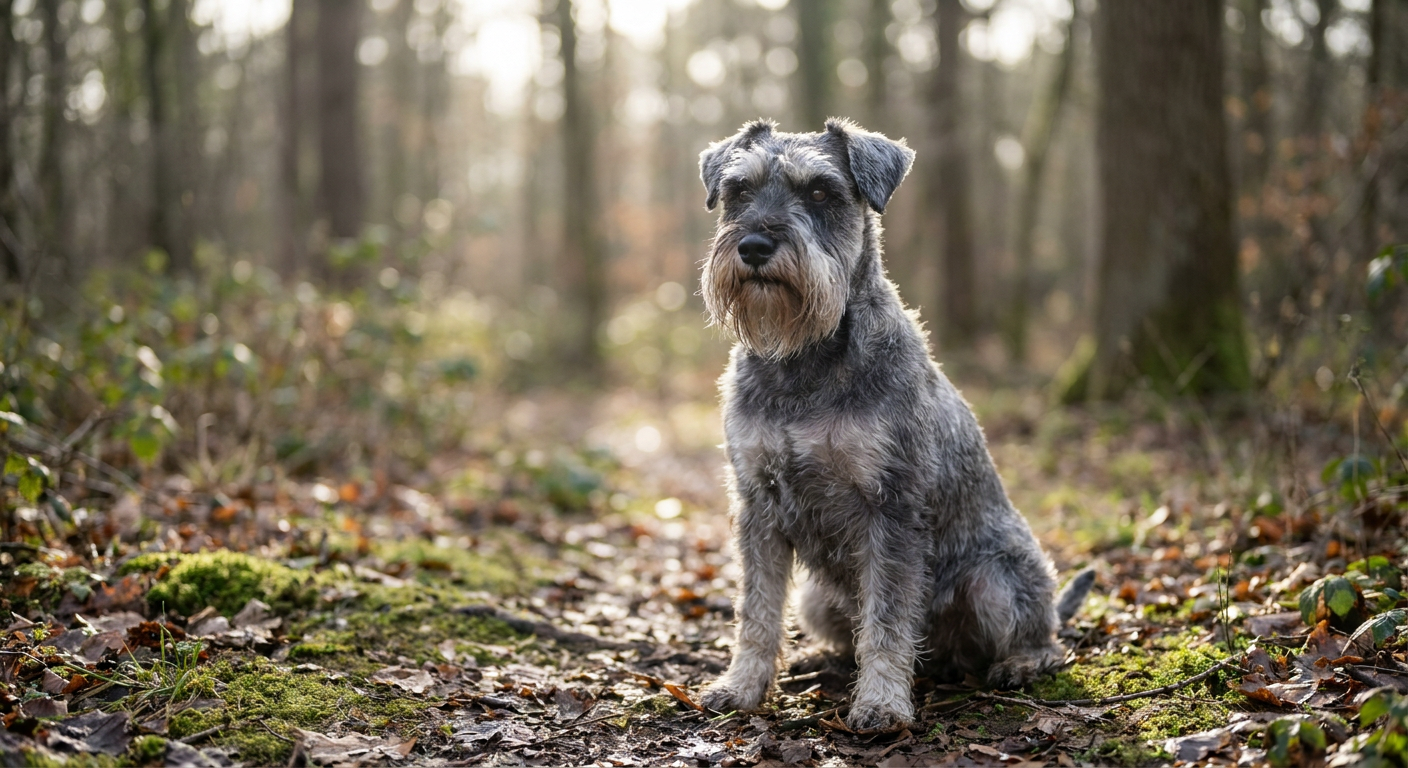
Developed in 19th-century Germany by crossing Standard Schnauzers with smaller breeds (Affenpinscher, Poodle). Bred as farm ratters. AKC recognition in 1926. Classified by AKC as a Terrier despite German origin.
Temperament & Personality
Alert, lively, friendly. Less feisty than British terriers. Loves family. Can be vocal alert barkers.
Health Watchouts
Top conditions reported by AKC parent clubs, OFA, and the Merck Veterinary Manual. Discuss screening with your vet — especially before breeding or insuring.
Pancreatitis
Breed-overrepresentedInflammation of the pancreas, often triggered by fatty foods.
Screening: Low-fat diet; avoid table scraps
Bladder stones
CommonCalcium oxalate or struvite stones.
Screening: Annual urinalysis
Hyperlipidemia
CommonHigh blood fats.
Screening: Fasting lipid panel after age 4
Eye disorders
NotableCataracts, PRA.
Screening: Annual CERF
Mycobacterium avium
Breed-specific riskRare but serious infection.
Screening: Vet awareness
Exercise Needs
45–60 minutes daily — walks and play.
- Brisk walks
- Earth-dog trials
- Agility
- Trick training
- Fetch
Nutrition
Daily calories: Adult: 400–600 kcal.
Low-fat diet to prevent pancreatitis. Two meals daily.
Common allergens to watch: Chicken, Wheat.
⚠ Obesity worsens pancreatitis and joint disease.
Entertainment & Enrichment
Smart and busy — needs daily mental work.
- Earth-dog trials
- Trick training
- Puzzle feeders
- Nose work
- Agility
Grooming & Coat Care
Brush 2× weekly. Professional hand-stripping or clipping every 6–8 weeks ($50–$80). Clean beard daily.
Training
Easy and willing with positive reinforcement. Address barking early. Channel terrier prey drive into games.
Cost of Ownership
Lifetime cost depends on size, lifespan, and health risks. Try our Lifetime Cost Calculator →
Cost band for Miniature Schnauzer: medium.
How insurance, vet care & grooming connect for the Miniature Schnauzer
These three costs move together. The Miniature Schnauzer’s coat, energy, and breed-specific health watchouts shape each one — here’s how they line up.
Insurance band
Common hereditary conditions raise claim odds
Vet service load
Several conditions worth annual screening
Grooming demand
Professional clipping every 6–8 weeks
Estimated monthly spend (typical adult)
Insurance
$75
Routine vet
$45
Grooming
$60
Combined estimate
~$180/mo(±20%, US averages)
* Estimates derived from breed traits (coat, energy, health watchouts, lifespan). Actual costs vary by location, age, and provider.
Living Situation Fit
Apartment-friendly. Adaptable to any home with daily exercise. Tolerates being alone moderately well.
Choosing a Puppy
Eye CERF, hyperlipidemia screening, urinalysis on parents. Meet both parents — temperament should be confident, not snappy.
Frequently Asked Questions
Are Miniature Schnauzers hypoallergenic?
Considered low-allergen — their wiry coat sheds minimally and they produce less dander than many breeds. No dog is fully hypoallergenic; spend time with the breed before committing.
Do Miniature Schnauzers bark a lot?
Yes — they're vocal alert barkers. Training a 'quiet' cue from puppyhood and managing boredom helps.
Why do Miniature Schnauzers get pancreatitis?
They have a genetic predisposition to high blood fats (hyperlipidemia) that increases pancreatitis risk. Strict low-fat diet and avoiding table scraps are essential.