History & Origin
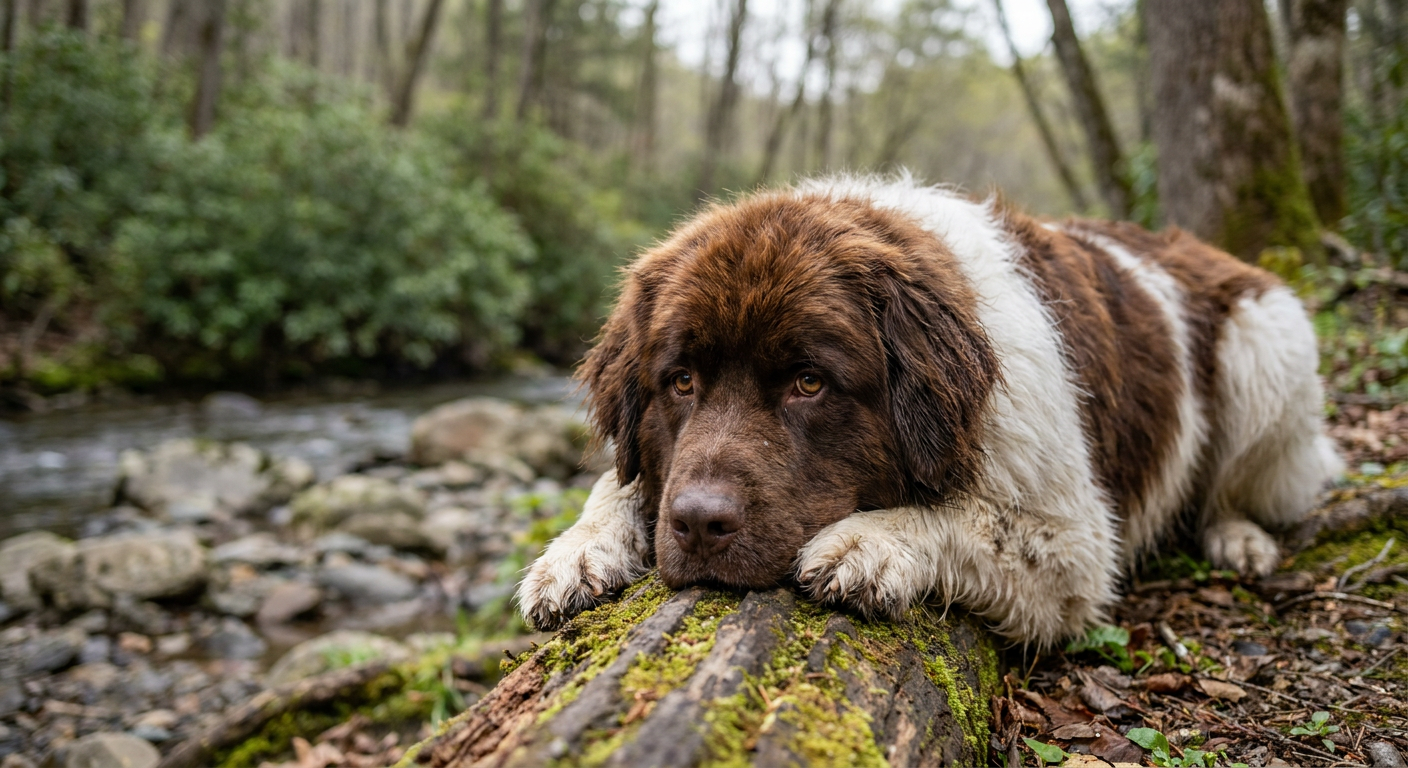
Developed in Newfoundland by fishermen for hauling nets and water rescue. Webbed feet and oily coat are adaptations. Lord Byron's beloved 'Boatswain' was a Newfie. AKC recognition in 1886.
Temperament & Personality
Sweet, patient, devoted. The 'nanny dog' nickname comes from their gentleness with children. Calm indoors, athletic in water.
Health Watchouts
Top conditions reported by AKC parent clubs, OFA, and the Merck Veterinary Manual. Discuss screening with your vet — especially before breeding or insuring.
Hip & elbow dysplasia
~25% (OFA)Joint malformation.
Screening: OFA hips and elbows
Subaortic stenosis
Breed-overrepresentedCongenital heart defect.
Screening: Cardiac echo at 12 months
Cystinuria
HereditaryUrinary stone disease.
Screening: DNA test (Type I)
Bloat
High-risk giant breedStomach twisting.
Screening: Prophylactic gastropexy recommended
Cancer
Leading cause of deathOsteosarcoma, lymphoma.
Screening: Twice-yearly senior exams
Exercise Needs
45–60 minutes of moderate exercise — swimming is ideal.
- Swimming
- Water rescue training
- Cart-pulling
- Cool-weather walks
- Therapy work
Nutrition
Daily calories: Adult: 2,000–2,800 kcal.
Two meals daily; bloat-aware. Large-breed puppy formula.
Common allergens to watch: Chicken, Wheat.
⚠ Lean BCS critical for joints and longevity.
Entertainment & Enrichment
Calm dogs that thrive on water work and family time.
- Water-rescue training
- Trick training
- Puzzle feeders
- Cart-pulling
- Therapy visits
Grooming & Coat Care
Brush 2–3× weekly; daily during shedding seasons. Bathe every 6–8 weeks. Dry between toes after swimming.
Training
Sensitive and trainable. Positive reinforcement with patience. Early socialization with the size in mind.
Cost of Ownership
Lifetime cost depends on size, lifespan, and health risks. Try our Lifetime Cost Calculator →
Cost band for Newfoundland: high.
How insurance, vet care & grooming connect for the Newfoundland
These three costs move together. The Newfoundland’s coat, energy, and breed-specific health watchouts shape each one — here’s how they line up.
Insurance band
Brachycephalic or giant-breed risk profile
Vet service load
Heavy shedding correlates with skin/derm visits
Grooming demand
Double coat sheds seasonally — frequent brushing
Estimated monthly spend (typical adult)
Insurance
$85
Routine vet
$60
Grooming
$75
Combined estimate
~$220/mo(±20%, US averages)
* Estimates derived from breed traits (coat, energy, health watchouts, lifespan). Actual costs vary by location, age, and provider.
Living Situation Fit
House with yard; cool climates preferred. Not for apartments. Plan for high food, vet, and grooming costs.
Choosing a Puppy
OFA hips/elbows, cardiac echo, DNA for cystinuria. Discuss gastropexy at spay/neuter.
Frequently Asked Questions
Are Newfoundlands good with children?
Outstanding — the 'nanny dog' reputation is well earned. They're patient, gentle and protective. Their size means toddlers should be supervised.
Do Newfoundlands need a pool or lake?
Not required but they love water. Access to swimming is great for exercise and joint health. Without it, plan on cool walks and indoor play.
How much do Newfoundlands drool?
Heavily — especially after eating or drinking. Wipe loose jowls multiple times daily. Drool can fling on walls and furniture.