History & Origin
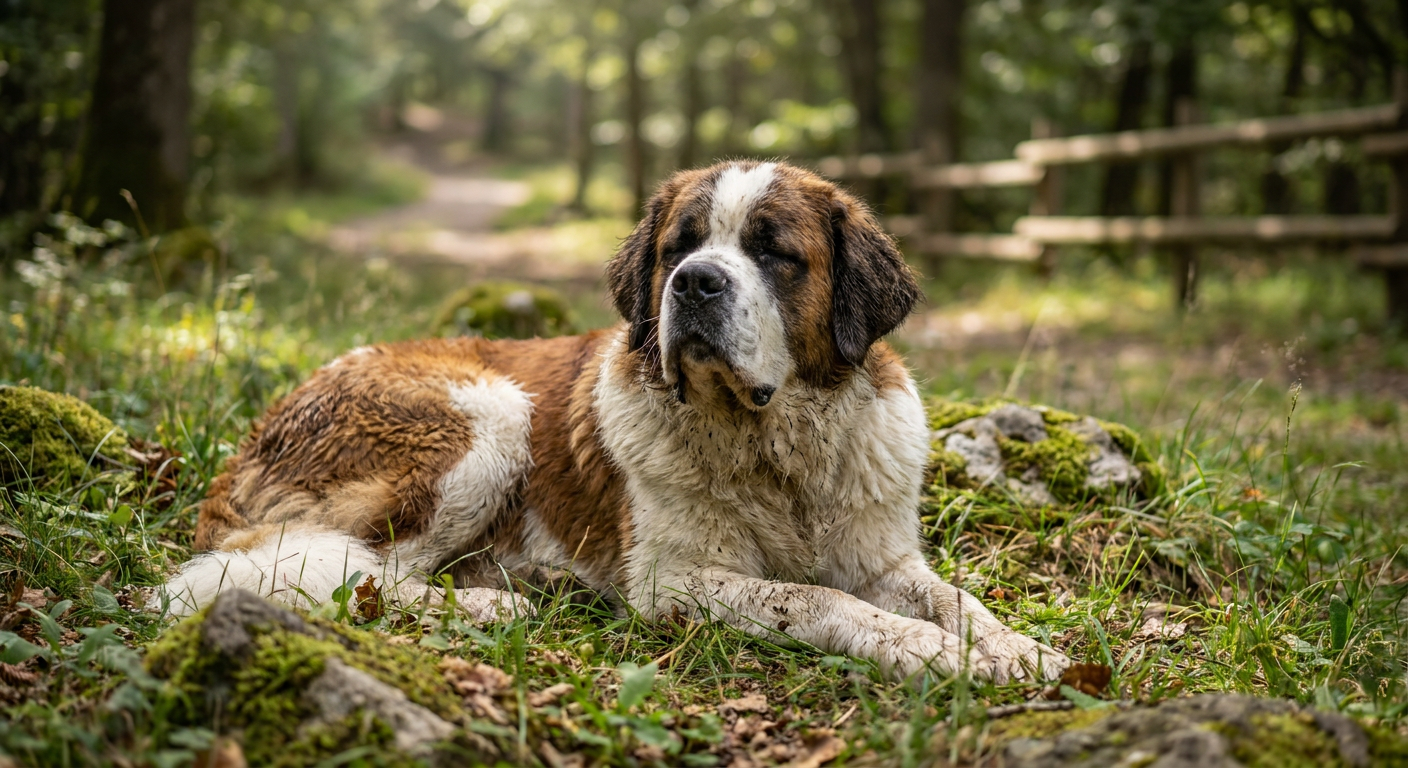
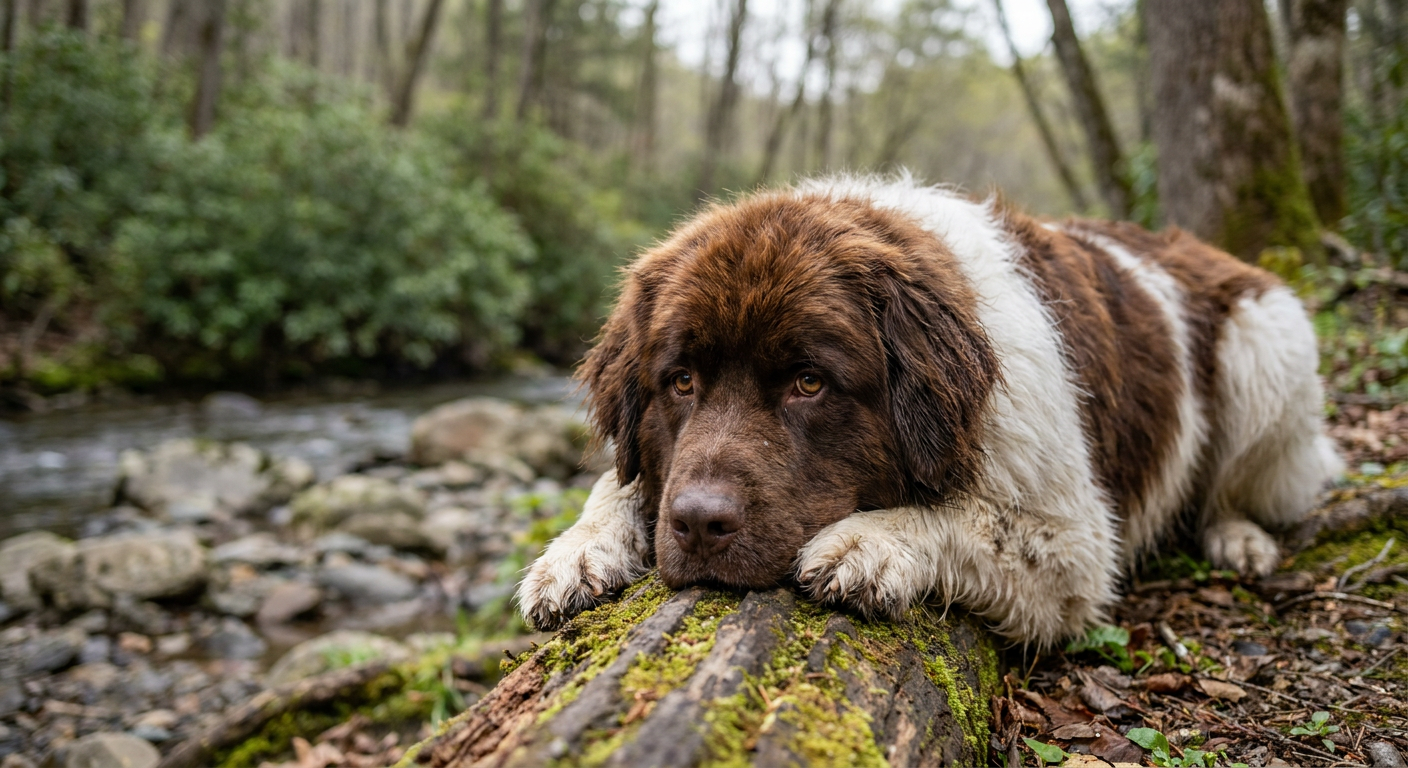
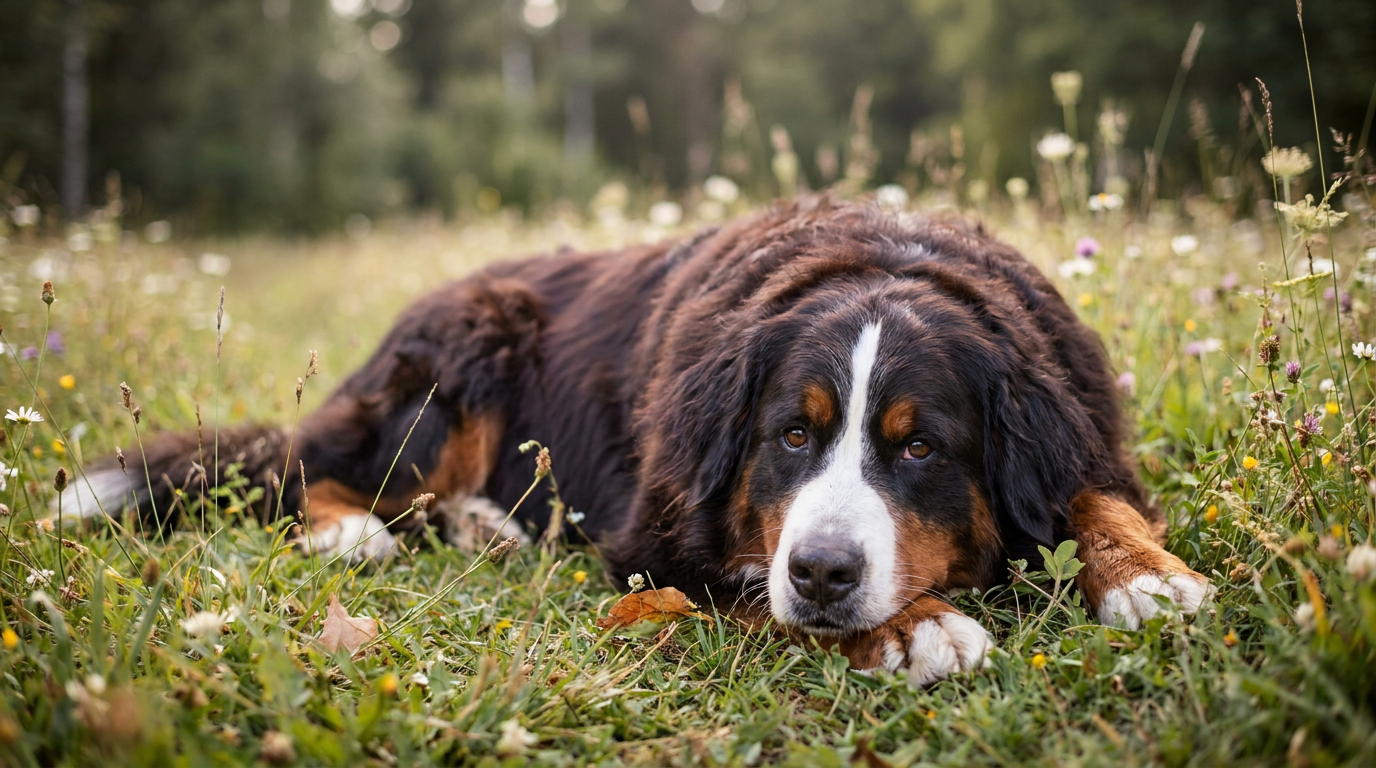
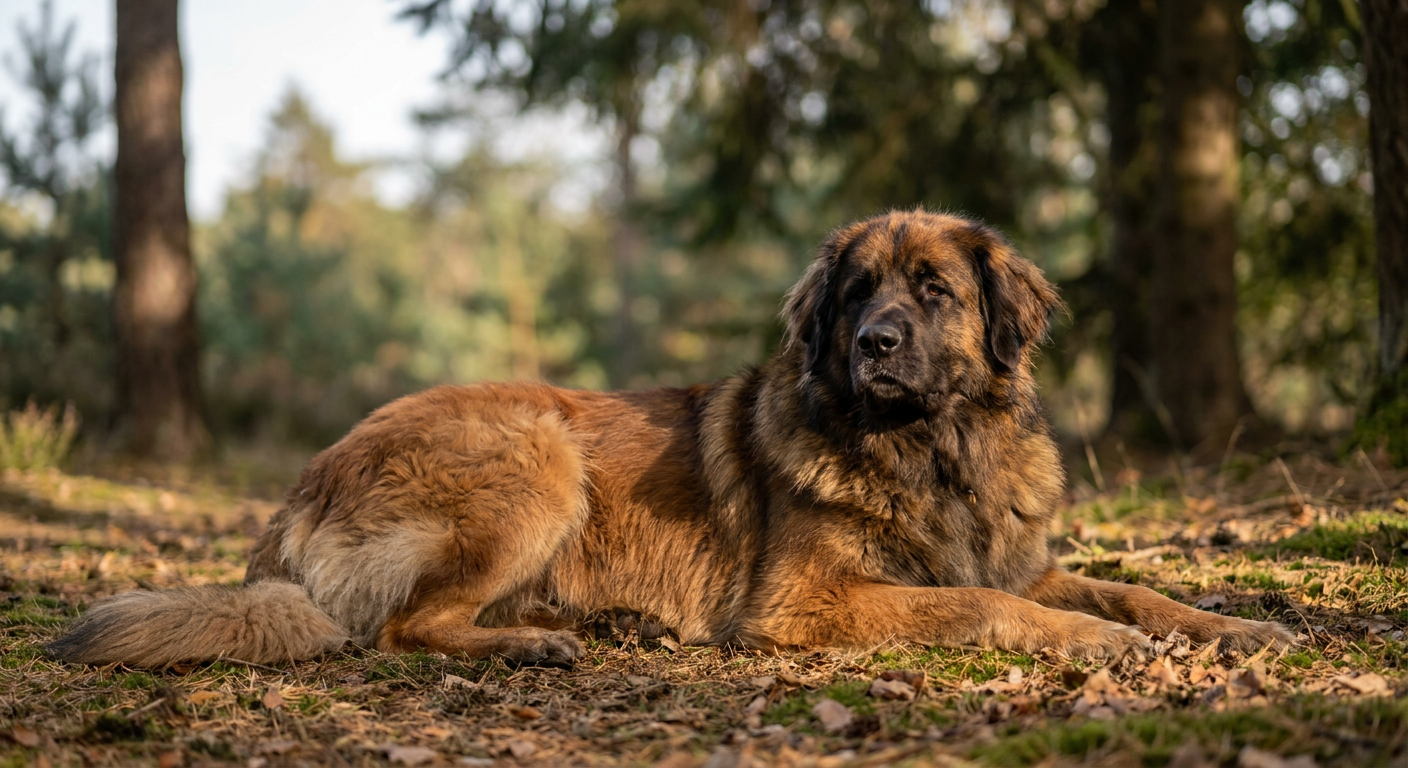
Originating in Leonberg, Germany in the 1840s, Heinrich Essig bred these dogs to resemble the lion on the town's crest. They were created by crossing Saint Bernards, Newfoundlands, and Great Pyrenees. The breed nearly faced extinction during the World Wars, with only a handful of dogs remaining to rebuild the population.
Temperament & Personality
Leonbergers are characterized by their 'lion-like' appearance but have a remarkably gentle, stable, and affectionate nature. They are deeply devoted to their families and typically exhibit a calm confidence in new situations. While friendly, they act as vigilant watchdogs, prioritizing the safety of their households. They are highly intelligent but can be sensitive to harsh training methods.
Health Watchouts
Top conditions reported by AKC parent clubs, OFA, and the Merck Veterinary Manual. Discuss screening with your vet — especially before breeding or insuring.
Gastric Dilatation-Volvulus (GDL/Bloat)
HighA life-threatening condition where the stomach fills with gas and twists.
Screening: Gastropexy surgery often recommended
Hip Dysplasia
CommonMalformation of the hip joint leading to arthritis and lameness.
Screening: OFA or PennHIP X-rays
Leonberger Polyneuropathy (LPN)
ModerateAn inherited neurological disorder causing progressive weakness and muscle wasting.
Screening: Genetic DNA testing (LPN1, LPN2, LPPN3)
Osteosarcoma
ModerateAn aggressive form of bone cancer common in giant breeds.
Screening: Physical exams and X-rays if limping occurs
Exercise Needs
They require moderate daily exercise to maintain muscle tone and mental health, though they are generally calm indoors.
- Leashed neighborhood walks
- Gentle hiking
- Backyard play sessions
- Supervised swimming
Nutrition
Daily calories: 2500-3500 kcal depending on activity and size
Feed two or more smaller meals per day to reduce bloat risk; avoid vigorous exercise an hour before and after meals.
Common allergens to watch: Beef, Dairy, Wheat.
⚠ Excess weight significantly increases stress on joints and risk of orthopedic disease.
Entertainment & Enrichment
Mental stimulation should focus on their heritage as versatile farm and water dogs, emphasizing low-impact activities that engage their senses.
- Pulling carts or wagons (draft work)
- Scent work or tracking exercises
- Swimming in safe, shallow areas
- Interactive food puzzles to slow down eating
- Gentle hiking on soft terrain
Grooming & Coat Care
High; requires thorough brushing at least twice weekly (daily during shedding seasons) to prevent matting and manage heavy shedding.
Training
Early socialization and basic obedience are critical due to their immense size. They respond best to positive reinforcement and consistency, as they are sensitive to their owner's emotions.
Cost of Ownership
Lifetime cost depends on size, lifespan, and health risks. Try our Lifetime Cost Calculator →
Cost band for Leonberger: high.
How insurance, vet care & grooming connect for the Leonberger
These three costs move together. The Leonberger’s coat, energy, and breed-specific health watchouts shape each one — here’s how they line up.
Insurance band
Brachycephalic or giant-breed risk profile
Vet service load
Heavy shedding correlates with skin/derm visits
Grooming demand
Double coat sheds seasonally — frequent brushing
Estimated monthly spend (typical adult)
Insurance
$85
Routine vet
$60
Grooming
$75
Combined estimate
~$220/mo(±20%, US averages)
* Estimates derived from breed traits (coat, energy, health watchouts, lifespan). Actual costs vary by location, age, and provider.
Living Situation Fit
This breed requires a large home with a fenced yard. Because of their thick coats, they do best in cooler climates and must be monitored closely for overheating in summer.
Choosing a Puppy
Look for breeders who perform OFA/PennHIP evaluations and CHIC certification. A reputable breeder will provide documentation for heart, eye, hip, and elbow clearances for both parents.
Frequently Asked Questions
Do Leonbergers shed much?
Yes, they are notorious shedders and blow their undercoats twice a year. Daily brushing is recommended to manage the volume of hair.
Are they good with children?
Most Leonbergers are excellent family dogs and tend to be very patient and protective of children, earning them the nickname 'gentle giants.'
What is their life expectancy?
Like many giant breeds, they have a shorter lifespan, typically averaging 7 to 10 years.