History & Origin
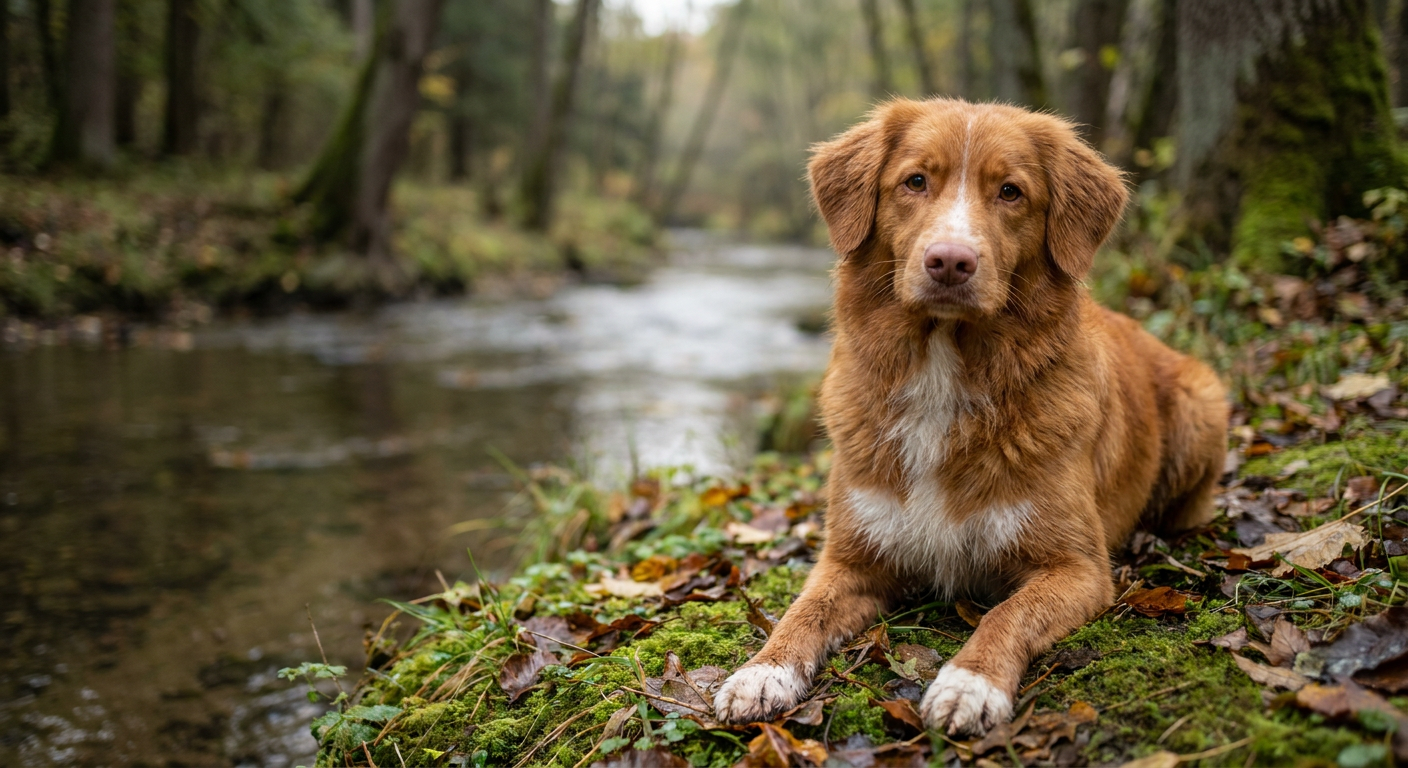
Developed by Mi'kmaq and early settlers in Nova Scotia to mimic playful foxes that drew curious ducks closer. Recognized by the Canadian Kennel Club in 1945, AKC in 2003.
Temperament & Personality
Intelligent, affectionate with family, often reserved with strangers. Sensitive — harsh corrections shut them down. Famous 'Toller scream' of excitement.
Health Watchouts
Top conditions reported by AKC parent clubs, OFA, and the Merck Veterinary Manual. Discuss screening with your vet — especially before breeding or insuring.
Hip dysplasia
~15% (OFA)Joint malformation.
Screening: OFA hips
Progressive retinal atrophy
HereditaryInherited blindness.
Screening: DNA test
Steroid-responsive meningitis-arteritis
Breed-overrepresentedInflammatory disease causing pain and fever in young dogs.
Screening: Vet awareness; pedigree review
Addison's disease
Elevated breed riskAdrenal insufficiency.
Screening: ACTH stim if symptomatic
Autoimmune thyroiditis
NotableImmune-mediated thyroid destruction.
Screening: Annual T4/TSH
Exercise Needs
60–90 minutes daily including swimming and retrieving.
- Water retrieves
- Agility and obedience
- Dock diving
- Hiking
- Scent work
Nutrition
Daily calories: Adult: 900–1,400 kcal.
Two meals daily. Watch portions — Tollers can gain weight easily in pet homes.
Common allergens to watch: Chicken, Beef.
⚠ Lean condition essential for joints and longevity.
Entertainment & Enrichment
Sharp problem-solvers who excel at any sport you teach them.
- Agility classes
- Trick training
- Retrieve-based puzzle games
- Nose work
- Disc dog
Grooming & Coat Care
Brush 2× weekly; daily during seasonal coat blows. Bathe every 6–8 weeks. Trim feathering and feet.
Training
Highly trainable with positive methods. Sensitive — never use harsh corrections. Excellent at sports and obedience.
Cost of Ownership
Lifetime cost depends on size, lifespan, and health risks. Try our Lifetime Cost Calculator →
Cost band for Nova Scotia Duck Tolling Retriever: medium.
How insurance, vet care & grooming connect for the Nova Scotia Duck Tolling Retriever
These three costs move together. The Nova Scotia Duck Tolling Retriever’s coat, energy, and breed-specific health watchouts shape each one — here’s how they line up.
Insurance band
Multiple breed-specific health watchouts
Vet service load
High activity raises orthopedic & injury visits
Grooming demand
Double coat sheds seasonally — frequent brushing
Estimated monthly spend (typical adult)
Insurance
$60
Routine vet
$60
Grooming
$75
Combined estimate
~$195/mo(±20%, US averages)
* Estimates derived from breed traits (coat, energy, health watchouts, lifespan). Actual costs vary by location, age, and provider.
Living Situation Fit
House with yard preferred; apartments work only with active owners. Bonds intensely with family — not for absentee homes.
Choosing a Puppy
OFA hips, eye CERF, DNA for PRA, autoimmune thyroid panel. Meet both parents. Tollers are a small breed with limited gene pool — good breeders prioritize health screening.
Frequently Asked Questions
Are Tollers good family dogs?
Yes for active families. They're affectionate, playful, and devoted but can be too sensitive for chaotic households. Best with older children who understand gentle handling.
What is the 'Toller scream'?
A high-pitched excited vocalization unique to the breed when anticipating a retrieve or play. It's normal but can surprise neighbors.
Do Tollers need a lot of grooming?
Moderate — twice-weekly brushing prevents matting; daily during spring/fall shedding seasons. Their water-repellent coat needs only occasional bathing.