History & Origin
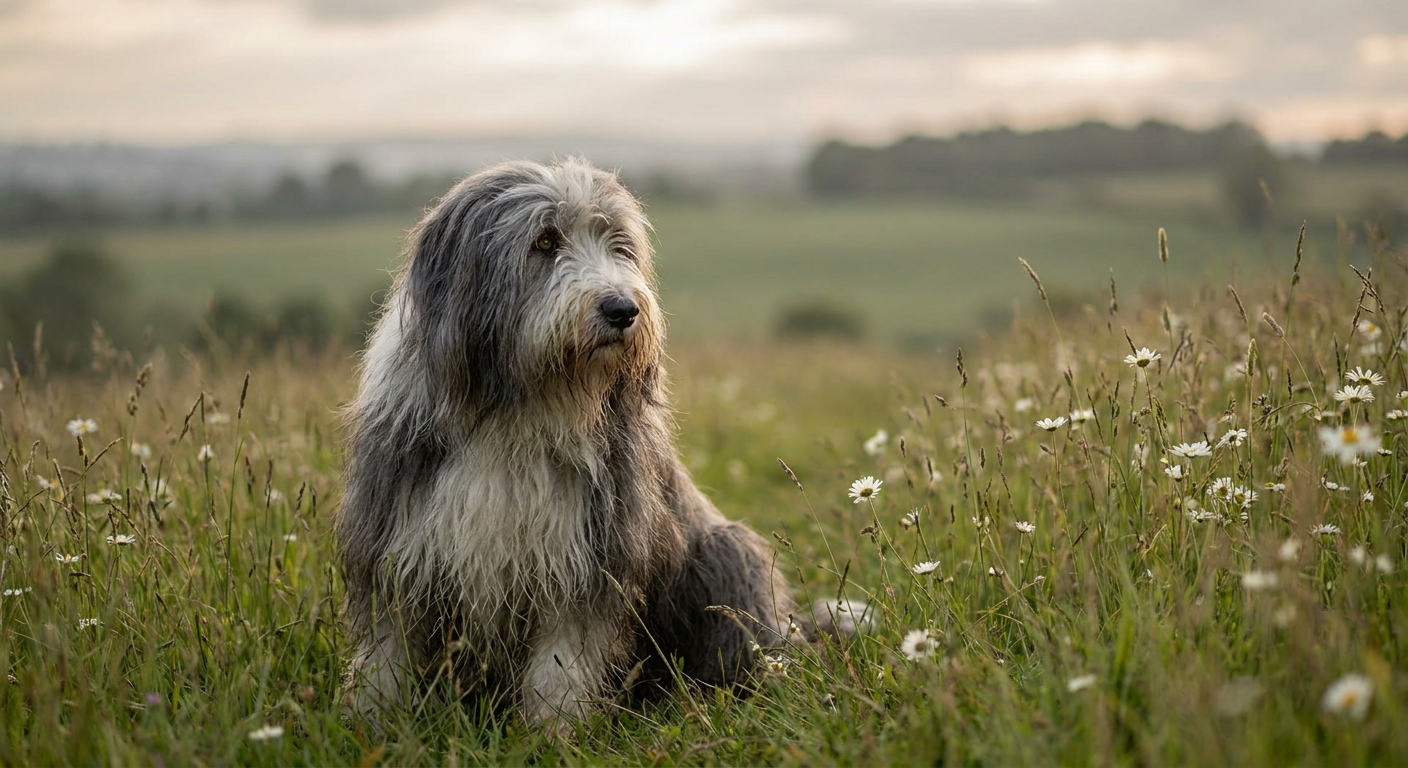
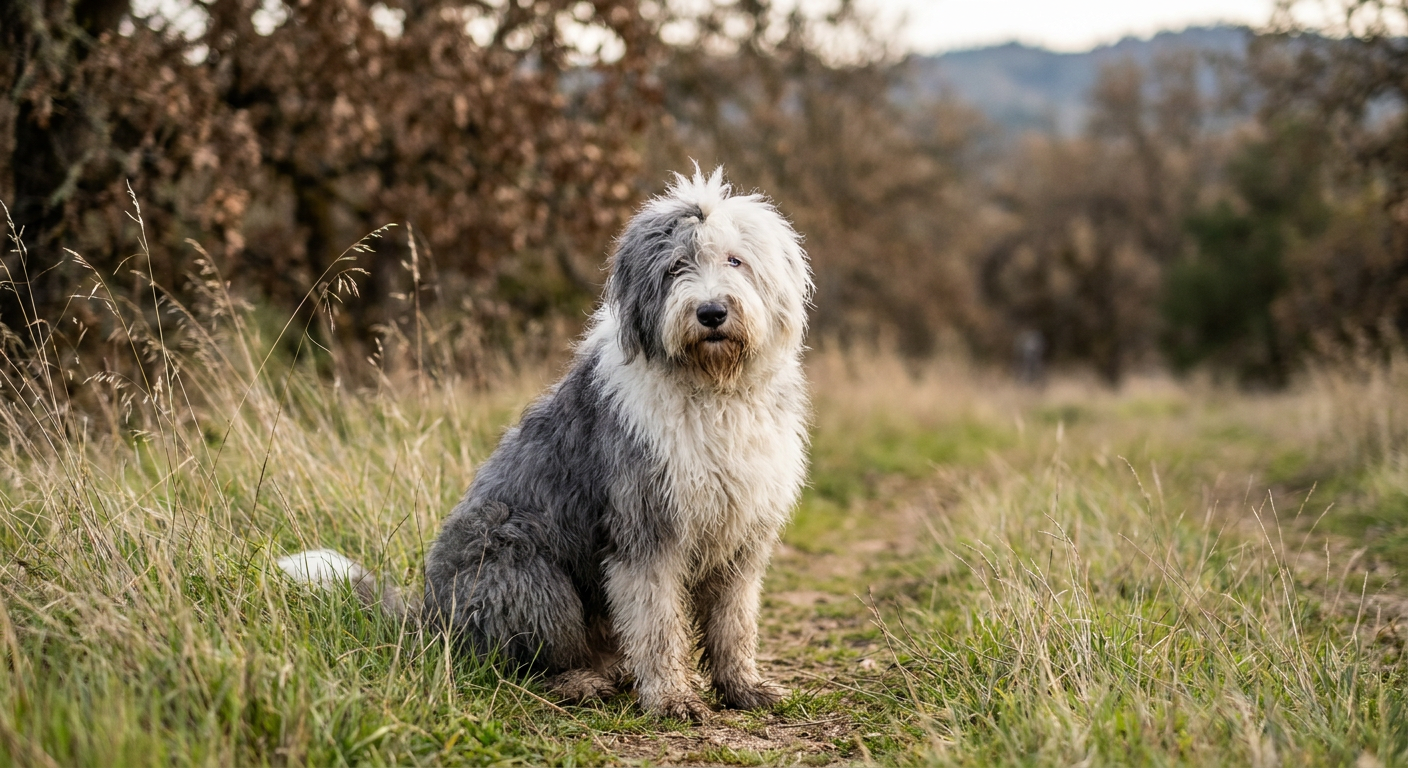
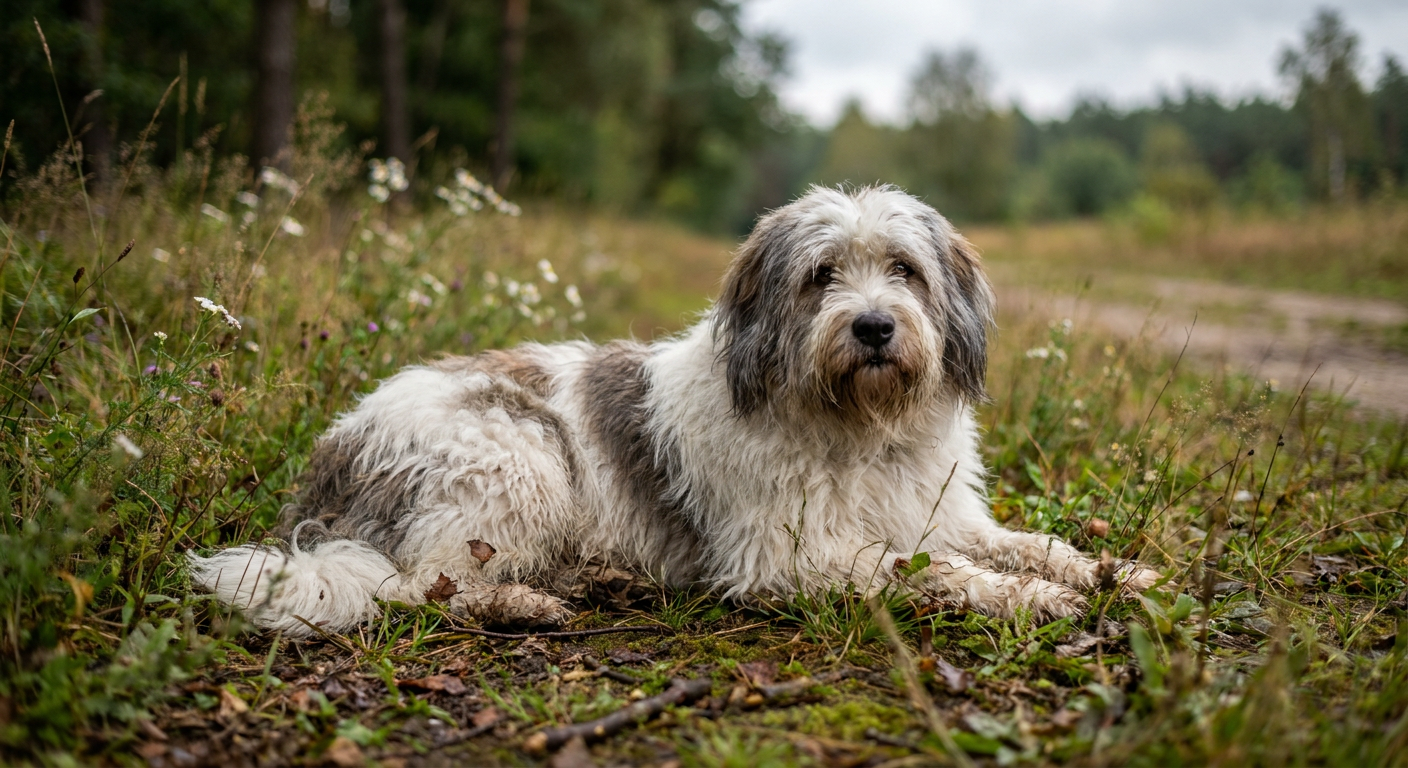
The Polski Owczarek Nizinny, or PON, descended from Asian herding dogs brought to Europe by the Huns. By the 1500s, they were established in Poland and were key in developing the Bearded Collie. The breed nearly became extinct after World War II but was revived by Dr. Danuta Hryniewicz in the 1950s.
Temperament & Personality
Clever, confident, and highly territorial with a lively personality. They are devoted to their families but often aloof or wary with strangers. This breed is known for its 'PON memory' and may hold a grudge or remember specific training patterns for years.
Health Watchouts
Top conditions reported by AKC parent clubs, OFA, and the Merck Veterinary Manual. Discuss screening with your vet — especially before breeding or insuring.
Hip Dysplasia
CommonDevelopmental instability of the hip joint leading to arthritis.
Screening: OFA or PennHIP radiograph
Progressive Retinal Atrophy (PRA)
ModerateGenetic eye disease causing gradual vision loss and eventual blindness.
Screening: DNA test / annual CAER exam
Cataracts
ModerateClouding of the lens resulting in impaired vision.
Screening: Annual CAER exam
Hypothyroidism
OccasionalLow thyroid hormone levels leading to weight gain, lethargy, and skin issues.
Screening: Full blood thyroid panel
Exercise Needs
Moderate to high activity is required; this breed possesses significant stamina and a desire to work.
- Daily brisk walks
- Off-leash hiking in secure areas
- Agility or herding training
- Fetch or flyball
Nutrition
Daily calories: 900-1100 kcal depending on activity level
Divide daily portions into two meals to prevent bloat and monitor weight closely as their coat can mask weight gain.
Common allergens to watch: Beef, Dairy, Wheat.
⚠ High; PONs are prone to obesity if their exercise does not match their caloric intake.
Entertainment & Enrichment
Mental stimulation is vital for this working breed to prevent boredom-induced barking or destructive behaviors.
- Advanced obedience trials
- Herding clinics or instinct tests
- Scent work or tracking games
- Food-dispensing puzzle toys
- Herding balls (Treibball)
Grooming & Coat Care
Extensive. Requires brushing at least weekly to the skin to prevent matting; professional grooming or 'puppy cuts' can simplify maintenance.
Training
Requires consistent, firm, but fair training from an early age; they are independent thinkers who may try to outsmart their owners.
Cost of Ownership
Lifetime cost depends on size, lifespan, and health risks. Try our Lifetime Cost Calculator →
Cost band for Polish Lowland Sheepdog: high.
How insurance, vet care & grooming connect for the Polish Lowland Sheepdog
These three costs move together. The Polish Lowland Sheepdog’s coat, energy, and breed-specific health watchouts shape each one — here’s how they line up.
Insurance band
Common hereditary conditions raise claim odds
Vet service load
High activity raises orthopedic & injury visits
Grooming demand
Double coat sheds seasonally — frequent brushing
Estimated monthly spend (typical adult)
Insurance
$85
Routine vet
$60
Grooming
$45
Combined estimate
~$190/mo(±20%, US averages)
* Estimates derived from breed traits (coat, energy, health watchouts, lifespan). Actual costs vary by location, age, and provider.
Living Situation Fit
Adaptable to apartments if exercised, but prefers a home with a fenced yard. Their territorial nature makes them excellent, albeit vocal, watchdogs.
Choosing a Puppy
Seek breeders who provide OFA or PennHIP results for hips and recent CAER eye clearances. Ensure the puppy was raised with early neurological stimulation to prevent excessive shyness or reactivity.
Frequently Asked Questions
How much grooming do they need?
The Polish Lowland Sheepdog (PON) is a high-maintenance grooming breed that requires thorough brushing at least twice a week to prevent mats.
Are they good with children?
They are generally good with children they are raised with but can be 'nippy' at heels due to herding instincts; supervision is required.
Are they easy to train?
Yes, they are highly intelligent and independent, but they can be stubborn and require a confident, consistent trainer.