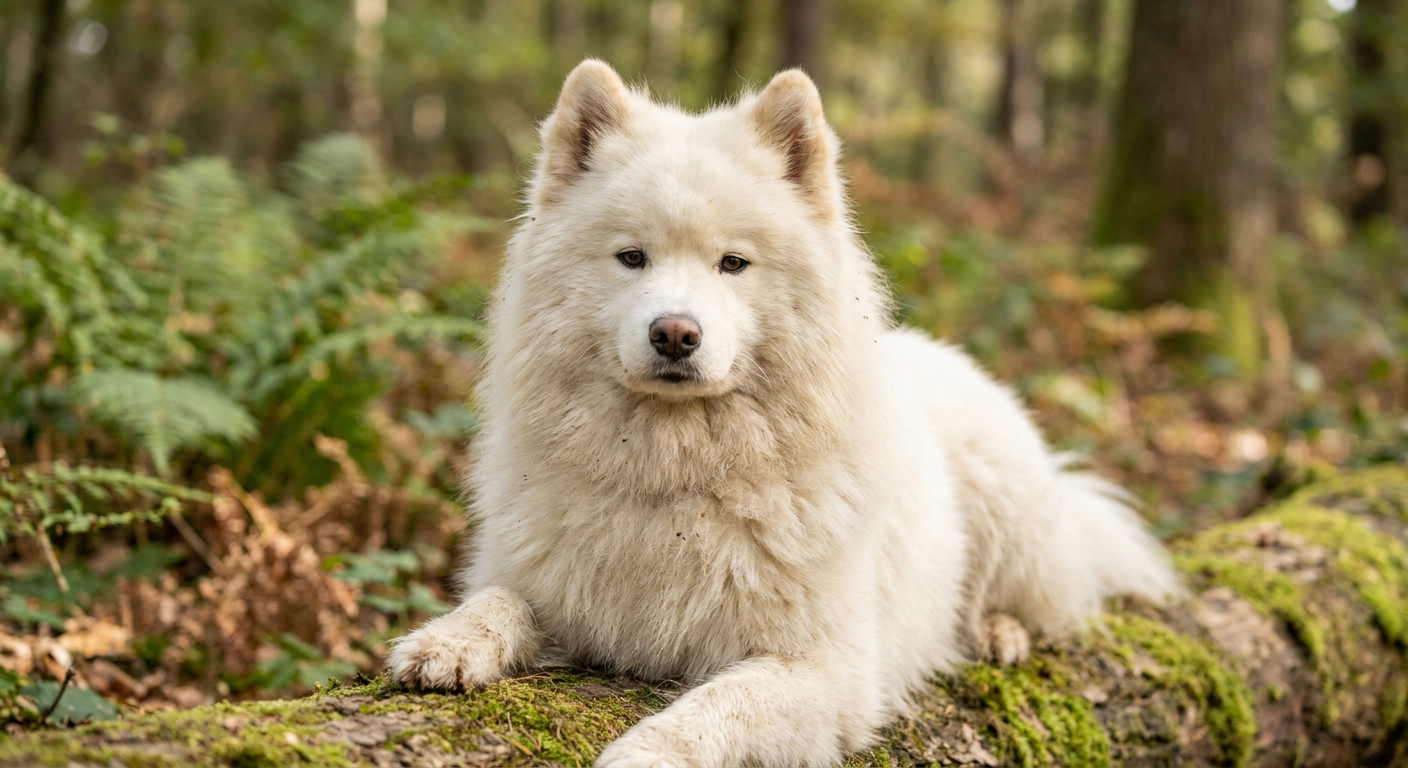
History & Origin
Developing in Siberia, these dogs were bred by the Samoyetic people for herding reindeer, pulling sleds, and guarding. They famously slept with their owners to provide warmth in sub-zero temperatures. The breed was brought to England and the United States in the late 19th and early 20th centuries, gaining fame through Arctic and Antarctic expeditions.
Temperament & Personality
Known for their 'Samoyed smile,' these dogs are exceptionally friendly, social, and gentle. They are deeply devoted to their families and generally get along well with children and other dogs. However, they maintain a strong chase instinct and can be vocal, often using a range of barks, howls, and 'woos' to communicate.
Health Watchouts
Top conditions reported by AKC parent clubs, OFA, and the Merck Veterinary Manual. Discuss screening with your vet — especially before breeding or insuring.
Samoyed Hereditary Glomerulopathy (SHG)
Specific to breed linesA heritable form of kidney disease that predominantly affects young males, leading to renal failure.
Screening: Genetic testing and family history monitoring
Hip Dysplasia
CommonA condition where the hip joint doesn't fit together perfectly, which can lead to arthritis.
Screening: OFA or PennHIP evaluation
Progressive Retinal Atrophy (PRA)
ModerateAn inherited eye disease that can lead to blindness.
Screening: OFA Eye Clinic/CAER exam
Hypothyroidism
ModerateInadequate production of thyroid hormone, leading to lethargy and skin issues.
Screening: Blood thyroid panel
Exercise Needs
Requires vigorous daily activity and thrives in cold climates; they are not suited for sedentary living or high heat.
- Daily long-distance walking or jogging
- Backyard agility or obstacle courses
- Weight-pulling or packing light hiking gear
- Social play sessions in a fenced area
Nutrition
Daily calories: 1200-1500 kcal/day (adult average)
Feed a high-quality, protein-rich diet appropriate for a working breed; measure meals to prevent obesity.
Common allergens to watch: Beef, Dairy, Wheat.
⚠ Extra weight puts significant strain on the hips and complicates heat regulation under their thick coat.
Entertainment & Enrichment
Mental stimulation is vital to prevent destructive vocalization and chewing; they thrive on tasks that mimic their heritage as multipurpose working dogs.
- Sledding or urban mushing (pulling carts/scooters)
- Hide-and-seek games with favorite toys
- Herding-style ball play (Treibball)
- Frozen treats or puzzle feeders to occupy the mind
- Long hikes in cold weather environments
Grooming & Coat Care
Brush at least three times weekly to manage shedding and prevent matting. They require intensive 'line-brushing' down to the skin, especially during the biannual coat blow.
Training
Highly intelligent but independent; they may lose interest in repetitive tasks. Use positive reinforcement and keep sessions varied and engaging to overcome their 'what’s in it for me' attitude.
Cost of Ownership
Lifetime cost depends on size, lifespan, and health risks. Try our Lifetime Cost Calculator →
Cost band for Samoyed: high.
How insurance, vet care & grooming connect for the Samoyed
These three costs move together. The Samoyed’s coat, energy, and breed-specific health watchouts shape each one — here’s how they line up.
Insurance band
Common hereditary conditions raise claim odds
Vet service load
High activity raises orthopedic & injury visits
Grooming demand
Double coat sheds seasonally — frequent brushing
Estimated monthly spend (typical adult)
Insurance
$85
Routine vet
$60
Grooming
$75
Combined estimate
~$220/mo(±20%, US averages)
* Estimates derived from breed traits (coat, energy, health watchouts, lifespan). Actual costs vary by location, age, and provider.
Living Situation Fit
Best suited for homes with a large, securely fenced yard and owners who can devote significant time to grooming. They thrive in colder climates and should not be left alone for long periods due to their pack-oriented nature.
Choosing a Puppy
Insist on seeing OFA/PennHIP results for hips and recent CAER eye exams for both parents. Reputable breeders should provide a clear history regarding Samoyed Hereditary Glomerulopathy in their lines.
Frequently Asked Questions
Are Samoyeds hypoallergenic?
No, they are a high-shedding breed. They produce 'snow' (loose undercoat) year-round, with heavy shedding events twice a year.
Do Samoyeds bark a lot?
Inherently social, they tend to bark or 'talk' frequently to communicate; they are not typically quiet dogs.
Can Samoyeds live in hot climates?
While they are gentle, they are prone to heatstroke. Exercise must be limited to early mornings or late evenings in summer.