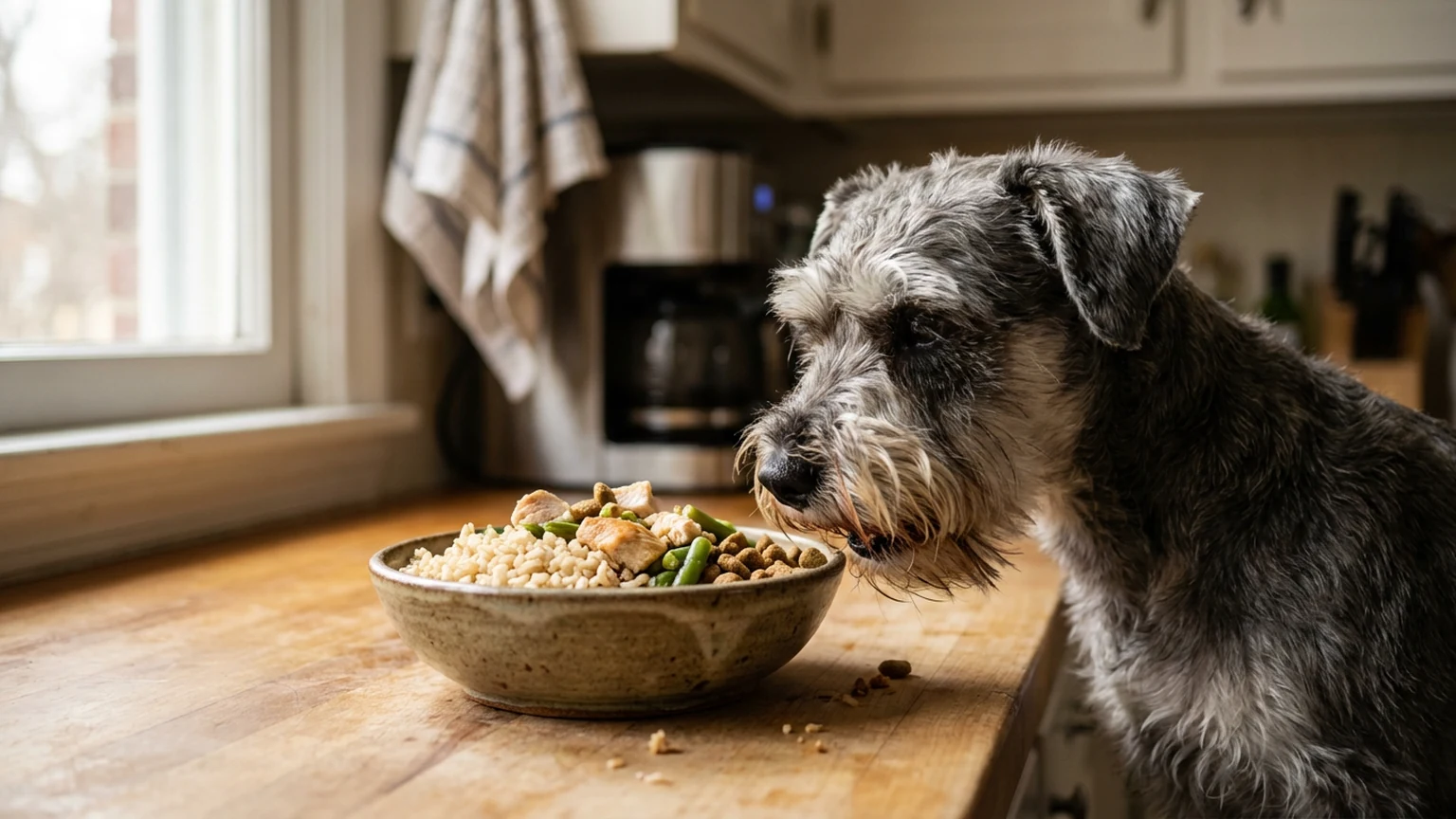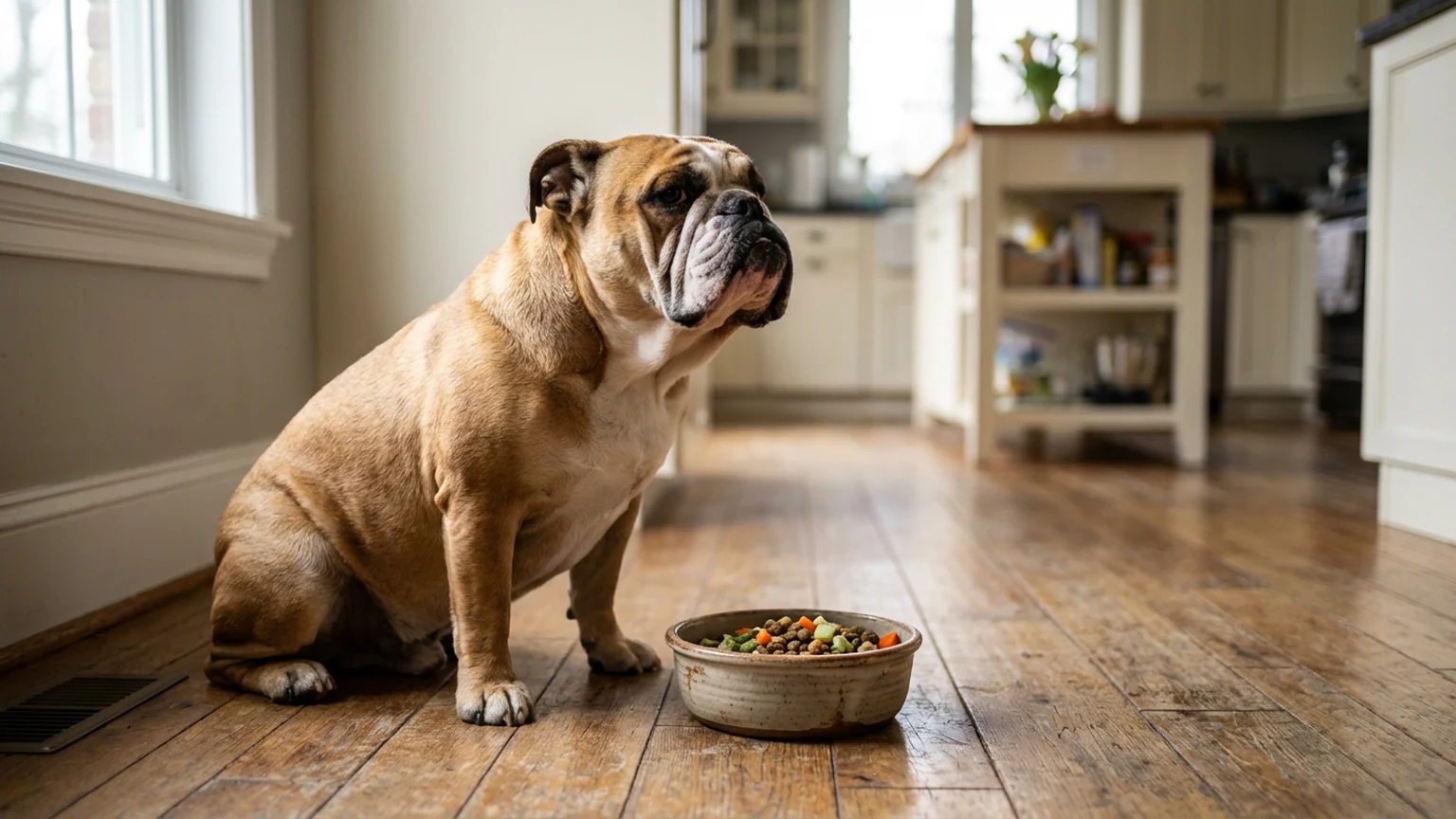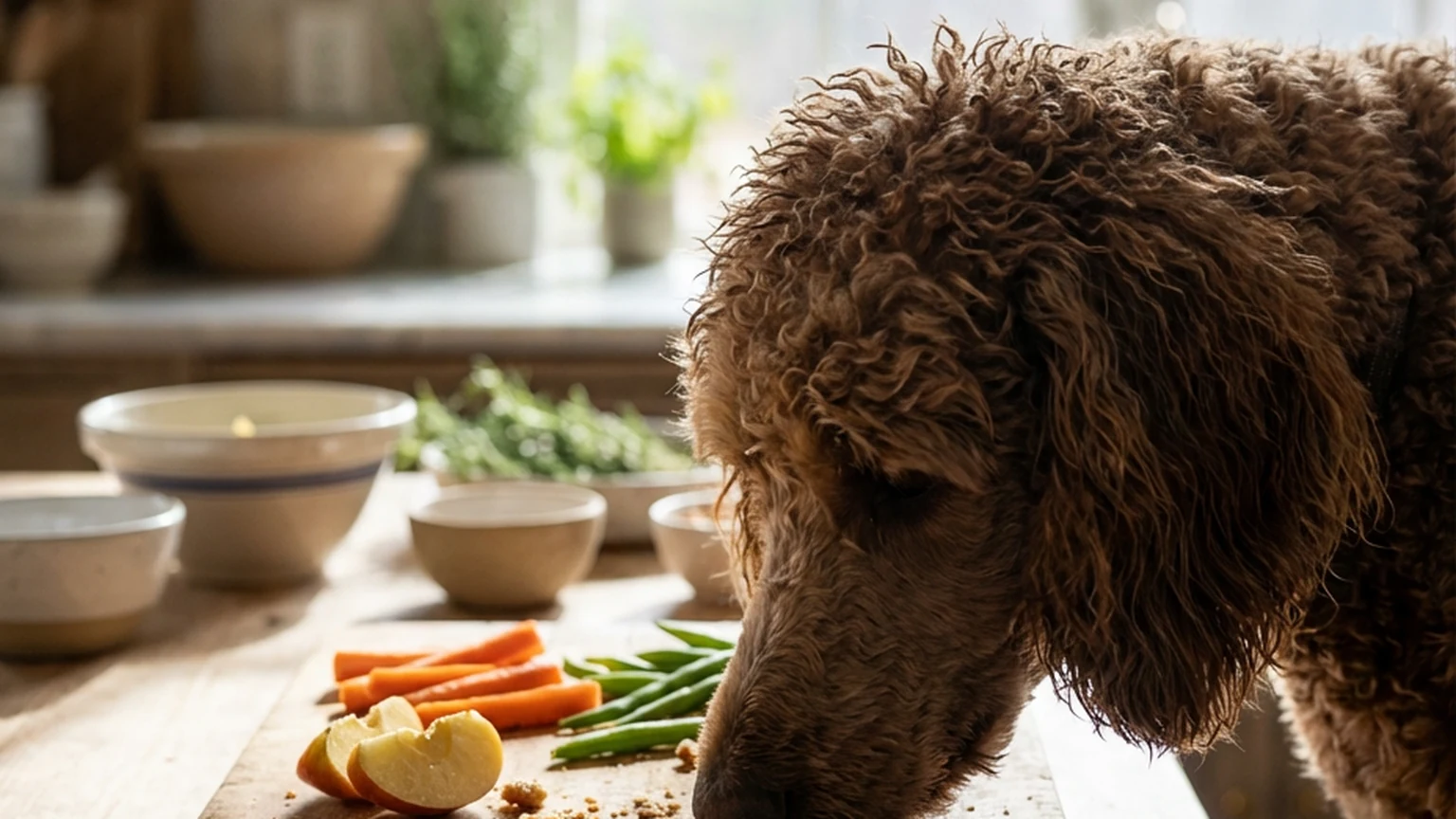
Some everyday human foods are deadly to dogs — chocolate, grapes, onions, xylitol, and macadamia nuts are the top five. Others — peanut butter, blueberries, carrots, and small amounts of cheese — are safe rewards. Use this hub to look up any food fast, or save the emergency numbers below: ASPCA APCC (888-426-4435) and Pet Poison Helpline (855-764-7661).
Emergency? Call now.
ASPCA APCC: 888-426-4435 · Pet Poison Helpline: 855-764-7661 (both charge a consultation fee, available 24/7)
Look Up a Food
Each guide includes a direct YES/NO verdict, the science behind the toxicity or safety, a symptoms-to-watch table with onset times, dose-by-weight charts where applicable, a six-step emergency response plan, and a full FAQ. All content is vet-reviewed and cites the ASPCA APCC, Pet Poison Helpline, and the Merck Veterinary Manual.
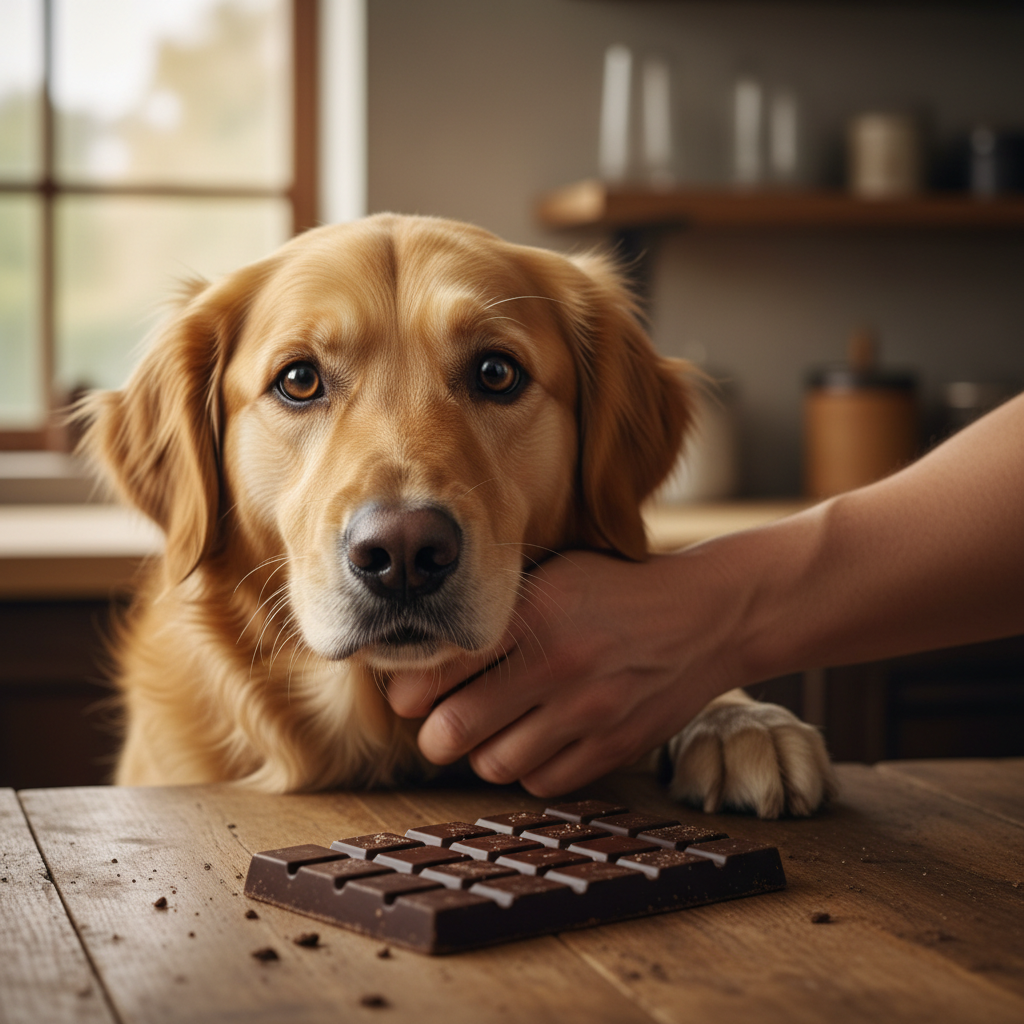
Can Dogs Eat Chocolate?
Theobromine and caffeine cause vomiting, tremors, and seizures.
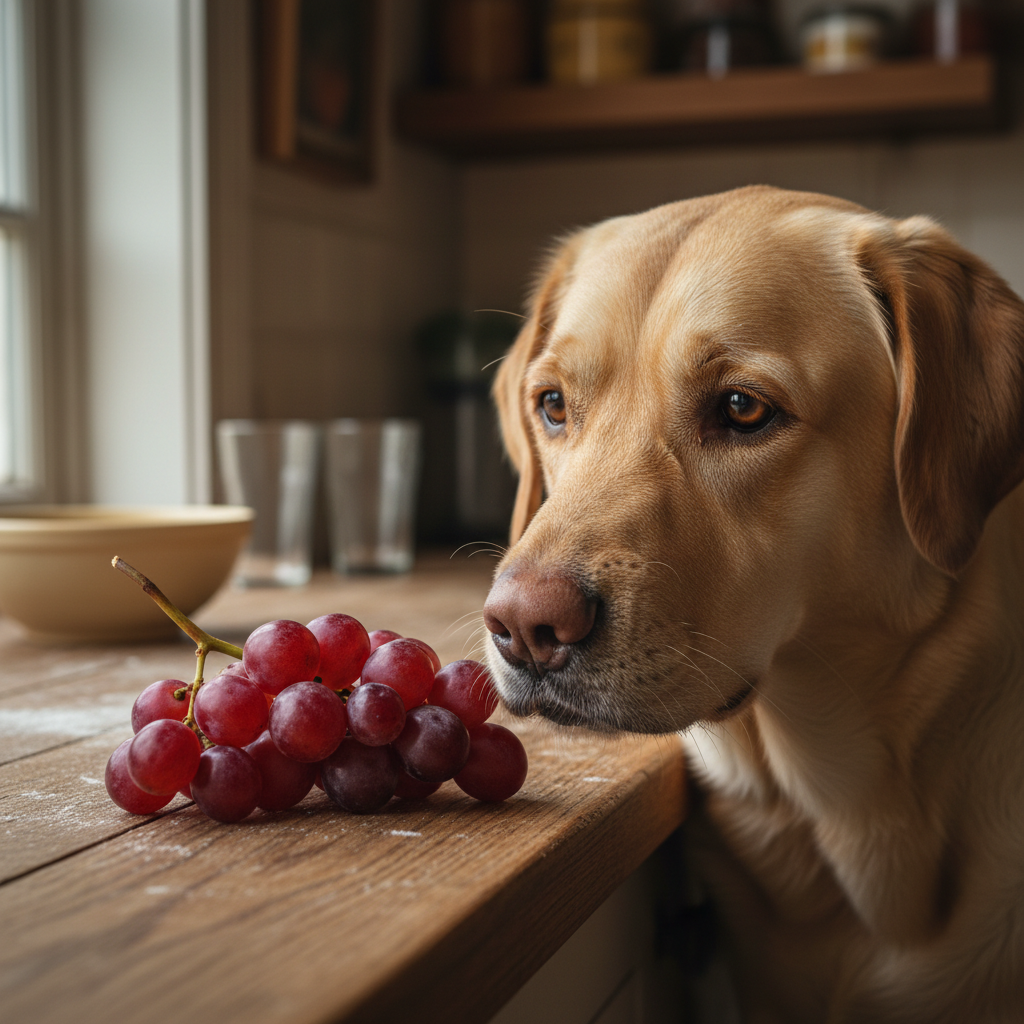
Can Dogs Eat Grapes & Raisins?
Acute kidney failure possible from even tiny amounts.
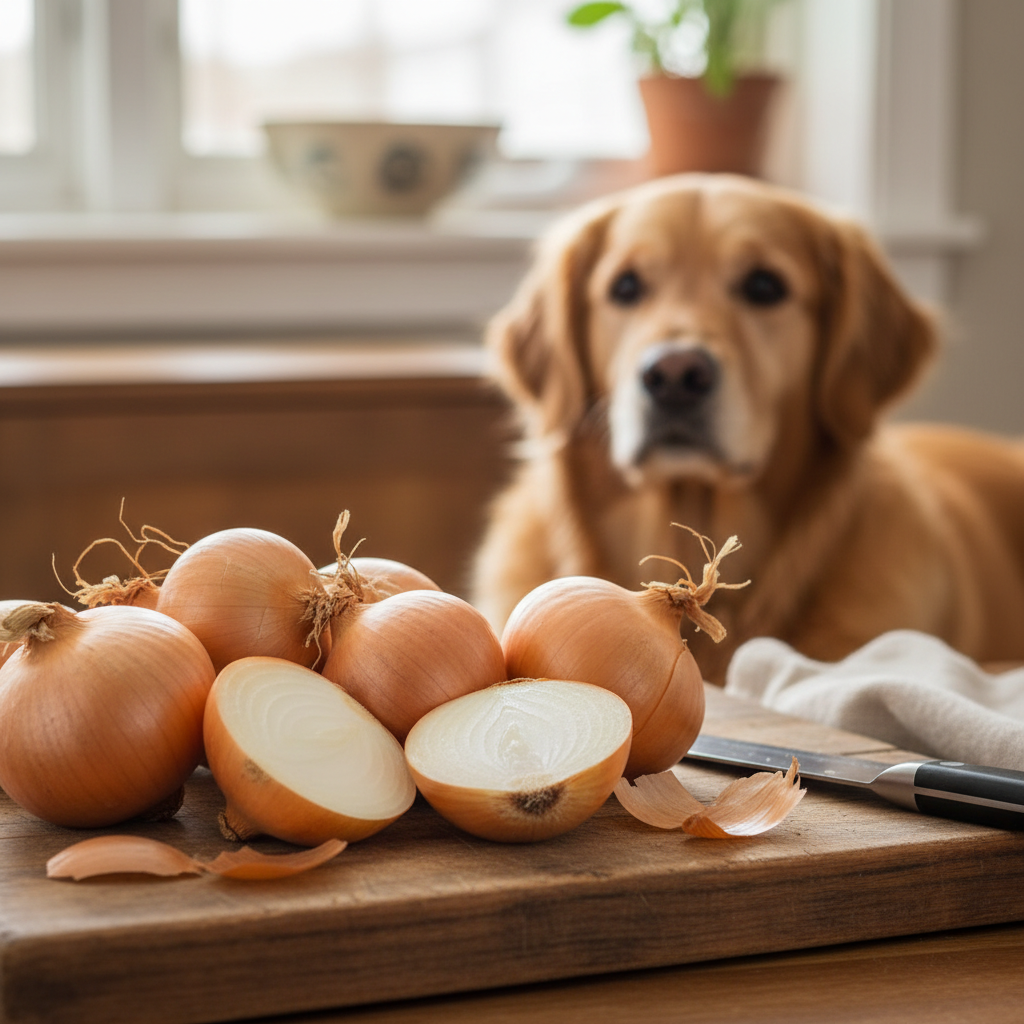
Can Dogs Eat Onions & Garlic?
Allium toxicity destroys red blood cells over 1–5 days.
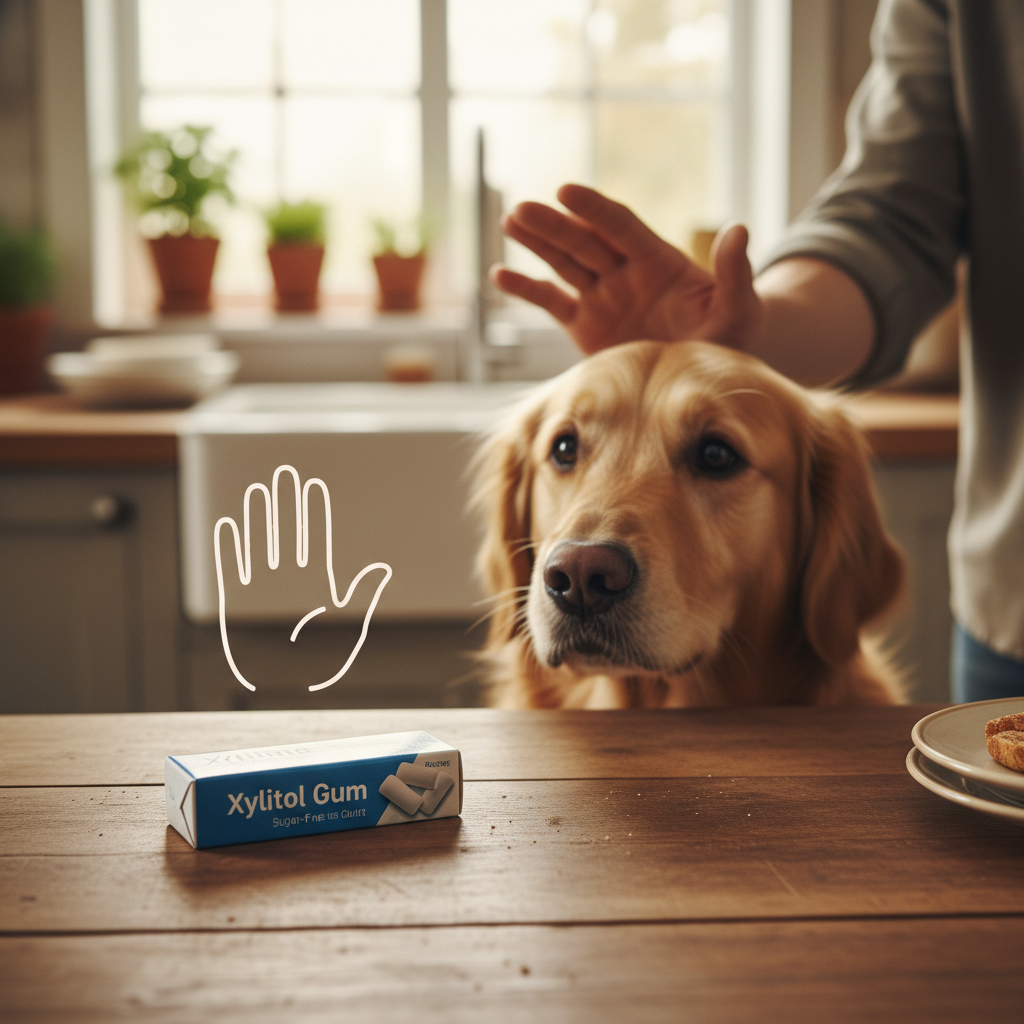
Can Dogs Eat Xylitol?
Causes hypoglycemia in 30 minutes; deadly liver failure in 72 hours.
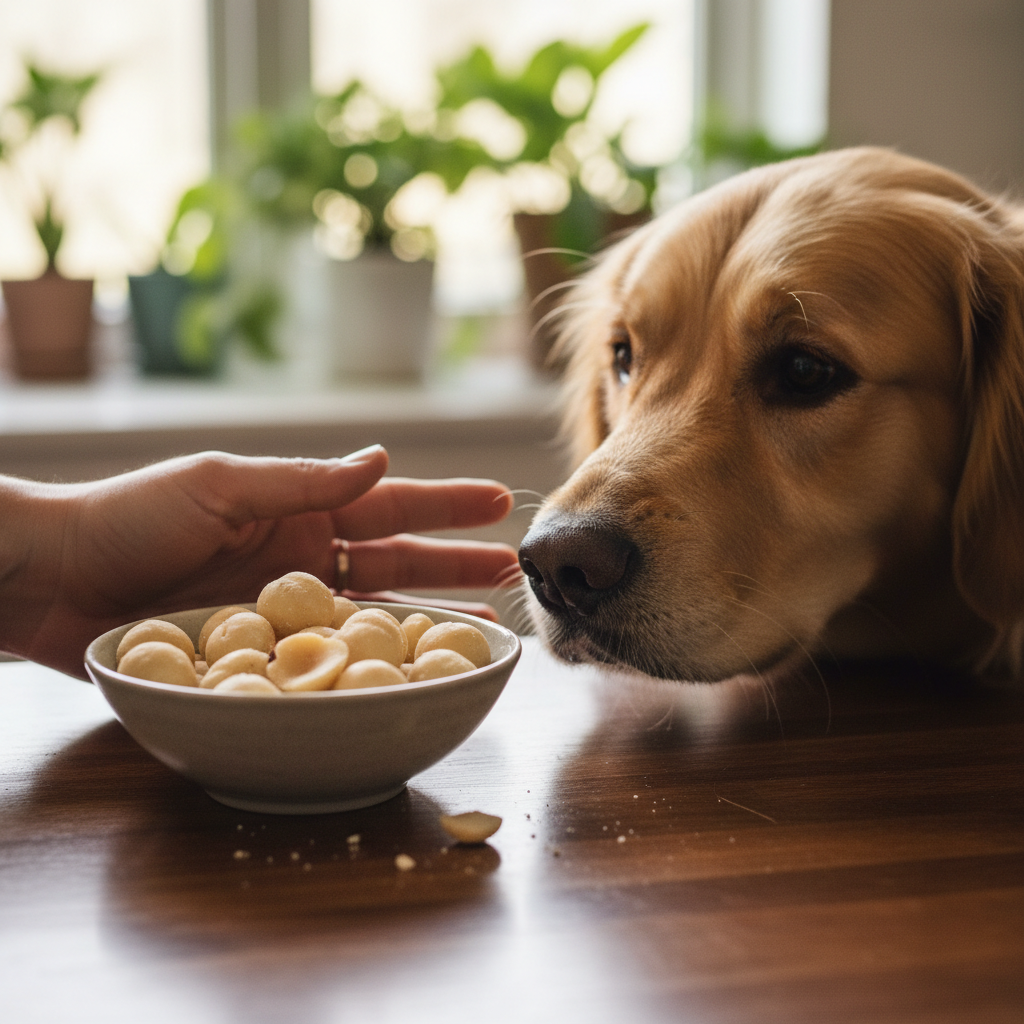
Can Dogs Eat Macadamia Nuts?
Hind-leg weakness, tremors, and hyperthermia within 12 hours.
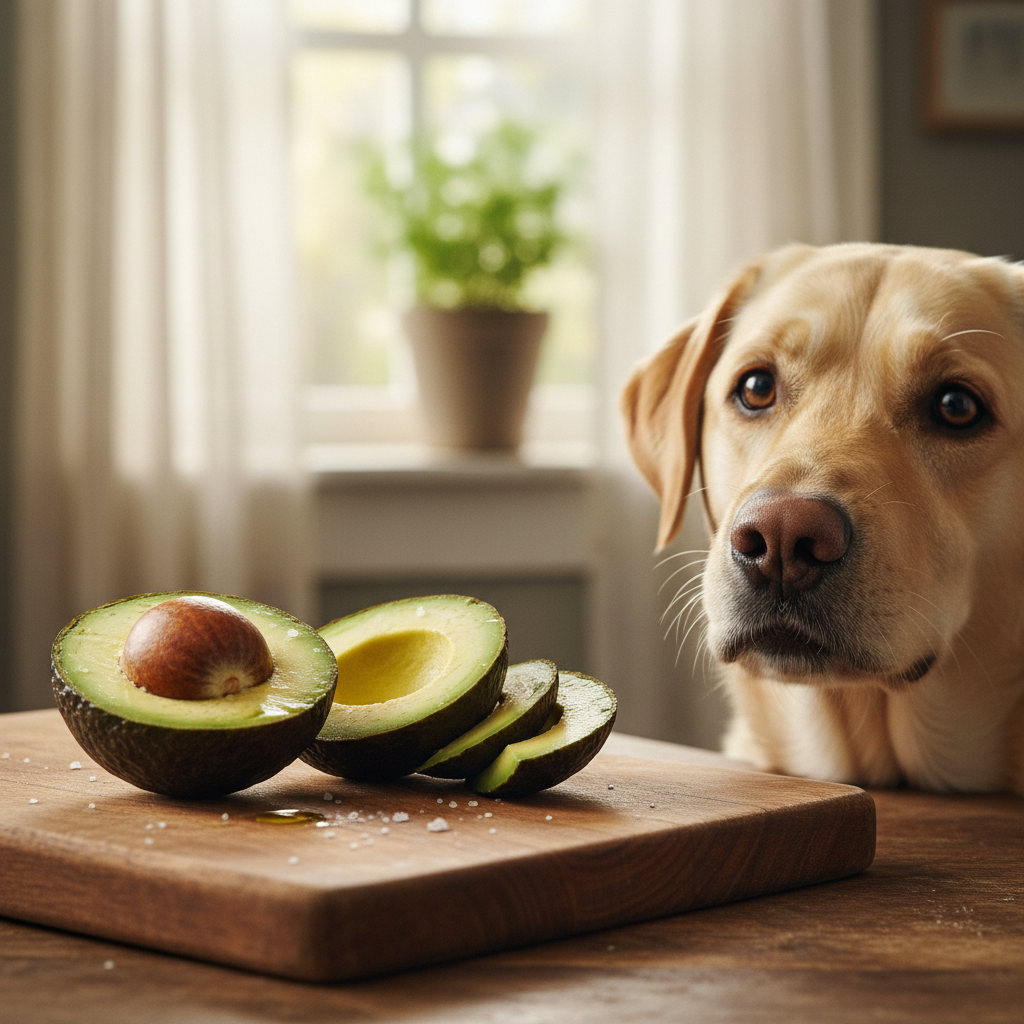
Can Dogs Eat Avocado?
Flesh is mostly safe, but the pit is a major obstruction risk.
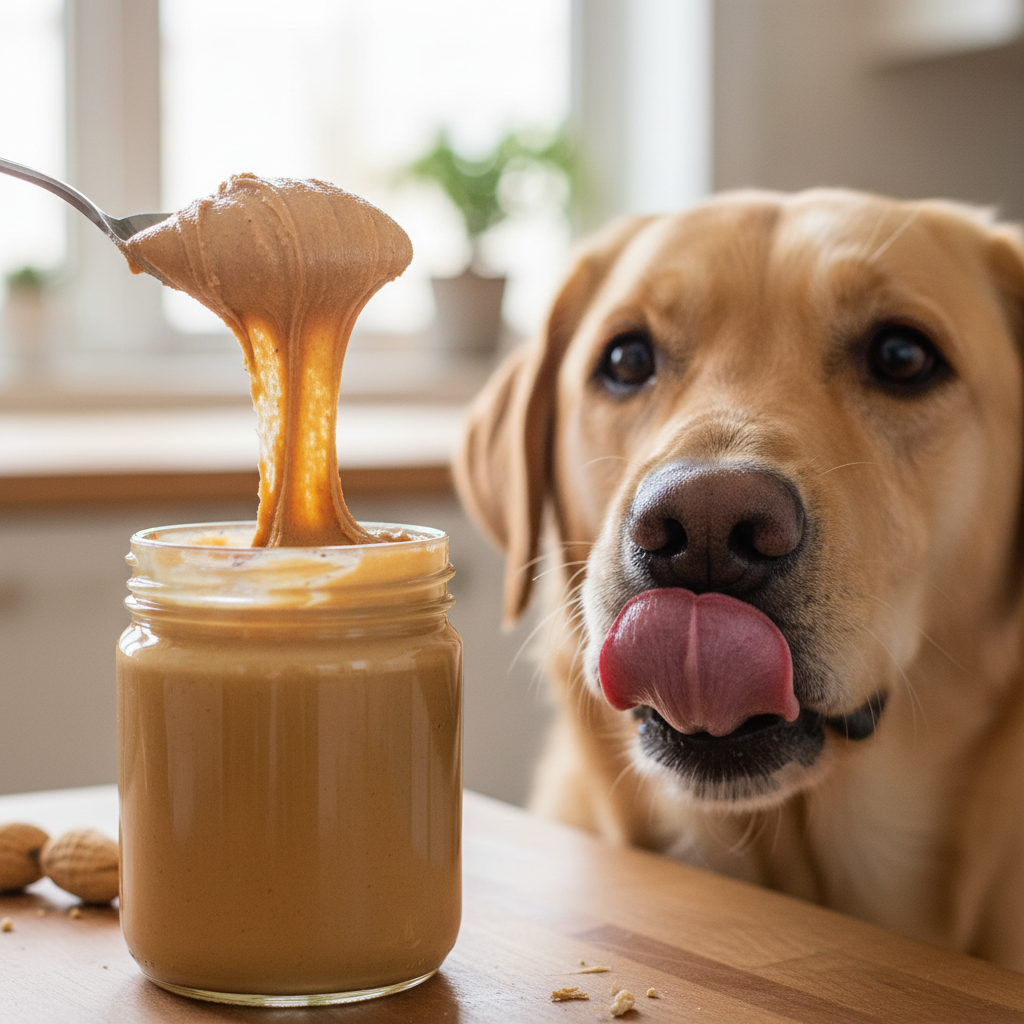
Can Dogs Eat Peanut Butter?
Safe in moderation — but ALWAYS check the label for xylitol.
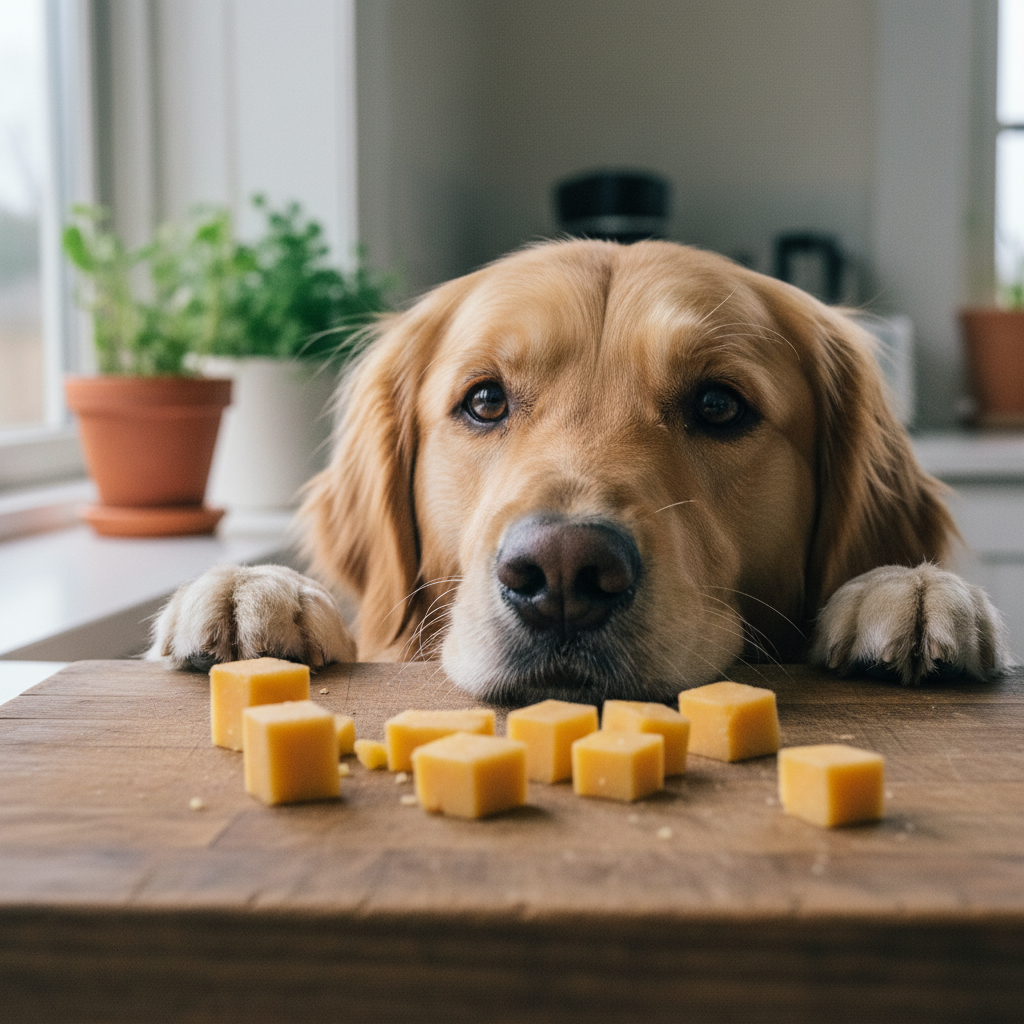
Can Dogs Eat Cheese?
OK in small amounts; avoid blue cheese and lactose-rich types.
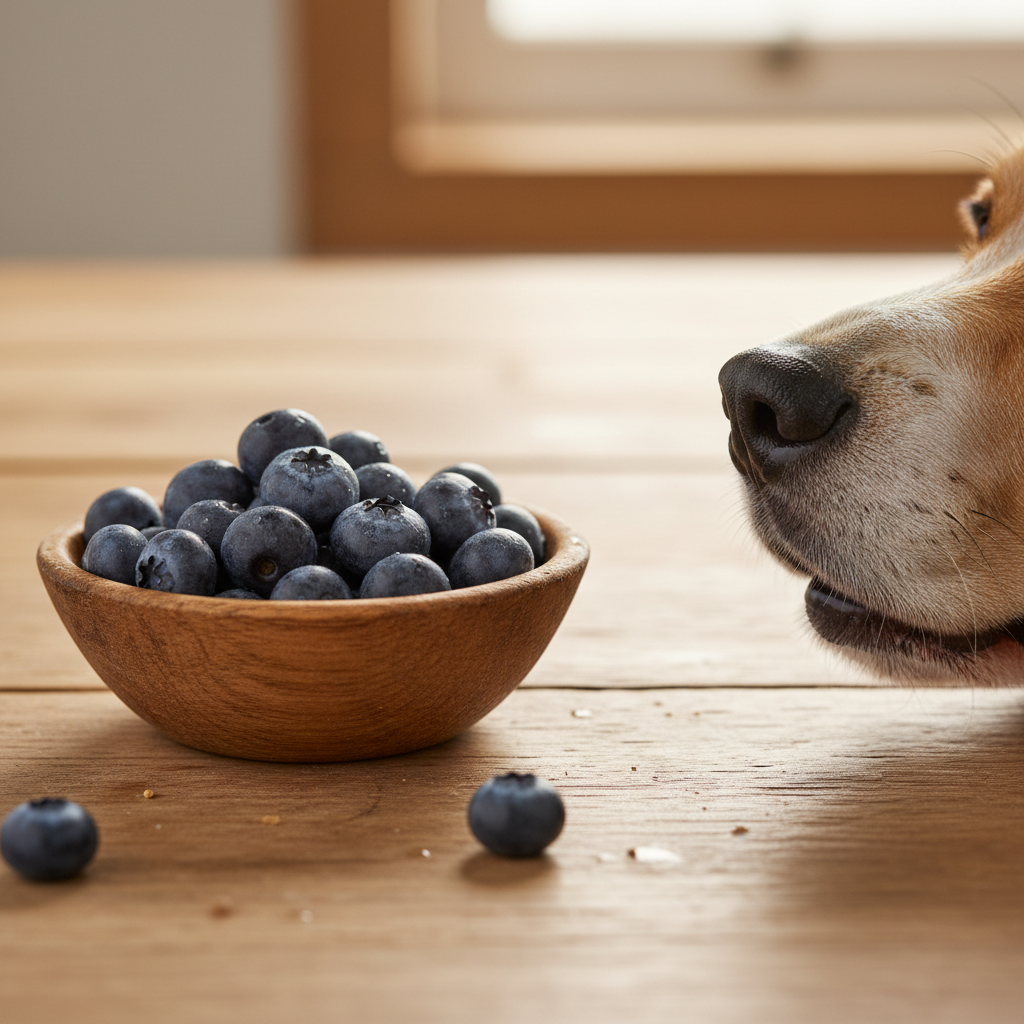
Can Dogs Eat Blueberries?
Antioxidant-rich, low-calorie, perfect training treat.
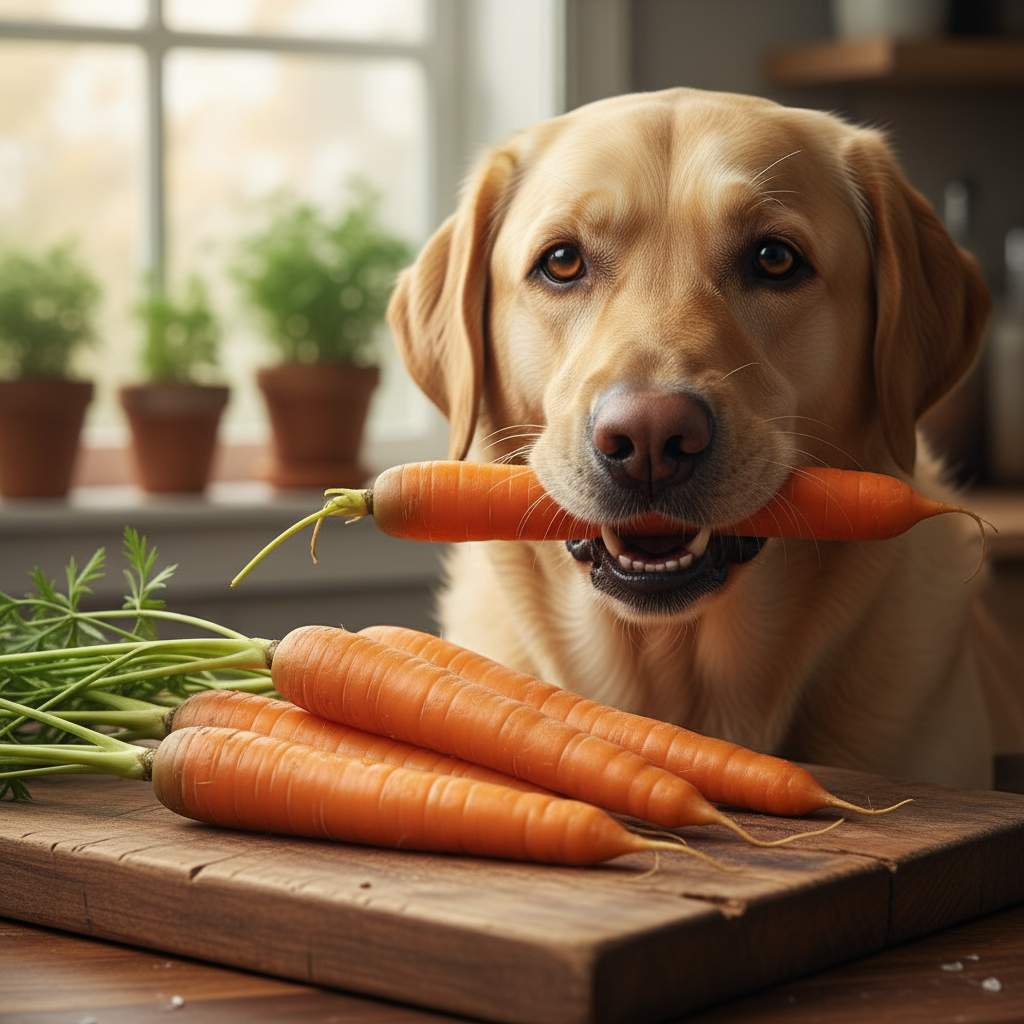
Can Dogs Eat Carrots?
Crunchy, low-calorie, and supports dental health.
How We Categorize "Safe," "Caution," and "Toxic"
- Safe in moderation — generally well tolerated by healthy adult dogs at recommended portion sizes, with no toxic compounds.
- Caution — parts of the food (pit, skin, leaves) or specific preparations carry real risk; only narrow exposures are safe.
- Toxic — listed as a known toxin by the ASPCA APCC, Pet Poison Helpline, or Merck Veterinary Manual. Any ingestion warrants a call to poison control.
How Much Human Food Is Too Much?
Per the American Animal Hospital Association (AAHA), treats and table scraps should make up no more than 10% of your dog's daily calories. The other 90% should come from a complete and balanced commercial diet that meets AAFCO nutritional standards. Even "safe" foods can cause weight gain, GI upset, or pancreatitis when fed in excess.
Frequently Asked Questions
What human foods are most dangerous to dogs?+
What human foods can dogs safely eat?+
How do I know if my dog ate something toxic?+
Should I make my dog vomit at home?+
What's the difference between ASPCA APCC and Pet Poison Helpline?+
How much human food is too much?+
References
- ASPCA Animal Poison Control Center (APCC). People Foods to Avoid Feeding Your Pets. aspca.org/pet-care/animal-poison-control
- Pet Poison Helpline. Top 10 Dog Toxins. petpoisonhelpline.com
- Merck Veterinary Manual. Toxicology — Small Animals. merckvetmanual.com
- American Animal Hospital Association (AAHA). Nutritional Assessment Guidelines for Dogs and Cats. aaha.org
- FDA Center for Veterinary Medicine. Animal Food and Feed. fda.gov/animal-veterinary
- American Kennel Club (AKC). Human Foods Dogs Can and Can't Eat. akc.org