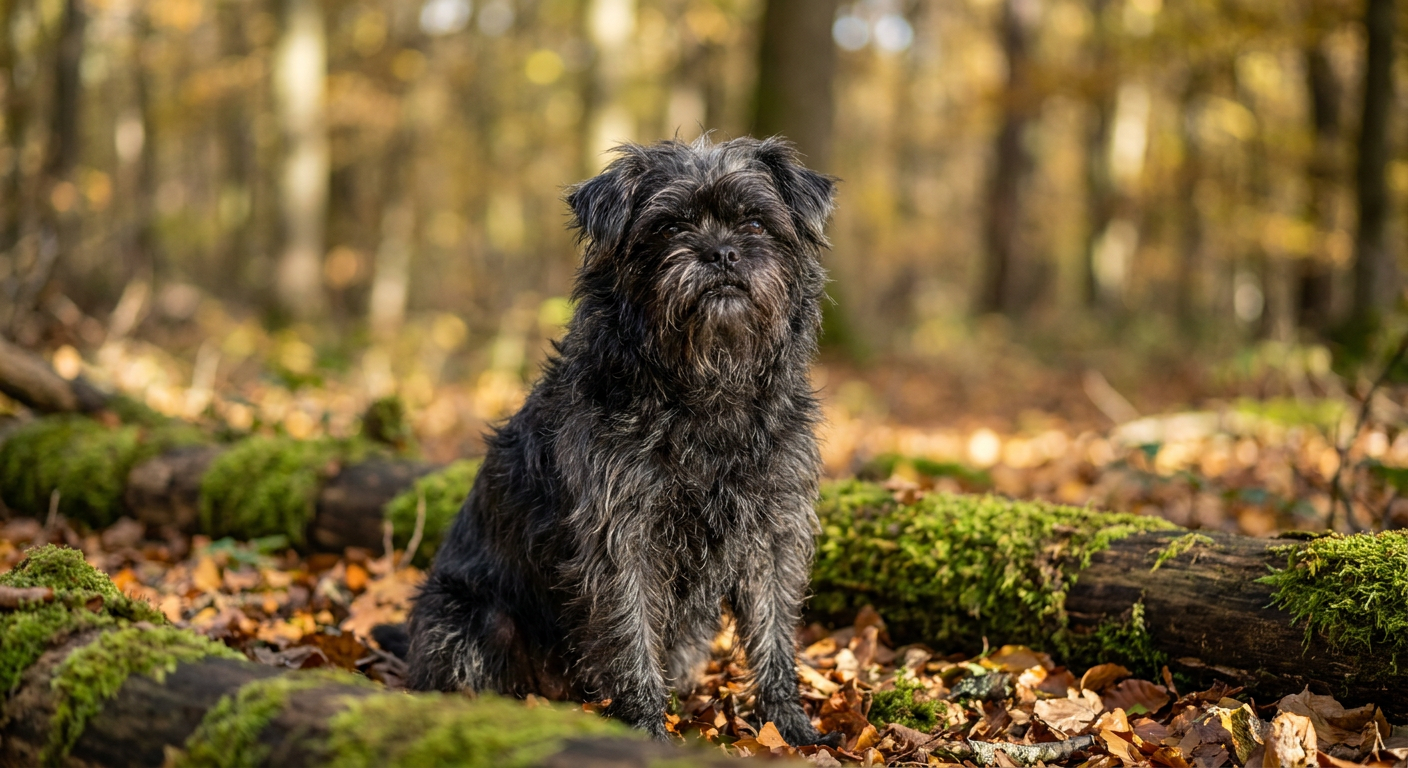
History & Origin
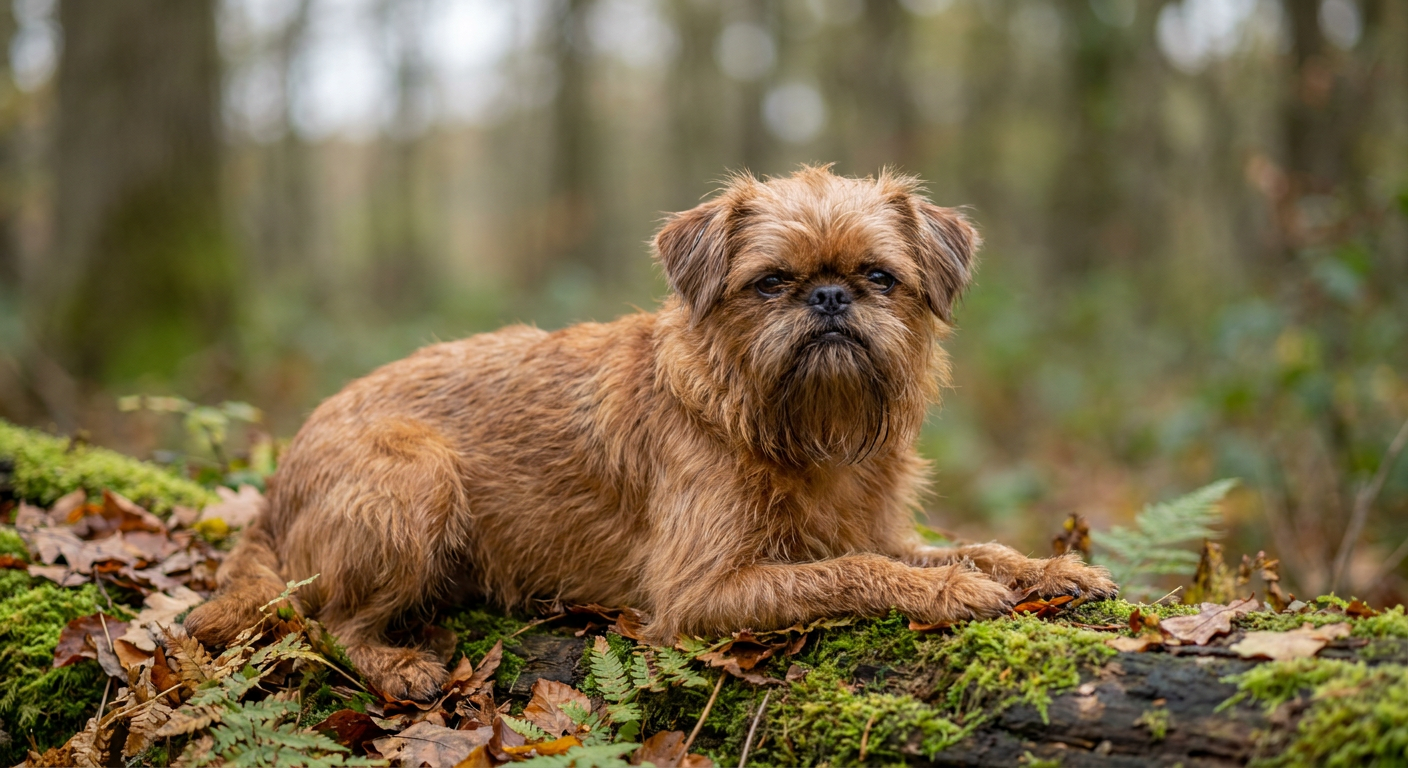
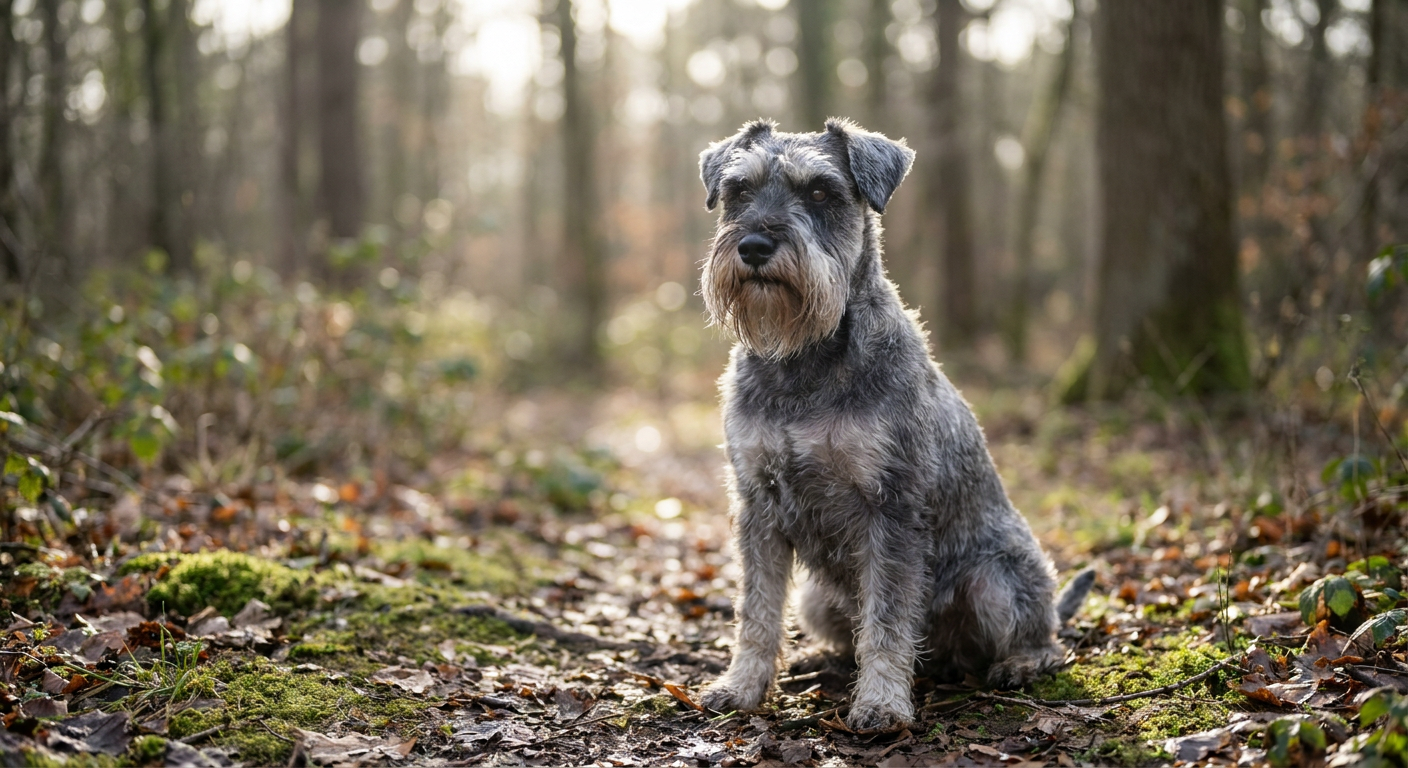
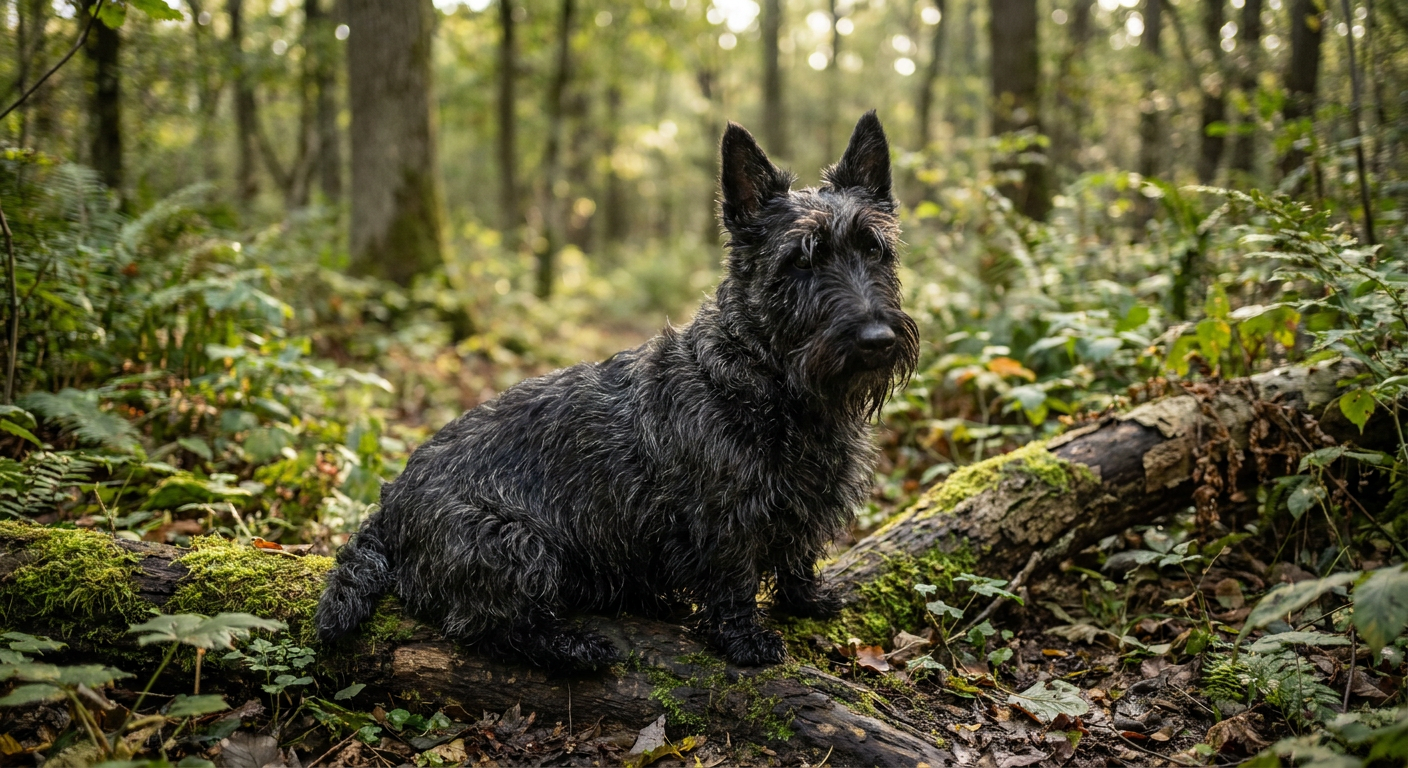
Originating in Germany in the 1600s, these dogs were originally larger and used for ratting in stables and kitchens. By the 1800s, they were bred down in size to become lap dogs, though they retained their terrier-like hunting instincts. The breed contributed significantly to the development of the Brussels Griffon and Miniature Schnauzer.
Temperament & Personality
Loyal, curious, and famously 'monkey-like' in their playfulness and agility. They possess a bold, terrier-type confidence that can border on stubbornness or fearlessness in the face of larger dogs. While affectionate with owners, they are independent thinkers who require consistent, firm, but gentle leadership.
Health Watchouts
Top conditions reported by AKC parent clubs, OFA, and the Merck Veterinary Manual. Discuss screening with your vet — especially before breeding or insuring.
Patellar Luxation
CommonA condition where the kneecap slips out of its normal groove, common in toy breeds.
Screening: Physical exam (OFA evaluation)
Legg-Calve-Perthes Disease
OccasionalA degenerative hip disease where the head of the femur spontaneously begins to die.
Screening: Radiographs
Brachycephalic Syndrome
ModerateNarrowed nostrils or an elongated soft palate can cause breathing difficulties, particularly in heat.
Screening: Physical exam
Mitral Valve Disease
ModerateProgressive leaking of the mitral valve, leading to heart failure over time.
Screening: Cardiac auscultation/Echocardiogram
Exercise Needs
Despite their small size, they are active and sturdy dogs that require daily physical activity to stay fit and calm.
- Brisk walks twice daily around the neighborhood.
- Indoor fetch with lightweight toys.
- Agility or obedience trials.
- Supervised play in a securely fenced yard.
Nutrition
Daily calories: 250-400 kcal/day depending on activity level.
Feed 2–3 small meals daily to prevent hypoglycemia and manage weight. High-quality toy-breed-specific kibble is recommended.
Common allergens to watch: Beef, Dairy, Wheat.
⚠ Even one extra pound can significantly stress their joints and worsen respiratory issues.
Entertainment & Enrichment
This breed is highly intelligent and easily bored; they require mental stimulation to prevent stubborn or mischievous behaviors.
- Advanced trick training to engage their problem-solving skills.
- Food puzzles and nose work to satisfy their hunting instincts.
- Socialization walks in varied environments.
- Short, frequent play sessions with small-breed-safe toys.
Grooming & Coat Care
The wiry coat should never be clipped short, as it ruins the texture; instead, it requires weekly brushing and professional stripping twice a year.
Training
Use positive reinforcement and keep sessions short and varied to combat their natural stubbornness. Early socialization is critical to prevent territorial behavior or wariness around strangers and other dogs.
Cost of Ownership
Lifetime cost depends on size, lifespan, and health risks. Try our Lifetime Cost Calculator →
Cost band for Affenpinscher: high.
How insurance, vet care & grooming connect for the Affenpinscher
These three costs move together. The Affenpinscher’s coat, energy, and breed-specific health watchouts shape each one — here’s how they line up.
Insurance band
Common hereditary conditions raise claim odds
Vet service load
High activity raises orthopedic & injury visits
Grooming demand
Professional clipping every 6–8 weeks
Estimated monthly spend (typical adult)
Insurance
$85
Routine vet
$60
Grooming
$45
Combined estimate
~$190/mo(±20%, US averages)
* Estimates derived from breed traits (coat, energy, health watchouts, lifespan). Actual costs vary by location, age, and provider.
Living Situation Fit
They thrive in apartments or houses but must be kept indoors with air conditioning due to their flat faces. Secure fencing is a must, as they have a high prey drive for small animals.
Choosing a Puppy
Look for breeders who perform OFA evaluations for patellas and hearts. Ensure the puppy is well-socialized early, as this breed can be naturally wary of strangers.
Frequently Asked Questions
Is the Affenpinscher good with children?
While they are affectionate with their families, their low tolerance for rough handling and resource guarding tendencies make them better suited for households with older, respectful children.
Do Affenpinschers bark a lot?
They are generally quiet indoor companions but can be alert barkers when they sense an intruder or something unusual in their environment.
Are they hypoallergenic?
Yes, they are relatively low-shedding and often considered a good choice for some allergy sufferers, though no dog is truly 100% hypoallergenic.