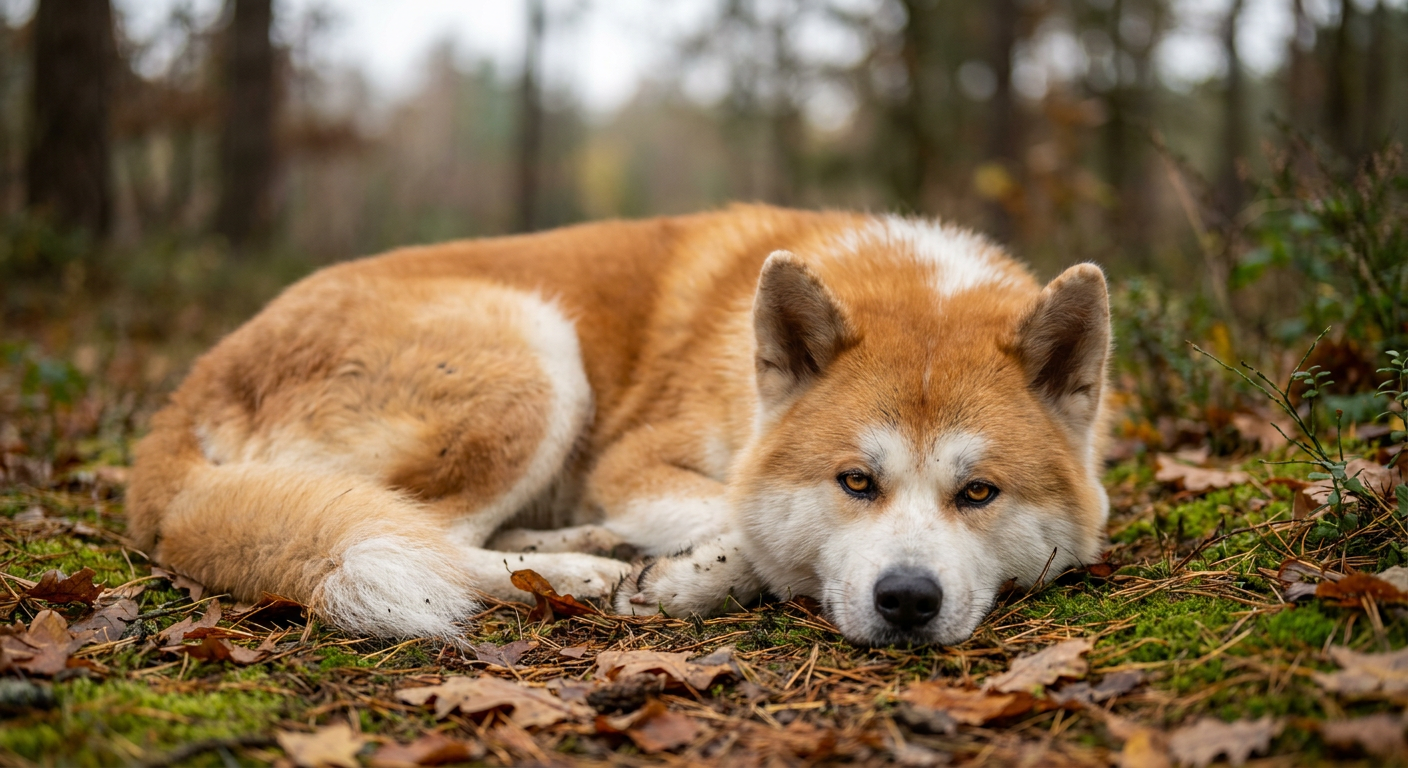
History & Origin
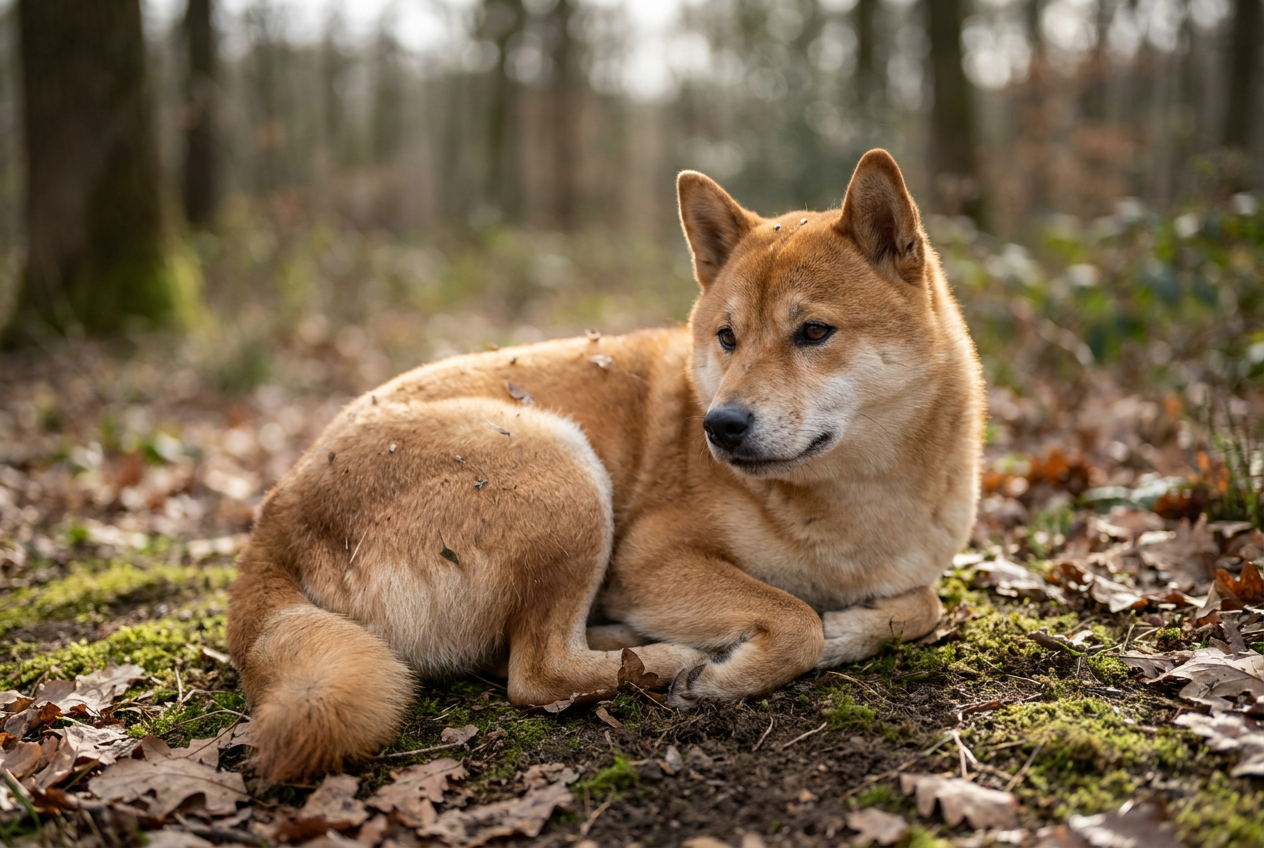
Originating in the mountains of northern Japan in the 17th century, these dogs were originally bred for big-game hunting and guard work. The breed was declared a Japanese national monument in 1931 and was significantly influenced by Helen Keller, who brought the first Akita to the United States in 1937. Following WWII, two distinct types emerged: the Japanese Akita Inu and the larger American Akita.
Temperament & Personality
The Akita is a dignified, courageous, and profoundly loyal guardian that forms an unbreakable bond with its owners. They are naturally quiet and observant, rarely barking unless there is a genuine threat. While affectionate with their family, they remain stoic and wary of strangers. They possess a strong-willed, independent streak that requires a confident, consistent leader.
Health Watchouts
Top conditions reported by AKC parent clubs, OFA, and the Merck Veterinary Manual. Discuss screening with your vet — especially before breeding or insuring.
Gastric Dilatation-Volvulus (Bloat)
HighA life-threatening condition where the stomach twists, trapping gas and cutting off blood flow; requires emergency surgery.
Screening: Preventative gastropexy recommended
Hip Dysplasia
CommonMalformation of the hip joint leading to arthritis and lameness.
Screening: OFA or PennHIP X-rays
Sebaceous Adenitis (SA)
ModerateAn autoimmune disease causing skin crusting, hair loss, and potential organ involvement.
Screening: Skin biopsy
Progressive Retinal Atrophy (PRA) / Cataracts
ModerateClouding of the lens that can lead to blindness.
Screening: Annual CERF eye examinations
Exercise Needs
Moderate but consistent exercise is necessary. This breed is not highly hyperactive but requires daily physical and mental outlets to maintain a calm demeanor indoors.
- Long brisk walks on lead
- Controlled hiking in cool weather
- Free play in a securely fenced yard
- Moderate weight-pulling or carting
Nutrition
Daily calories: 2200-2800 kcal/day for active adults
Divide meals into two daily feedings to reduce bloat risk. Avoid elevated feeders unless medically indicated.
Common allergens to watch: Corn, Soy, Chicken.
⚠ Extra weight places significant stress on the joints and increases the risk of orthopedic injuries.
Entertainment & Enrichment
Akitas require mental engagement to prevent boredom-driven destructive behavior. They enjoy 'jobs' that involve physical strength or intense focus.
- Scent work and tracking games
- Backpack hiking on varying terrain
- Advanced obedience drills for mental fatigue
- High-durability rubber chew toys
Grooming & Coat Care
Brush weekly to manage shedding, increasing to daily during the two heavy seasonal 'blow outs.' They are self-cleaning dogs and rarely need baths.
Training
Training must be firm, consistent, and respectful; they do not respond well to harsh corrections. Heavy emphasis must be placed on socialization from puppyhood to mitigate natural stranger-wariness and dog-aggression.
Cost of Ownership
Lifetime cost depends on size, lifespan, and health risks. Try our Lifetime Cost Calculator →
Cost band for Akita: high.
How insurance, vet care & grooming connect for the Akita
These three costs move together. The Akita’s coat, energy, and breed-specific health watchouts shape each one — here’s how they line up.
Insurance band
Brachycephalic or giant-breed risk profile
Vet service load
Heavy shedding correlates with skin/derm visits
Grooming demand
Double coat sheds seasonally — frequent brushing
Estimated monthly spend (typical adult)
Insurance
$85
Routine vet
$60
Grooming
$75
Combined estimate
~$220/mo(±20%, US averages)
* Estimates derived from breed traits (coat, energy, health watchouts, lifespan). Actual costs vary by location, age, and provider.
Living Situation Fit
A spacious home with a high, secure fence is mandatory, as Akitas are roamers and protective of their boundaries. They are sensitive to heat and should live primarily indoors with air conditioning in summer.
Choosing a Puppy
Look for breeders who perform OFA/PennHIP evaluations and CERF eye exams. Avoid 'backyard breeders' who do not temperament-test their breeding stock, as early socialization is critical for this breed's stability.
Frequently Asked Questions
Do Akitas smell like other dogs?
Akitas are famously 'cat-like' in their cleanliness, lack of doggy odor, and tendency to groom themselves.
Are they good with other dogs?
Many Akitas are naturally intolerant of other dogs, particularly those of the same sex. Caution and professional supervision are advised in multi-dog settings.
Are Akitas friendly to strangers?
While deeply loyal to their family, Akitas are naturally reserved and suspicious of strangers. They are not 'social butterfly' dogs.