History & Origin
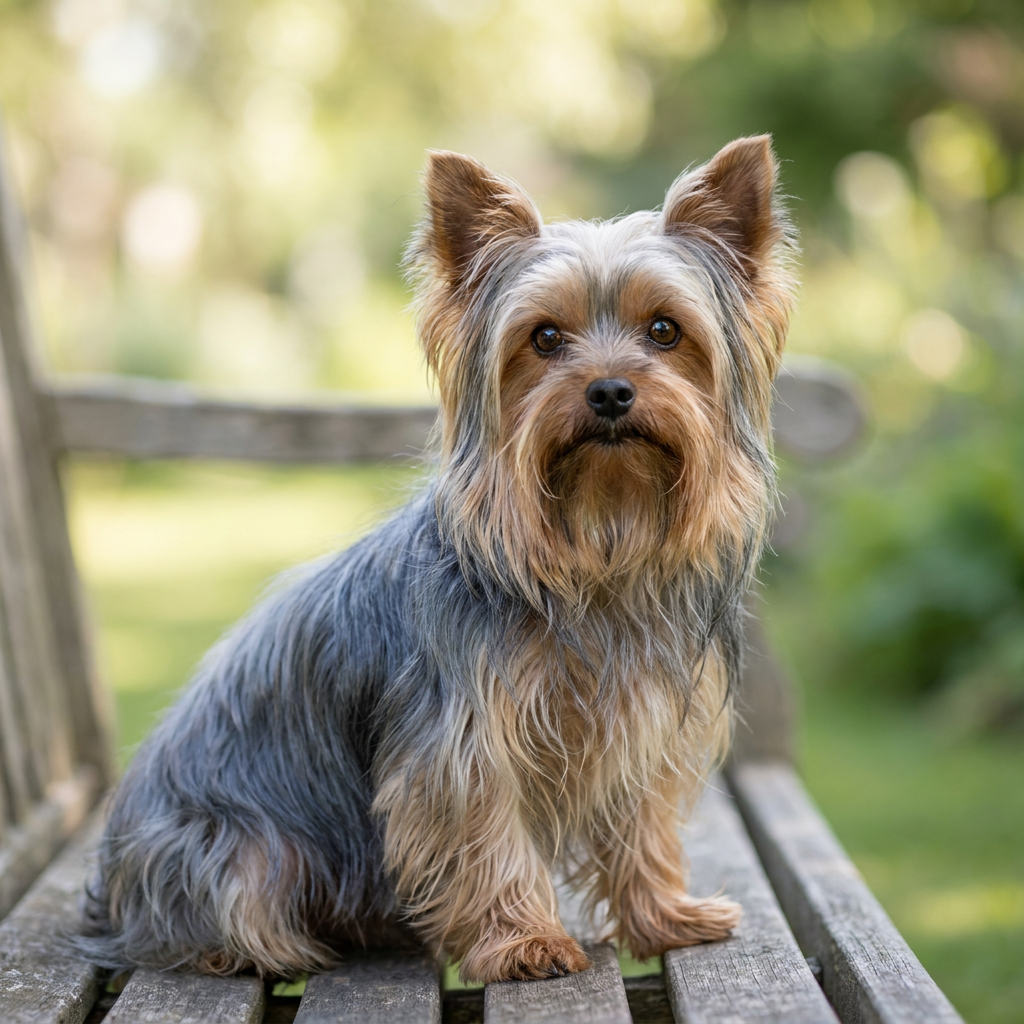
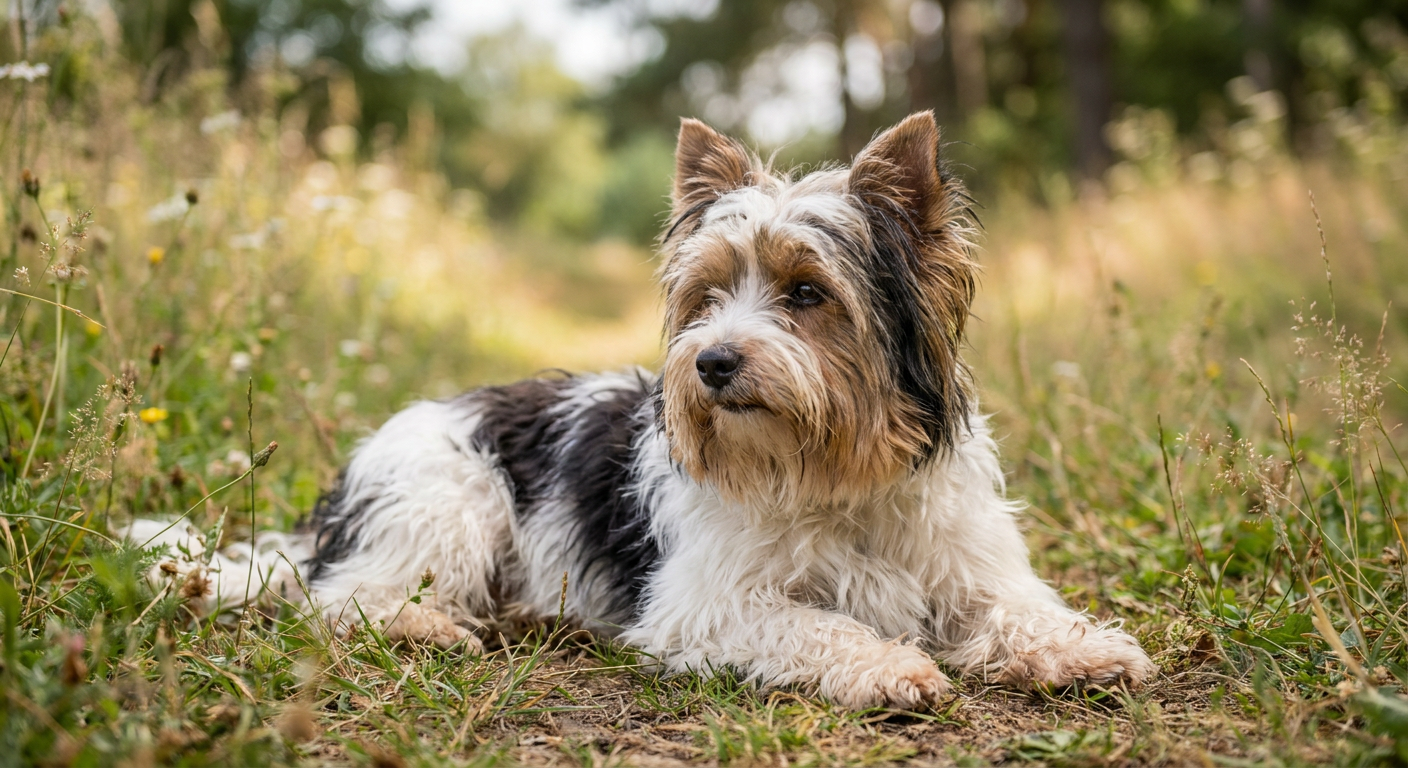
The breed originated in Hunsrück, Germany, in 1984 when a recessive piebald gene appeared in a litter of Yorkshire Terriers owned by Gertrud and Werner Biewer. Initially called the 'Biewer Yorkie,' it was later developed as a distinct breed through selective breeding. In 2021, the Biewer Terrier was officially recognized as the 197th breed by the AKC.
Temperament & Personality
The Biewer Terrier is charming, whimsical, and highly affectionate with its family. Despite their small stature, they possess a confident and lighthearted personality, often acting as 'big dogs' in a tiny package. They are generally more docile and less feisty than traditional terriers, making them excellent companions for varied households.
Health Watchouts
Top conditions reported by AKC parent clubs, OFA, and the Merck Veterinary Manual. Discuss screening with your vet — especially before breeding or insuring.
Portosystemic Shunt (PSS)
Moderate risk in toy breedsA congenital abnormality where blood bypasses the liver, preventing toxin filtration.
Screening: Bile acid testing
Patellar Luxation
HighA condition where the kneecap slips out of its groove, often requiring surgical correction.
Screening: Physical exam (OFA evaluation)
Progressive Retinal Atrophy (PRA)
OccasionalDegenerative eye disorder that eventually leads to blindness.
Screening: DNA testing / CERF exam
Hypoglycemia
High (in puppies)A dangerous drop in blood sugar, common in small puppies during stress or missed meals.
Screening: Clinical observation/Blood glucose monitoring
Exercise Needs
While energetic, their small size means they reach their daily activity goals through modest walks and indoor play.
- Daily neighborhood walks
- Indoor play sessions
- Short leash-led hikes
- Low-impact agility training
Nutrition
Daily calories: 150-250 kcal/day (varies by weight)
Puppies require frequent, small meals to prevent hypoglycemia. Adults benefit from high-quality kibble designed for toy breeds to support dental health.
Common allergens to watch: Corn, Soy, Wheat, Dairy.
⚠ Even a one-pound weight gain is significant on a tiny frame; monitor treats closely.
Entertainment & Enrichment
Mental stimulation is essential to prevent boredom; they thrive on activities that mimic hunting or tracking scents.
- Indoor scent work games
- Short sessions of 'hide and seek'
- Interactive treat puzzles
- Gentle games of fetch with soft toys
Grooming & Coat Care
High maintenance; requires daily brushing to prevent mats if kept in a full coat, plus regular professional grooming.
Training
They are intelligent and eager to please, responding best to positive reinforcement and consistency. Housebreaking can take longer than average, common in many toy breeds, so crate training is recommended.
Cost of Ownership
Lifetime cost depends on size, lifespan, and health risks. Try our Lifetime Cost Calculator →
Cost band for Biewer Terrier: high.
How insurance, vet care & grooming connect for the Biewer Terrier
These three costs move together. The Biewer Terrier’s coat, energy, and breed-specific health watchouts shape each one — here’s how they line up.
Insurance band
Common hereditary conditions raise claim odds
Vet service load
Several conditions worth annual screening
Grooming demand
Professional clipping every 6–8 weeks
Estimated monthly spend (typical adult)
Insurance
$85
Routine vet
$50
Grooming
$60
Combined estimate
~$195/mo(±20%, US averages)
* Estimates derived from breed traits (coat, energy, health watchouts, lifespan). Actual costs vary by location, age, and provider.
Living Situation Fit
They are ideal for apartment living due to their size and moderate energy. They should be kept indoors and protected from extreme temperatures and larger, predatory animals.
Choosing a Puppy
Seek breeders who provide proof of bile acid testing on parents and DNA results for PRCD-PRA and PLL. Ensure the puppy is well-socialized and shows curiosity rather than excessive shyness.
Frequently Asked Questions
Is the Biewer Terrier just a tri-colored Yorkshire Terrier?
The Biewer (pronounced 'beaver') is a distinct breed established through DNA testing, whereas the Yorkshire Terrier is one of its foundation ancestors. The primary visual difference is the Biewer's unique piebald (tri-color) coat.
Is the Biewer Terrier hypoallergenic?
Yes, they are generally considered hypoallergenic as they have hair similar to humans and do not have an undercoat, making them suitable for many allergy sufferers.
What is their temperament like compared to other Terriers?
They are known for their whimsical, lighthearted personalities. They tend to be less 'scrappy' than some other terrier breeds and are generally more mellow and affectionate.