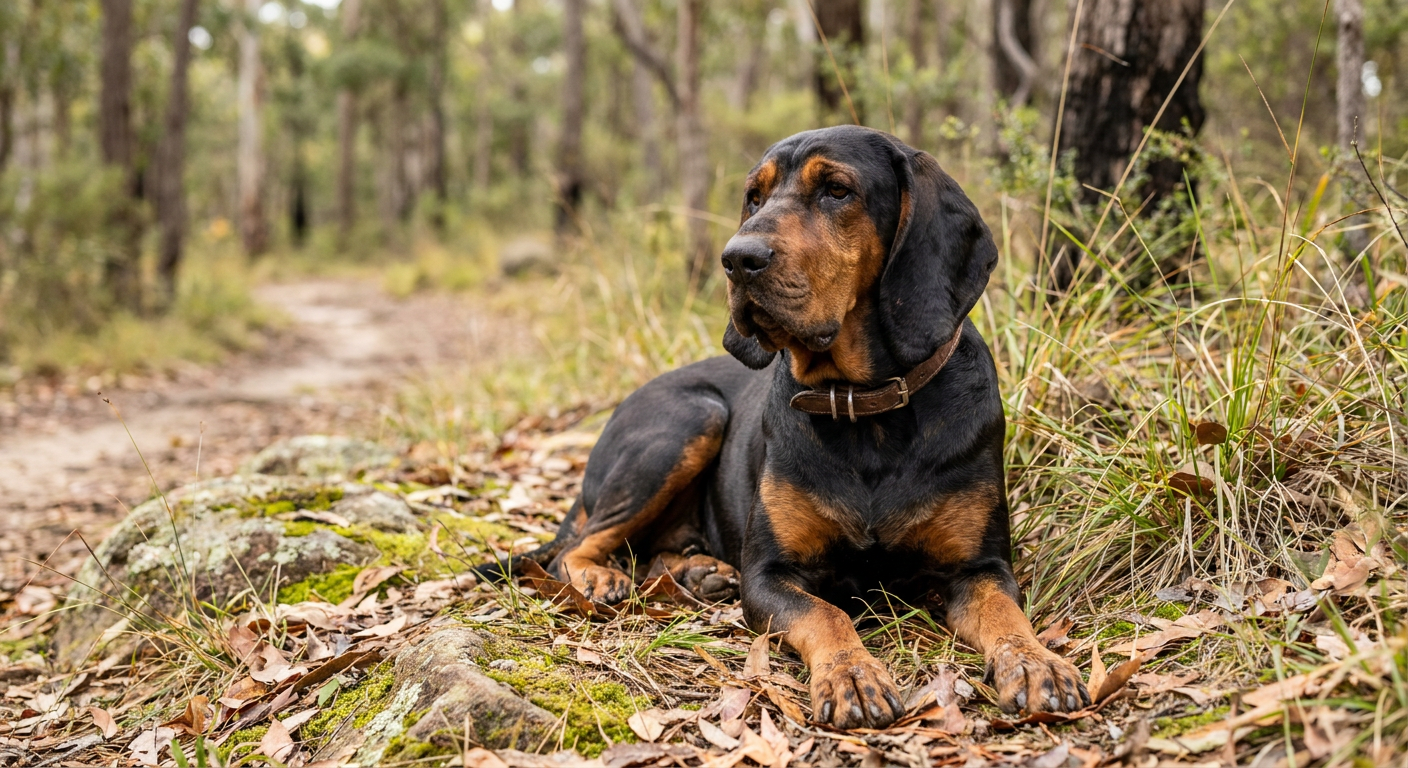
History & Origin
Developed in the United States primarily from Bloodhound and Black and Tan Virginia Foxhound stock. They were bred specifically to track and tree raccoons in rugged terrain, formalizing as a breed in the early 20th century. The AKC officially recognized the breed in 1945 as the first of the six coonhound breeds.
Temperament & Personality
Even-tempered, easygoing, and friendly with humans and other dogs. They are independent thinkers with a strong stubborn streak, especially when following a scent trail. While calm in the house, they are intense and courageous when working in the field.
Health Watchouts
Top conditions reported by AKC parent clubs, OFA, and the Merck Veterinary Manual. Discuss screening with your vet — especially before breeding or insuring.
Hip Dysplasia
CommonA malformation of the hip joint that can lead to arthritis and mobility issues.
Screening: OFA or PennHIP Radiographs
Gastric Dilatation-Volvulus (Bloat)
ModerateA life-threatening twisting of the stomach common in deep-chested breeds.
Screening: Emergency clinical diagnosis; preventive gastropexy recommended.
Entropion
OccasionalA condition where the eyelid rolls inward, causing irritation to the cornea.
Screening: Physical examination by a veterinarian.
Chronic Otitis Externa
HighA common occurrence in long-eared hounds due to poor airflow and moisture retention.
Screening: Routine veterinary ear exams.
Exercise Needs
This is a dual-purpose athlete capable of significant endurance. While mellow indoors, they require daily vigorous activity and mental stimulation via scent work.
- Brisk long-distance walking.
- Hiking in varied terrain.
- Supervised sniffing 'safaris'.
- Tracking or scent trials.
Nutrition
Daily calories: 1400-1800 kcal depending on activity level.
Feed two smaller meals per day rather than one large one to reduce bloat risk. Avoid vigorous exercise for one hour before and after meals.
Common allergens to watch: Chicken, Beef, Dairy.
⚠ Their hearty appetite can lead to obesity, which puts undue stress on their large joints.
Entertainment & Enrichment
Nose-driven enrichment is vital for this breed. They require mental outlets that allow them to utilize their olfactory senses to prevent boredom-based destruction.
- Man-trailing or scent work games.
- Durable chew toys for strong jaws.
- Outdoor exploration in safely fenced areas.
- Slow-feeder puzzles to engage their forage instinct.
Grooming & Coat Care
Minimal coat maintenance is required, though weekly brushing helps manage shedding. Their large, pendulous ears must be cleaned weekly to prevent infections common in drop-eared breeds.
Training
Training requires patience and positive reinforcement, as they are easily distracted by scents. Recall is notoriously difficult; they should remain on a leash or in a fenced area at all times. Socialization is critical to ensure their natural protective instincts remain manageable.
Cost of Ownership
Lifetime cost depends on size, lifespan, and health risks. Try our Lifetime Cost Calculator →
Cost band for Black and Tan Coonhound: medium.
How insurance, vet care & grooming connect for the Black and Tan Coonhound
These three costs move together. The Black and Tan Coonhound’s coat, energy, and breed-specific health watchouts shape each one — here’s how they line up.
Insurance band
Brachycephalic or giant-breed risk profile
Vet service load
High activity raises orthopedic & injury visits
Grooming demand
Heavy shedder — daily brushing during seasons
Estimated monthly spend (typical adult)
Insurance
$85
Routine vet
$60
Grooming
$60
Combined estimate
~$205/mo(±20%, US averages)
* Estimates derived from breed traits (coat, energy, health watchouts, lifespan). Actual costs vary by location, age, and provider.
Living Situation Fit
Best suited for homes with large, securely fenced yards. They are loud 'bayers' and are generally unsuitable for close-quarter suburban living or apartments.
Choosing a Puppy
Look for breeders who perform OFA evaluations on hips and elbows and cardiac screenings. Ensure the breeder can demonstrate the dam's temperament, as excessive shyness is a fault.
Frequently Asked Questions
Are they good apartment dogs?
While they are notably mellow and gentle in the home, they are vocal barkers and 'bayers' when they catch a scent or a stranger approaches.
Do they get along with cats?
They generally get along well with other dogs but have a high prey drive; they must be raised carefully with cats and are often not trustworthy around small pets.
How much do they shed?
They are very heavy shedders and have a distinct 'houndy' odor due to natural skin oils. Regular bathing and brushing are required.