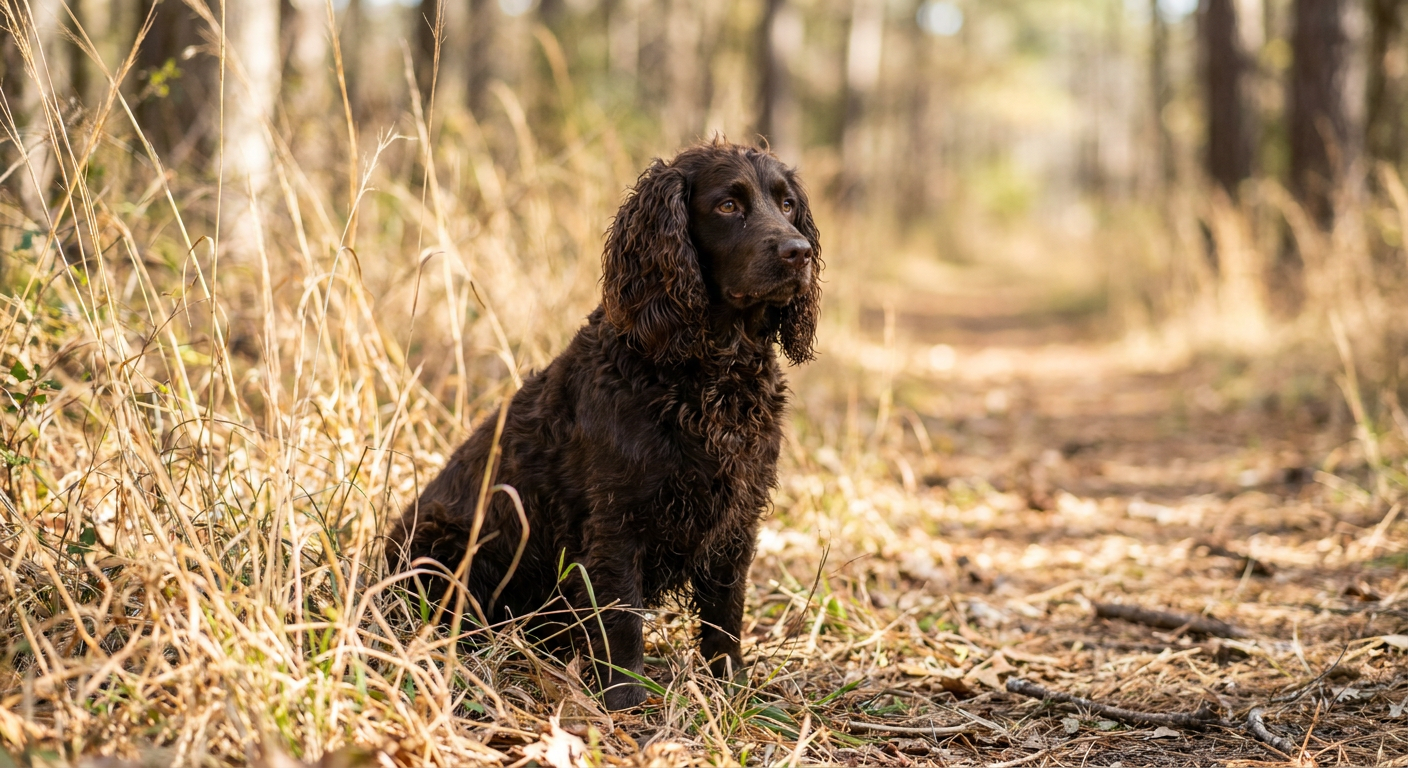
History & Origin
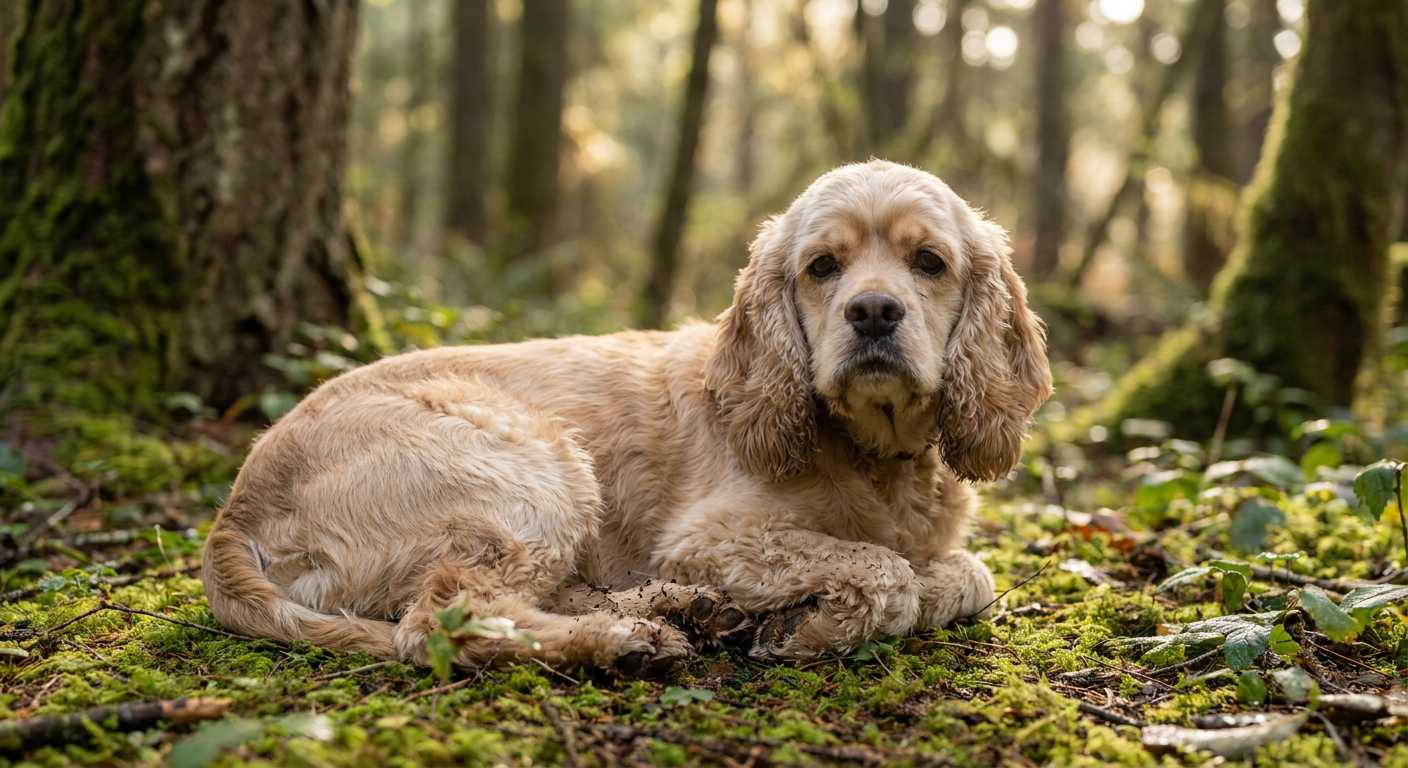
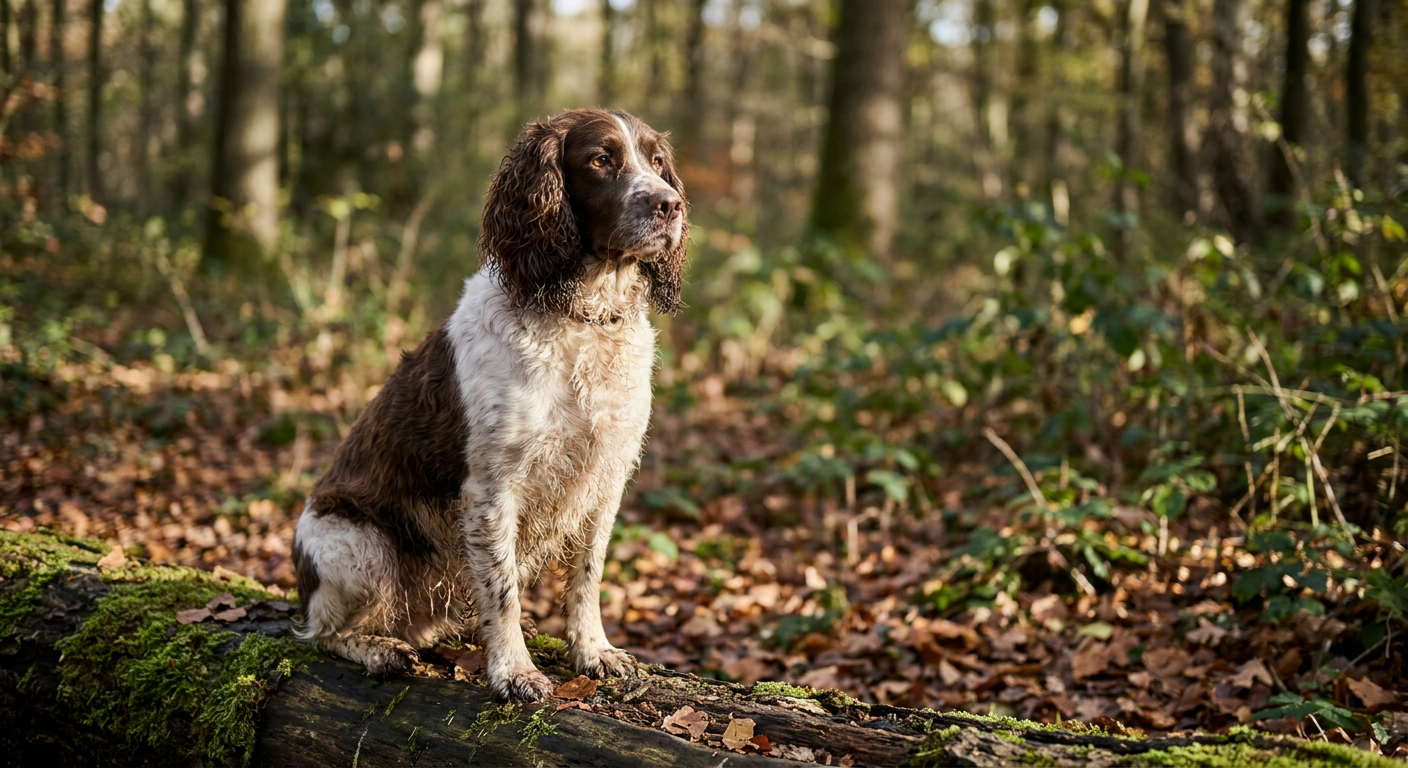
The breed originated in early 20th-century South Carolina, developed by L. Whitaker Boykin to hunt wild turkeys and ducks from small boats. It was bred from a small stray spaniel-type dog named 'Dumpy' crossed with various retrievers and spaniels. It became the state dog of South Carolina in 1985 and joined the AKC Sporting Group in 2009.
Temperament & Personality
Eager, energetic, and exceptionally loyal to their family. They possess a 'dual personality,' acting as a calm, affectionate companion at home while remaining intense and tireless in the field. They are highly social but require early exposure to different environments to prevent shyness.
Health Watchouts
Top conditions reported by AKC parent clubs, OFA, and the Merck Veterinary Manual. Discuss screening with your vet — especially before breeding or insuring.
Hip Dysplasia
CommonA degenerative joint disease common in the breed; requires OFA screening.
Screening: OFA Radiographs
Exercise Induced Collapse (EIC)
ModerateA genetic neuromuscular disorder causing collapse during high-intensity exercise.
Screening: DNA Test
Progressive Retinal Atrophy (PRA)
Low/ModerateProgressive loss of vision leading to blindness.
Screening: OFA Eye Exam/DNA
Distichiasis/Eye Issues
ModerateDry eye and curly coat syndrome is a genetic condition affecting skin and tear production.
Screening: OFA Eye Exam
Exercise Needs
Requires vigorous daily exercise; these dogs are built for all-day work in swamps and fields.
- Off-leash hiking in safe areas
- Swimming and dock diving
- Retrieving drills with bumpers
- Long-distance jogging
Nutrition
Daily calories: 900-1200 kcal/day depending on activity level
Field-active dogs may require higher protein and fat content during hunting season.
Common allergens to watch: Beef, Dairy, Wheat.
⚠ Highly food-motivated; monitor intake to prevent obesity, which exacerbates hip dysplasia.
Entertainment & Enrichment
Engage their high prey drive and 'birdiness' with activities that mimic hunting and field work.
- Water retrieval games and swimming
- Hidden scent work in tall grass
- Advanced obedience or rally training
- Puzzle feeders for daily meals
Grooming & Coat Care
Weekly brushing is required to prevent tangles in the wavy coat, especially after field work. Ear cleaning is critical due to their heavy, pendant shape.
Training
Highly trainable and eager to please, though they can be sensitive to harsh corrections. Use positive reinforcement and varied drills to keep their intelligent minds engaged.
Cost of Ownership
Lifetime cost depends on size, lifespan, and health risks. Try our Lifetime Cost Calculator →
Cost band for Boykin Spaniel: medium.
How insurance, vet care & grooming connect for the Boykin Spaniel
These three costs move together. The Boykin Spaniel’s coat, energy, and breed-specific health watchouts shape each one — here’s how they line up.
Insurance band
Common hereditary conditions raise claim odds
Vet service load
High activity raises orthopedic & injury visits
Grooming demand
Double coat sheds seasonally — frequent brushing
Estimated monthly spend (typical adult)
Insurance
$75
Routine vet
$50
Grooming
$60
Combined estimate
~$185/mo(±20%, US averages)
* Estimates derived from breed traits (coat, energy, health watchouts, lifespan). Actual costs vary by location, age, and provider.
Living Situation Fit
Best suited for homes with large fenced yards or acreage. They are too active for most apartment settings and require owners who are committed to daily outdoor activity.
Choosing a Puppy
Look for breeders who provide OFA clearances for hips, hearts, and eyes, and specifically ask for Exercise Induced Collapse (EIC) DNA results. Avoid puppies sold without parental health certifications, as the breed has a small gene pool.
Frequently Asked Questions
Do Boykin Spaniels like water?
Yes, they are known for being enthusiastic swimmers with webbed toes, originally bred for hunting from boats.
Are they good family pets?
While they are affectionate family dogs, their high energy and hunting drive can be intense for very small children or sedentary households.
How much grooming do they need?
They are 'wash and wear' dogs but need weekly brushing and occasional trimming to prevent mats in their feathered ears and legs.