History & Origin
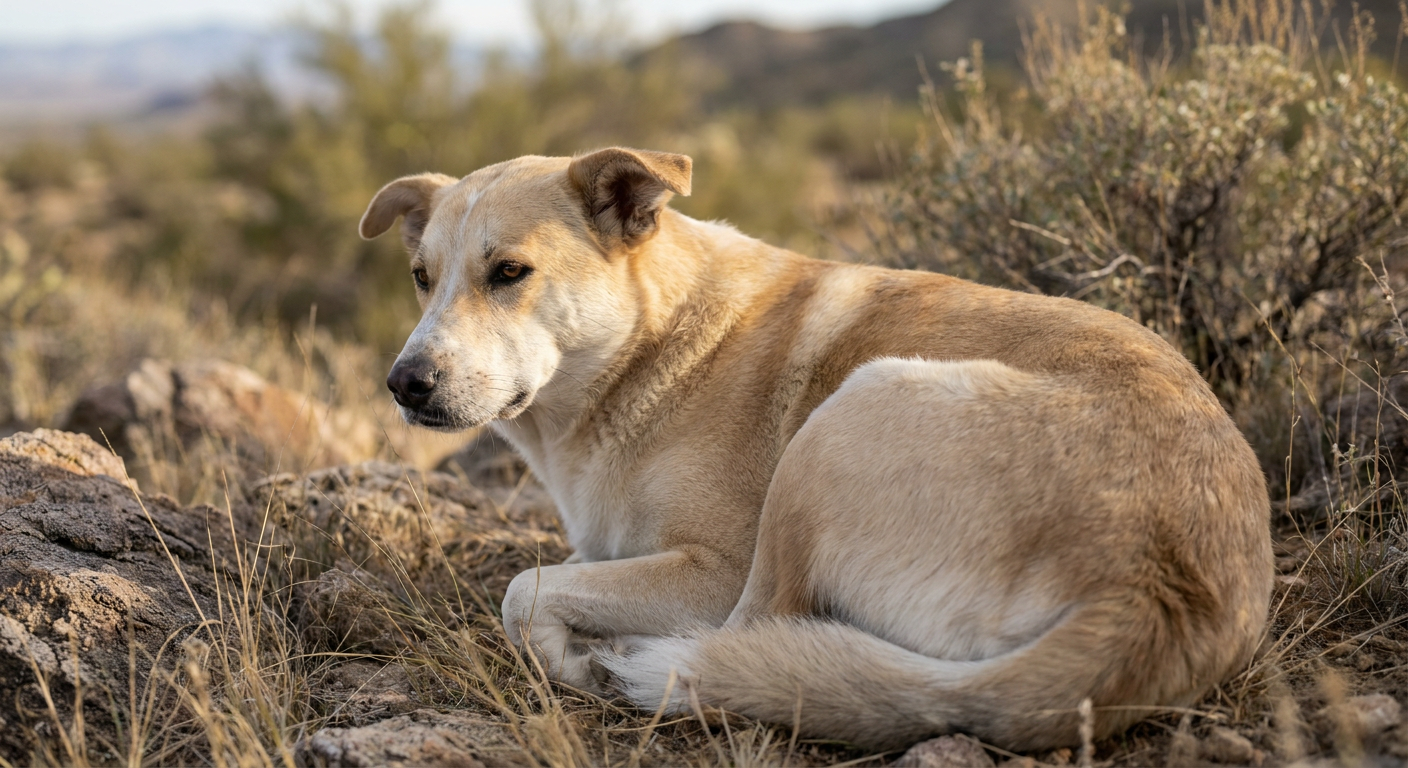
The Canaan Dog is a primitive breed that survived for centuries in the Negev Desert as a pariah dog. In the 1930s, Dr. Rudolphina Menzel began semi-domestication and training them for sentry work and landmine detection for the Israeli military. The breed was officially recognized by the AKC in 1997.
Temperament & Personality
The Canaan Dog is highly alert, vigilant, and fiercely loyal to its family. They are naturally wary of strangers and possess a strong territorial instinct, making them exceptional watchdogs. While intelligent and quick to learn, they are also independent and may challenge repetitive training.
Health Watchouts
Top conditions reported by AKC parent clubs, OFA, and the Merck Veterinary Manual. Discuss screening with your vet — especially before breeding or insuring.
Hip Dysplasia
Low to ModerateMalformation of the hip joint that can lead to arthritis and mobility issues.
Screening: OFA or PennHIP Evaluation
Progressive Retinal Atrophy (PRA)
OccasionalProgressive deterioration of the retina leading to eventual blindness.
Screening: Ophthalmic Exam (CAER)
Patellar Luxation
LowThe kneecap slips out of its normal groove, causing lameness.
Screening: Physical Veterinary Exam
Hypothyroidism
OccasionalThe thyroid gland does not produce enough hormone, leading to lethargy and skin issues.
Screening: Blood Thyroid Panel
Exercise Needs
This energetic breed needs at least an hour of vigorous daily activity. They are agile and thrive when given a job to do or a trail to explore.
- Trot-paced hiking on varied terrain
- Free running in a securely fenced area
- Agility or herding exercises
- Structured long-distance walking
Nutrition
Daily calories: 1000-1300 kcal/day
Standard high-quality kibble is sufficient; they are not typically picky eaters but should be fed twice daily.
Common allergens to watch: Beef, Dairy, Wheat.
⚠ As a lean, primitive breed, even a small amount of excess weight can strain their joints.
Entertainment & Enrichment
This breed requires high-level mental stimulation to prevent boredom-induced vocalization or digging. Their intelligence and independence mean they thrive on tasks with a clear purpose.
- Herding trials or nose work games
- Agility and obstacle course training
- Complex food puzzles to stimulate problem-solving
- Advanced obedience training sessions
Grooming & Coat Care
Weekly brushing is usually sufficient, though they 'blow' their undercoat twice a year, during which daily brushing is necessary. They are naturally clean and lack a 'doggy' odor.
Training
Training should focus on positive reinforcement and variety; Canaan Dogs bore easily with repetition. Early and continuous socialization is critical to manage their natural suspicion of strangers and reactive tendencies.
Cost of Ownership
Lifetime cost depends on size, lifespan, and health risks. Try our Lifetime Cost Calculator →
Cost band for Canaan Dog: medium.
How insurance, vet care & grooming connect for the Canaan Dog
These three costs move together. The Canaan Dog’s coat, energy, and breed-specific health watchouts shape each one — here’s how they line up.
Insurance band
Multiple breed-specific health watchouts
Vet service load
High activity raises orthopedic & injury visits
Grooming demand
Double coat sheds seasonally — frequent brushing
Estimated monthly spend (typical adult)
Insurance
$60
Routine vet
$60
Grooming
$75
Combined estimate
~$195/mo(±20%, US averages)
* Estimates derived from breed traits (coat, energy, health watchouts, lifespan). Actual costs vary by location, age, and provider.
Living Situation Fit
They require a securely fenced yard as they are agile climbers and have a strong instinct to patrol territory. They are not well-suited for apartment life due to their high alert-barking tendencies.
Choosing a Puppy
Look for breeders who perform hip and elbow evaluations and prioritize early socialization. Given their primitive nature, observe the parents' reactions to strangers to ensure they are stable rather than overly fearful.
Frequently Asked Questions
Are Canaan Dogs good with people?
While they are excellent family protectors, they are often aloof with strangers and require extensive socialization to prevent over-reactivity.
Do they bark a lot?
They are highly vocal and use barking as a primary method of guarding their territory; they will alert you to any perceived intruder.
What makes a 'primitive' breed different?
Unlike many modern breeds, they retain primitive survival instincts, including extreme alertness, independence, and a natural suspicion of the unknown.