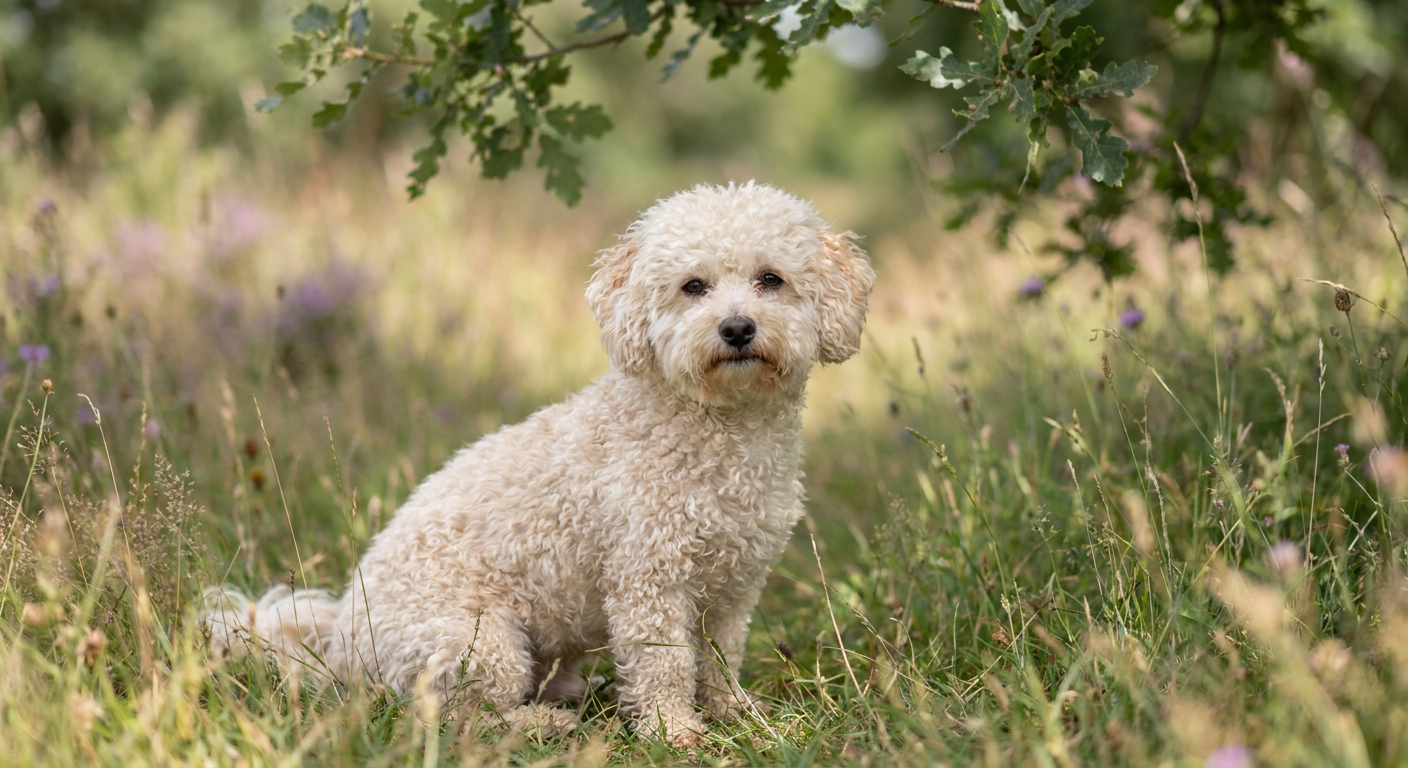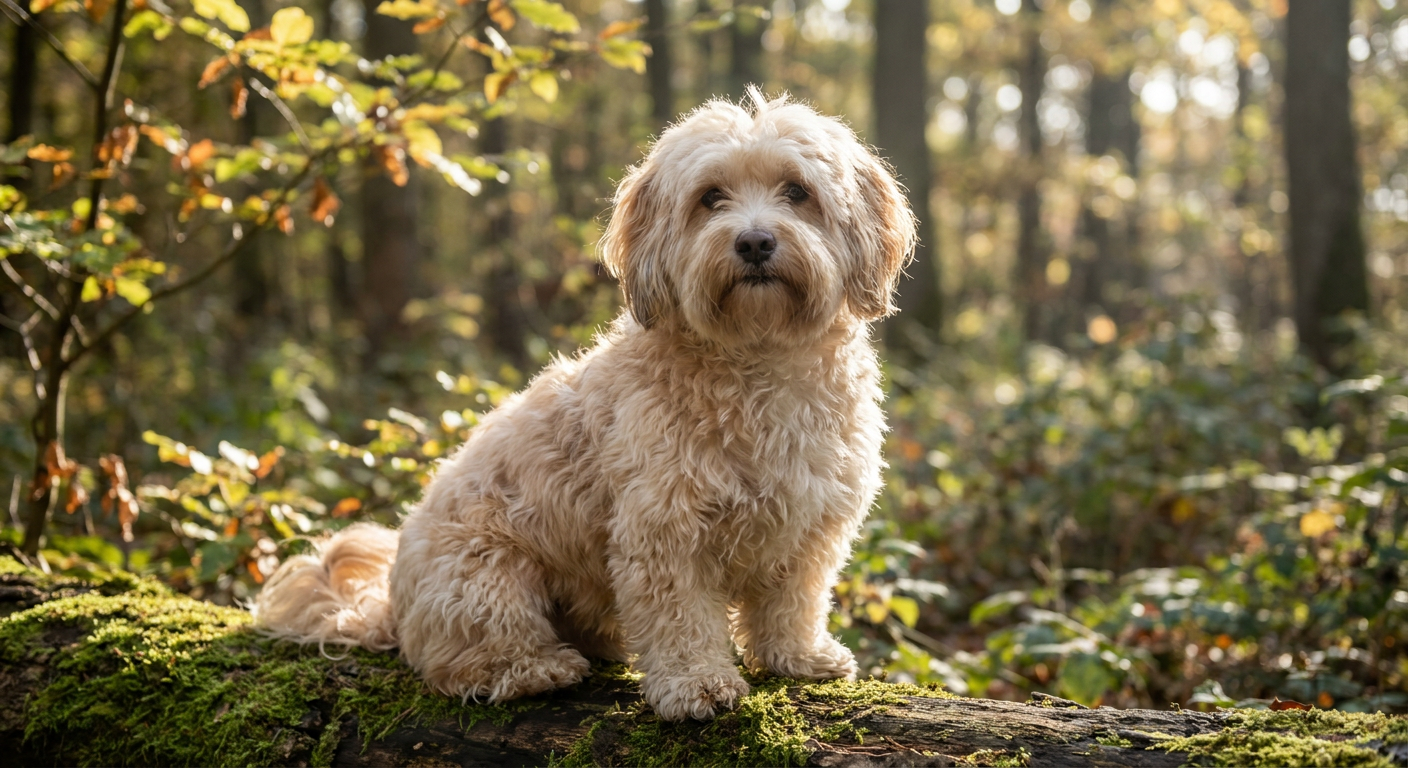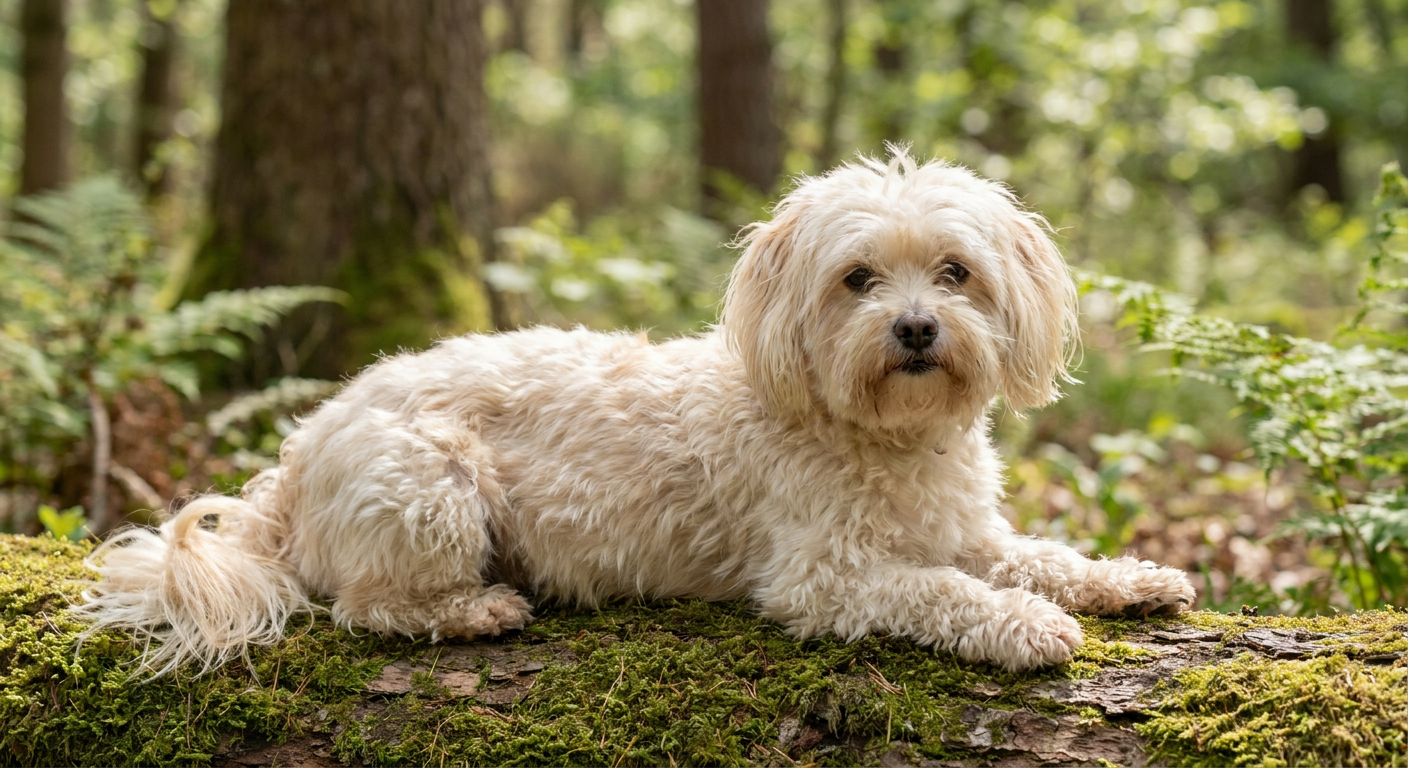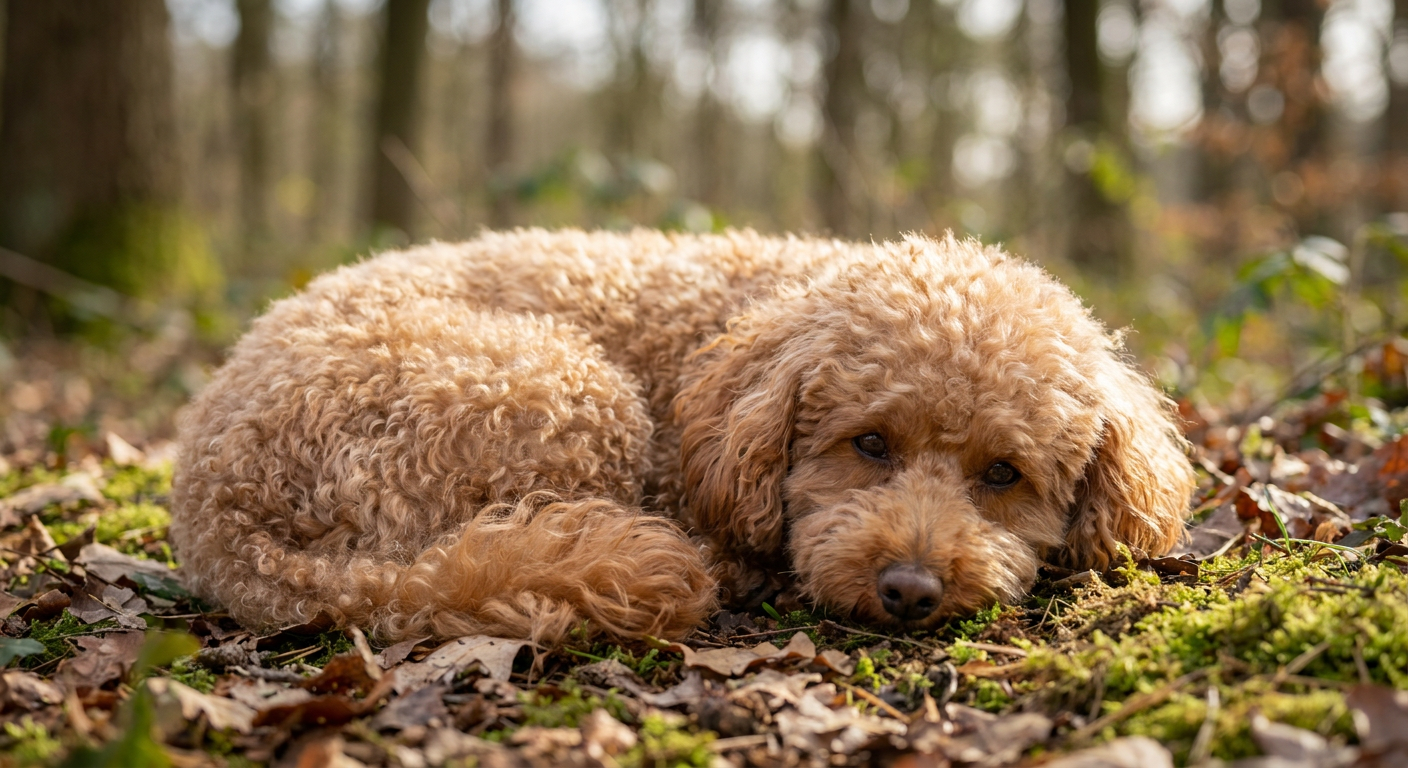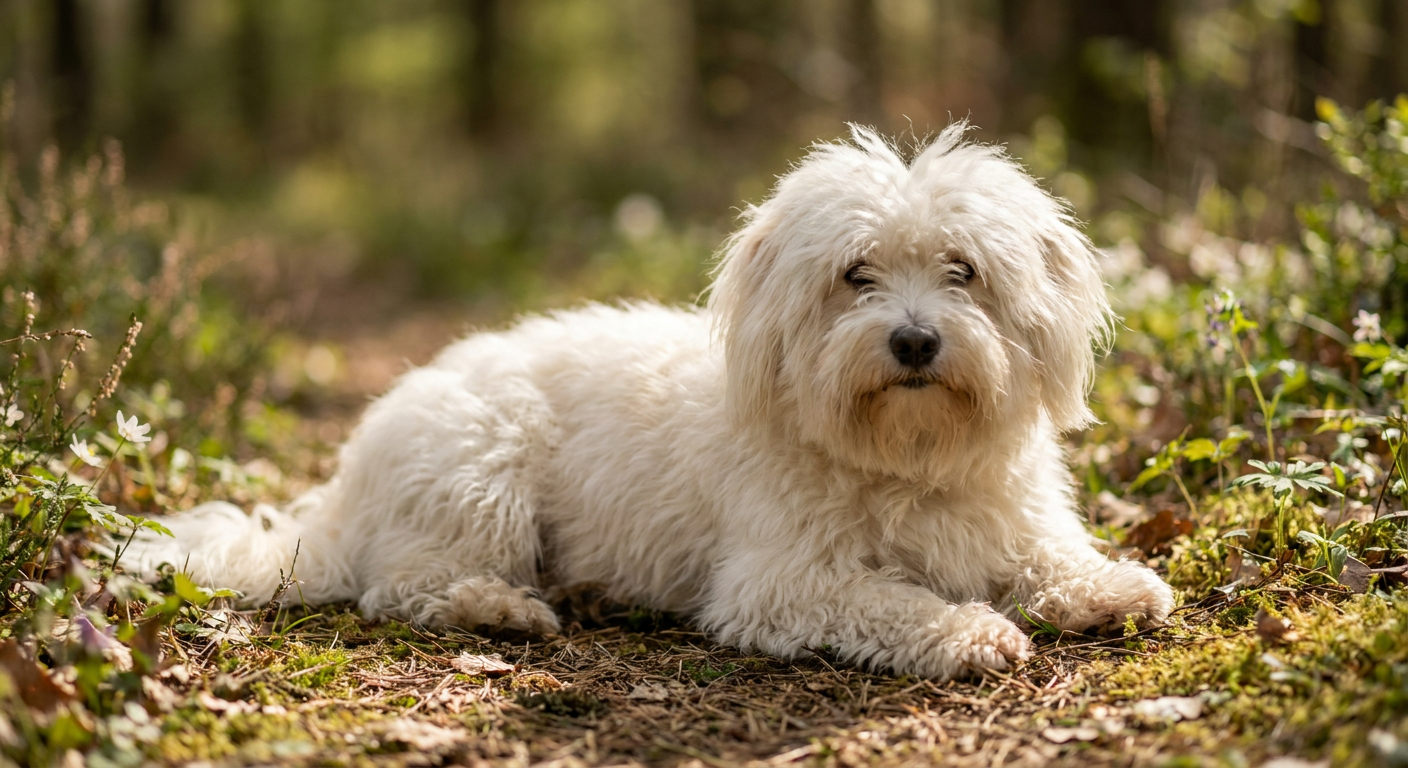
History & Origin
The breed originated on the island of Madagascar, specifically the port of Tulear, where they served as companions to royalty and wealthy merchants for centuries. They are descendants of bichon-style dogs brought by French sailors in the 17th century. The breed gained official recognition by the AKC in the Non-Sporting Group in 2014.
Temperament & Personality
The Coton is remarkably lighthearted, affectionate, and people-oriented. Often described as 'clownish,' they enjoy performing and staying close to their human companions. They are generally friendly with other pets and gentle with children, though their small size requires supervised play.
Health Watchouts
Top conditions reported by AKC parent clubs, OFA, and the Merck Veterinary Manual. Discuss screening with your vet — especially before breeding or insuring.
Patellar Luxation
CommonA hereditary condition where the kneecap dislocates out of its normal groove.
Screening: Physical exam (OFA evaluation)
Legg-Calve-Perthes Disease
OccasionalDegeneration of the femoral head leading to hip collapse and arthritis.
Screening: Radiographs (X-ray)
Progressive Retinal Atrophy (PRA)
Low to ModerateA genetic disorder causing progressive vision loss and blindness.
Screening: DNA test/OFA Eye Exam
Canine Multi-Focal Retinopathy (CMR2)
OccasionalMulti-focal retinal dysplasia leading to small 'blind spots' or vision impairment.
Screening: DNA testing
Exercise Needs
Moderate exercise needs can be met with daily walks and play. They are adaptable and will match their owner's activity level within reason.
- Brisk neighborhood walks
- Indoor fetch or play sessions
- Supervised play in a fenced yard
- Short sessions of canine freestyle dance
Nutrition
Daily calories: 350-450 kcal depending on activity level
Small, frequent meals are better for maintaining blood sugar stability in small breeds.
Common allergens to watch: Corn, Wheat, Soy.
⚠ Their thick coat can hide weight gain; always use a 'hands-on' rib check to assess body condition.
Entertainment & Enrichment
These intelligent dogs thrive on human interaction and variety. They enjoy learning tricks and participating in family activities more than solitary play.
- Teach 'speak' and 'quiet' commands
- Engage in hide-and-seek with toys
- Short trick training sessions
- Low-impact agility or tunnel play
Grooming & Coat Care
Daily brushing is required to prevent mats in the soft coat. Professional grooming every 4-6 weeks is standard.
Training
They are eager to please and respond best to positive reinforcement. Early socialization is critical to prevent shyness with strangers or new environments.
Cost of Ownership
Lifetime cost depends on size, lifespan, and health risks. Try our Lifetime Cost Calculator →
Cost band for Coton de Tulear: high.
How insurance, vet care & grooming connect for the Coton de Tulear
These three costs move together. The Coton de Tulear’s coat, energy, and breed-specific health watchouts shape each one — here’s how they line up.
Insurance band
Common hereditary conditions raise claim odds
Vet service load
Several conditions worth annual screening
Grooming demand
Professional clipping every 6–8 weeks
Estimated monthly spend (typical adult)
Insurance
$85
Routine vet
$50
Grooming
$60
Combined estimate
~$195/mo(±20%, US averages)
* Estimates derived from breed traits (coat, energy, health watchouts, lifespan). Actual costs vary by location, age, and provider.
Living Situation Fit
They are ideal for apartment living provided they have daily outdoor time. This breed thrives in households where people are home most of the day to provide social stimulation.
Choosing a Puppy
Look for breeders who perform OFA/CERF clearances on parents. Avoid 'teacup' marketing and ensure the puppy is bold and curious rather than timid or lethargic during your visit.
Frequently Asked Questions
Is the Coton de Tulear a vocal breed?
Yes, they are known for their 'vocalizations' including grunts and barks, and may alert you to strangers, though they are not typically aggressive.
Can they be left alone for long periods?
No, they are highly social 'velcro' dogs and can suffer from separation anxiety if left alone for workdays without companionship.
Why are they called hypoallergenic?
The coat is hair-like Rather than fur and produces very little dander, which often makes them more tolerable for many allergy sufferers.