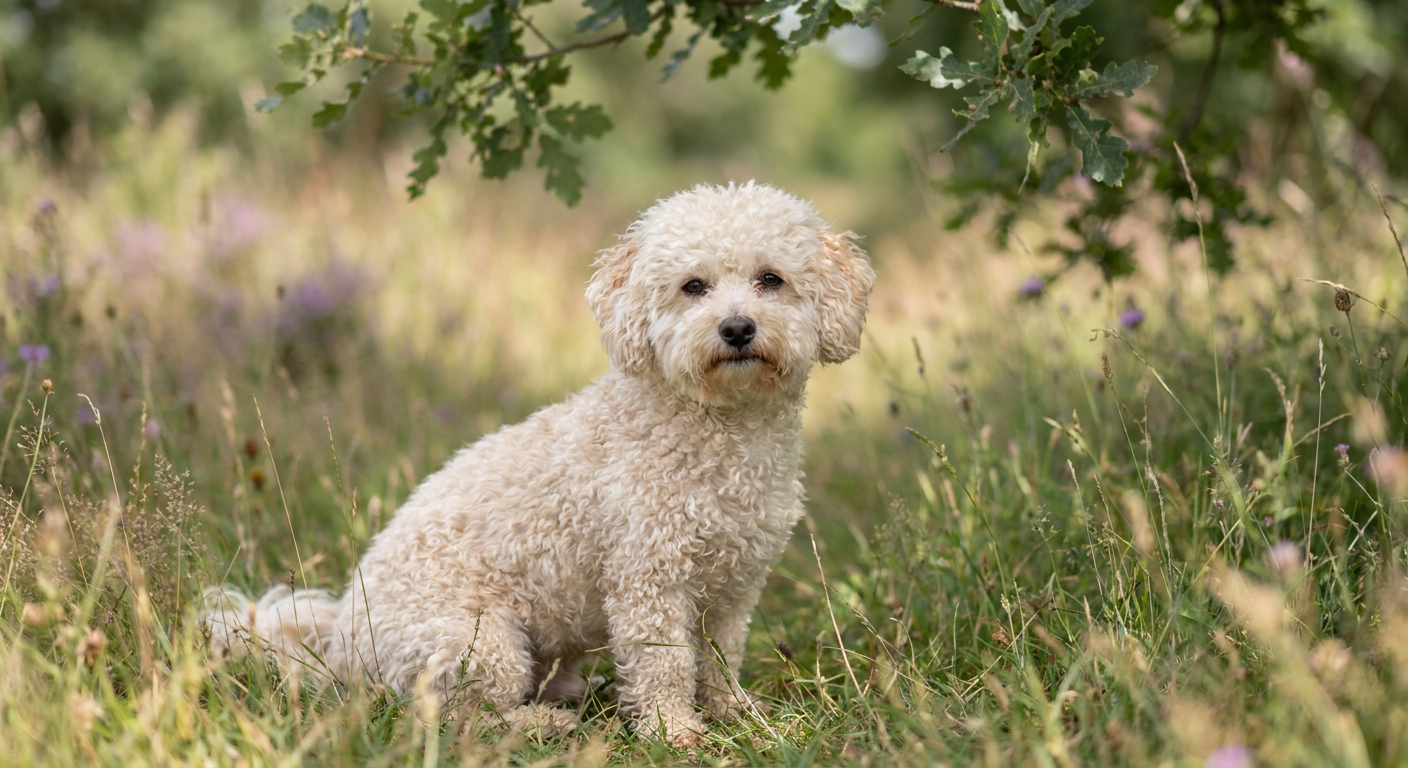
History & Origin
Brought to Cuba by Spanish settlers in the 1500s; refined as the lap dog of the Cuban aristocracy. Nearly extinct after the 1959 revolution; revived from a handful of dogs that escaped to the U.S. AKC recognition in 1996.
Temperament & Personality
Outgoing, affectionate, playful. Loves everyone. Highly social and trainable. Velcro-bonded to humans.
Health Watchouts
Top conditions reported by AKC parent clubs, OFA, and the Merck Veterinary Manual. Discuss screening with your vet — especially before breeding or insuring.
Patellar luxation
CommonKneecap dislocation.
Screening: Vet orthopedic exam
Legg-Calvé-Perthes
NotableHip joint deterioration in young dogs.
Screening: Vet exam if limping young
Cataracts
NotableLens opacity.
Screening: Annual CERF
Heart murmur (mitral valve)
Common in seniorsMitral valve degeneration.
Screening: Annual cardiac auscultation
Deafness
OccasionalCongenital deafness.
Screening: BAER test puppies
Exercise Needs
30–45 minutes daily — walks, play, and trick training.
- Daily walks
- Trick training
- Agility
- Indoor fetch
- Doggy playdates
Nutrition
Daily calories: Adult: 300–500 kcal.
Two meals daily.
Common allergens to watch: Chicken, Wheat.
⚠ Coat hides weight; check by feel.
Entertainment & Enrichment
Smart, sociable companions.
- Trick training
- Agility
- Therapy work
- Puzzle feeders
- Doggy meetups
Grooming & Coat Care
Brush daily 5–10 minutes to prevent matting. Pro grooming every 4–6 weeks. Many opt for a 'puppy cut' to ease maintenance.
Training
Highly trainable and eager. Positive reinforcement. Address separation anxiety from puppyhood.
Cost of Ownership
Lifetime cost depends on size, lifespan, and health risks. Try our Lifetime Cost Calculator →
Cost band for Havanese: medium.
How insurance, vet care & grooming connect for the Havanese
These three costs move together. The Havanese’s coat, energy, and breed-specific health watchouts shape each one — here’s how they line up.
Insurance band
Common hereditary conditions raise claim odds
Vet service load
Several conditions worth annual screening
Grooming demand
Professional clipping every 6–8 weeks
Estimated monthly spend (typical adult)
Insurance
$75
Routine vet
$45
Grooming
$60
Combined estimate
~$180/mo(±20%, US averages)
* Estimates derived from breed traits (coat, energy, health watchouts, lifespan). Actual costs vary by location, age, and provider.
Living Situation Fit
Apartment-perfect. Bonds intensely with humans — not for absentee owners.
Choosing a Puppy
Eye CERF, OFA patellas, BAER hearing. Meet both parents.
Frequently Asked Questions
Are Havanese hypoallergenic?
Considered low-allergen — they shed minimally and produce less dander than many breeds. Spend time with one before committing if allergic.
Do Havanese bark a lot?
They're moderate barkers — they alert to visitors and noises but aren't yappy. Training and adequate exercise reduce nuisance barking.
Can Havanese be left alone?
They tolerate brief alone-time but develop separation anxiety with regular long absences. Best for retirees, work-from-home owners, or homes with a doggy companion.