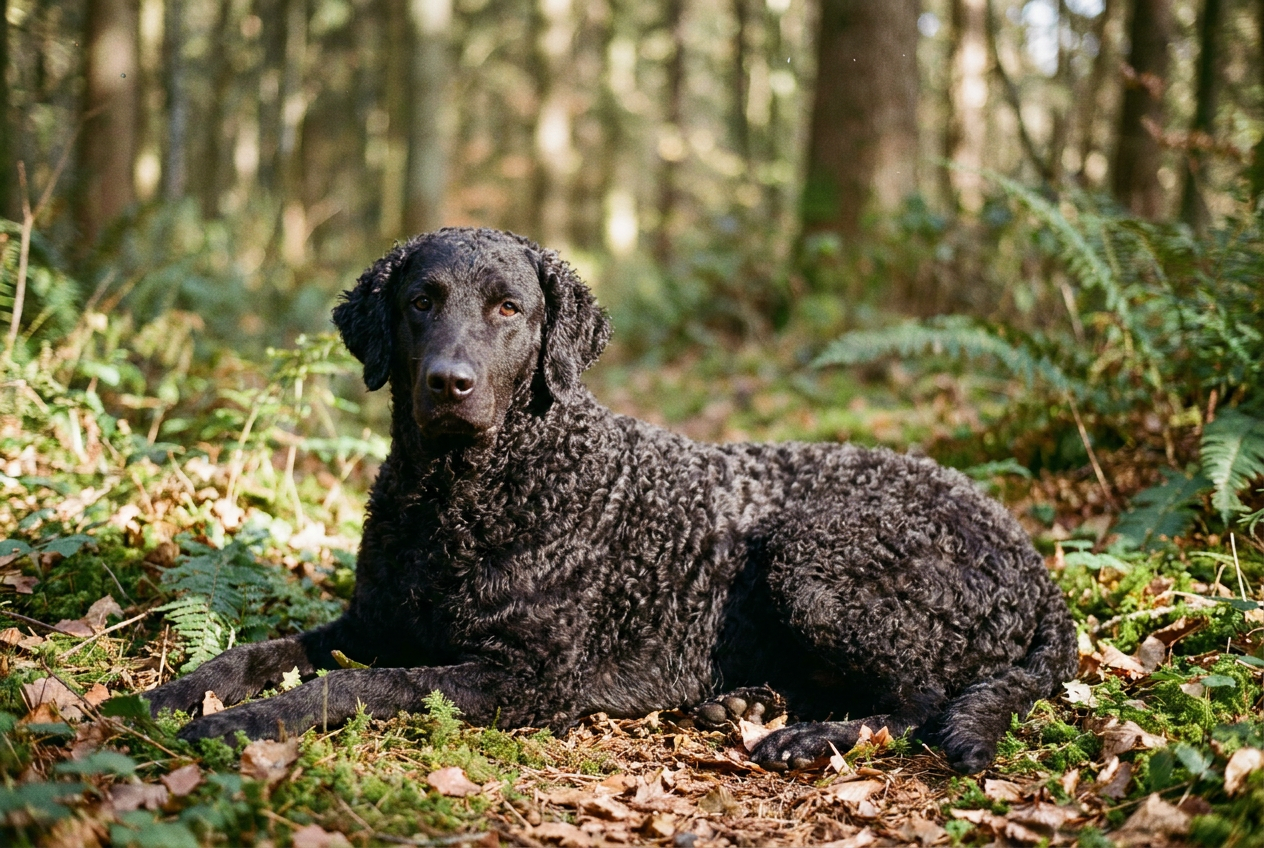
History & Origin
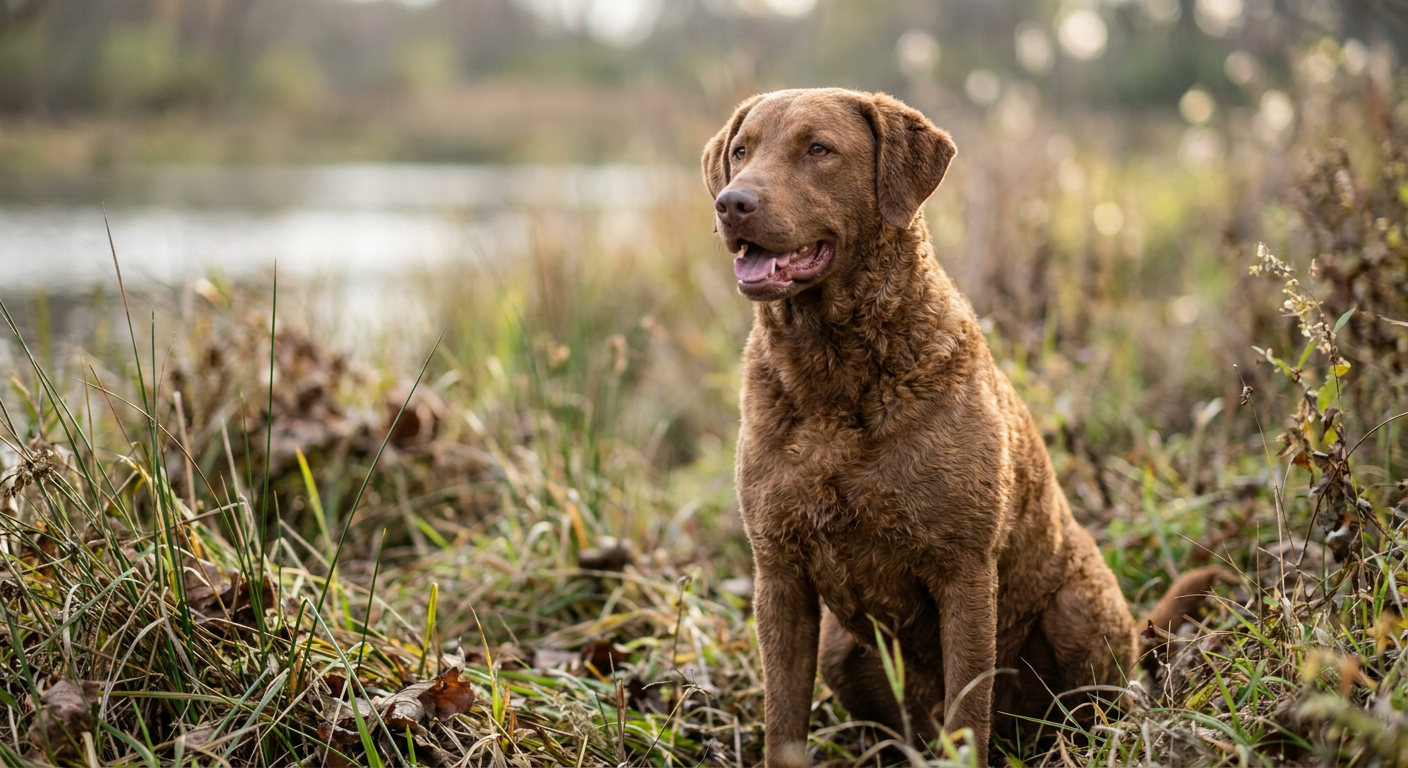
Recognized as one of the oldest retriever breeds, the Curly-Coated Retriever was established in England by the mid-1800s. It is believed to have descended from the now-extinct English Water Spaniel and the St. John's Water Dog, with later infusions of Poodle to tighten the curl. The breed was officially recognized by the AKC in 1924.
Temperament & Personality
The Curly-Coated Retriever is distinguished by an independent, poised, and sometimes aloof personality. While deeply loyal to their family, they are less overtly social with strangers than other retrievers. They are highly intelligent and require a job to prevent boredom. This breed matures slowly, often retaining a puppy-like playfulness for several years.
Health Watchouts
Top conditions reported by AKC parent clubs, OFA, and the Merck Veterinary Manual. Discuss screening with your vet — especially before breeding or insuring.
Glycogen Storage Disease (GSD-V)
Rare, but significant within the breedA genetic neurological condition causing progressive lack of coordination and gait abnormalities.
Screening: DNA Testing
Hip Dysplasia
ModerateA malformation of the hip joint that can lead to arthritis and mobility issues.
Screening: OFA or PennHIP Radiographs
Elbow Dysplasia
Low to ModerateAbnormal development of the elbow joint causing lameness.
Screening: OFA Radiographs
Progressive Retinal Atrophy (PRA)
ModerateGradual degeneration of the retina leading to eventual blindness.
Screening: OFA Eye Exam (CAER) and DNA Testing
Exercise Needs
This is an endurance-based sporting dog that requires at least 90 minutes of vigorous daily activity. They excel in water and field environments.
- Long-distance swimming
- Hiking on rugged trails
- Upland or waterfowl hunting trials
- Biking or jogging after physical maturity
Nutrition
Daily calories: 1300-1600 kcal/day
Divide meals into two daily feedings to prevent gastric torsion. Adjust intake based on seasonal hunting or training activity levels.
Common allergens to watch: Chicken, Beef, Dairy.
⚠ The breed's deep chest increases the risk of Bloat (GDV). Avoid vigorous exercise for one hour before and after meals.
Entertainment & Enrichment
This breed requires substantial mental stimulation to prevent destructive boredom. High-level problem-solving and task-oriented play are essential.
- Dock diving or swimming sessions
- Complex retrieving drills in varying terrain
- Scent work or tracking exercises
- Food-dispensing puzzle toys used during mealtime
Grooming & Coat Care
Low maintenance; require occasional bathing and 'tipping' of stray hairs. Do not brush the coat; simply dampen and air dry to maintain curl integrity.
Training
Use positive reinforcement, as they can be sensitive to harsh corrections despite their rugged build. Training sessions should be varied to keep their intelligent minds engaged, as they can become bored with repetitive drills.
Cost of Ownership
Lifetime cost depends on size, lifespan, and health risks. Try our Lifetime Cost Calculator →
Cost band for Curly-Coated Retriever: medium.
How insurance, vet care & grooming connect for the Curly-Coated Retriever
These three costs move together. The Curly-Coated Retriever’s coat, energy, and breed-specific health watchouts shape each one — here’s how they line up.
Insurance band
Multiple breed-specific health watchouts
Vet service load
High activity raises orthopedic & injury visits
Grooming demand
Low-maintenance coat — monthly bath and brush
Estimated monthly spend (typical adult)
Insurance
$75
Routine vet
$50
Grooming
$30
Combined estimate
~$155/mo(±20%, US averages)
* Estimates derived from breed traits (coat, energy, health watchouts, lifespan). Actual costs vary by location, age, and provider.
Living Situation Fit
This breed thrives in rural or suburban homes with large, fenced yards and access to bodies of water. They are unsuitable for apartment living or sedentary lifestyles due to their high drive and size.
Choosing a Puppy
Look for a breeder who provides OFA or PennHIP results for hips and elbows, along with clear eye exams and GSD-V DNA testing. Observe the dam's temperament, as Curlies should be confident, not shy.
Frequently Asked Questions
Are Curly-Coated Retrievers hypoallergenic?
While their coat is low-shedding, they are not truly hypoallergenic. They lack a downy undercoat, which may reduce allergens for some, but they still produce dander.
How do I maintain the curls?
A Curly's coat should never be brushed or combed, as this causes frizz. Instead, the coat is dampened and massaged to maintain the curl pattern. To remove dead hair, light raking during shedding season is sufficient.
How is their temperament different from a Labrador?
They are generally more independent and reserved with strangers compared to the Golden or Labrador Retriever. While loyal to their family, they lack the 'everyone is my best friend' attitude typical of other retrievers.