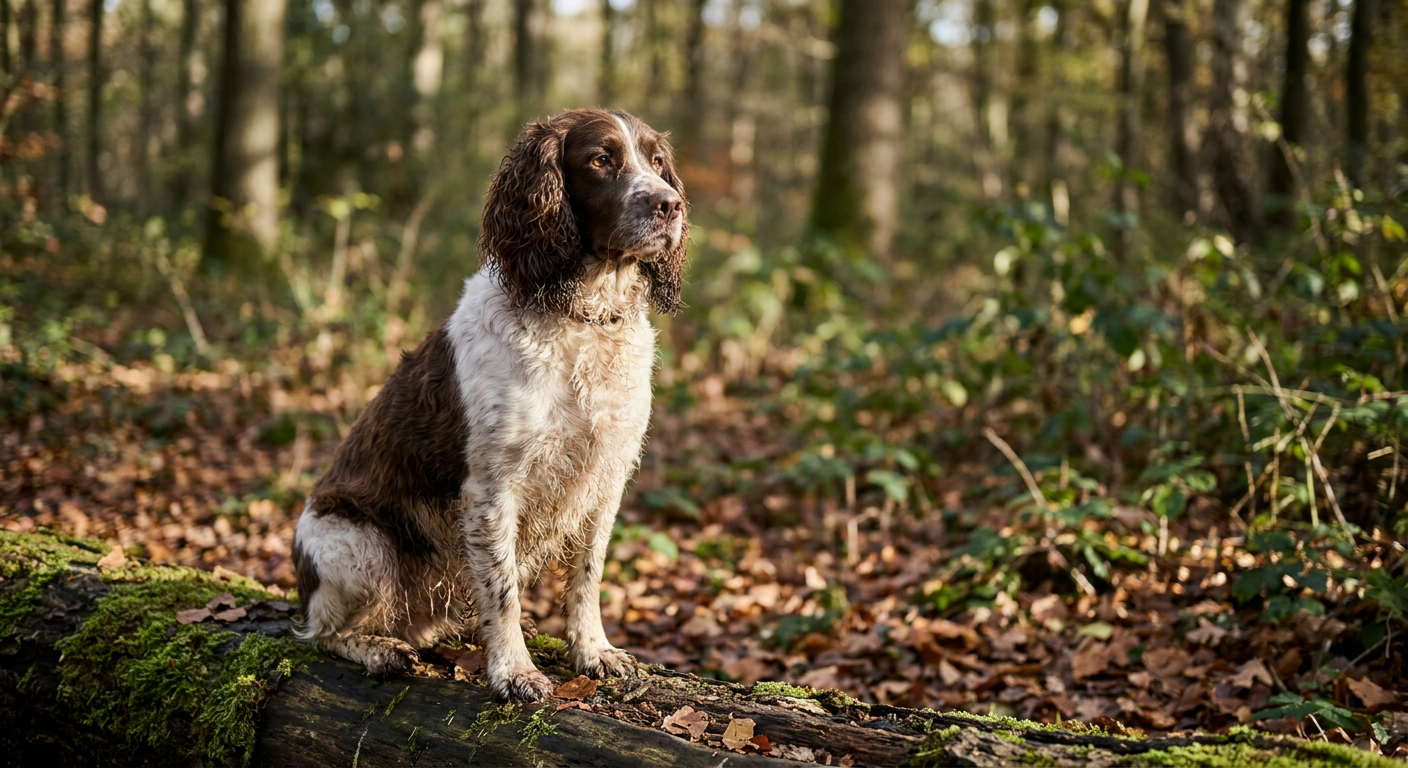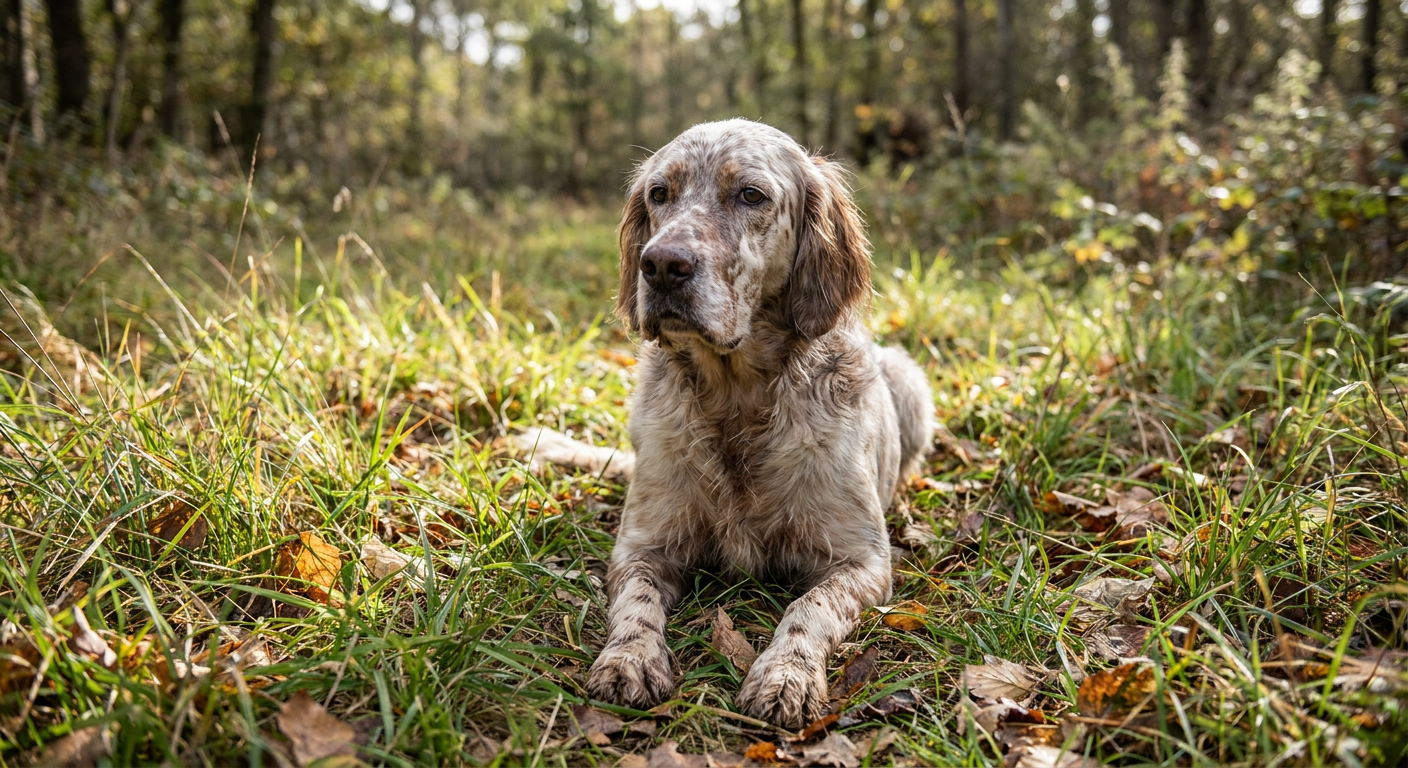
History & Origin
Originating in the United Kingdom, they were specifically bred to hunt woodcock, which provided their name. They were recognized as a distinct breed from the larger Springer Spaniel in 1892. In 1946, the AKC officially recognized the English and American versions as separate breeds.
Temperament & Personality
Energetic, affectionate, and famously "merry." They possess a constantly wagging tail and a strong desire to be near their human companions. While sensitive to harsh corrections, they are highly responsive to positive reinforcement and training.
Health Watchouts
Top conditions reported by AKC parent clubs, OFA, and the Merck Veterinary Manual. Discuss screening with your vet — especially before breeding or insuring.
Progressive Retinal Atrophy (PRA)
CommonA degenerative eye disease leading to blindness.
Screening: DNA Test / Annual Eye Exam
Hip Dysplasia maternal
ModerateHardening of the hip joint causing arthritis and lameness.
Screening: OFA or PennHIP Radiographs
Otitis Externa
HighFrequent infections due to heavy, pendulous ear flaps restricting airflow.
Screening: Regular Veterinary Ear Exams
Familial Nephropathy (FN)
Rare (due to DNA screening)A kidney disease leading to early onset renal failure.
Screening: DNA Test
Exercise Needs
They are high-energy sporting dogs that require significant daily physical exertion to prevent neurotic behaviors.
- Daily brisk walks or jogging
- Off-leash hiking in secure areas
- Field trials or hunt tests
- Agility or flyball training
Nutrition
Daily calories: 800-1100 kcal
Use a high-quality sporting dog formula; divide into two meals to prevent bloating.
Common allergens to watch: Beef, Dairy, Wheat.
⚠ This breed is highly food-motivated and prone to obesity, which exacerbates joint issues.
Entertainment & Enrichment
As a bird dog with a high drive, this breed needs structured mental outlets that mimic hunting and foraging.
- Scent work and nose-led games
- Search and rescue style hide-and-seek
- Retrieving drills in water or tall grass
- Food-distributing puzzle toys
Grooming & Coat Care
High. Requires brushing several times weekly and professional clipping or hand-stripping every 6-8 weeks to prevent matting.
Training
Highly trainable and eager to please, though they can be distracted by scents. Early socialization is critical to prevent shyness, and field-based training often yields the best results.
Cost of Ownership
Lifetime cost depends on size, lifespan, and health risks. Try our Lifetime Cost Calculator →
Cost band for English Cocker Spaniel: medium.
How insurance, vet care & grooming connect for the English Cocker Spaniel
These three costs move together. The English Cocker Spaniel’s coat, energy, and breed-specific health watchouts shape each one — here’s how they line up.
Insurance band
Common hereditary conditions raise claim odds
Vet service load
High activity raises orthopedic & injury visits
Grooming demand
Long coat tangles without weekly grooming
Estimated monthly spend (typical adult)
Insurance
$75
Routine vet
$50
Grooming
$60
Combined estimate
~$185/mo(±20%, US averages)
* Estimates derived from breed traits (coat, energy, health watchouts, lifespan). Actual costs vary by location, age, and provider.
Living Situation Fit
They thrive in homes with fenced yards but can adapt to apartments if given vigorous daily exercise. They are highly social and should not be left alone for long periods.
Choosing a Puppy
Look for breeders who perform OFA/PennHIP evaluations and annual eye exams. Inquire about temperament testing, as the breed should be merry and curious, never shy or aggressive.
Frequently Asked Questions
What is the difference between an English and American Cocker Spaniel?
The English Cocker is taller, has a longer muzzle, and less profuse coat than the American version, which is smaller with a dome-shaped head.
Do English Cocker Spaniels shed a lot?
They are moderate shedders; regular brushing and professional grooming every 6-8 weeks are necessary to manage hair.
Are they good family dogs?
Yes, they are generally excellent with children, though their exuberance may be too much for toddlers without supervision.