History & Origin
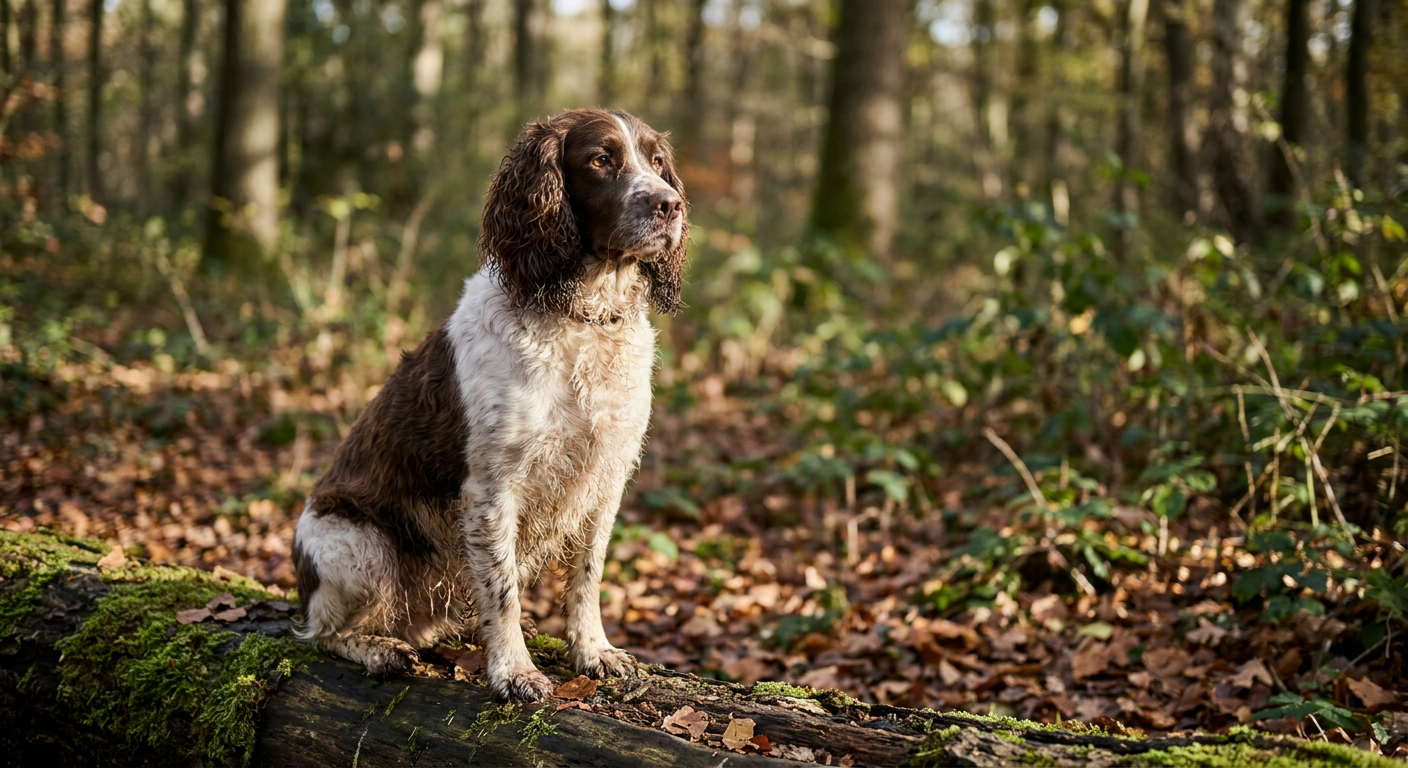
Developed in England during the late 19th century, this breed initially emerged from crossing various spaniels to create a solid-colored dog for field work. By the early 20th century, excessive breeding for extreme length and short legs nearly caused its extinction. Dedicated fanciers later outcrossed with English Springer Spaniels to restore the breed's athletic, functional proportions.
Temperament & Personality
The Field Spaniel is notably more docile and level-headed than many other sporting breeds. They are deeply affectionate and sensitive, often forming a strong bond with a single person or family while remaining somewhat reserved with strangers. While hardworking in the field, they possess a 'soft' personality that requires gentle handling and positive reinforcement training.
Health Watchouts
Top conditions reported by AKC parent clubs, OFA, and the Merck Veterinary Manual. Discuss screening with your vet — especially before breeding or insuring.
Hip Dysplasia
CommonA developmental malformation of the hip joints that can lead to arthritis and mobility issues.
Screening: OFA or PennHIP evaluation
Hypothyroidism
ModerateThe breed is prone to autoimmune thyroiditis, which leads to hypothyroidism and may cause weight gain or skin issues.
Screening: Full thyroid blood panel
Eye Deformities
ModerateVarious inherited conditions including cataracts and retinal dysplasia.
Screening: Annual CAER (OFA) eye exams
Epilepsy
Reported in certain lineagesAn inherited neurological condition causing seizures.
Screening: Clinical history and pedigree review
Exercise Needs
Requires substantial daily exercise and thrives when given a job to do in the field or through structured sport.
- Long leashed walks
- Off-leash running in secure areas
- Swimming
- Field trials or hunt tests
- Agility training
Nutrition
Daily calories: 1000-1200 kcal/day depending on activity level
Divide rations into two meals to prevent bloat, though the risk is lower than in deep-chested giant breeds.
Common allergens to watch: Beef, Dairy, Wheat.
⚠ Easy weight gain if exercise is insufficient; monitor the rib cage visibility and waistline frequently.
Entertainment & Enrichment
As a versatile sporting dog, this breed requires mental engagement through scent work and physical problem-solving to prevent boredom.
- Scent work or nose games
- Upland bird hunting or tracking
- Moderate-level hiking in varied terrain
- Food-dispensing puzzle toys
- Hide-and-seek with family members
Grooming & Coat Care
Weekly brushing is required to prevent mats in the feathering; clip hair between paw pads and clean long ears regularly to prevent infections.
Training
Highly biddable but sensitive; they shut down under harsh correction. Use food rewards and play-based training to maintain their interest and confidence.
Cost of Ownership
Lifetime cost depends on size, lifespan, and health risks. Try our Lifetime Cost Calculator →
Cost band for Field Spaniel: high.
How insurance, vet care & grooming connect for the Field Spaniel
These three costs move together. The Field Spaniel’s coat, energy, and breed-specific health watchouts shape each one — here’s how they line up.
Insurance band
Common hereditary conditions raise claim odds
Vet service load
High activity raises orthopedic & injury visits
Grooming demand
Low-maintenance coat — monthly bath and brush
Estimated monthly spend (typical adult)
Insurance
$85
Routine vet
$60
Grooming
$45
Combined estimate
~$190/mo(±20%, US averages)
* Estimates derived from breed traits (coat, energy, health watchouts, lifespan). Actual costs vary by location, age, and provider.
Living Situation Fit
They thrive in homes with large fenced yards and owners who participate in outdoor activities. They are sensitive dogs that do best with predictable routines and positive reinforcement.
Choosing a Puppy
Inquire about the COI (Coefficient of Inbreeding) as the Field Spaniel has a small gene pool. Ensure the breeder provides OFA clearances for hips, eyes, and thyroid.
Frequently Asked Questions
How does their temperament differ from an English Springer Spaniel?
They are generally more independent and calmer indoors than the Springer Spaniel, though they require similarly high levels of outdoor activity.
Can they live in an apartment?
While they can adapt to quieter environments, they are a high-energy sporting breed that typically requires a yard and an active lifestyle.
Are they good with children?
Generally, yes. They are social and affectionate with families, but children should be taught to respect their space during rest.