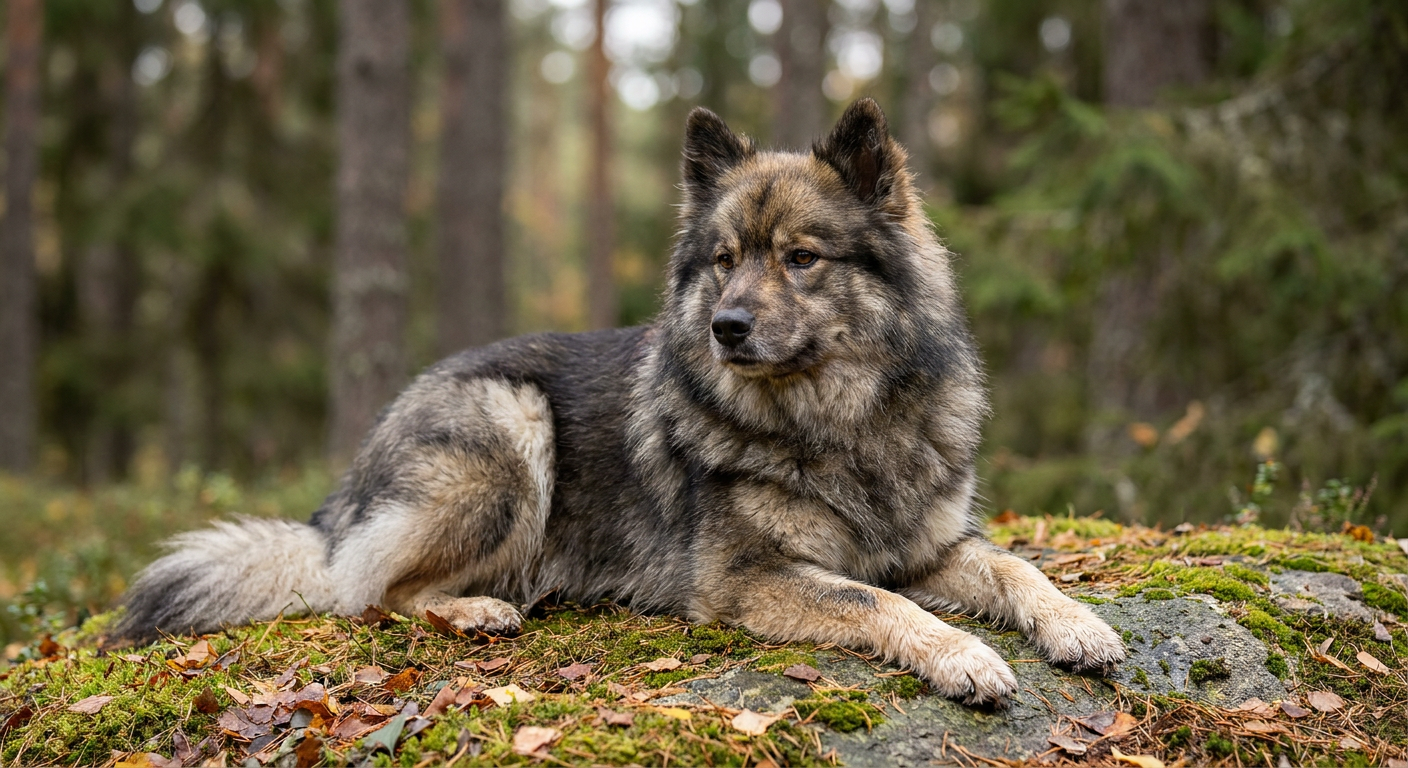
History & Origin
Developed by the Sami people of Lapland, these dogs transitioned from hunting reindeer to herding them centuries ago. The breed was first standardized in Finland in 1945. They gained AKC recognition in the Herding Group in 2011.
Temperament & Personality
This breed is remarkably calm, friendly, and submissive for a herder, though they retain a strong 'startle reflex' from their history with reindeer. They are deeply devoted to their families and generally patient with children. While intelligent and eager to please, they can exhibit independence and a vocal nature if bored.
Health Watchouts
Top conditions reported by AKC parent clubs, OFA, and the Merck Veterinary Manual. Discuss screening with your vet — especially before breeding or insuring.
Progressive Retinal Atrophy (PRA)
Common in certain linesA genetic eye disorder that causes gradual vision loss and eventual blindness.
Screening: DNA testing and CAER eye exams
Hip Dysplasia
ModerateMalformation of the hip joint that can lead to arthritis and mobility issues.
Screening: OFA or PennHIP evaluation
Pompe's Disease (GSD II)
Rare but seriousA metabolic disorder where the body cannot process glycogen, leading to heart and muscle damage.
Screening: DNA testing (carriers are common)
Cataracts
ModerateClouding of the lens which can impair vision or lead to blindness.
Screening: Annual CAER eye exams
Exercise Needs
They require significant daily exercise but are generally adaptable, capable of settling indoors after a day of moderate activity.
- Brisk daily walks or hikes
- Off-leash play in a secure area
- Fetch and frisbee sessions outdoors
- Cold-weather activities like skijoring
Nutrition
Daily calories: 1,000 - 1,400 kcal
Divide meals into two portions. Use high-quality protein to support their thick coat health.
Common allergens to watch: Beef, Dairy, Wheat.
⚠ The dense coat can hide weight gain; use a 'hands-on' rib check regularly.
Entertainment & Enrichment
Mental stimulation is vital for this intelligent herding breed to prevent barking and boredom-driven behaviors.
- Herding trials or herding instinct tests
- Long-distance hiking in cooler weather
- Scent work or nose games
- Interactive puzzle toys for mental stimulation
- Competitive obedience or agility training
Grooming & Coat Care
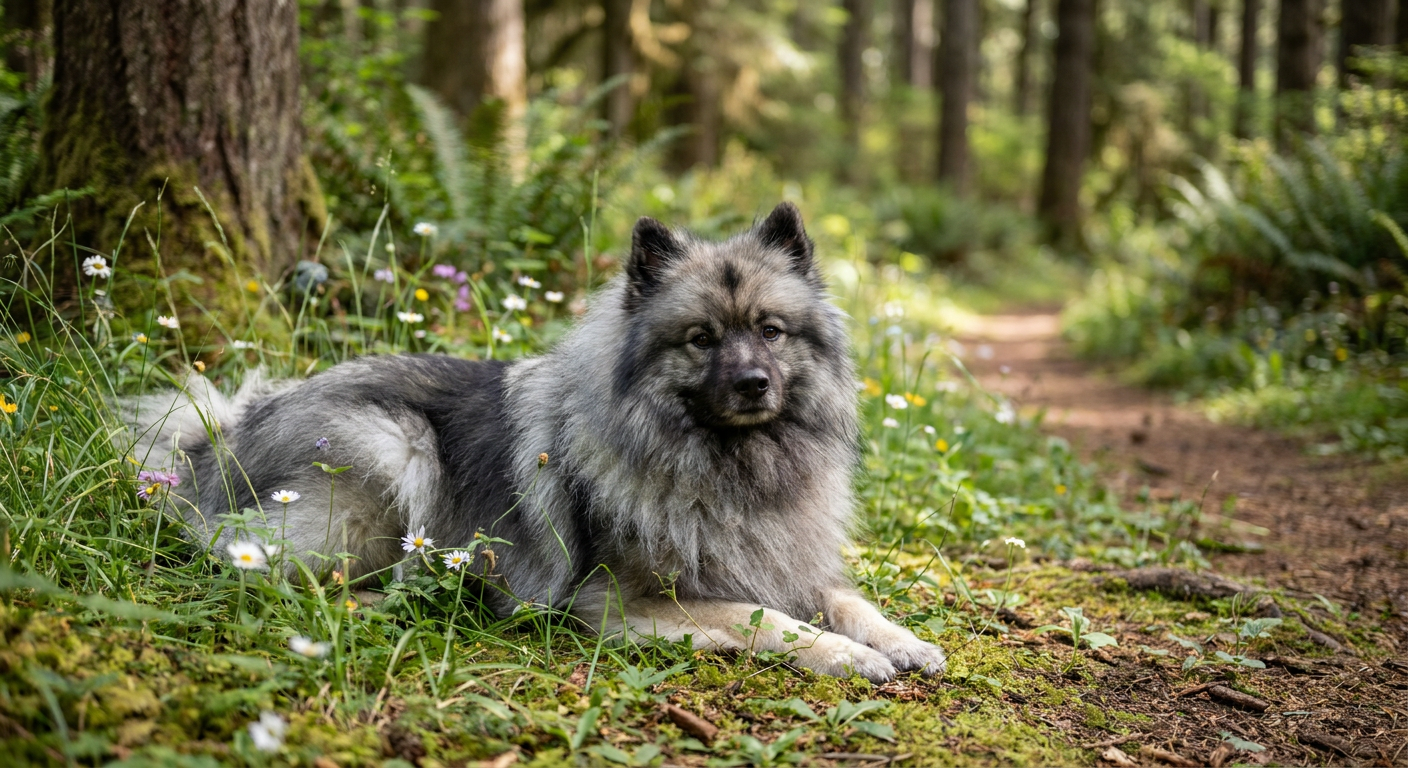
Weekly brushing is required to manage the thick coat, increasing to daily during seasonal shedding periods. They do not require professional clipping.
Training
Finnish Lapphunds respond best to positive reinforcement and variety; they may become bored with repetitive drills. Early socialization is critical to manage their innate alertness and penchant for barking.
Cost of Ownership
Lifetime cost depends on size, lifespan, and health risks. Try our Lifetime Cost Calculator →
Cost band for Finnish Lapphund: medium.
How insurance, vet care & grooming connect for the Finnish Lapphund
These three costs move together. The Finnish Lapphund’s coat, energy, and breed-specific health watchouts shape each one — here’s how they line up.
Insurance band
Common hereditary conditions raise claim odds
Vet service load
High activity raises orthopedic & injury visits
Grooming demand
Double coat sheds seasonally — frequent brushing
Estimated monthly spend (typical adult)
Insurance
$75
Routine vet
$60
Grooming
$75
Combined estimate
~$210/mo(±20%, US averages)
* Estimates derived from breed traits (coat, energy, health watchouts, lifespan). Actual costs vary by location, age, and provider.
Living Situation Fit
They thrive in cold climates and require a home with a fenced yard. While adaptable, they are not ideal for small apartments or hot, humid environments.
Choosing a Puppy
Prioritize breeders who screen for PRA and hip dysplasia. Potential owners should observe the mother's temperament, as Lappies should be calm and curious rather than shy or aggressive.
Frequently Asked Questions
Do Finnish Lapphunds bark a lot?
Yes, as a herding breed originally used to alert to predators, they are prone to vocalizing. Training is necessary to manage excessive barking.
Are they good with other dogs?
They are generally friendly with other dogs, though early socialization is key to ensuring they remain sociable and confident.
How much do they shed?
They have a thick double coat that sheds moderately year-round and heavily twice a year during 'blowing' season.