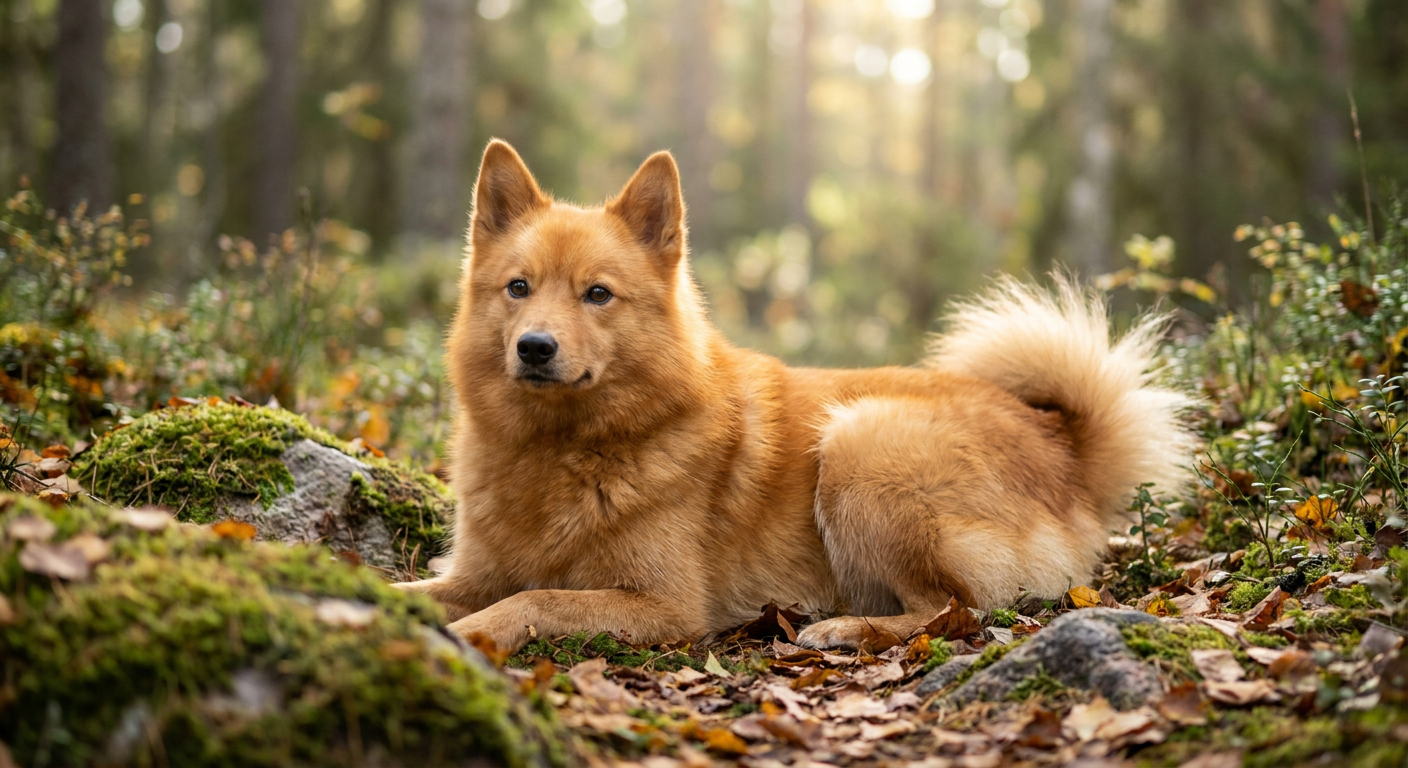
History & Origin
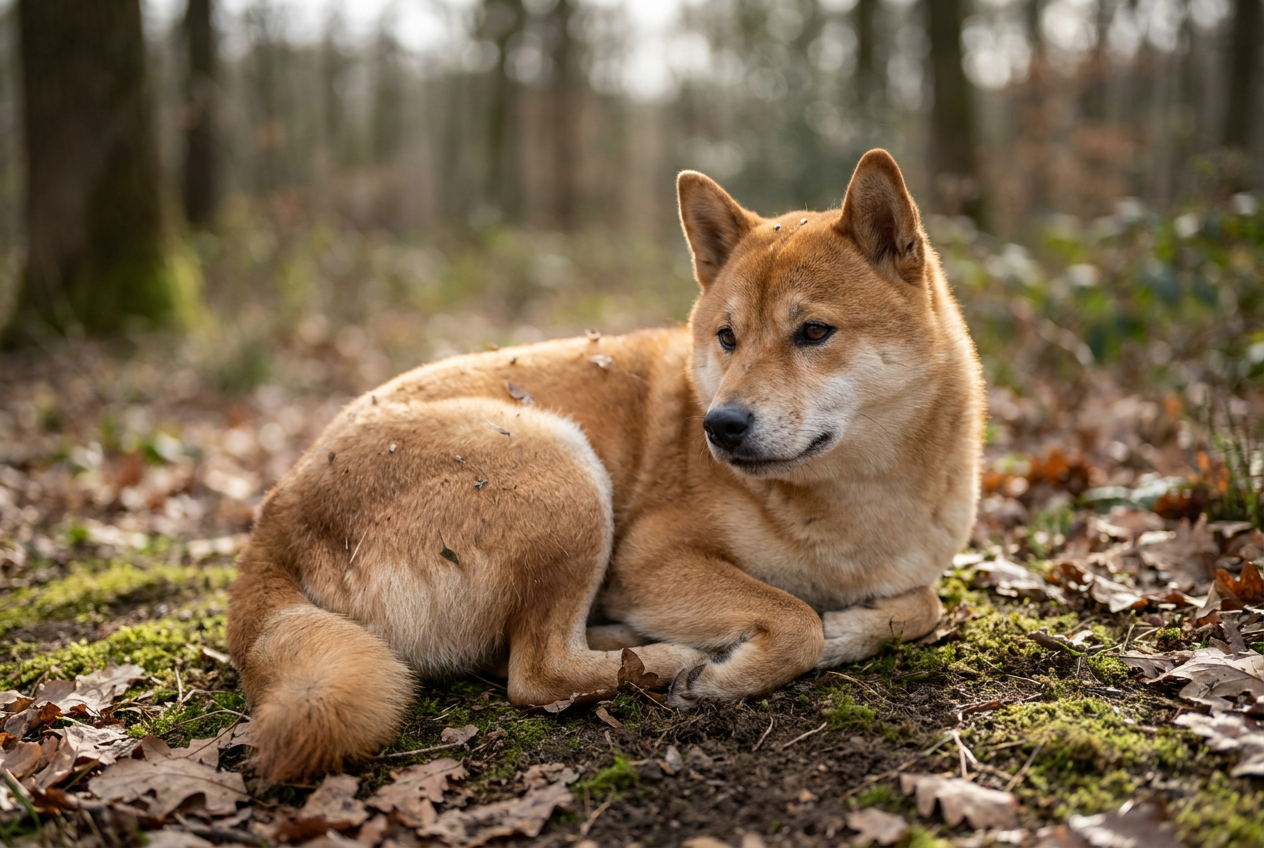
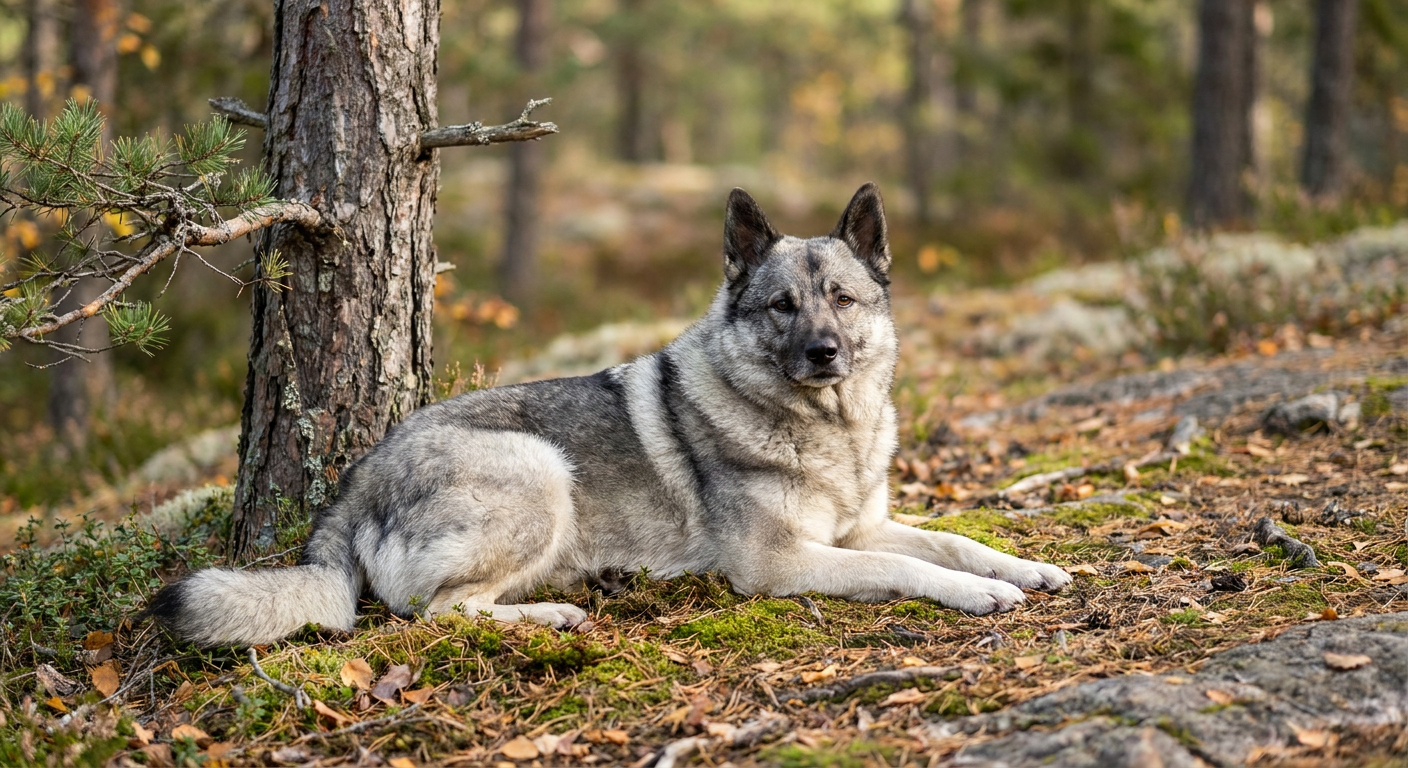
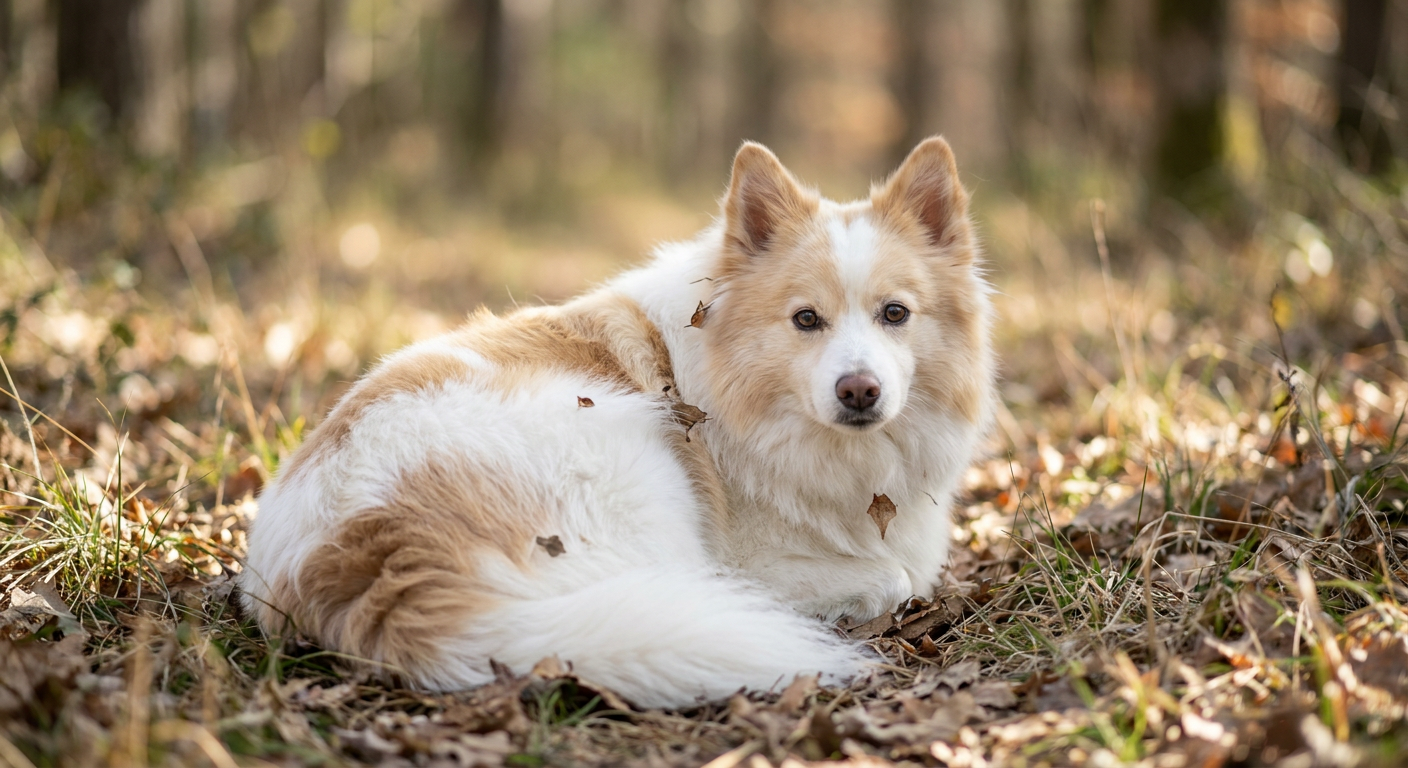
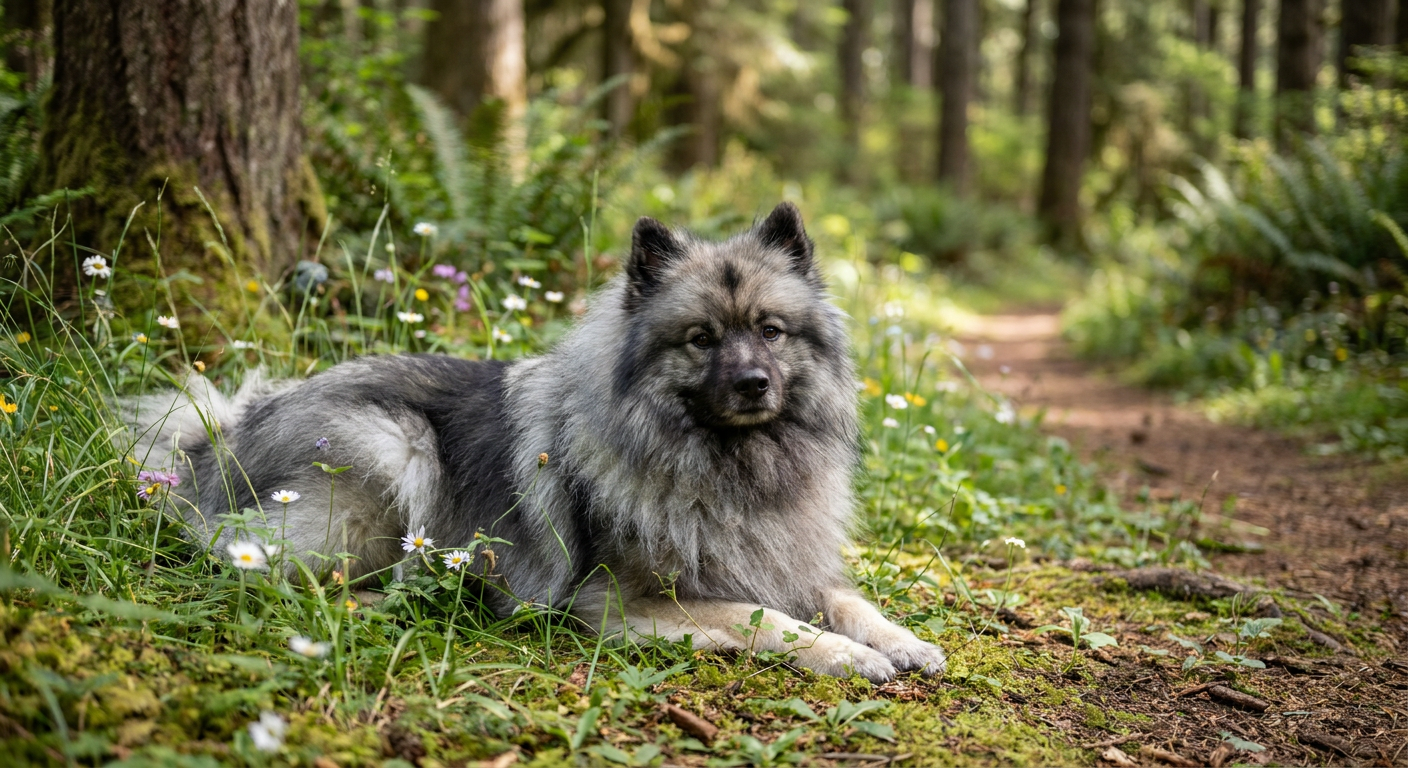
Developed over centuries in Finland to hunt everything from small game to bears, the breed was nearly lost to cross-breeding in the late 1800s. Hugo Roos and Hugo Sandberg are credited with reviving the breed, leading to its recognition as Finland's national dog in 1979. They were primarily bred as 'bark pointers' to locate birds in dense forests.
Temperament & Personality
The Finnish Spitz is alert, active, and highly intelligent. They are devoted to their families and typically good with children, though they can be independent and slightly stubborn during training. While they are affectionate at home, they remain naturally suspicious of strangers and are vigilant watchdogs. They are famous for their unique 'yodeling' bark and high vocal frequency.
Health Watchouts
Top conditions reported by AKC parent clubs, OFA, and the Merck Veterinary Manual. Discuss screening with your vet — especially before breeding or insuring.
Patellar Luxation
ModerateA condition where the kneecap slips out of its normal groove, potentially leading to arthritis.
Screening: Physical exam/OFA evaluation
Hip Dysplasia
Low to ModerateA genetic malformation of the hip joint that can cause pain and lameness.
Screening: OFA or PennHIP Radiographs
Epilepsy
Present in specific bloodlinesA seizure disorder which can be idiopathic (inherited) in this breed.
Screening: Neurological history and exclusion testing
Cataracts
LowClouding of the lens that can lead to vision loss if not surgically treated.
Screening: Annual CAER (OFA) eye exams
Exercise Needs
The Finnish Spitz requires substantial daily exercise and thrives when given a job or an active outdoor lifestyle.
- Brisk daily walks
- Off-leash hiking in secure areas
- Agility training
- Nose work or tracking
Nutrition
Daily calories: 800-1100 kcal/day
High-quality, protein-focused diet suited for an active hunting dog. Avoid overfeeding as the breed can easily become overweight, which stresses joints.
Common allergens to watch: Beef, Dairy, Wheat.
⚠ Monitor the waistline closely; you should be able to feel the ribs easily beneath the thick double coat.
Entertainment & Enrichment
Mental stimulation is vital for this intelligent, independent breed to prevent boredom-based destruction or excessive vocalization.
- Scent work games
- Complex food puzzles
- Barking command training (speak/quiet)
- Platform work for balance
Grooming & Coat Care
The coat is self-cleaning and lacks a 'doggy' odor, but they shed heavily twice a year. During seasonal 'blow outs,' daily brushing is required; otherwise, weekly brushing suffices.
Training
Use positive reinforcement and short, engaging sessions to overcome their independent nature. Hard corrections should be avoided, as the breed is sensitive; instead, focus on motivating them with games and food rewards.
Cost of Ownership
Lifetime cost depends on size, lifespan, and health risks. Try our Lifetime Cost Calculator →
Cost band for Finnish Spitz: high.
How insurance, vet care & grooming connect for the Finnish Spitz
These three costs move together. The Finnish Spitz’s coat, energy, and breed-specific health watchouts shape each one — here’s how they line up.
Insurance band
Multiple breed-specific health watchouts
Vet service load
High activity raises orthopedic & injury visits
Grooming demand
Double coat sheds seasonally — frequent brushing
Estimated monthly spend (typical adult)
Insurance
$75
Routine vet
$60
Grooming
$75
Combined estimate
~$210/mo(±20%, US averages)
* Estimates derived from breed traits (coat, energy, health watchouts, lifespan). Actual costs vary by location, age, and provider.
Living Situation Fit
This breed thrives in cooler climates and requires a home with a large, securely fenced yard. They are best suited for active owners who can manage their independent nature and vocal tendencies.
Choosing a Puppy
Seek breeders who perform OFA evaluations for hips, elbows, and patellas. Observe the parents; because the breed is naturally wary of strangers, early socialization within the litter is a critical indicator of future temperament.
Frequently Asked Questions
Do they bark a lot?
Yes, the Finnish Spitz is famous for its 'yodeling' bark. In its native Finland, they are bred to bark at prey to alert hunters and can bark up to 160 times per minute.
Are they friendly with strangers?
While they are affectionate with their families, they are naturally cautious around strangers and require careful introduction to new people.
Can they live in an apartment?
They can live in apartments if they receive intense exercise, but their high propensity for barking often makes them unsuitable for close-quarters living where noise is an issue.