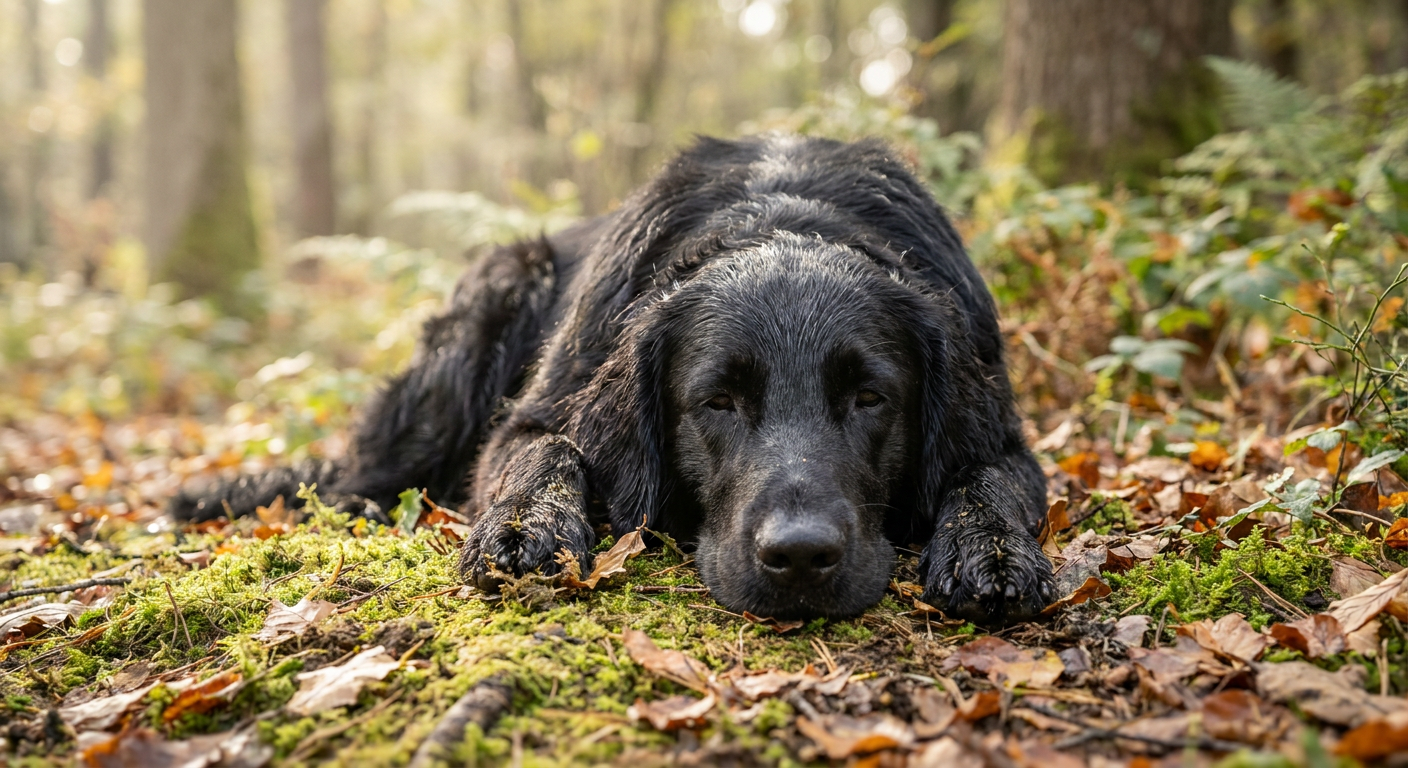
History & Origin
Developed in mid-19th century Britain, this breed became the most popular retriever in England until the rise of the Labrador and Golden. They were refined by S.E. Shirley, founder of the Kennel Club, using St. John’s water dogs, setters, and sheepdogs. Their numbers dwindled after WWII but were revived by dedicated fanciers in the 1960s.
Temperament & Personality
Infamously known as the 'Peter Pan' of dogs, they maintain a youthful, exuberant personality throughout their lives. They are exceptionally social, craivng constant human interaction and displaying a characteristic wagging tail. While highly trainable, they can be sensitive and require positive reinforcement. They are tireless workers in the field and affectionate companions at home.
Health Watchouts
Top conditions reported by AKC parent clubs, OFA, and the Merck Veterinary Manual. Discuss screening with your vet — especially before breeding or insuring.
Malignant Histiocytosis
HighA highly aggressive form of cancer that is unfortunately prevalent in this breed.
Screening: Veterinary examination and biopsy if masses found
Osteosarcoma
Moderate to HighA cancer of the bone that frequently affects the limbs of larger breeds.
Screening: X-rays if limping occurs
Hip Dysplasia
ModerateA malformation of the hip joint that can lead to arthritis and pain.
Screening: OFA or PennHIP evaluation
Patellar Luxation
ModerateA condition where the kneecap slips out of its groove.
Screening: OFA evaluation
Exercise Needs
This is a high-stamina sporting breed that requires vigorous daily activity to remain calm indoors.
- Off-leash hiking in safe areas
- Swimming and water retrieval
- Consistent daily jogging or running
- Fetching long-distance bumpers
Nutrition
Daily calories: 1200–1600 kcal/day (varies with activity level)
High-energy sporting dogs may require higher protein formulations. Split meals to reduce the risk of bloat (GDV).
Common allergens to watch: Beef, Dairy, Wheat.
⚠ Excess weight significantly worsens joint issues and potential mobility problems in later life.
Entertainment & Enrichment
Highly intelligent and easily bored, these dogs require meaningful jobs to prevent destructive behaviors.
- Dock diving and swimming
- Advanced scent work or man-trailing
- Complex puzzle feeders for mental stimulation
- Competitive retrieving or field trials
- Hide and seek with favorite toys
Grooming & Coat Care
Weekly brushing is usually sufficient to prevent mats in the feathering, though they do shed seasonally. Neatening the feet and ears with thinning shears is common for a tidy appearance.
Training
Training should be varied and fun to engage their quick minds; repetitive drills may cause them to shut down. Early socialization is critical to manage their exuberant jumping and greeting habits.
Cost of Ownership
Lifetime cost depends on size, lifespan, and health risks. Try our Lifetime Cost Calculator →
Cost band for Flat-Coated Retriever: high.
How insurance, vet care & grooming connect for the Flat-Coated Retriever
These three costs move together. The Flat-Coated Retriever’s coat, energy, and breed-specific health watchouts shape each one — here’s how they line up.
Insurance band
Common hereditary conditions raise claim odds
Vet service load
High activity raises orthopedic & injury visits
Grooming demand
Heavy shedder — daily brushing during seasons
Estimated monthly spend (typical adult)
Insurance
$85
Routine vet
$60
Grooming
$60
Combined estimate
~$205/mo(±20%, US averages)
* Estimates derived from breed traits (coat, energy, health watchouts, lifespan). Actual costs vary by location, age, and provider.
Living Situation Fit
Best suited for active households with large fenced yards. They thrive in cooler climates and require a family that integrates them into daily outdoor activities.
Choosing a Puppy
Seek breeders who provide OFA/PennHIP clearances and clear documentation of cancer history in their lines. Prioritize shops that focus on longevity and temperament rather than purely field or show success.
Frequently Asked Questions
How do they differ from Golden Retrievers?
While they look similar to a black Golden Retriever, they have a distinct 'one-piece' head shape and a significantly higher drive and energy level.
Are they good with children?
Yes, they are famous for their 'Peter Pan' personality, often remaining playful and puppy-like well into their senior years.
Why is their lifespan shorter than other retrievers?
The breed has a higher-than-average incidence of certain cancers, such as hemangiosarcoma and osteosarcoma, leading to a shorter median lifespan.