History & Origin
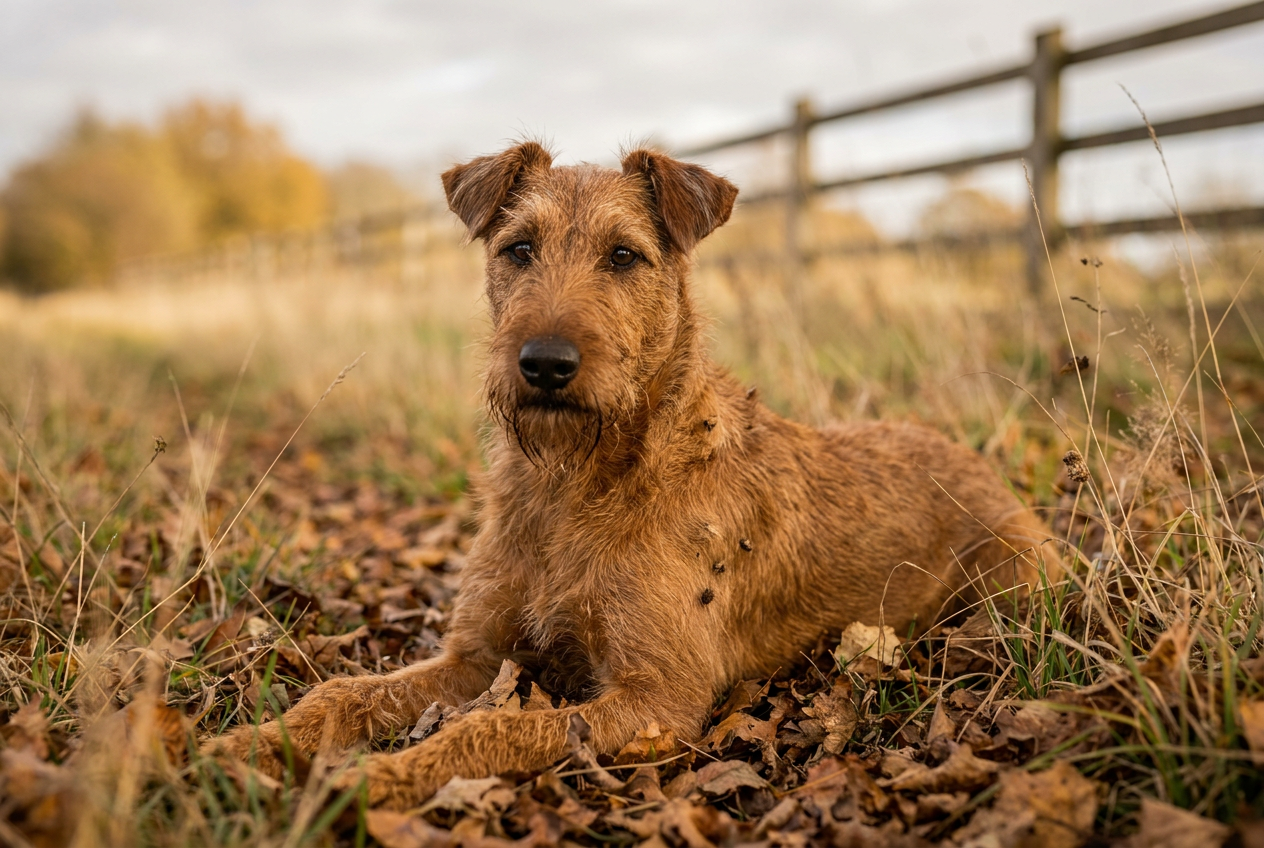
Developed in Ireland in the 1870s, this breed is among the oldest of the terriers. Originally used as farm dogs for hunting vermin and guarding property, they served with distinction as messengers and sentries in World War I. They were officially recognized by the AKC in 1885.
Temperament & Personality
Known as the 'daredevil' of the terrier world, this breed is characterized by extreme courage and loyalty. They are spirited, inquisitive, and deeply devoted to their families, often showing a softer side indoors. However, they can be assertive or 'scrappy' with other dogs and possess a high prey drive.
Health Watchouts
Top conditions reported by AKC parent clubs, OFA, and the Merck Veterinary Manual. Discuss screening with your vet — especially before breeding or insuring.
Digital Hyperkeratosis (Corny Feet)
Moderate (historical, decreasing with testing)A hereditary condition causing painful thickening and cracking of the paw pads; now manageable through DNA screening.
Screening: DNA Test
Hip Dysplasia
Low to ModerateMalformed hip joints can lead to osteoarthritis and mobility issues.
Screening: OFA or PennHIP Radiographs
Cystinuria
LowThe formation of stones in the urinary tract, which can cause life-threatening obstructions.
Screening: Urinalysis/DNA Research
Progressive Retinal Atrophy (PRA)
LowVarious inherited eye conditions including cataracts or progressive retinal atrophy.
Screening: OFA Eye Evaluation / CAER Exam
Exercise Needs
This active breed requires at least one hour of vigorous daily exercise to manage its high energy levels.
- Brisk walks on a 20-foot long lead
- Fetch in a safely enclosed area
- Hiking on varied terrain (on-lead)
- Structured play sessions with owner-directed rules
Nutrition
Daily calories: 800-1100 kcal
Divide total daily intake into two meals to maintain stable energy levels and prevent gastric upset.
Common allergens to watch: Beef, Dairy, Wheat.
⚠ Irish Terriers are lean by nature; if you cannot feel their ribs easily, they are likely overweight, which stresses their joints.
Entertainment & Enrichment
Irish Terriers are highly intelligent and easily bored; they require mental stimulation to prevent destructive behaviors.
- Fast CAT or lure coursing to satisfy prey drive
- Advanced barn hunt trials for scent work
- Agility training for mental and physical coordination
- Interactive puzzle toys to prevent boredom-based digging
Grooming & Coat Care
Requires weekly brushing and professional hand-stripping twice a year to maintain coat texture and color; clipper cutting will soften the coat and fade the red pigment.
Training
Use positive reinforcement and varied routines to keep their interest; they are sensitive to harsh corrections. Early socialization is critical to manage their inherent terrier assertiveness toward other dogs.
Cost of Ownership
Lifetime cost depends on size, lifespan, and health risks. Try our Lifetime Cost Calculator →
Cost band for Irish Terrier: medium.
How insurance, vet care & grooming connect for the Irish Terrier
These three costs move together. The Irish Terrier’s coat, energy, and breed-specific health watchouts shape each one — here’s how they line up.
Insurance band
Multiple breed-specific health watchouts
Vet service load
High activity raises orthopedic & injury visits
Grooming demand
Professional clipping every 6–8 weeks
Estimated monthly spend (typical adult)
Insurance
$60
Routine vet
$50
Grooming
$60
Combined estimate
~$170/mo(±20%, US averages)
* Estimates derived from breed traits (coat, energy, health watchouts, lifespan). Actual costs vary by location, age, and provider.
Living Situation Fit
They thrive in homes with a securely fenced yard where they can run safely. Their strong prey drive means they should remain on a leash during walks to prevent them from chasing small animals.
Choosing a Puppy
Seek breeders who perform DNA testing for hyperkeratosis and provide OFA clearances for hips and elbows. Observe the dam's temperament, as excessive reactivity or shyness is not characteristic of the breed's 'daredevil' standard.
Frequently Asked Questions
Do Irish Terriers do well in apartments?
While smaller than some working breeds, their high energy and vocal nature make them poorly suited for apartment living without significant outdoor access.
Are they good with other pets?
They are generally affectionate with their own children but can be 'gamey' and assertive; interactions with unfamiliar children and other dogs should always be supervised.
Why are they called 'Daredevils'?
Irish Terriers are often called 'Daredevils' because of their historical fearlessness and courageous spirit in the face of danger.