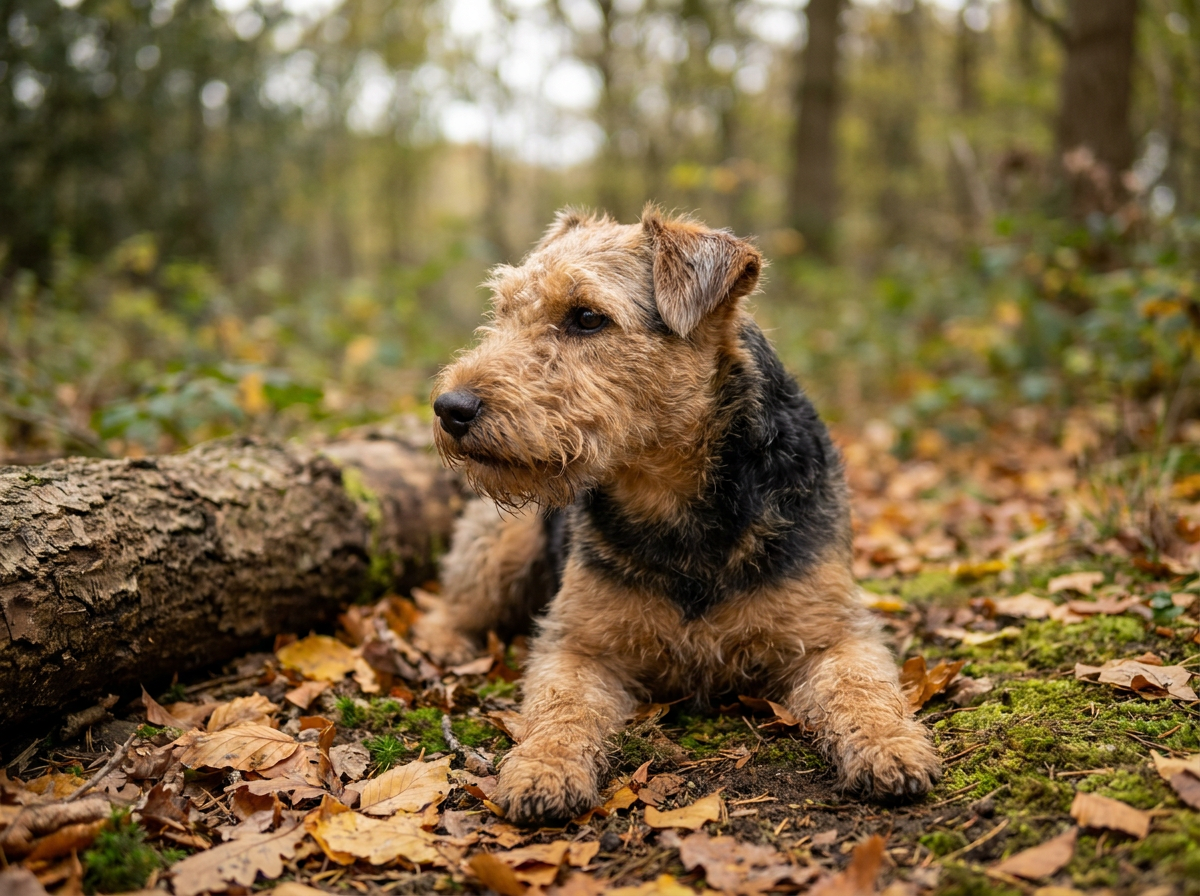
History & Origin
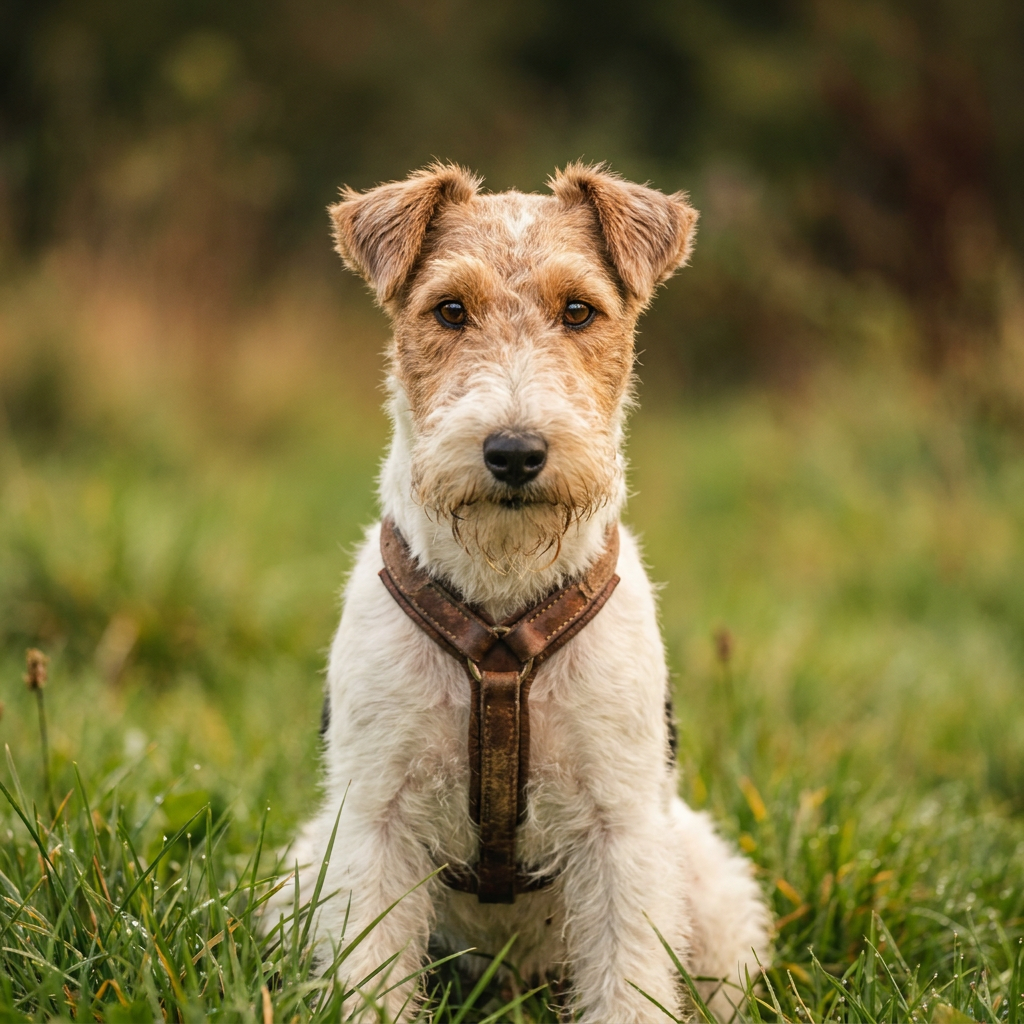
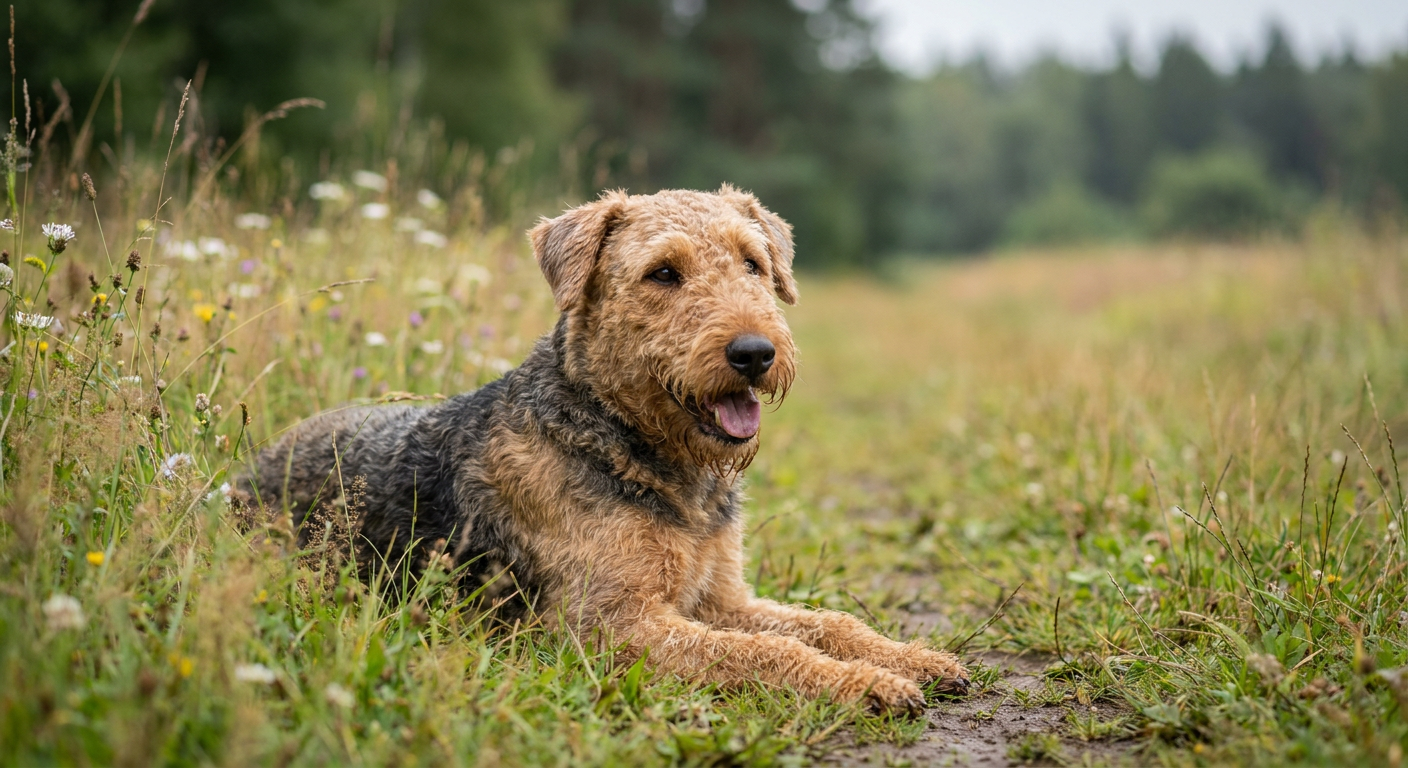
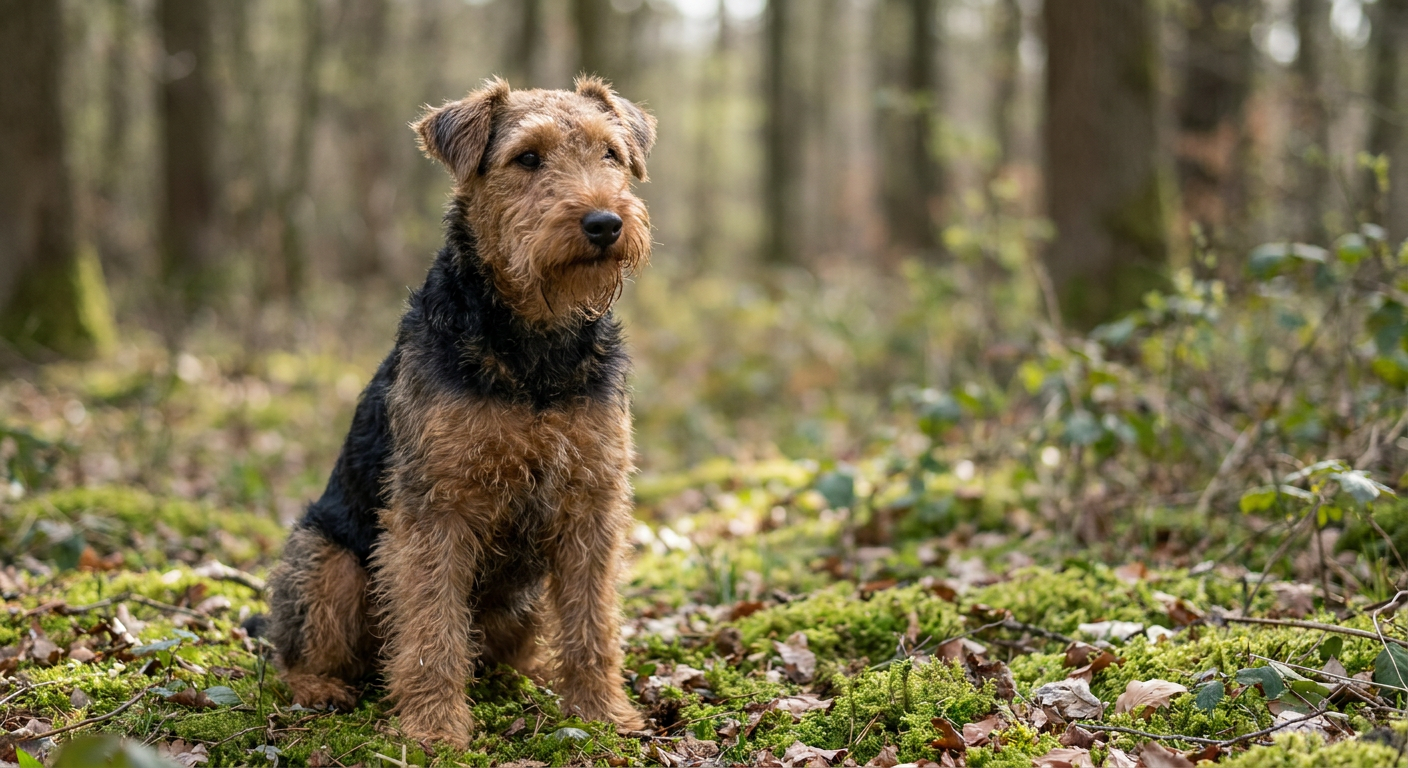
Developed in the Lake District of Northern England in the 1800s, these terriers were bred to protect sheep by hunting foxes in rocky terrain. Unlike many terriers, they were expected to work in packs and traverse difficult crags. The breed was officially recognized by the AKC in 1934.
Temperament & Personality
Bold, friendly, and confident without being overly aggressive. They possess a classic terrier "big dog" personality in a small frame, often showing great curiosity and independence. While deeply loyal to their family, they can be reserved with strangers if not properly socialized.
Health Watchouts
Top conditions reported by AKC parent clubs, OFA, and the Merck Veterinary Manual. Discuss screening with your vet — especially before breeding or insuring.
Primary Lens Luxation (PLL)
Moderate/Known issueA displacement of the eye lens that can lead to secondary glaucoma.
Screening: DNA test, Annual eye exams
Legg-Calve-Perthes Disease
Low to ModerateDegeneration of the femoral head leading to hip collapse and lameness.
Screening: X-ray evaluation
Patellar Luxation
Common in small breedsA condition where the kneecap slips out of its groove.
Screening: Physical veterinary exam
Progressive Retinal Atrophy (PRA)
OccasionalA group of eye diseases that cause the gradual loss of vision.
Screening: DNA test, Annual eye exams
Exercise Needs
While small, they possess significant stamina and require daily physical activity combined with mental targets to satisfy their working drive.
- Long leashed walks on varied terrain
- Backyard fetch or flirt-pole sessions
- Earthdog or agility training
- Supervised play in a securely fenced area
Nutrition
Daily calories: 500-700 kcal/day depending on activity level
Split daily rations into two meals; use high-quality protein to maintain lean muscle mass.
Common allergens to watch: Beef, Dairy, Wheat.
⚠ Small frames can easily become over-burdened by excess weight, stressing the joints.
Entertainment & Enrichment
Mental stimulation is vital to prevent destructive behaviors rooted in their heritage as independent vermin hunters.
- Earthdog trials or scent work games
- High-quality interactive puzzle feeders
- Hide-and-seek with toys to utilize hunt instincts
- Digging pits or sandboxes to prevent garden damage
Grooming & Coat Care
Weekly brushing prevents matting. For the show-ring look, hand-stripping is required, though pet owners often opt for professional clipping, which softens the coat texture.
Training
Consistent, rewards-based training is essential. They are quick learners but have a 'what's in it for me' attitude and can be stubborn if bored with repetitive tasks.
Cost of Ownership
Lifetime cost depends on size, lifespan, and health risks. Try our Lifetime Cost Calculator →
Cost band for Lakeland Terrier: medium.
How insurance, vet care & grooming connect for the Lakeland Terrier
These three costs move together. The Lakeland Terrier’s coat, energy, and breed-specific health watchouts shape each one — here’s how they line up.
Insurance band
Common hereditary conditions raise claim odds
Vet service load
High activity raises orthopedic & injury visits
Grooming demand
Professional clipping every 6–8 weeks
Estimated monthly spend (typical adult)
Insurance
$75
Routine vet
$50
Grooming
$60
Combined estimate
~$185/mo(±20%, US averages)
* Estimates derived from breed traits (coat, energy, health watchouts, lifespan). Actual costs vary by location, age, and provider.
Living Situation Fit
They are adaptable to apartment living if provided with daily walks, but a fenced yard is ideal. Their high prey drive requires a secure, escape-proof perimeter.
Choosing a Puppy
Seek breeders who provide CERF (eye) and Patella certifications for the parents. Observe the litter for confidence, as undersocialized Lakelands can grow into overly shy or reactive adults.
Frequently Asked Questions
Do Lakeland Terriers shed much?
They are low-shedding but require regular brushing and professional hand-stripping or clipping every 6-8 weeks to manage the wiry coat.
Are they good with other pets?
Due to a high prey drive, they generally shouldn't be trusted off-leash in unfenced areas and may chase small household pets like hamsters.
How hard are they to train?
They are highly intelligent but independent; they respond best to positive reinforcement and varied routines rather than repetitive drills.