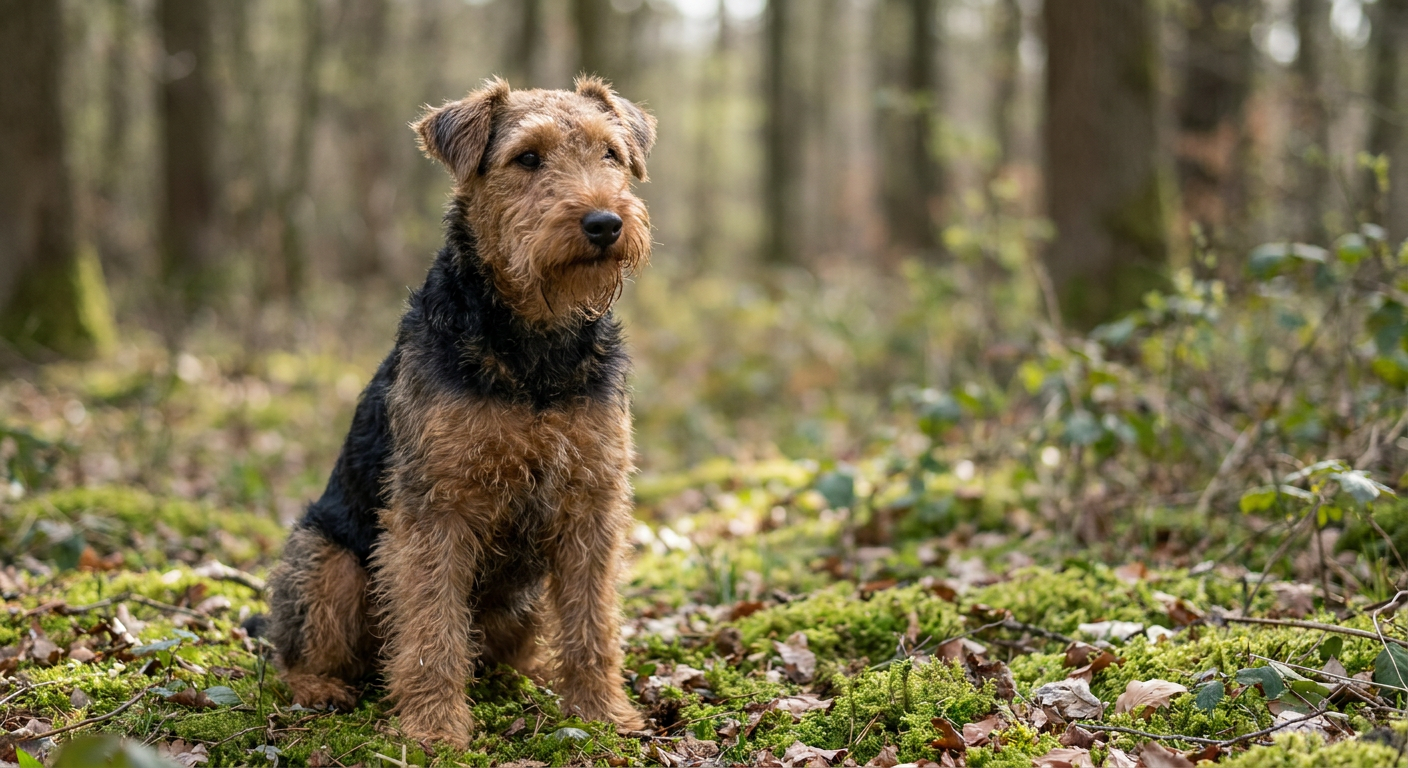
History & Origin
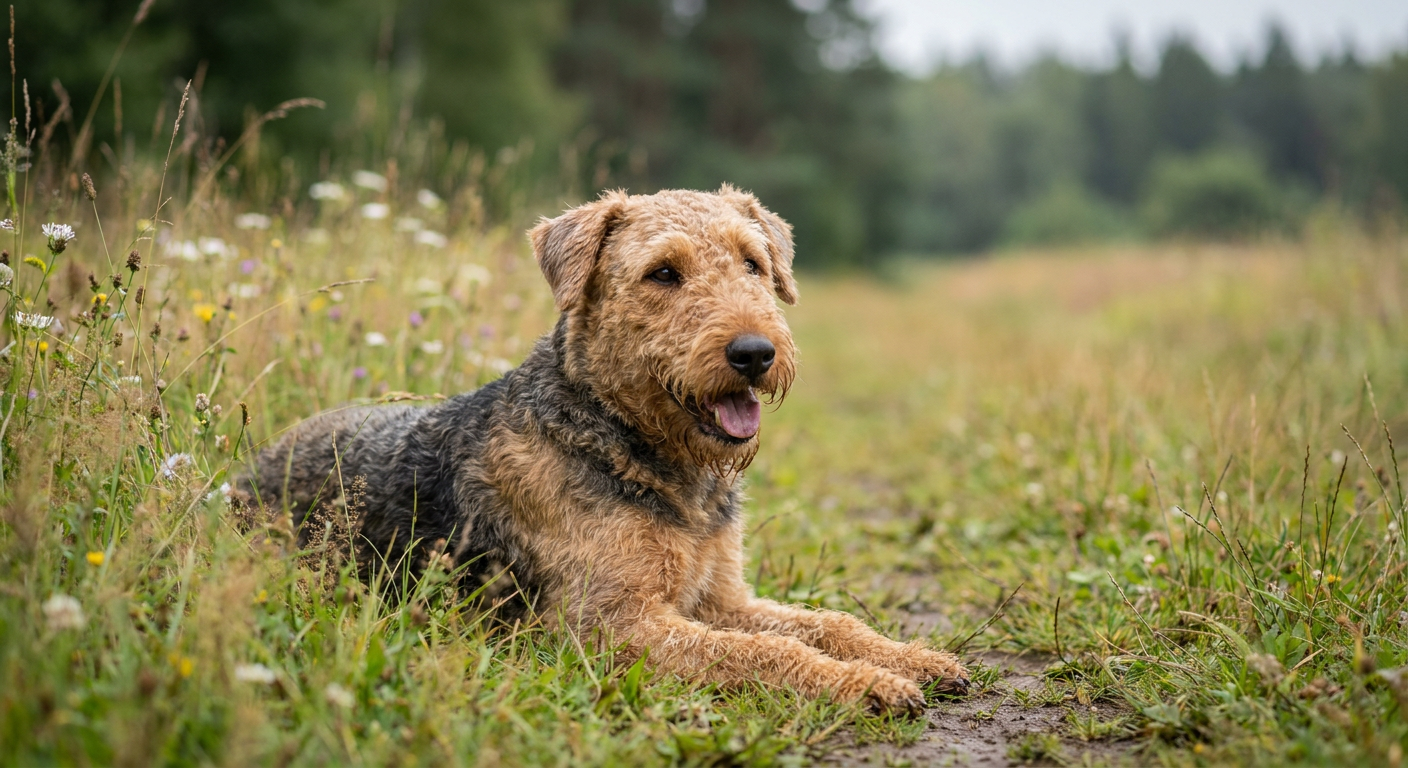
Originating in Wales, this breed was developed in the 1700s and 1800s to hunt fox, badger, and otter in rugged terrain. It is considered one of the oldest terrier breeds, having been shown in the UK as the Old English Black and Tan Terrier before its official AKC recognition in 1888.
Temperament & Personality
The Welsh Terrier is spirited, alert, and intelligent, possessing a typical 'game' terrier attitude without being overly aggressive. They are sturdy playmates for children and tend to be more sensible and less frantic than some other terrier breeds. While affectionate with family, they maintain an independent streak that requires firm, consistent leadership.
Health Watchouts
Top conditions reported by AKC parent clubs, OFA, and the Merck Veterinary Manual. Discuss screening with your vet — especially before breeding or insuring.
Primary Lens Luxion (PLL)
Moderate in TerriersA condition where the lens of the eye detaches, potentially leading to glaucoma and blindness.
Screening: DNA Test
Progressive Retinal Atrophy (PRA)
OccasionalAn inherited eye disease where the retina gradually deteriorates, leading to vision loss.
Screening: Ophthalmologist Evaluation
Glaucoma
ModerateIncreased pressure within the eye that can cause pain and permanent vision loss if untreated.
Screening: Annual Tonometry
Hip Dysplasia
Low to ModerateA malformation of the hip joint that can lead to arthritis and mobility issues.
Screening: OFA/PennHIP Radiographs
Exercise Needs
A high-energy breed that requires structured daily activity to satisfy its innate drive to hunt and explore.
- Leashed brisk walks
- Backyard fetch sessions
- Agility or earthdog trials
- Interactive indoor play
Nutrition
Daily calories: 600-800 kcal/day (adult)
Split daily allowance into two meals; monitor calorie intake closely as they can become overweight if sedentary.
Common allergens to watch: Beef, Dairy, Wheat.
⚠ Obesity can exacerbate joint issues and respiratory efficiency in small terriers.
Entertainment & Enrichment
Mental stimulation is critical to prevent boredom-based destruction; they need tasks that mimic their historical hunting instincts.
- Lure coursing or Barn Hunt trials
- Complex food puzzles and snuffle mats
- Hide-and-seek games with high-value treats
- Squeaky toy variety to satisfy prey drive
Grooming & Coat Care
Professional hand-stripping every 8-12 weeks is required to maintain the wire texture; daily brushing prevents matting.
Training
Focus on positive reinforcement and variety to keep them engaged; they quickly grow bored with repetitive tasks. Early socialization is vital to help them distinguish between 'prey' and other household pets.
Cost of Ownership
Lifetime cost depends on size, lifespan, and health risks. Try our Lifetime Cost Calculator →
Cost band for Welsh Terrier: high.
How insurance, vet care & grooming connect for the Welsh Terrier
These three costs move together. The Welsh Terrier’s coat, energy, and breed-specific health watchouts shape each one — here’s how they line up.
Insurance band
Multiple breed-specific health watchouts
Vet service load
High activity raises orthopedic & injury visits
Grooming demand
Professional clipping every 6–8 weeks
Estimated monthly spend (typical adult)
Insurance
$75
Routine vet
$60
Grooming
$60
Combined estimate
~$195/mo(±20%, US averages)
* Estimates derived from breed traits (coat, energy, health watchouts, lifespan). Actual costs vary by location, age, and provider.
Living Situation Fit
Thrives in homes with a securely fenced yard; they are adaptable to apartment life if daily vigorous exercise is provided. They must remain on-leash in unenclosed areas due to their intense chasing instincts.
Choosing a Puppy
Verify that parents have OFA clearances for eyes and hips. Ensure the breeder has begun socialization, as these terriers can be naturally suspicious of new situations if not exposed early.
Frequently Asked Questions
Do Welsh Terriers shed?
Standard Welsh Terriers do not shed much, but their coats require regular professional stripping or clipping to prevent matting.
Are they good with other pets?
While they can be affectionate with their family, they are often scrappy with other dogs and have a high prey drive toward small animals.
Are Welsh Terriers easy to train?
They are intelligent but independent; training requires consistency, patience, and positive reinforcement to overcome their stubborn streak.