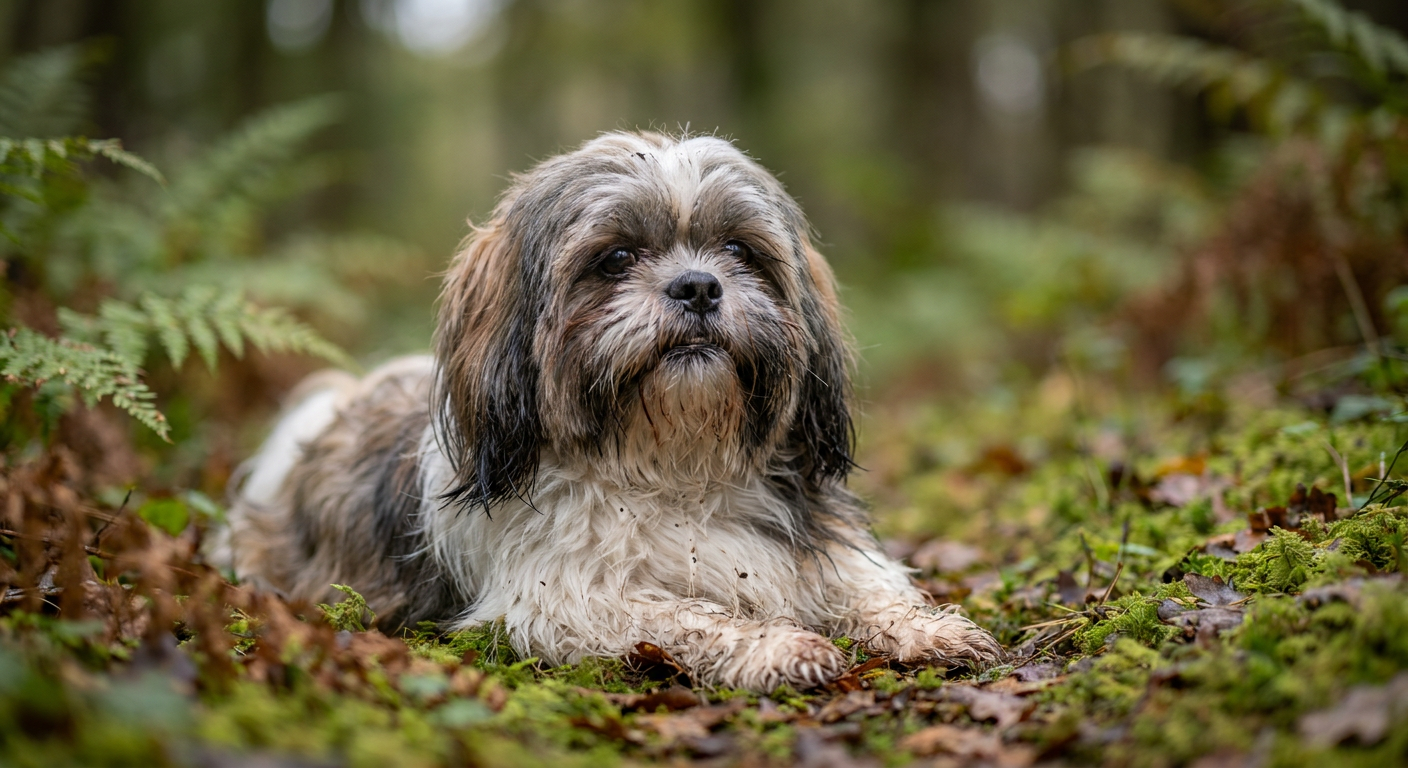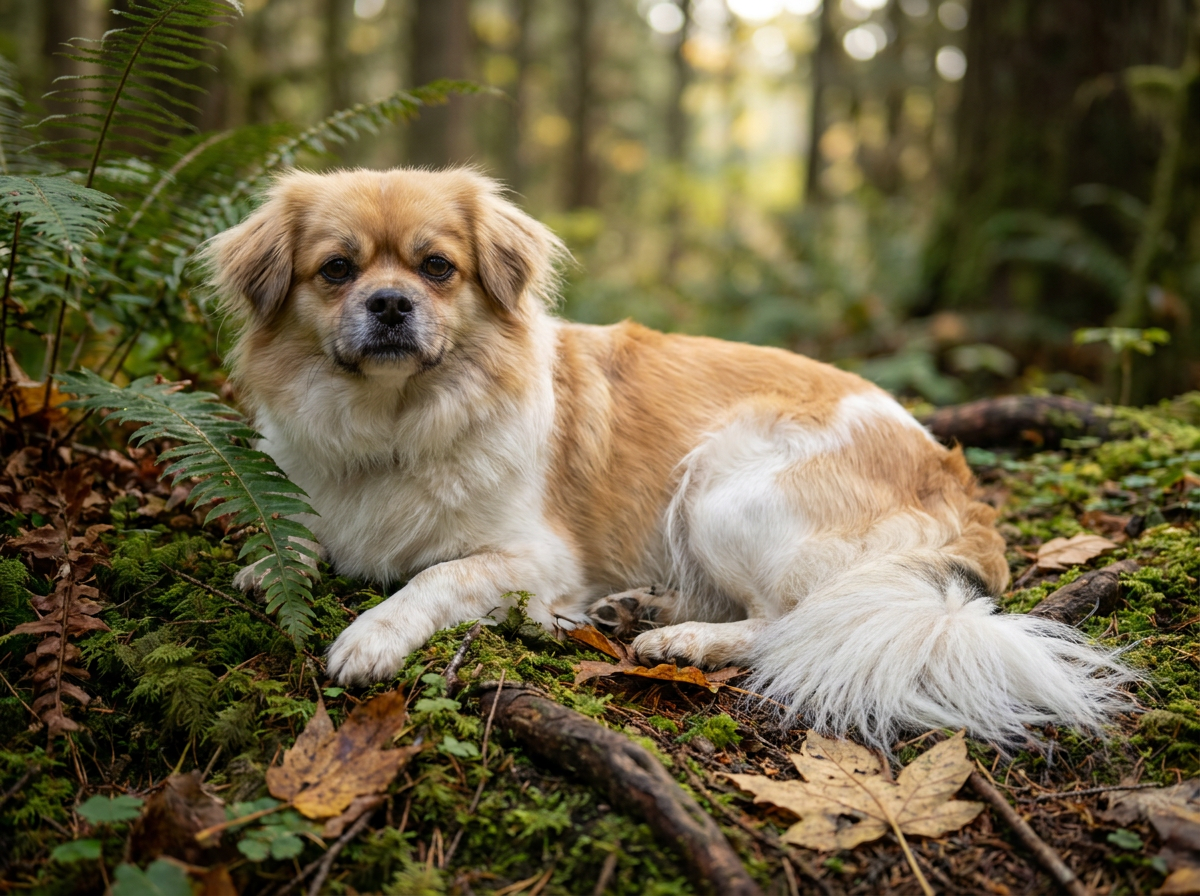
History & Origin
Bred for over 1,000 years in Tibetan monasteries and the Dalai Lama's palace. Considered sacred — given as gifts but never sold. First reached the West in the 1930s. AKC recognition in 1935.
Temperament & Personality
Confident, alert, dignified. Devoted to family. Naturally suspicious of strangers. Independent.
Health Watchouts
Top conditions reported by AKC parent clubs, OFA, and the Merck Veterinary Manual. Discuss screening with your vet — especially before breeding or insuring.
Patellar luxation
CommonKneecap dislocation.
Screening: Vet orthopedic exam
Cherry eye
CommonProlapse of third eyelid gland.
Screening: Surgical correction
Progressive retinal atrophy
HereditaryInherited blindness.
Screening: DNA test
Renal dysplasia
NotableHereditary kidney malformation.
Screening: Bile acids and urine specific gravity
Dental disease
UniversalCrowded mouths.
Screening: Daily brushing; annual cleanings
Exercise Needs
30–45 minutes daily — walks and play.
- Daily walks
- Indoor play
- Trick training
- Puzzle feeders
- Lap time
Nutrition
Daily calories: Adult: 350–500 kcal.
Two meals daily.
Common allergens to watch: Chicken, Wheat.
⚠ Coat hides weight; check by feel.
Entertainment & Enrichment
Alert watchdogs — give them mental work.
- Trick training
- Puzzle feeders
- Nose work
- Lap time
- Doggy playdates
Grooming & Coat Care
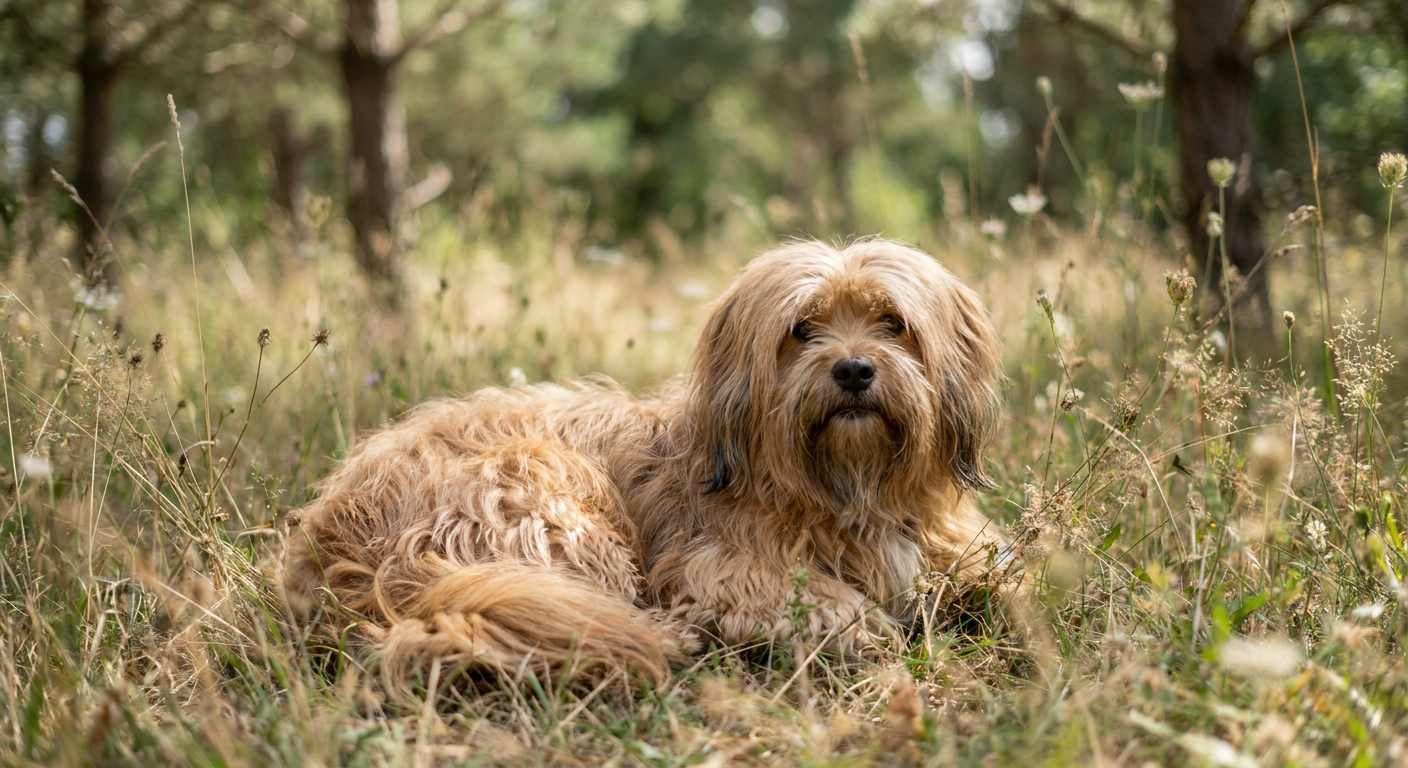
Brush daily 5–10 minutes to prevent matting. Pro grooming every 4–6 weeks. Many opt for a 'puppy clip' to ease maintenance.
Training
Independent — positive reinforcement with patience. Early socialization important.
Cost of Ownership
Lifetime cost depends on size, lifespan, and health risks. Try our Lifetime Cost Calculator →
Cost band for Lhasa Apso: medium.
How insurance, vet care & grooming connect for the Lhasa Apso
These three costs move together. The Lhasa Apso’s coat, energy, and breed-specific health watchouts shape each one — here’s how they line up.
Insurance band
Common hereditary conditions raise claim odds
Vet service load
Several conditions worth annual screening
Grooming demand
Professional clipping every 6–8 weeks
Estimated monthly spend (typical adult)
Insurance
$75
Routine vet
$45
Grooming
$60
Combined estimate
~$180/mo(±20%, US averages)
* Estimates derived from breed traits (coat, energy, health watchouts, lifespan). Actual costs vary by location, age, and provider.
Living Situation Fit
Apartment-perfect. Adapts to most homes. Best with adults or older children.
Choosing a Puppy
Eye CERF, OFA patellas, DNA for PRA, kidney function panel. Meet both parents.
Frequently Asked Questions
Are Lhasa Apsos hypoallergenic?
Considered low-allergen — they shed minimally and produce less dander than many breeds. No dog is fully hypoallergenic.
Do Lhasa Apsos bark a lot?
They're alert barkers — bred for centuries to alert monks to intruders. Training a 'quiet' cue from puppyhood helps.
Are Lhasa Apsos good with kids?
Better with respectful older children. Their independent nature and small size don't suit toddlers' rough handling.