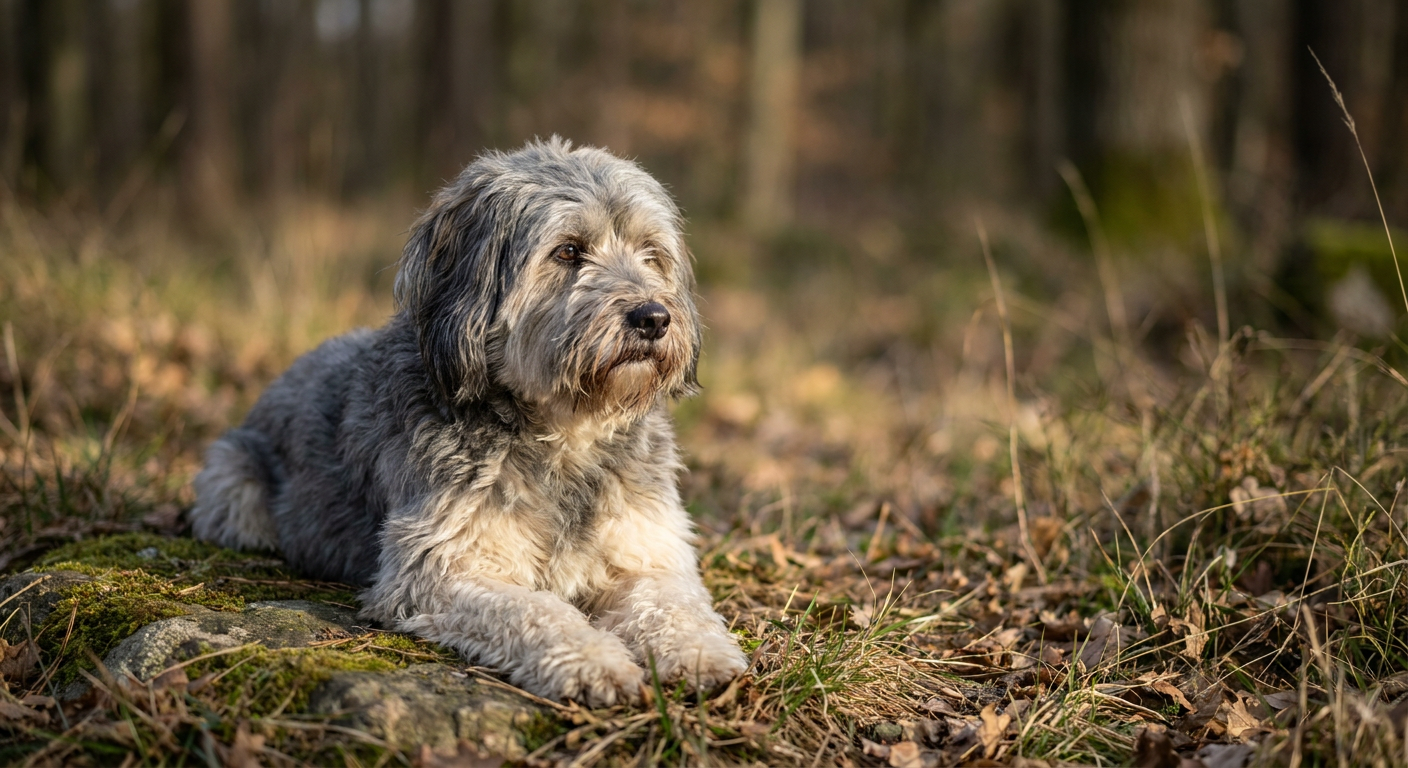
History & Origin
Developed over 2,000 years ago in the 'Lost Valley' of Tibet, these dogs were kept as lucky charms and companions by monks. Known as the 'Holy Dog of Tibet,' they were never sold but only given as gifts of gratitude. The breed reached the West in the 1920s via Dr. Agnes Greig and was recognized by the AKC in 1973.
Temperament & Personality
Affectionate and loyal to family, these dogs often display a reserved 'oriental' caution with strangers. They are highly intelligent and sensitive, responding best to positive reinforcement rather than harsh correction. While generally calm indoors, they possess a playful, athletic streak and a clever sense of humor.
Health Watchouts
Top conditions reported by AKC parent clubs, OFA, and the Merck Veterinary Manual. Discuss screening with your vet — especially before breeding or insuring.
Primary Lens Luxation (PLL)
Moderate RiskA genetic condition where the lens of the eye moves out of its normal position, potentially causing glaucoma.
Screening: DNA Test
Progressive Retinal Atrophy (PRA)
CommonProgressive degeneration of the retina leading to eventual blindness.
Screening: Annual CERF/CAER exams and DNA testing
Hip Dysplasia
ModerateDegeneration of the hip joint that can lead to arthritis and mobility issues.
Screening: OFA or PennHIP X-rays
Neuronal Ceroid Lipofuscinosis (NCL)
Rare but SeriousA metabolic storage disease affecting the nervous system.
Screening: DNA Test
Exercise Needs
They are adaptable companions that require moderate daily activity but possess surprising stamina for hiking and outdoor adventures.
- Daily brisk walks
- Off-leash play in secure areas
- Urban hiking
- Agility or herding trials
Nutrition
Daily calories: 600-900 kcal
Split daily rations into two meals to prevent gastric upset. Monitor calorie intake as their thick coat can hide weight gain.
Common allergens to watch: Beef, Dairy, Wheat.
⚠ Check for ribs by touch monthly, as the profuse coat makes visual assessment impossible.
Entertainment & Enrichment
Intelligent and resourceful, these dogs require mental stimulation to prevent boredom-based mischief.
- Scent work or nose games
- Agility training sessions
- Puzzle feeders and snuffle mats
- Varied hiking terrain to utilize their 'snowshoe' feet
Grooming & Coat Care
High maintenance; requires thorough brushing 2-3 times a week to prevent matting and professional grooming every 6-8 weeks.
Training
Training should be firm but gentle; they are independent thinkers who may lose interest with repetitive drills. Early socialization is critical to prevent their natural caution from turning into shyness.
Cost of Ownership
Lifetime cost depends on size, lifespan, and health risks. Try our Lifetime Cost Calculator →
Cost band for Tibetan Terrier: high.
How insurance, vet care & grooming connect for the Tibetan Terrier
These three costs move together. The Tibetan Terrier’s coat, energy, and breed-specific health watchouts shape each one — here’s how they line up.
Insurance band
Common hereditary conditions raise claim odds
Vet service load
Several conditions worth annual screening
Grooming demand
Professional clipping every 6–8 weeks
Estimated monthly spend (typical adult)
Insurance
$85
Routine vet
$50
Grooming
$60
Combined estimate
~$195/mo(±20%, US averages)
* Estimates derived from breed traits (coat, energy, health watchouts, lifespan). Actual costs vary by location, age, and provider.
Living Situation Fit
Adaptable to apartment living if walked daily, though they thrive with a small yard. They are sensitive to household dynamics and prefer being with their families rather than left alone.
Choosing a Puppy
Select breeders who perform OFA/PennHIP evaluations and DNA testing for PLL and NCL. Observe the litter for confident, curious puppies, as some lines can be overly cautious or shy.
Frequently Asked Questions
Is the Tibetan Terrier a true terrier?
Despite the name, they are not true terriers. They were never bred to go to ground or hunt vermin; they functioned as livestock guardians, herders, and companions.
Are they considered low-maintenance?
While they shed very little, their long coat requires significant maintenance. Many pet owners choose a shorter 'puppy cut' to simplify grooming.
What is unique about their paws?
They have unique, large, flat, round feet that act like natural snowshoes, providing traction in the snowy, mountainous terrain of Tibet.