History & Origin
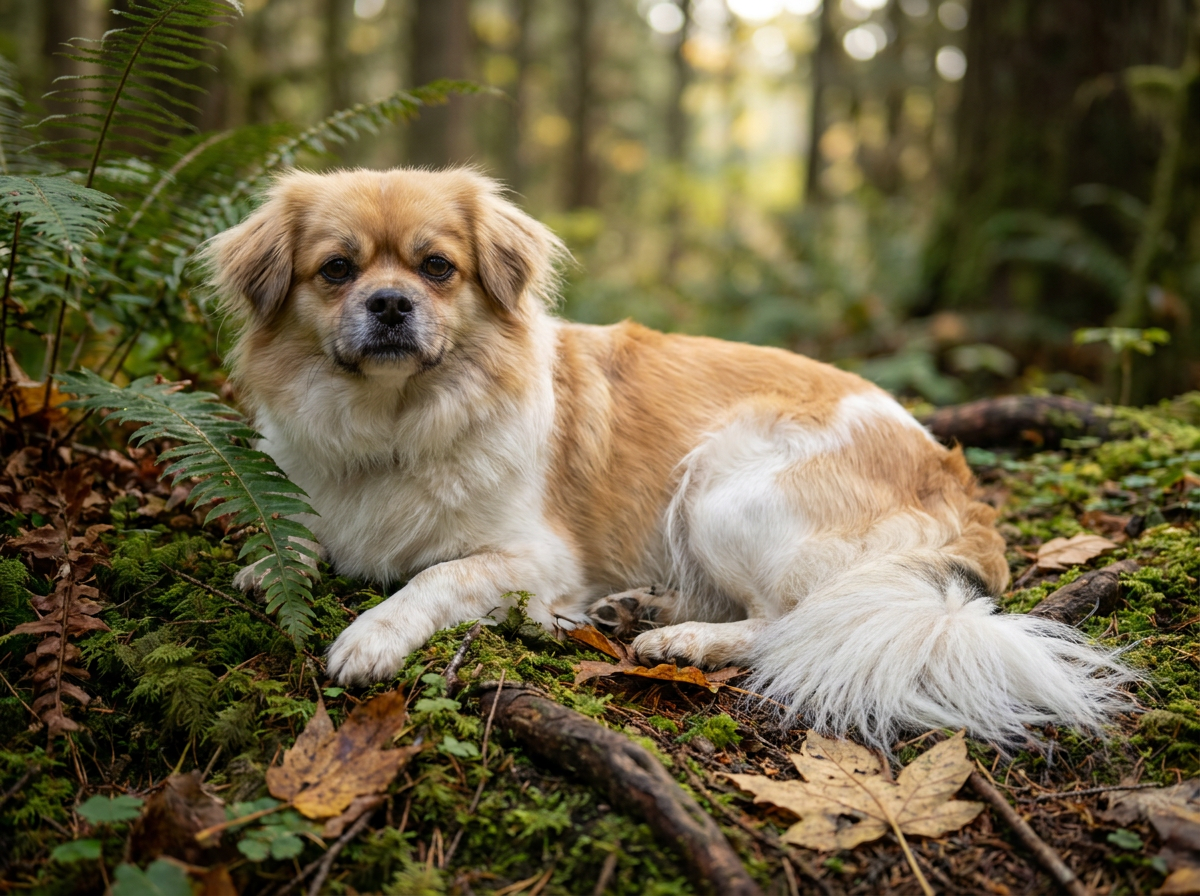
Originating in the Himalayan mountains over 2,000 years ago, these dogs served as companions and sentinels in Tibetan monasteries. They were prized for their ability to sit on monastery walls and alert monks to approaching strangers. The breed reached the United Kingdom in the late 19th century and was recognized by the AKC in 1984.
Temperament & Personality
Affectionate and deeply devoted to family, they often remain aloof or cautious with strangers. They possess a cat-like independence and frequently seek out high vantage points to survey their surroundings. While intelligent, they can be assertive and may choose when to obey.
Health Watchouts
Top conditions reported by AKC parent clubs, OFA, and the Merck Veterinary Manual. Discuss screening with your vet — especially before breeding or insuring.
Progressive Retinal Atrophy (PRA)
OccasionalA progressive degeneration of the retina leading to eventual blindness.
Screening: Annual CERF/Ophthalmologist exam
Patellar Luxation
Common in small breedsThe kneecap slips out of its groove, causing intermittent limping.
Screening: OFA physical evaluation
Syringomyelia
Low to ModerateA collection of fluid in the spinal cord that can cause neurological pain.
Screening: MRI (if symptomatic)
Liver Shunts (Portosystemic Shunt)
LowAn inherited metabolic disorder that affects the nervous system.
Screening: Bile acid testing
Exercise Needs
They require moderate daily activity but are generally adaptable to their owner's pace.
- Brisk neighborhood walks
- Off-leash play in secure areas
- Indoor fetch with soft toys
- Short hiking trails
Nutrition
Daily calories: 350-500 kcal/day
Divide food into two small meals; they are prone to dental issues, so dry kibble can help manage plaque.
Common allergens to watch: Beef, Dairy, Wheat.
⚠ Small frames do not tolerate excess weight; keep a visible waist to prevent joint strain.
Entertainment & Enrichment
These dogs are observant 'sentinels' who enjoy high vantage points and mentally stimulating puzzles.
- Window perches for 'sentinel' watching
- Low-impact agility tunnels
- Variable-surface walking paths
- Hidden treat puzzles
Grooming & Coat Care
Weekly brushing is sufficient to prevent matting, as the coat does not require professional clipping. Shedding increases twice yearly during seasonal changes.
Training
Positive reinforcement is essential, as they are sensitive to harsh corrections and may become stubborn. Focus on early socialization to manage their natural wariness of strangers and new environments.
Cost of Ownership
Lifetime cost depends on size, lifespan, and health risks. Try our Lifetime Cost Calculator →
Cost band for Tibetan Spaniel: medium.
How insurance, vet care & grooming connect for the Tibetan Spaniel
These three costs move together. The Tibetan Spaniel’s coat, energy, and breed-specific health watchouts shape each one — here’s how they line up.
Insurance band
Common hereditary conditions raise claim odds
Vet service load
Several conditions worth annual screening
Grooming demand
Double coat sheds seasonally — frequent brushing
Estimated monthly spend (typical adult)
Insurance
$75
Routine vet
$45
Grooming
$60
Combined estimate
~$180/mo(±20%, US averages)
* Estimates derived from breed traits (coat, energy, health watchouts, lifespan). Actual costs vary by location, age, and provider.
Living Situation Fit
They thrive in apartments or houses but require a securely fenced yard, as they may wander. Access to high perches like a sturdy windowsill satisfies their natural desire to keep watch.
Choosing a Puppy
Look for breeders who perform CERF eye exams and OFA patella evaluations. Avoid puppies from 'monastery' marketing that lack documented health clearances or proper socialization records.
Frequently Asked Questions
Are they part of the sporting spaniel family?
Despite the name, they are not true spaniels and were never used for hunting; the name likely refers to their physical resemblance to toy spaniel breeds.
Do Tibetan Spaniels bark a lot?
They are highly alert and will bark to announce strangers, though they are not usually nuisance barkers if properly exercised.
Is it true they act like cats?
Yes, they are famously cat-like, often climbing onto the backs of sofas or windowsills to survey their environment.