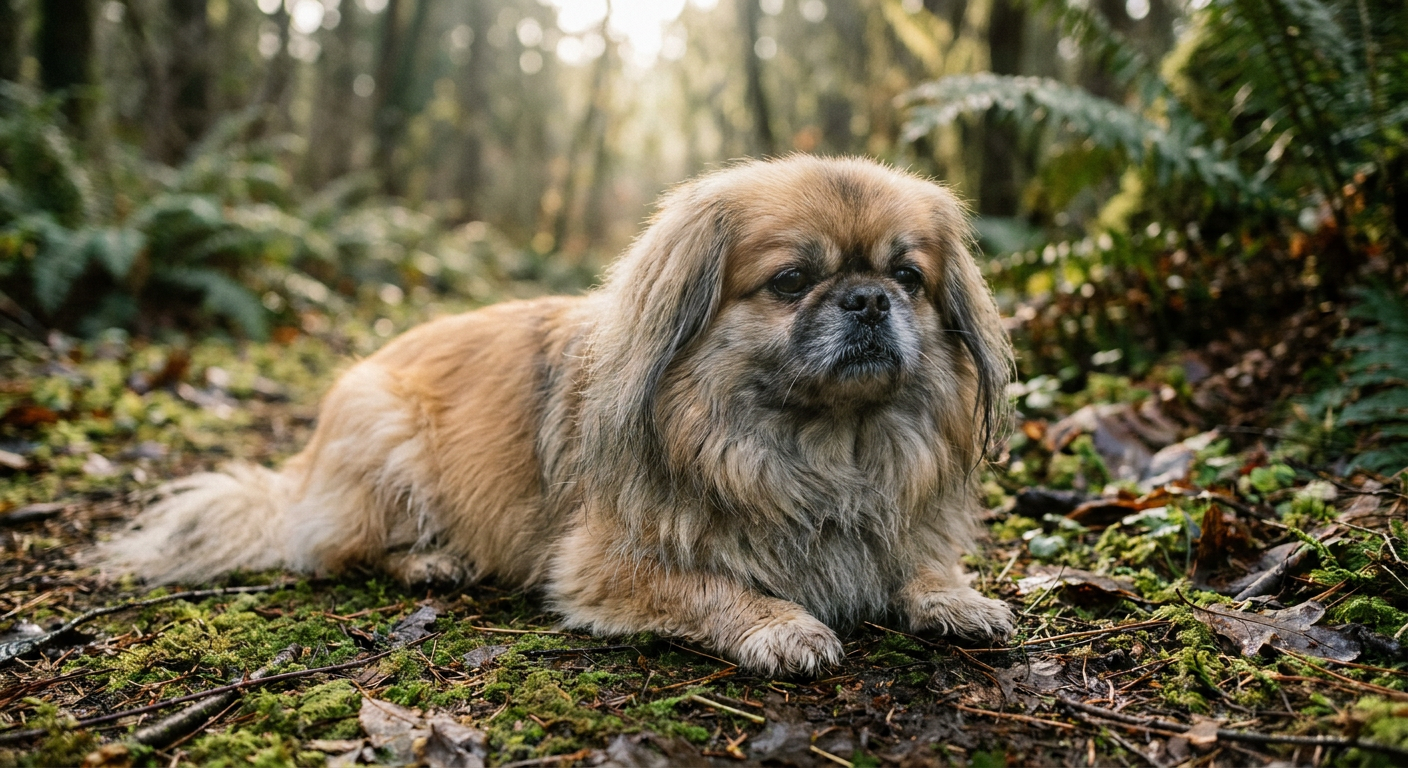
History & Origin
Sacred imperial dog of China for over 2,000 years — stealing one was punishable by death. Brought to the West after the British sacked the Summer Palace in 1860. AKC recognition in 1906.
Temperament & Personality
Dignified, courageous, stubborn. Devoted to chosen people; aloof with strangers. Independent and willful.
Health Watchouts
Top conditions reported by AKC parent clubs, OFA, and the Merck Veterinary Manual. Discuss screening with your vet — especially before breeding or insuring.
Brachycephalic obstructive airway syndrome (BOAS)
Universal in this breedFlat-faced anatomy causes labored breathing, heat intolerance, sleep apnea.
Screening: Avoid heat and exertion; airway surgery if severe
Eye injuries / proptosis
CommonBulging eyes prone to scratches and prolapse from minor trauma.
Screening: Vet eye care; protect from rough play
Intervertebral disc disease (IVDD)
Long-back riskDisc rupture causing pain or paralysis.
Screening: Avoid jumping; lean weight
Dental disease
UniversalCrowded mouths trap plaque.
Screening: Daily brushing; annual cleanings
Heatstroke
High riskBrachycephalic dogs overheat easily.
Screening: Avoid heat; AC required
Exercise Needs
20–30 minutes daily — gentle walks. Avoid heat.
- Short cool-time walks
- Indoor play
- Trick training (short sessions)
- Puzzle feeders
- Lap time
Nutrition
Daily calories: Adult: 300–500 kcal.
Two meals daily.
Common allergens to watch: Chicken, Wheat.
⚠ Obesity drastically worsens breathing and back issues.
Entertainment & Enrichment
Quiet companions content with brief play and lap time.
- Short trick sessions
- Puzzle feeders
- Gentle play
- Lap time
- Quiet company
Grooming & Coat Care
Brush 2–3× weekly to skin. Many owners opt for a 'puppy cut' to ease maintenance. Wipe facial folds daily. Bathe every 4–6 weeks.
Training
Stubborn — positive reinforcement with patience. Housebreaking is slow.
Cost of Ownership
Lifetime cost depends on size, lifespan, and health risks. Try our Lifetime Cost Calculator →
Cost band for Pekingese: medium.
How insurance, vet care & grooming connect for the Pekingese
These three costs move together. The Pekingese’s coat, energy, and breed-specific health watchouts shape each one — here’s how they line up.
Insurance band
Brachycephalic or giant-breed risk profile
Vet service load
Heavy shedding correlates with skin/derm visits
Grooming demand
Double coat sheds seasonally — frequent brushing
Estimated monthly spend (typical adult)
Insurance
$85
Routine vet
$50
Grooming
$75
Combined estimate
~$210/mo(±20%, US averages)
* Estimates derived from breed traits (coat, energy, health watchouts, lifespan). Actual costs vary by location, age, and provider.
Living Situation Fit
Apartment-perfect. Need cool indoor environment. Best in adult homes; toddlers can injure them or their eyes.
Choosing a Puppy
Eye CERF, BOAS-friendly conformation (longer muzzle, open nostrils). Meet both parents.
Frequently Asked Questions
Do Pekingese have breathing problems?
Yes — their flat face causes brachycephalic obstructive airway syndrome to varying degrees. Avoid heat and exertion. Some require corrective surgery.
Are Pekingese good with kids?
Better with respectful older children. Their bulging eyes are vulnerable to injury, and they don't tolerate rough handling.
How much exercise do Pekingese need?
20–30 minutes of gentle daily walking. Avoid heat — they overheat easily and can suffer heatstroke from over-exertion.