History & Origin
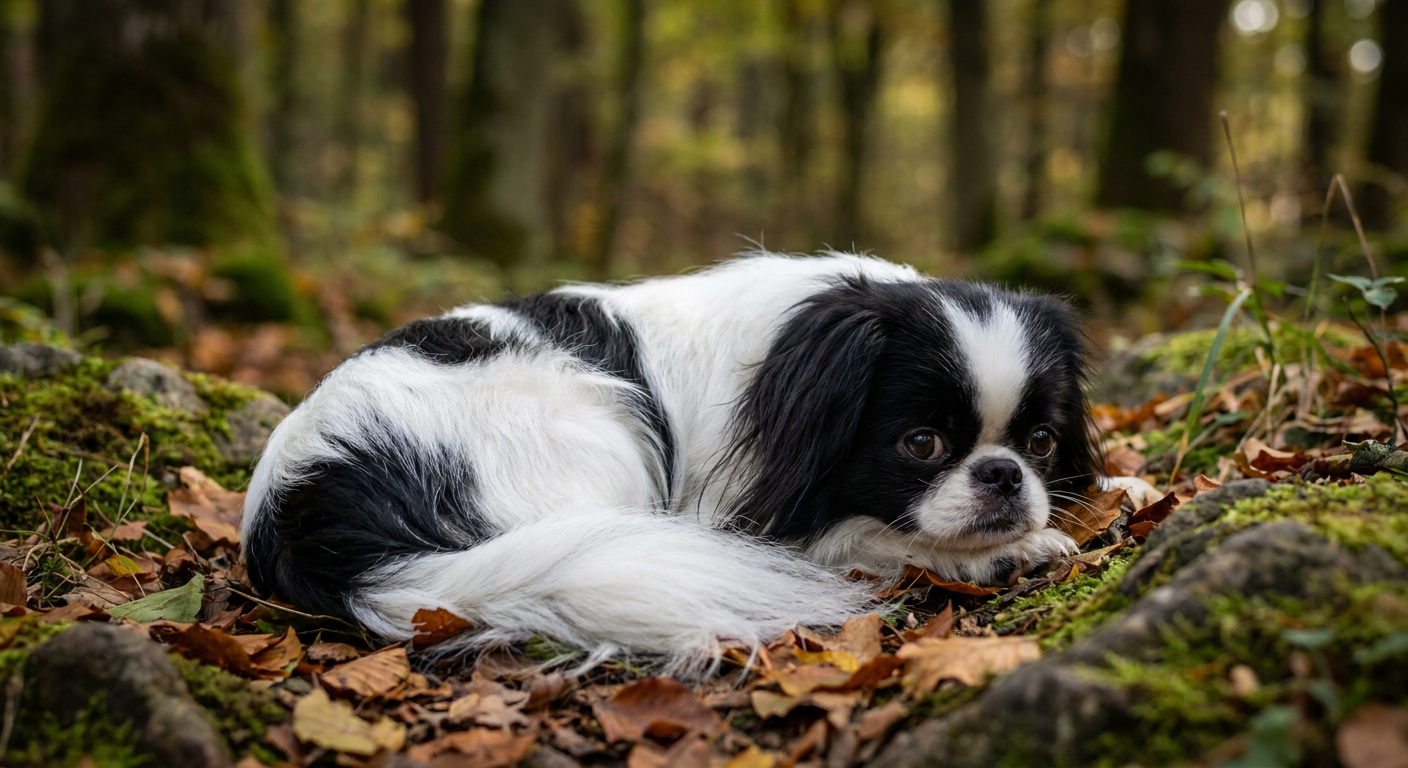
Tracing its roots back to the Chinese imperial courts, this breed was gifted to Japanese royalty over a thousand years ago. They were developed in Japan as distinct companions, bred solely for lap-dog status. The breed reached the West in the mid-19th century after trade routes opened.
Temperament & Personality
Reserved with strangers but deeply affectionate and 'cat-like' with their families. They are known for being quiet, fastidious, and surprisingly agile, often climbing onto high furniture. While charming, they can be sensitive and prefer a calm, predictable household.
Health Watchouts
Top conditions reported by AKC parent clubs, OFA, and the Merck Veterinary Manual. Discuss screening with your vet — especially before breeding or insuring.
Patellar Luxation
CommonA common toy breed issue where the kneecap slips out of place, potentially requiring surgical correction.
Screening: Physical Examination (OFA)
Mitral Valve Disease
Moderate to HighDegeneration of the heart valves, most commonly the mitral valve, leading to murmurs and potential heart failure.
Screening: Cardiac Evaluation (Echocardiogram)
GM2 Gangliosidosis
Rare (but breed-specific)A genetic neurological condition involving a lack of muscle coordination; a DNA test is available.
Screening: DNA Testing
Exophthalmos (Eye Proptosis)
ModerateA condition where the eyeball literally bulges out of the socket, often secondary to trauma or infection due to shallow sockets.
Screening: Ophthalmologist Evaluation (CERF)
Exercise Needs
Low-impact activity is sufficient; they are often described as 'cat-like' in their indoor activity levels.
- Short daily neighborhood walks
- Indoor fetch with lightweight toys
- Following owners around the home
- Gentle social play with other small dogs
Nutrition
Daily calories: 250-350 kcal/day
Feed small-breed specific kibble to help manage dental health. Use a shallow bowl to accommodate their flat faces.
Common allergens to watch: Beef, Dairy, Wheat.
⚠ Even one pound of excess weight significantly impacts their joints and respiratory function.
Entertainment & Enrichment
Mental stimulation is best achieved through close interaction with owners rather than high-intensity tasks.
- Hide-and-seek with low-calorie treats
- Positive reinforcement trick training
- Soft plush toys for gentle indoor play
- Short 'sniffari' walks in quiet areas
Grooming & Coat Care
Low to Moderate. Weekly brushing prevents mats in the silky coat. Minimal trimming is required, and they are naturally clean dogs with little 'doggy' odor.
Training
Responds best to gentle, reward-based methods; harsh corrections will cause them to shut down. They are intelligent but can be independent or 'stubborn' if they find a task repetitive.
Cost of Ownership
Lifetime cost depends on size, lifespan, and health risks. Try our Lifetime Cost Calculator →
Cost band for Japanese Chin: medium.
How insurance, vet care & grooming connect for the Japanese Chin
These three costs move together. The Japanese Chin’s coat, energy, and breed-specific health watchouts shape each one — here’s how they line up.
Insurance band
Common hereditary conditions raise claim odds
Vet service load
Several conditions worth annual screening
Grooming demand
Long coat tangles without weekly grooming
Estimated monthly spend (typical adult)
Insurance
$85
Routine vet
$45
Grooming
$60
Combined estimate
~$190/mo(±20%, US averages)
* Estimates derived from breed traits (coat, energy, health watchouts, lifespan). Actual costs vary by location, age, and provider.
Living Situation Fit
Thrives in apartments or small homes. They are indoor-only dogs that require air conditioning in summer months due to their brachycephalic features.
Choosing a Puppy
Prioritize breeders who screen for heart murmurs and luxating patellas. Avoid 'teacup' marketing, as these dogs are already naturally small and undersized individuals face increased health risks.
Frequently Asked Questions
Are they difficult to groom?
While they have a long coat, they lack a thick undercoat, making grooming simpler than many other long-haired toy breeds; weekly brushing is usually sufficient.
Do they bark a lot?
They are generally quiet dogs, though they are known for the 'Chin Spin' and making a unique 'chatter' or singing sound when excited.
Are they sensitive to heat?
Yes, like most brachycephalic (flat-faced) breeds, they are prone to overheating and should always live in a climate-controlled indoor environment.