History & Origin
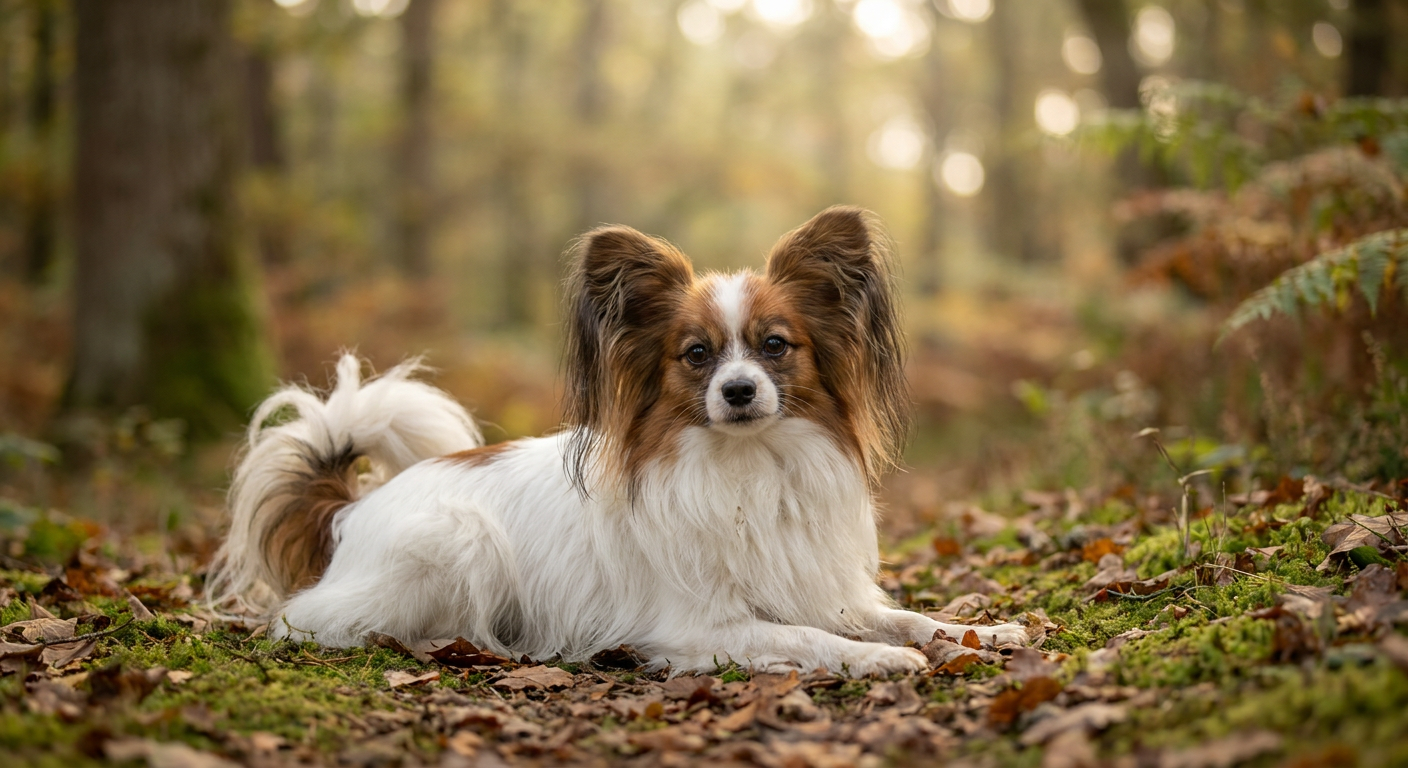
Bred as a companion for European nobility from the 16th century — depicted in Renaissance paintings by Titian, Rembrandt and Goya. AKC recognition in 1915.
Temperament & Personality
Alert, friendly, intelligent. Often the brightest toy breed in obedience rankings. Confident and athletic.
Health Watchouts
Top conditions reported by AKC parent clubs, OFA, and the Merck Veterinary Manual. Discuss screening with your vet — especially before breeding or insuring.
Patellar luxation
~10%Kneecap dislocation.
Screening: Vet orthopedic exam
Progressive retinal atrophy
HereditaryInherited blindness.
Screening: DNA test
Dental disease
UniversalCrowded small mouths trap plaque.
Screening: Daily brushing; annual cleanings
Hypoglycemia
Puppies and tiny adultsLow blood sugar from missed meals.
Screening: Frequent small meals as puppy
Open fontanel
OccasionalSoft spot in skull doesn't close.
Screening: Vet exam
Exercise Needs
30–45 minutes daily — walks, play, and dog sports.
- Brisk walks
- Agility (a top breed!)
- Trick training
- Fetch
- Therapy work
Nutrition
Daily calories: Adult: 200–350 kcal.
Two meals daily; tiny pups may need 3–4 small meals.
Common allergens to watch: Chicken, Wheat.
⚠ Lean BCS to protect joints.
Entertainment & Enrichment
Among the smartest toys — a brain that needs work.
- Agility
- Trick training
- Obedience competitions
- Puzzle feeders
- Nose work
Grooming & Coat Care
Brush 2–3× weekly. Bathe every 4–6 weeks. Trim feet and behind ears. Dental care daily.
Training
Highly trainable and eager. Positive reinforcement. Excellent at obedience and agility.
Cost of Ownership
Lifetime cost depends on size, lifespan, and health risks. Try our Lifetime Cost Calculator →
Cost band for Papillon: low.
How insurance, vet care & grooming connect for the Papillon
These three costs move together. The Papillon’s coat, energy, and breed-specific health watchouts shape each one — here’s how they line up.
Insurance band
Multiple breed-specific health watchouts
Vet service load
High activity raises orthopedic & injury visits
Grooming demand
Long coat tangles without weekly grooming
Estimated monthly spend (typical adult)
Insurance
$50
Routine vet
$50
Grooming
$45
Combined estimate
~$145/mo(±20%, US averages)
* Estimates derived from breed traits (coat, energy, health watchouts, lifespan). Actual costs vary by location, age, and provider.
Living Situation Fit
Apartment-perfect. Adapts well. Bonds closely but tolerates brief alone-time.
Choosing a Puppy
Eye CERF, OFA patellas, DNA for PRA. Meet both parents.
Frequently Asked Questions
Are Papillons easy to train?
Among the easiest toy breeds — they're routinely top-ranked in obedience and excel at agility. Positive reinforcement with short fun sessions.
Are Papillons good with children?
Better with respectful older children. Their tiny size makes them fragile; toddlers can injure them accidentally.
Do Papillons bark a lot?
They're alert barkers — vocal about visitors and unusual sounds. Training a 'quiet' cue helps.