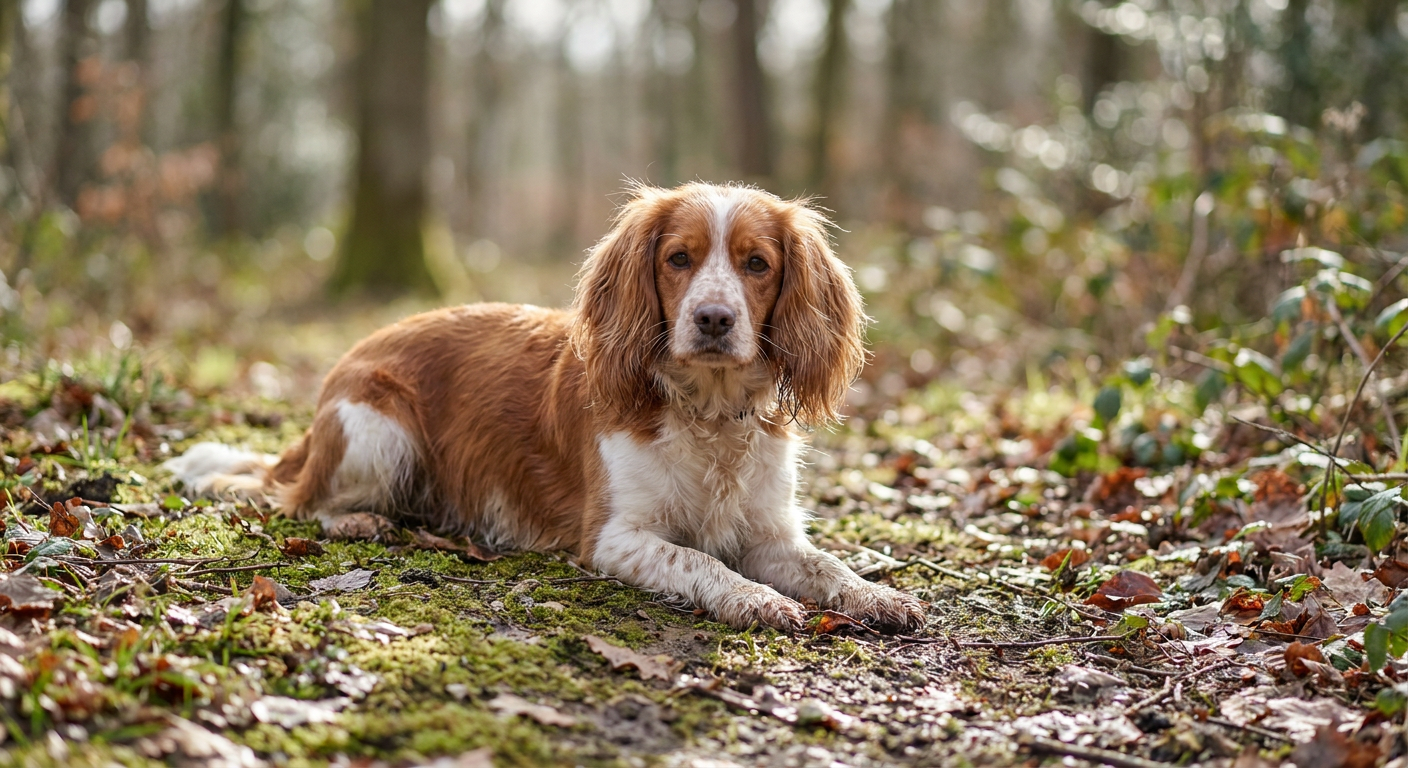
History & Origin
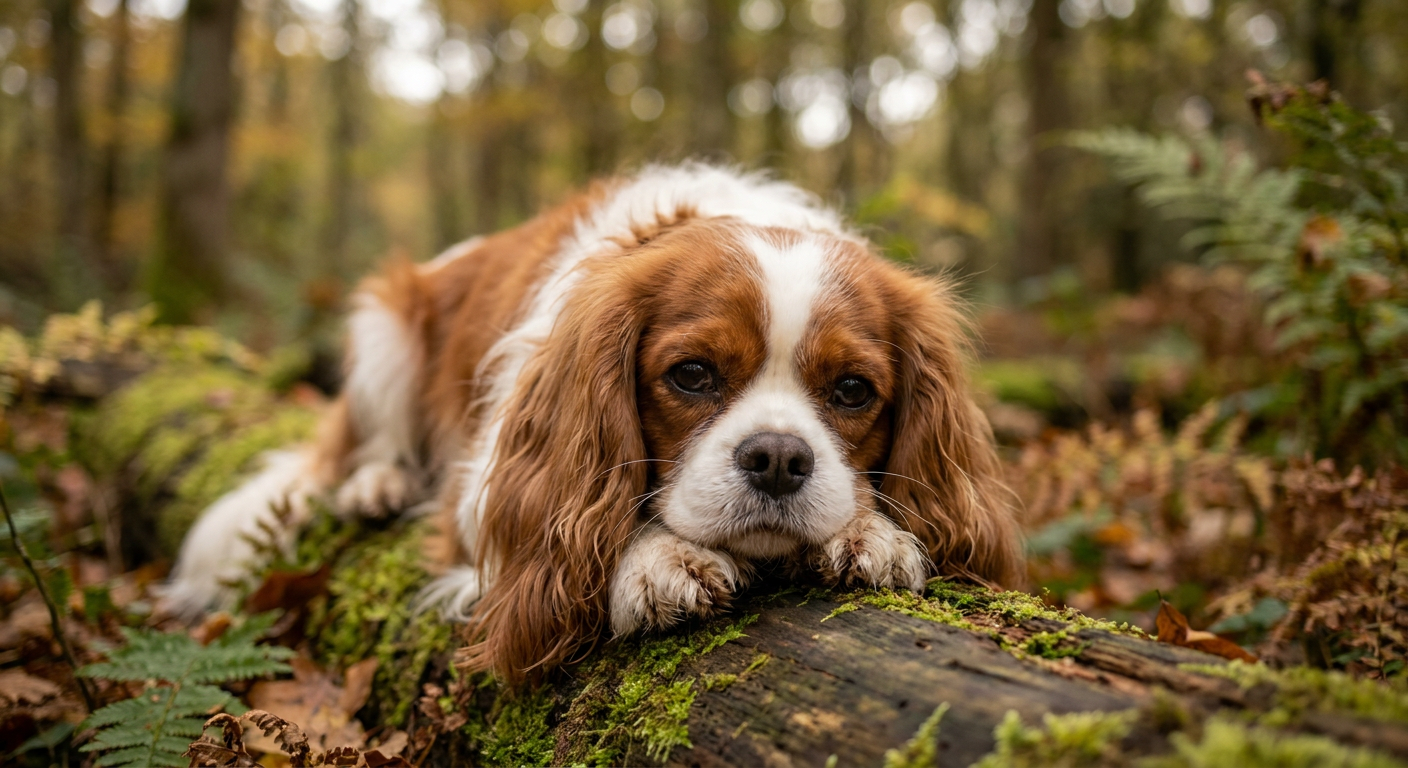
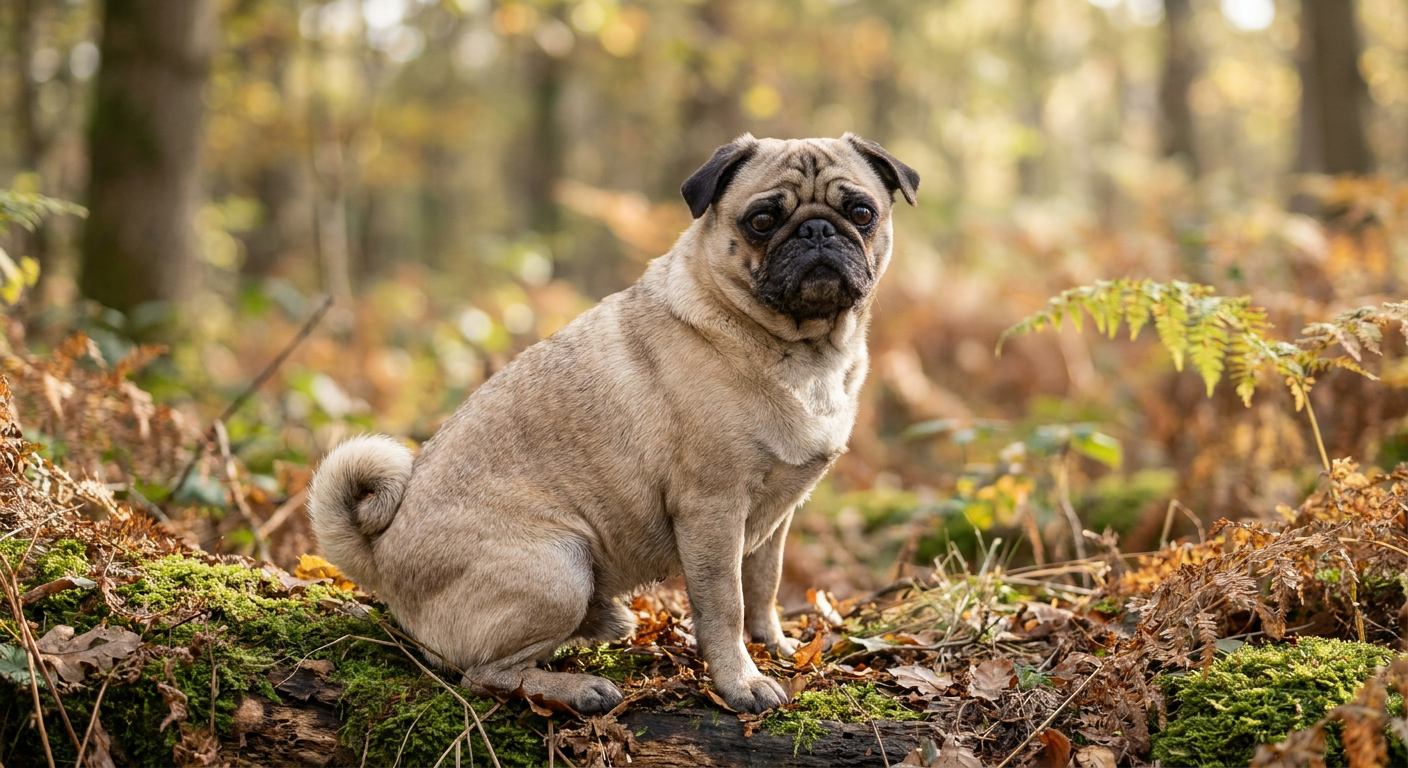
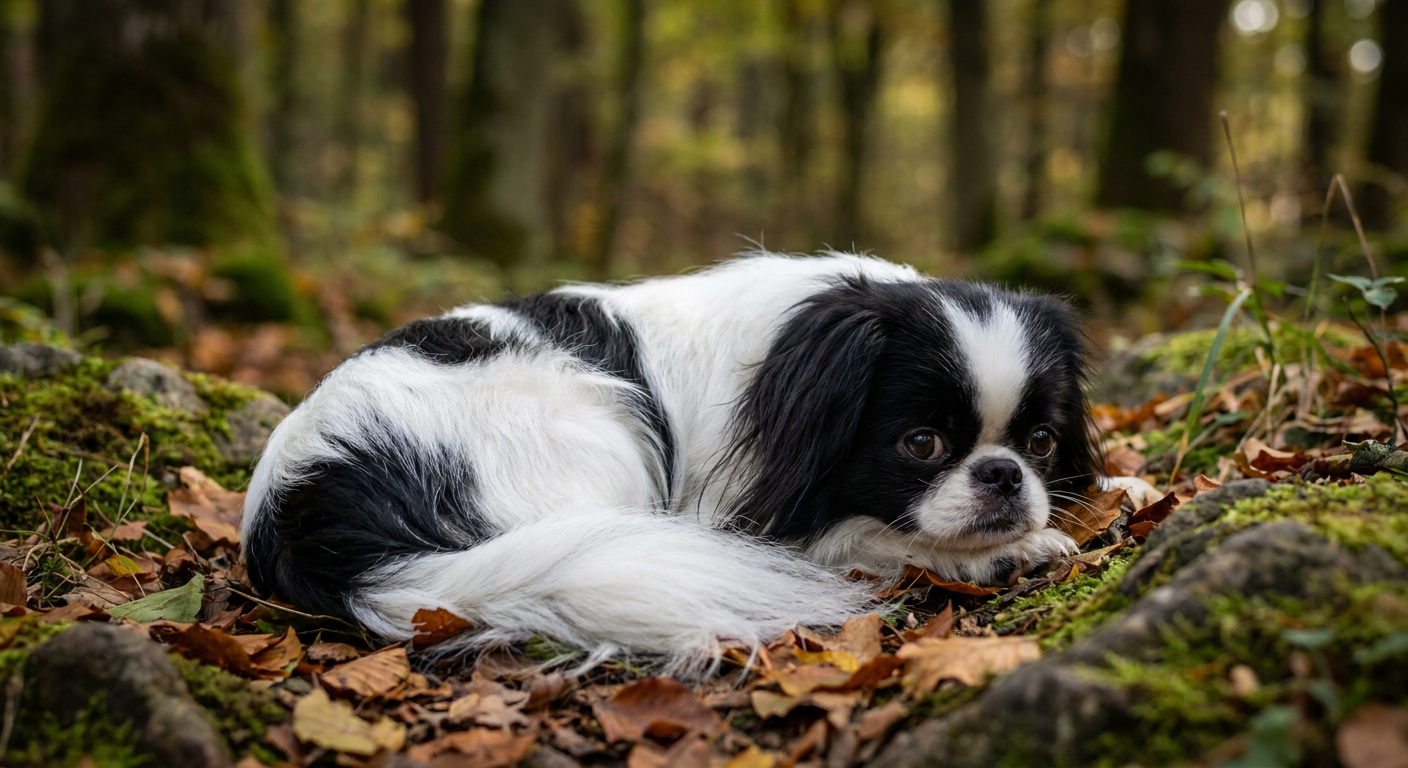
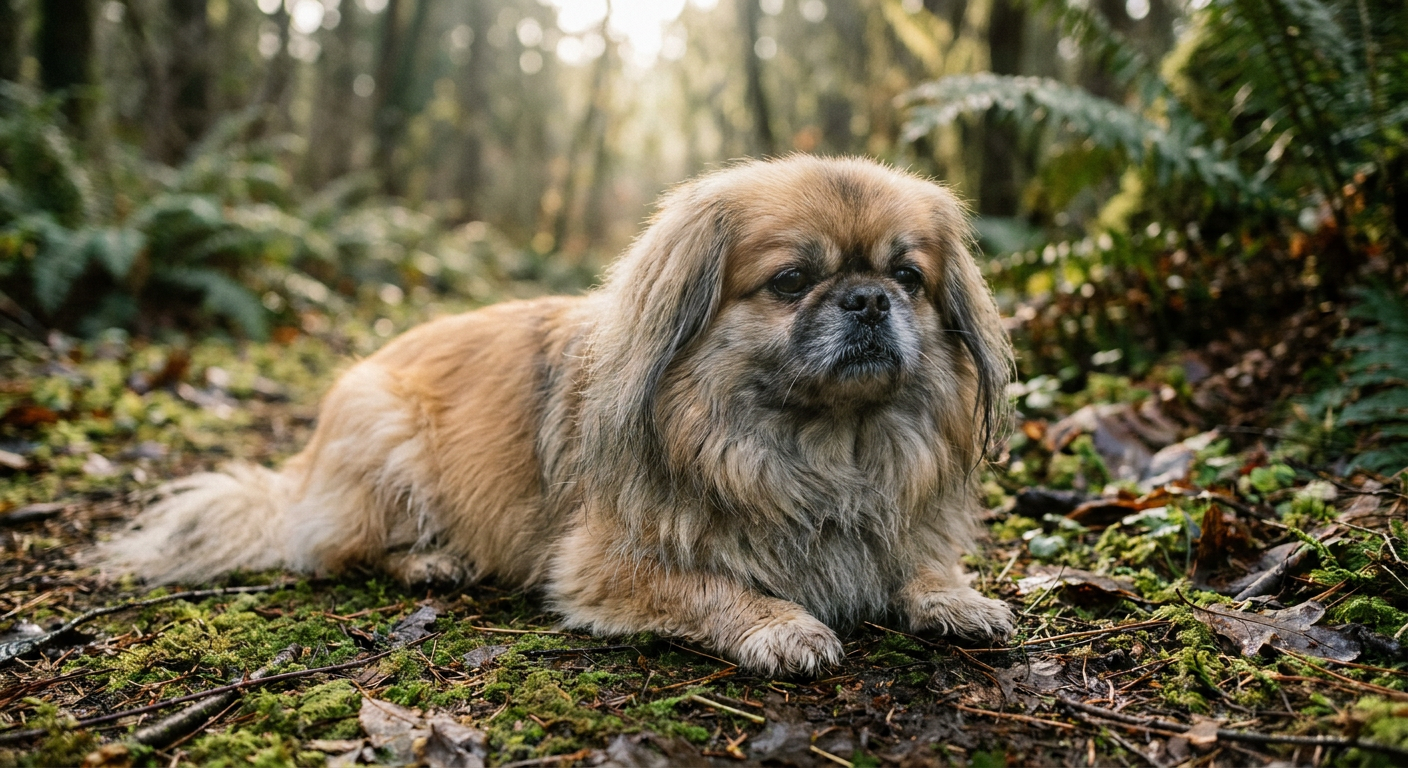
The breed shares origins with the Cavalier but was crossbred with Asian toy breeds like the Pug and Japanese Chin in the 1800s to achieve a flatter face. They were popularized by the House of Stuart and officially recognized by the AKC in 1886. Today, they are categorized into four color varieties: King Charles, Prince Charles, Blenheim, and Ruby.
Temperament & Personality
This is a reserved, quiet, and profoundly affectionate breed that is often described as "aristocratic." They tend to be more selective with their affection than Cavaliers, often bonding deeply with one person. While gentle, they can be shy around strangers and prefer a tranquil household environment.
Health Watchouts
Top conditions reported by AKC parent clubs, OFA, and the Merck Veterinary Manual. Discuss screening with your vet — especially before breeding or insuring.
Mitral Valve Disease
HighA degenerative condition where the heart's mitral valve weakens, potentially leading to heart failure.
Screening: Cardiac Exam (Annual)
Patellar Luxation
CommonThe kneecap slips out of its groove, causing lameness or a 'skipping' gait.
Screening: OFA Evaluation
Entropion
ModerateInward rolling of the eyelids which can cause corneal irritation or ulcers.
Screening: Ophthalmic Exam (CAER)
Brachycephalic Syndrome
CommonAnatomical abnormalities in the airway (short snout, soft palate) that lead to breathing difficulties.
Screening: Physical Exam/Visual Assessment
Exercise Needs
Requires minimal exercise and is highly sensitive to temperature extremes due to its brachycephalic nature.
- Morning and evening leisurely strolls
- Structured indoor play in a cooled environment house
- Short sessions of patio exploration
- Gentle fetch with soft toys
Nutrition
Daily calories: 300-450 kcal/day
Feed small, frequent meals to avoid hypoglycemia in small individuals and manage weight.
Common allergens to watch: Beef, Dairy, Wheat.
⚠ Obesity significantly worsens breathing issues in this brachycephalic breed.
Entertainment & Enrichment
Mental stimulation should be low-stress and focus on human companionship rather than high-intensity tasks.
- Low-impact scent games indoors
- Short, gentle walks in temperate weather
- Interactive treat-dispensing toys
- Relaxed basic obedience sessions
Grooming & Coat Care
The coat requires brushing 2-3 times weekly to prevent mats, particularly in the ear and leg feathering. No professional clipping is required for the show standard.
Training
Use gentle, reward-based training; they are sensitive to harsh corrections. Socialization is critical to prevent shyness.
Cost of Ownership
Lifetime cost depends on size, lifespan, and health risks. Try our Lifetime Cost Calculator →
Cost band for English Toy Spaniel: medium.
How insurance, vet care & grooming connect for the English Toy Spaniel
These three costs move together. The English Toy Spaniel’s coat, energy, and breed-specific health watchouts shape each one — here’s how they line up.
Insurance band
Common hereditary conditions raise claim odds
Vet service load
Several conditions worth annual screening
Grooming demand
Long coat tangles without weekly grooming
Estimated monthly spend (typical adult)
Insurance
$85
Routine vet
$45
Grooming
$60
Combined estimate
~$190/mo(±20%, US averages)
* Estimates derived from breed traits (coat, energy, health watchouts, lifespan). Actual costs vary by location, age, and provider.
Living Situation Fit
The ideal home is a quiet apartment or house with air conditioning. They thrive with retirees or calm families who don't leave them alone for long periods.
Choosing a Puppy
Prioritize breeders who provide OFA clearances for hearts and knees. Observe the parents' breathing; avoid lines with extreme respiratory distress or stenotic nares.
Frequently Asked Questions
How is this breed different from a Cavalier King Charles Spaniel?
The English Toy Spaniel is smaller, has a more domed skull, and a much shorter, pug-like snout compared to the Cavalier.
Do they bark a lot?
They are relatively quiet compared to other toy breeds and generally lack a 'yappy' disposition.
Are they sensitive to heat?
Yes, these dogs are highly sensitive to heat and should remain in air-conditioned environments during warm weather.