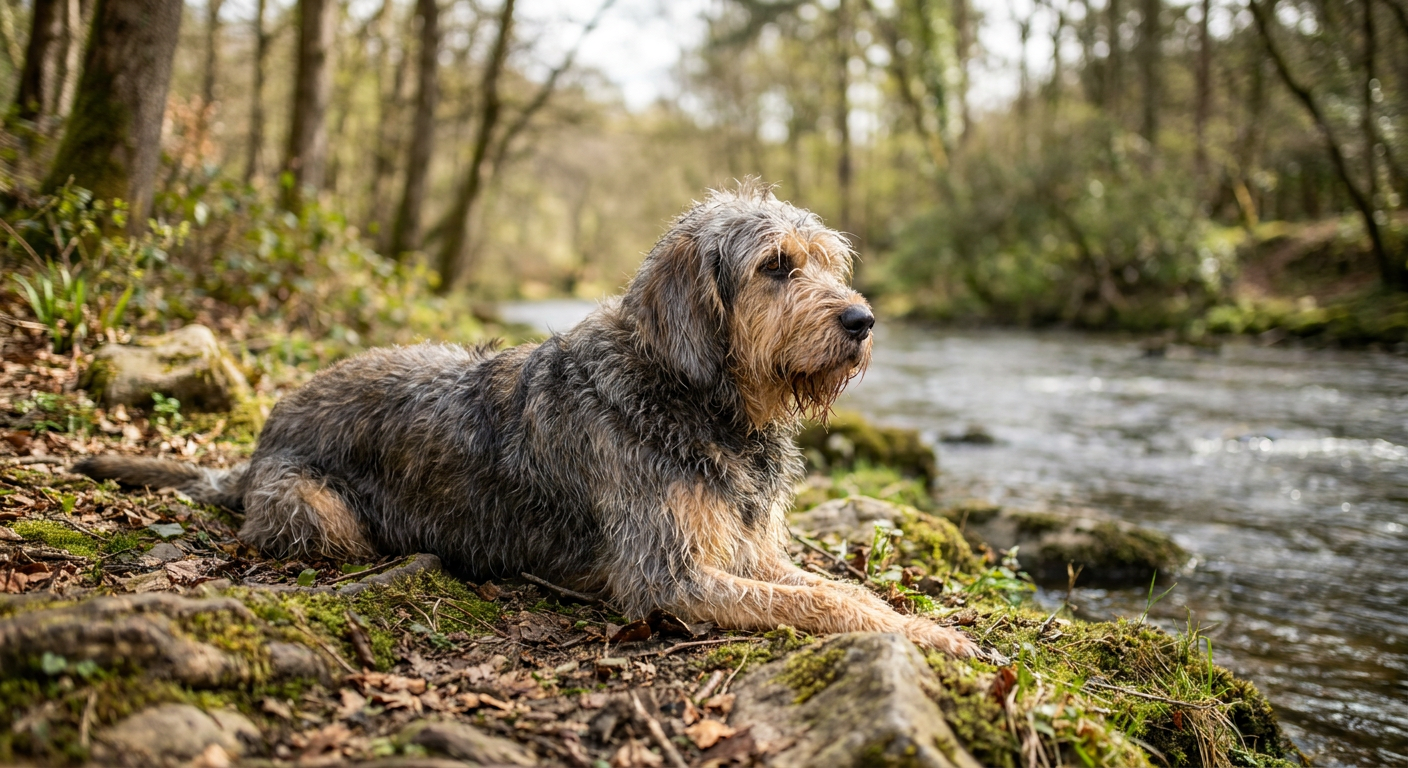
History & Origin
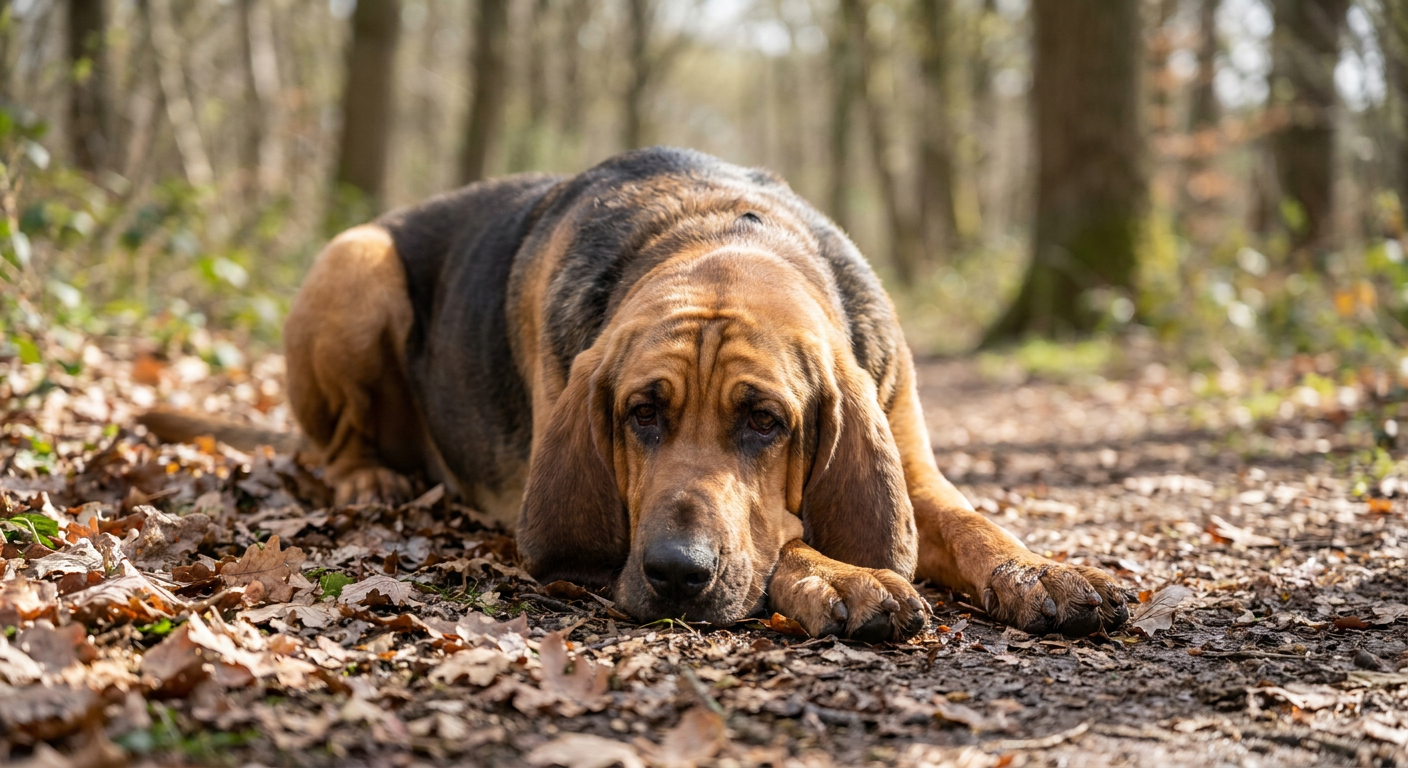
Developed in medieval England specifically for hunting otters that depleted fish pond stocks. The breed's ancestry likely includes the Bloodhound and various French griffon-type hounds. Following a ban on otter hunting in the late 1970s, the breed transitioned into a companion and show dog.
Temperament & Personality
Amicable, boisterous, and exceptionally even-tempered. They possess an independent hound nature and a legendary sense of smell that can make them easily distracted. While affectionate with family, they maintain a rugged, hardworking spirit and a distinctive, deep bay.
Health Watchouts
Top conditions reported by AKC parent clubs, OFA, and the Merck Veterinary Manual. Discuss screening with your vet — especially before breeding or insuring.
Hip Dysplasia
CommonMalformation of the hip joints leading to arthritis; common in large breeds.
Screening: OFA/PennHIP Radiographs
Gastric Dilatation-Volvulus (Bloat)
High RiskA life-threatening condition where the stomach twists.
Screening: Prophylactic Gastropexy (discussion with vet)
Elbow Dysplasia
ModerateAbnormal development of the elbow joint.
Screening: OFA Radiographs
Glanzmann's Thrombasthenia (GT)
Breed-specific riskA bleeding disorder caused by a deficiency in blood clotting factors.
Screening: DNA Testing
Exercise Needs
Requires significant daily activity to satisfy their stamina and historical work ethic. Daily long walks are essential.
- Long daily walks on lead.
- Swimming in clean water.
- Safe, enclosed scent tracking.
- Moderate hiking.
Nutrition
Daily calories: 2200-2800 kcal/day depending on activity level.
Divide meals into at least two feedings per day to reduce bloat risk. Use elevated bowls only if recommended by your vet.
Common allergens to watch: Beef, Dairy, Wheat.
⚠ Excess weight significantly increases the strain on their large-frame joints.
Entertainment & Enrichment
Mental stimulation is vital for this scent-driven breed to prevent boredom-induced baying or destructive chewing.
- Scent work or hide-and-seek games.
- Supervised swimming in safe areas.
- Off-leash hiking in secure, fenced environments.
- Food-dispensing puzzles to engage their mind.
Grooming & Coat Care
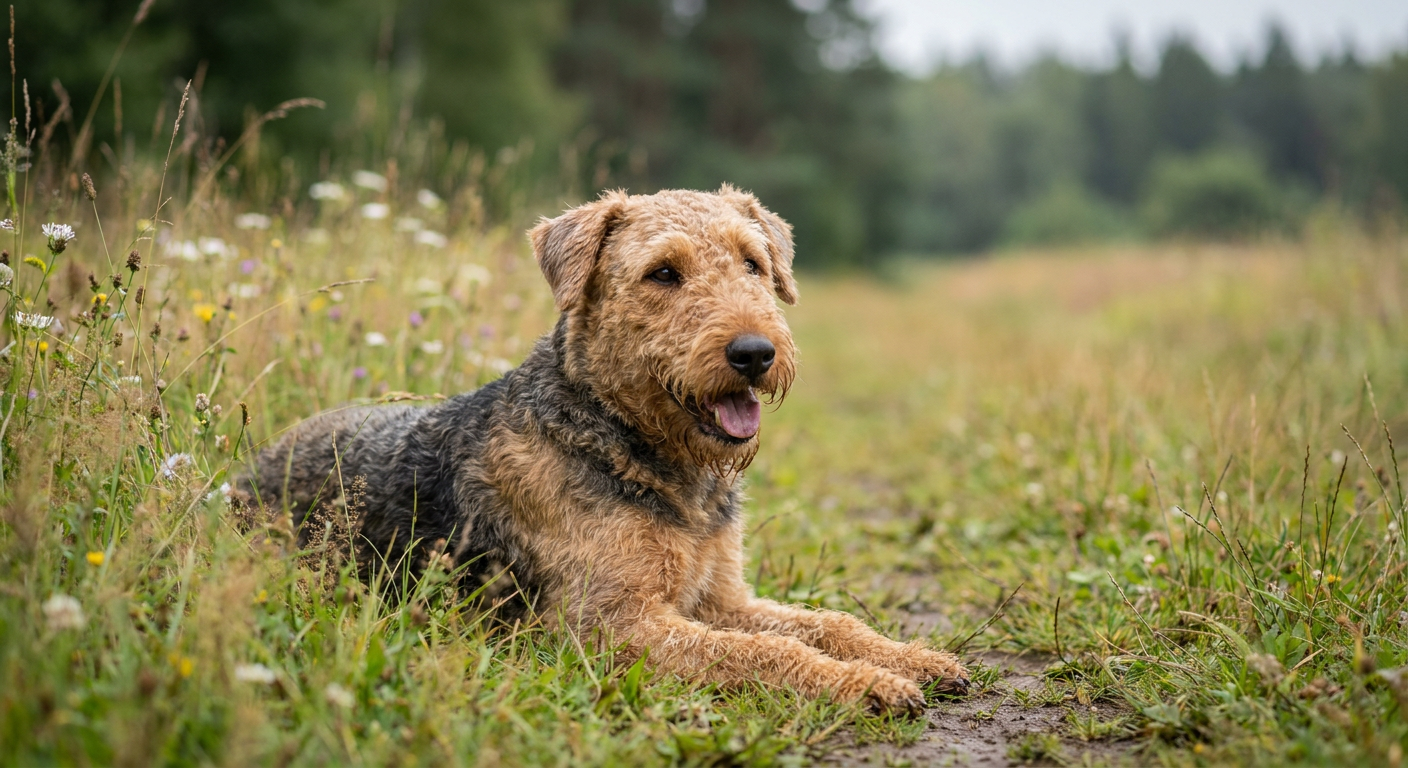
The rough coat requires weekly brushing to prevent matting and regular beard cleaning to manage debris and water. Shaving is not recommended as it damages the weather-resistant double coat.
Training
Training requires patience as they are independent and easily distracted by scents. Positive reinforcement and consistency are necessary, as they do not respond well to harsh corrections. Recalling an Otterhound on a scent trail can be extremely difficult.
Cost of Ownership
Lifetime cost depends on size, lifespan, and health risks. Try our Lifetime Cost Calculator →
Cost band for Otterhound: high.
How insurance, vet care & grooming connect for the Otterhound
These three costs move together. The Otterhound’s coat, energy, and breed-specific health watchouts shape each one — here’s how they line up.
Insurance band
Common hereditary conditions raise claim odds
Vet service load
High activity raises orthopedic & injury visits
Grooming demand
Double coat sheds seasonally — frequent brushing
Estimated monthly spend (typical adult)
Insurance
$85
Routine vet
$60
Grooming
$60
Combined estimate
~$205/mo(±20%, US averages)
* Estimates derived from breed traits (coat, energy, health watchouts, lifespan). Actual costs vary by location, age, and provider.
Living Situation Fit
Best suited for rural or suburban homes with large, securely fenced yards. Their size and loud baying make them poorly suited for apartment living or close-quarter city environments.
Choosing a Puppy
Prioritize breeders who screen for hip and elbow dysplasia. Due to their rarity, expect a significant waiting list and a thorough vetting process by the breeder.
Frequently Asked Questions
How rare is the Otterhound?
They are considered one of the rarest dog breeds in the world, with world populations often estimated at under 1,000 individuals.
Are Otterhounds vocal?
They have a loud, deep, and musical 'hound voice' (baying) that carries over long distances.
Are they easy to train?
While they can learn, they are independent thinkers who may prioritize scent trails over owner commands; patience and positive reinforcement are required.